
Are you staring at your old, worn-out flooring and wondering if it’s time for a change? Replacing your flooring can transform your space, adding value and comfort to your home.
But the big question is: how much will it cost? Whether you’re looking to upgrade a single room or your entire house, understanding the costs involved is crucial. You’re not just investing in materials; you’re investing in the feel and look of your home.
Dive into this guide to discover how much you should budget for new flooring, and learn some insider tips to get the most out of your investment. You’ll find the answers you need to make a confident, informed decision about your flooring project.

Factors Affecting Flooring Costs
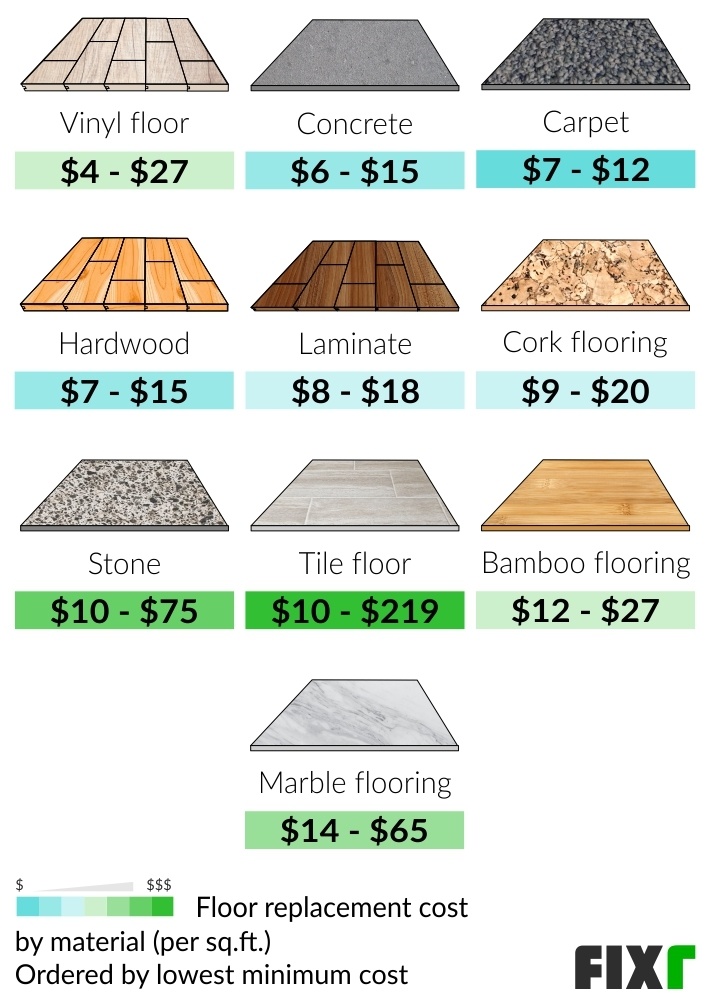
Flooring can be made from many materials. Wood, tile, and carpet are common choices. Each has a different price. Wood floors are often more expensive. Tile can be mid-range. Carpet is usually cheaper. Choose based on your budget and style.
Bigger rooms need more flooring. More flooring means more money. Smaller rooms cost less to cover. Odd shapes can increase costs. More cuts and edges mean more labor. Plan for extra expenses if your room is not a simple rectangle.
Paying for work adds to the cost. Professional installers charge for their time. Skilled workers may charge more. DIY can save money. But, mistakes can cost more later. Hiring experts might be worth the price.
Old floors must be taken out first. Removing them can cost money. Disposal fees may apply. Some people do it themselves to save. Be ready for extra charges if hiring help. Make sure you count this in your budget.
Comparing Flooring Materials
Hardwood floors look beautiful and feel warm. But they can be expensive. The cost depends on the type of wood. Oak is cheaper than cherry. Installation also adds to the price. Hardwood needs care and maintenance. It can get scratched easily. But it lasts long when cared for.
Laminate looks like wood but is not real wood. It costs less than hardwood. It is easy to install. Laminate is good for busy homes. It does not scratch easily. But it can get damaged by water. It is not as long-lasting as hardwood.
Vinyl is cheap and easy to clean. It comes in many colors and styles. Vinyl can look like wood or stone. It is water-resistant. Good for kitchens and bathrooms. But it can get dents. It is not as durable as other floors.
Tiles are strong and durable. They are good for wet areas. Tile can be cold underfoot. It comes in many styles and colors. Tile floors are easy to clean. But they can crack if hit hard. They need good installation for best results.
Carpet feels soft and warm. It is good for bedrooms and living rooms. Carpet comes in many colors and textures. It is cheaper than hardwood. But it needs regular cleaning. Carpet can trap dust and allergens. It wears out faster than other types.
Budget-friendly Flooring Options
Finding cheap flooring is easy. Many good options exist. Vinyl flooring is a top choice. It is cheap and looks nice. Laminate flooring is another option. It mimics wood but costs less. Both types are easy to clean. They are also easy to install. Carpet tiles are soft and warm. They work well in bedrooms. Each of these choices suits small budgets.
Cheaper flooring has pros and cons. Vinyl flooring can handle spills well. It is not as strong as real wood. Laminate flooring looks nice. It can get scratched easily. Carpet tiles are soft. They can stain fast. Each choice needs care. Some last longer than others. Think about your needs. Decide what works best for you.
Diy Vs. Professional Installation
DIY installation can be cheaper. Buying materials yourself saves money. Professional installation often costs more. They charge for labor and expertise. Costs vary by flooring type. Wood flooring may be pricier than carpet. DIY may cost less, but it’s time-consuming. Mistakes can be costly to fix. Professionals offer warranties. Their work is often more reliable.
DIY flooring needs basic skills. Measuring and cutting are essential. Mistakes can be hard to fix. Professionals have advanced skills. They handle complex tasks easily. They ensure a neat finish. DIYers need patience and time. Professionals work faster and efficiently.
DIY can save money. Buying materials directly saves cash. Labor costs are cut. Professionals cost more upfront. Long-term savings might be higher with professional work. Their work lasts longer. Fewer repairs mean less expense. Weigh options before deciding.
Cost-saving Tips
Many stores offer great discounts on flooring. Check online and in-store sales. Compare prices at different stores. Sometimes, small shops have better deals. Ask if they match prices from other places. Buying in bulk can save more money. Don’t forget to look for coupons and promo codes. They can cut costs a lot.
Always measure your floors twice before buying materials. This stops buying too much or too little. Picking the wrong type of flooring can be costly. Ask experts for advice. Read reviews from other customers. They can share helpful tips. Hire skilled workers if you need help. Bad installations can lead to more expenses.
Recycled materials are often cheaper than new ones. They help save the planet too. Check local stores for recycled wood or tiles. They may look just as nice. Some companies specialize in recycled flooring. They have many options to choose from. Using recycled materials also adds a unique touch to your home.
Estimating Total Costs
First, measure your room size. Use a tape measure. Multiply length by width. This gives you square footage. Different floors need different materials. Wood costs more than vinyl. Tile is another option. Check costs at local stores. Prices can change. Always add 10% more. This covers mistakes or waste.
Think about extra costs. Labor costs can be high. Professional help might be needed. Tools might be required too. Hammers, saws, or glue. Add these to your budget. Don’t forget delivery fees. Some stores charge for this. Look for promotions or discounts. Save money if you can.
List all costs. Materials, labor, and extras. Add them up. Set a budget limit. Don’t go over this limit. Look for cheaper options if needed. Stay within your budget. Plan carefully. Stick to your plan. This helps avoid surprises. Be ready for small changes. Adjust as needed.
Financing Options
Many stores offer payment plans for new flooring. This means you can pay a little each month. It helps you get new floors without a big cost all at once. Check if there’s a plan that fits your budget. Make sure to ask about any extra fees.
Banks can provide home improvement loans. These loans are made for fixing or changing your home. They might have lower interest rates. This means you could pay less over time. Talk to your bank for more details.
Using a credit card is another option. Some cards offer special deals for big purchases. But be careful. Credit cards can have high interest rates. This means you might pay more if you don’t pay it off quickly. Always read the terms before using a card.

Frequently Asked Questions
What Is The Average Cost To Replace Flooring?
The average cost to replace flooring ranges from $3 to $22 per square foot. Costs vary based on material, labor, and location. Hardwood and tile are generally more expensive than laminate or vinyl. Additional costs may include removal of old flooring and installation fees.
How Long Does Flooring Replacement Take?
Flooring replacement typically takes 1 to 3 days, depending on the size of the area. Larger spaces require more time than smaller ones. Preparation, removal, and installation steps can affect the timeline. Complex patterns or materials might extend the duration slightly.
What Factors Influence Flooring Replacement Costs?
Flooring replacement costs are influenced by material choice, room size, and installation complexity. Premium materials like hardwood cost more than vinyl. Room layout and accessibility may increase labor costs. Additional expenses may include removal of existing flooring and disposal fees.
Can I Replace Flooring Myself To Save Money?
Yes, replacing flooring yourself can save money, but requires skill and patience. DIY projects reduce labor costs significantly. Materials must be chosen wisely to ensure durability. Proper tools and preparation are essential for successful installation. Consider professional help for complex patterns or materials.
Conclusion
Replacing flooring can be a straightforward process. Budget and needs will guide your choices. Consider both material and installation costs. Different flooring options come with various price tags. Hardwood may cost more upfront, while vinyl is often cheaper. Don’t forget to factor in labor costs.
Seek quotes from multiple contractors to find the best deal. Keep long-term value in mind. Some floors last longer and need less maintenance. Make informed decisions to suit your home and wallet. With the right choice, new flooring can enhance any space beautifully.
Your ideal floor awaits!