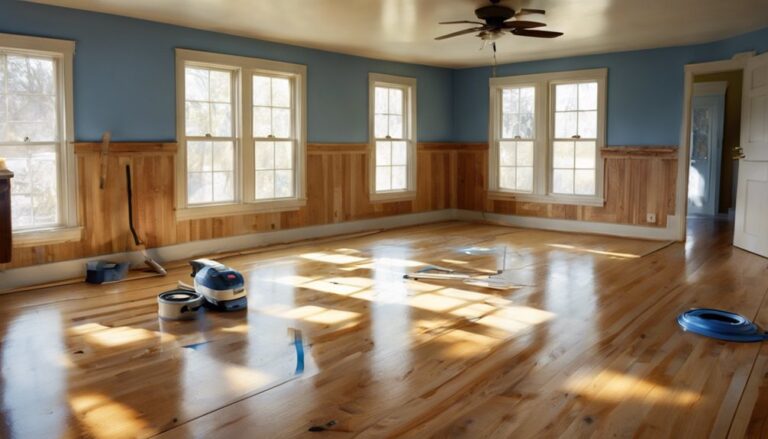

Are you dreaming of transforming your home with the timeless elegance of hardwood flooring? Installing hardwood floors can completely change the look and feel of your space, adding warmth and value.
But what if your floors are cement? Don’t worry—you’re in the right place. This guide will show you how to successfully install hardwood flooring on cement, making the process straightforward and stress-free. Imagine stepping into a room that feels like a cozy retreat, the natural beauty underfoot enhancing every moment.
You’ll learn the secrets to achieving that seamless finish, understand the tools you need, and get tips to avoid common mistakes. Ready to bring your vision to life? Let’s dive in and turn your cement floors into a stunning hardwood masterpiece.

Preparation Steps
Tools make work easy. You need a tape measure and a level. A saw is also important. Don’t forget a trowel and a screwdriver. A flooring nailer can help too. Have a broom and a vacuum handy.
Look at the cement closely. Is it cracked? Is it uneven? Use a level to check. Fill cracks with a patch. Make sure the surface is smooth.
Cleaning is important. Sweep with a broom first. Then use a vacuum. Remove all dust and dirt. A clean surface helps the wood stick better.

Moisture Barrier Installation
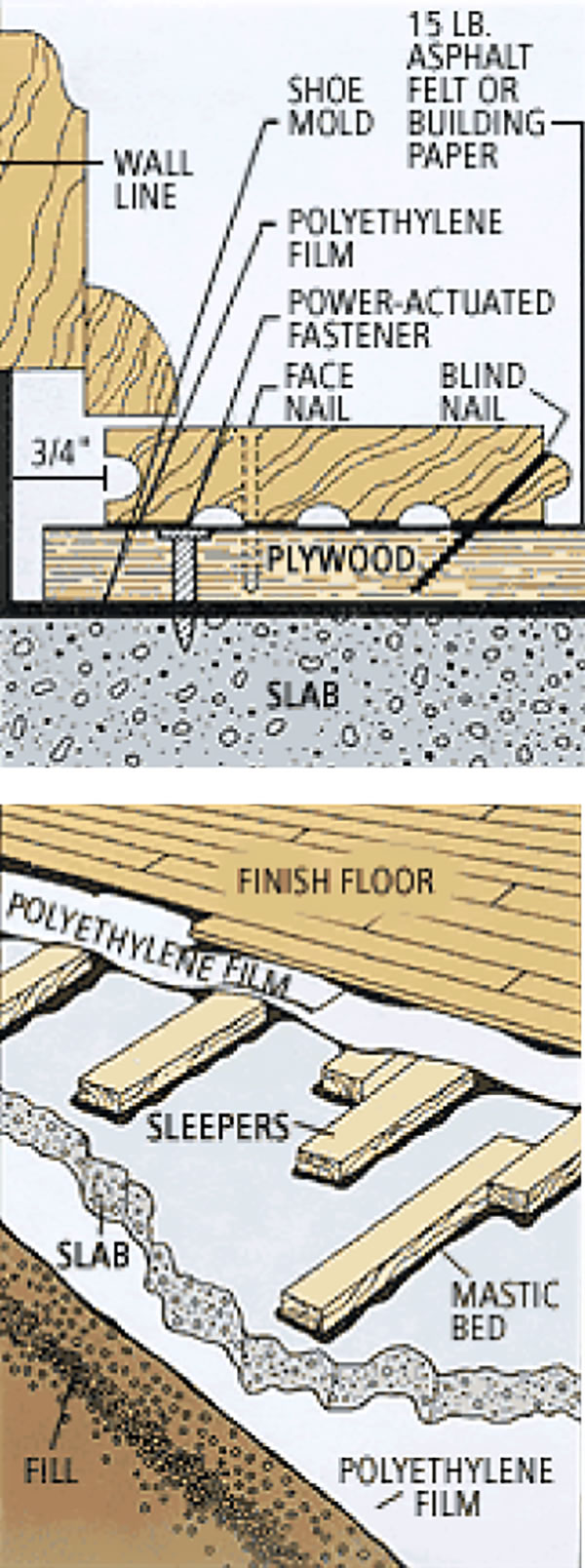
For successful hardwood flooring on cement, begin with moisture barrier installation. This step prevents water from damaging the wood. Ensure the barrier covers all cement areas for optimal protection.
Choose A Suitable Moisture Barrier
A moisture barrier stops water from reaching your hardwood floor. Choose one that fits your budget and needs. Plastic sheets are cheap and easy to use. Foam barriers are soft and help with sound. Look for a barrier that is waterproof and strong. This keeps your floor safe and dry.
Lay The Moisture Barrier Correctly
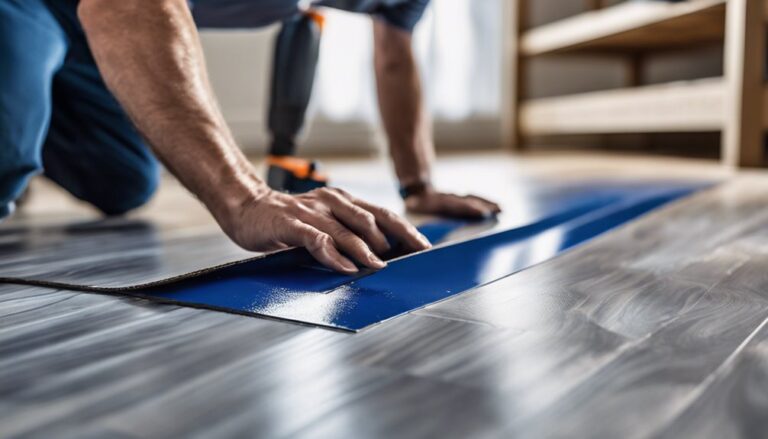
Start by cleaning the cement floor. It should be dust-free. Roll out the barrier across the floor. Make sure it is flat with no bumps. Overlap each sheet by a few inches. This stops water from getting through the gaps. Tape the seams with strong tape. This keeps everything in place. Check for holes or tears. Fix them quickly to avoid problems later.
Acclimate The Hardwood
Always unpack the hardwood right away. This helps it breathe. Store the wood in the room where it will be installed. Keep it flat on the floor. Make sure the room is dry and clean. This keeps the wood safe.
Give the wood time to adjust. Let it sit for at least three days. This helps it get used to the room’s air. It prevents future problems. Wood that is not adjusted might warp or bend. So, be patient. This step is very important.
Layout Planning
Installing hardwood flooring on cement requires careful planning. Begin by ensuring the cement surface is clean and dry. Use moisture barriers to protect the wood from dampness. Proper layout and alignment help achieve a seamless finish.
Measure The Room Dimensions
First, find the length and width of the room. Use a tape measure for this. Write down the numbers. You need them later. Check if the room is a rectangle. Some rooms have odd shapes. Note any corners or angles. They affect your flooring plan. Always measure twice. This avoids mistakes.
Plan The Floor Layout
Think about how the wood planks will line up. Start with the longest wall. This helps keep things straight. Imagine the finished look. Do you want all planks in one direction? Or a mix? Make sure all pieces fit well. No big gaps should show. Plan for any doorways or vents. They need special cuts. Keep these ideas in mind as you move forward.
Installation Process
Start the First Row by cleaning the cement floor. Ensure it’s dry and free of dust. Use a chalk line to mark a straight line. This helps keep the first row straight. Apply adhesive on the floor. Place the first board along the chalk line. Tap gently with a rubber mallet to secure it.
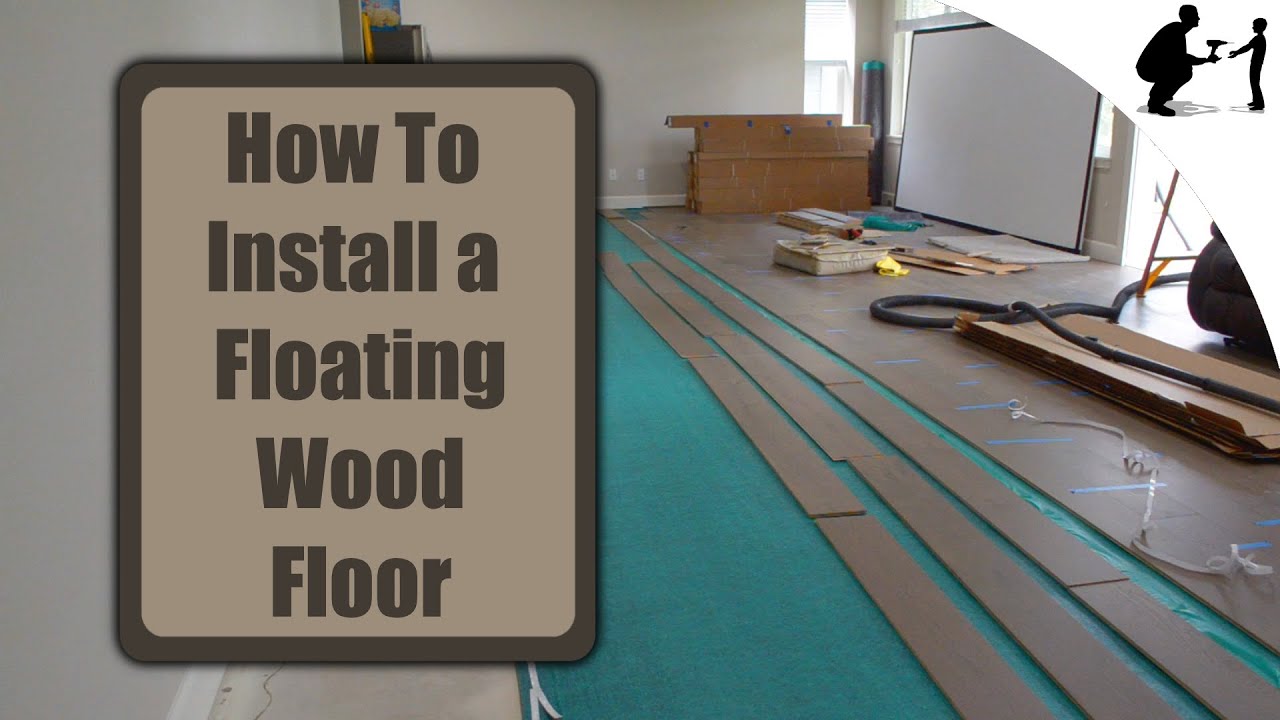
Continue with Subsequent Rows by applying adhesive in sections. Lay each board next to the first row. Use spacers between rows. This allows for expansion. Stagger the boards for a natural look. Tap each board into place. Check alignment regularly.
Handle Obstructions and Cuts with care. Measure the space around obstructions. Cut boards to fit using a saw. Ensure cuts are precise. For corners, use a jigsaw. Double-check measurements before cutting. Place cut pieces carefully. Ensure a snug fit around obstructions.
Finishing Touches
Install baseboards and moldings to cover the gaps. They make the floor look neat. Cut them to fit the room’s walls. Use a saw for precise cuts. Nail them gently to the wall, not the floor. This allows the floor to expand. Paint or stain them to match the floor. It adds a polished look.
Inspect and clean the floor before you finish. Check for any dust or debris. Use a soft broom or vacuum. This keeps the floor shiny and clean. Look for any scratches or dents. Fix them with a wood filler. Finally, apply a sealant or polish. It protects the wood and keeps it looking new.
Frequently Asked Questions
Can You Install Hardwood On Concrete Directly?
Yes, you can install hardwood directly on concrete. Use a vapor barrier to prevent moisture damage. Ensure the concrete is clean, dry, and level before installation. Consider engineered wood flooring for better stability over concrete surfaces.
What Tools Are Needed For Hardwood Installation?
You’ll need a saw, hammer, nails, and a flooring nailer. Also, use a measuring tape, chalk line, and level. A moisture meter is essential to check humidity levels in concrete. Safety gear like gloves and goggles is recommended.
How Do I Prepare Concrete For Hardwood Flooring?
Start by cleaning the concrete surface thoroughly. Ensure it’s dry and free of debris. Use a leveling compound if the surface is uneven. Apply a vapor barrier to protect the hardwood from moisture. Check the humidity level for best results.
Should I Use Underlayment For Hardwood On Concrete?
Using underlayment is highly recommended. It provides a moisture barrier and sound insulation. Underlayment also helps in leveling minor imperfections. Choose an underlayment suitable for concrete surfaces to ensure long-lasting hardwood flooring.
Conclusion
Installing hardwood on cement can seem challenging. But it’s doable with careful steps. Prepare your cement surface properly. Choose the right type of hardwood. Use quality adhesive for strong bonding. Follow each step closely for best results. Take your time and work patiently.
Your floor will look amazing and last long. Enjoy the beauty and warmth of hardwood. Always remember to maintain it well. Clean regularly to keep it shining. Now, you’re ready to transform your space. Hardwood flooring adds elegance and value to your home.
Happy flooring!