

Imagine being stuck on the side of the road with a flat tire. Frustrating, right?
But what if you knew exactly how to use a floor jack to get back on track quickly and safely? Whether you’re an experienced car enthusiast or someone who just wants to be prepared for life’s unexpected moments, mastering the art of using a floor jack is a skill worth having.
In this guide, you’ll discover step-by-step instructions and expert tips that will give you the confidence to lift your vehicle with ease. No more feeling helpless or worrying about calling for roadside assistance. Instead, you can take control and tackle the situation head-on. Intrigued? Let’s dive in and explore how you can become proficient in using a floor jack, making your life a little bit easier and your journeys a lot more secure.
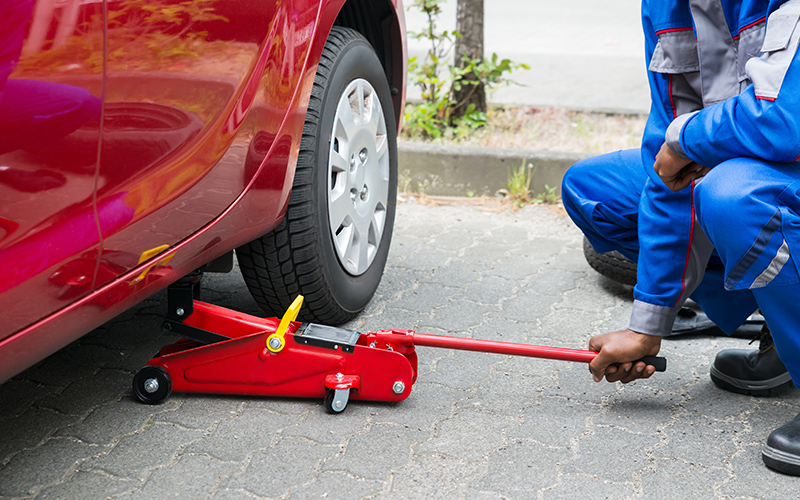
Types Of Floor Jacks
Hydraulic jacks are powerful. They use oil to lift heavy cars. Easy to use. Pump the handle. The car goes up. Very popular with car lovers. Perfect for garages. Strong and reliable. Built for safety. They can lift with ease. Great for big cars.
Scissor jacks are simple. Lightweight and portable. They fit in car trunks. Handy for emergencies. Use a crank to lift. They are not for heavy cars. Best for small vehicles. Easy to store. Affordable option for drivers. Simple design. Good for quick fixes.
Bottle jacks are compact and strong. They can lift heavy loads. Shaped like a bottle. Easy to carry. They use hydraulic power. Good for trucks and big cars. They stand tall. Stable when lifting. Perfect for rough surfaces. Strong and reliable. Ideal for mechanics.
Choosing The Right Floor Jack
The floor jack must lift your car safely. Check your car’s weight first. Choose a jack that can handle more than your car’s weight. Safety is very important. A stronger jack means safer lifting.
Floor jacks come in different materials. Steel jacks are heavy but strong. Aluminum jacks are lighter and easy to move. The construction should be solid. Look for jacks with strong joints. Good materials make the jack last longer.
A floor jack should be easy to use. Look for a jack with a smooth lifting action. Handles should be comfortable and not slip. Wheels should roll easily on the floor. A good jack makes lifting easy and quick.
Safety Precautions
Always check the floor jack before use. Look for any cracks or damage. Ensure the jack is clean and free from oil. Oil can make it slippery. Make sure the jack’s wheels roll smoothly. Test the handle for smooth operation. If something feels off, do not use it.
Park the car on level ground. Use the parking brake for safety. Find the jack points under the car. These are strong spots. Do not place the jack anywhere else. It can damage the car. Align the jack with the jack point. Pump the handle to lift the car.
Jack stands are important for safety. Once the car is lifted, place the stands under the car. Make sure they are on solid ground. Lower the car onto the stands carefully. Double-check that the car is stable before working. Never rely on the jack alone. It can fail.
Positioning The Floor Jack
Finding the right jack points is very important. Check the car manual first. It shows exact jack point locations. These spots are strong. They keep the car from falling. Usually, they are near the wheels. Look for small notches or marks.
Avoiding mistakes is key. Never place the jack under weak spots. This can damage the car. Always use a flat surface for safety. Uneven ground is risky. Double-check the jack placement. Make sure it’s secure. Never rush this process. Safety first.
Lifting The Vehicle
Place the floor jack under the car. Find the correct spot. This is usually near the wheel. Make sure the jack is on solid ground. Hold the jack handle firmly. Push it down slowly. The car will start to lift. Continue until the car is high enough. Do not lift too high.
Once the car is lifted, check its stability. It should not wobble. Use jack stands for extra safety. Place them under the car. Make sure they are secure. Gently shake the car. It should not move. This keeps you safe while working. Always double-check your setup. Safety first!
Lowering The Vehicle
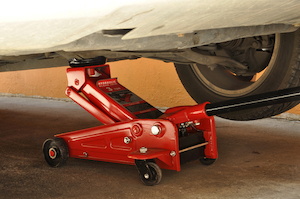
Turn the handle slowly to release the pressure. The car will start coming down. Always go slow to avoid any sudden drops. This helps keep the vehicle steady. Check that everything is clear under the car. Make sure no tools or feet are in the way. Double-check for safety before the car touches the ground.
Once the car is on the ground, it’s safe to remove the jack. Pull the jack from under the car carefully. Never rush this step to avoid accidents. Keep your hands clear of any moving parts. Store the jack in a safe place after use. This keeps it ready for next time. Always remember these steps for a safe experience.
Maintenance Of Floor Jacks
Check your floor jack often for any signs of wear. Look for cracks or leaks in the body. Make sure the wheels move smoothly. Test the handle to ensure it works. Inspect the release valve for any issues. Always keep an eye on the oil level. A low level can cause problems.
Use the right lubricant for your floor jack. Oil the moving parts regularly. This helps them move easily. Lubricate the wheels and handle. Be sure to wipe away extra oil. Too much can attract dirt. Keep the jack clean and oiled for best performance.
Store your floor jack in a dry place. Wet areas can cause rust. Keep it away from direct sunlight. Too much heat can damage it. Lower the jack completely before storing. This helps keep the hydraulics safe. Cover it to protect from dust.

Troubleshooting Common Issues
Using a floor jack can sometimes lead to common problems. Ensure proper placement under the vehicle to avoid slipping. Check for leaks in hydraulic fluid if lifting is difficult.
Dealing With Leaks
A leak can make a floor jack unsafe. First, check for any visible damage. Look for oil stains around the jack. Tighten all screws and bolts. If the leak continues, the seal might be broken. Replace the seal if needed. Always use the correct oil. Wrong oil can cause leaks. Keep the jack clean. Dirt can create leaks too.
Fixing Operational Failures
A floor jack might not lift properly. Check if the release valve is closed. Sometimes, it stays open. Turn it clockwise to close it. Ensure the hydraulic fluid is full. Low fluid causes lifting issues. If it still fails, air might be in the system. Bleed the jack to remove air. Keep the jack’s surface clear. Dust or debris can stop it from working well. Regular checks help maintain your jack.
Frequently Asked Questions
How Do I Position A Floor Jack Correctly?
To position a floor jack correctly, place it under the vehicle’s designated jacking point. Consult your vehicle’s manual to locate these points. Ensure the jack is on a stable, level surface. Align the jack’s saddle with the jacking point. This prevents the vehicle from slipping or damaging the jack.
What Safety Precautions Should I Take?
Always use jack stands to support the vehicle after lifting. Never rely solely on the floor jack. Ensure the car is on a flat surface and the parking brake is engaged. Keep all body parts clear from under the vehicle unless securely supported.
This minimizes the risk of accidents.
Can I Use A Floor Jack On Any Vehicle?
Floor jacks are versatile but have weight limits. Check the jack’s capacity to ensure it can lift your vehicle. Some vehicles, like trucks or SUVs, may require a higher capacity jack. Always verify the jack’s rating and compare it with your vehicle’s weight for safety.
How Often Should I Maintain My Floor Jack?
Regular maintenance ensures longevity and safety. Check for oil leaks and keep the jack clean. Lubricate moving parts and inspect for any signs of wear or damage. Test the jack periodically to ensure it operates smoothly. Regular maintenance helps prevent unexpected failures.
Conclusion
Using a floor jack safely is crucial. Remember these key steps: position it properly, lift slowly, and check stability. Always use jack stands for extra safety. Regular maintenance keeps your floor jack reliable. Inspect it regularly for wear and tear.
Practice makes perfect. Get familiar with your jack before using it on heavy tasks. With these tips, you can lift your vehicle with confidence and ease. Safety first ensures a smooth experience. Happy lifting!