
Imagine walking into a room with stunning new flooring that fits perfectly. It feels like a dream come true, doesn’t it?
But before you can enjoy that moment, you need to measure your room accurately. Whether you’re planning to install sleek hardwood, cozy carpet, or modern tiles, getting those measurements right is crucial. It’s the foundation of your flooring project, ensuring you avoid costly mistakes and unnecessary stress.
You might be wondering, “How do I measure a room for flooring? ” Don’t worry; it’s easier than you think. With just a few tools and simple techniques, you can confidently measure your space. Let’s dive into the step-by-step guide, so you can transform your room without any hiccups. Stick around, and let’s make sure your flooring journey is smooth and successful!
Tools Needed
Use a tape measure to find the room’s length and width. Pull it tight to get correct numbers. Note each measurement.
Keep a notepad and pencil handy. Write down all your measurements. This helps you remember later.
A calculator helps you do the math. Multiply length by width to find the area. This tells you how much flooring you need.
A laser measure can be quick and easy. Point it at walls to get numbers fast. It’s very accurate.
Preparing The Space
Remove all the furniture from the room. This makes it easier to measure. Keep the room empty. This avoids mistakes in measurement. Ensure the floor is clear of any objects. This includes rugs or mats. Keep the room tidy and organized. A clear space is essential. Accurate measurements depend on it.
Look for any obstacles in the room. This includes radiators or vents. Note any built-in furniture. Measure around these obstructions carefully. Ensure you don’t miss any. Walls may have curves or angles. Keep these in mind when measuring. Make notes of all obstructions. This helps in planning the flooring installation.
Measuring Basics
Start by grabbing a tape measure. Measure the length of the room first. Run the tape along one wall. Make sure the tape is straight. Note the number. Next, measure the width. Measure across the room from the other wall. Write down this number too. Accuracy is key here. Double-check your numbers. Mistakes can lead to buying too much or too little flooring.
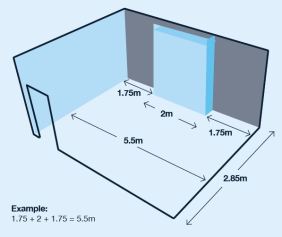
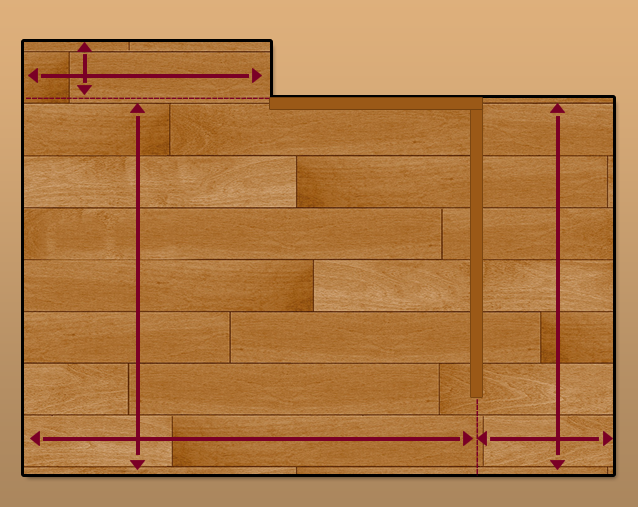
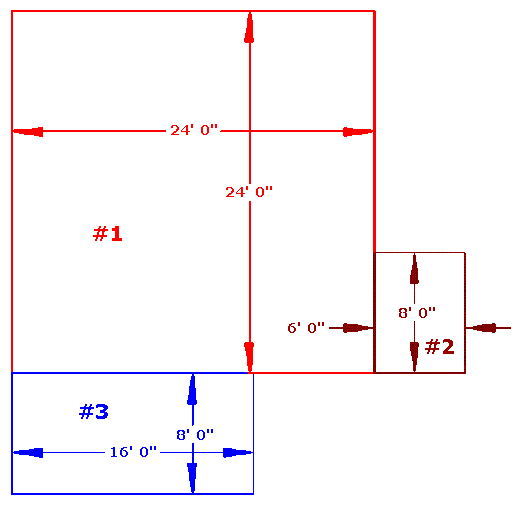
Rooms can have odd shapes. Break the room into smaller rectangles. Measure each rectangle separately. Add these measurements together. This gives the total area. Be careful with corners and curves. Use the tape measure to follow the curve. Note each measurement carefully. Precision matters with irregular shapes. Double-check every number. This helps avoid errors in your final calculation.

Calculating Square Footage
Measure the length of the room first. Write it down. Then, measure the width. Write that too. Multiply the length by the width. This gives the square footage. It’s simple math. Easy to follow.
For a room, use a measuring tape. Measure the longest side for length. Then measure the other side for width. These numbers are important. Write them clearly. Use them for calculations. Square footage is found using these numbers.
Flooring needs extra materials. Add 10% more for waste. This covers mistakes and cuts. Measure carefully. Add this percentage to your total. It ensures you have enough. Mistakes happen. Be prepared.
Special Considerations
Doorways can be tricky. You need to measure them carefully. Use a tape measure to get the right size. Remember to include door frames. This ensures the flooring fits well. Hallways are often narrow. Measure their length and width. Do not forget any corners. Even small spaces matter. Write down all numbers. This helps you later.
Built-in fixtures need special attention. Measure around them with care. Fixtures like cabinets or fireplaces can’t be moved. Note their size and shape. This ensures you buy enough flooring. Don’t overlook tiny spaces. Use a ruler for small parts. Keep all measurements handy. These numbers help when you shop for materials.
Double-checking Measurements
Always take a second measurement. This helps ensure accuracy. Small mistakes can lead to big problems. Use a tape measure again. Check each wall’s length and width. Write down each number. Compare them to your first notes. If they match, you did it right. If not, measure again. Accuracy is key for a good fit. Double-checking can save time and money.
Blueprints are helpful tools. They show the room’s design. Compare your measurements with the blueprint. Make sure they match closely. If not, find out why. Check for errors or changes in the room. Blueprints help confirm your measurements. Use them for the best results. This step avoids costly mistakes later.
Choosing The Right Flooring
Picking the right flooring is important. Each room has different needs. For a kitchen, use durable materials. Tile or vinyl are good options. Bedrooms need comfort. Carpet or wood work well. Bathrooms need water-resistant floors. Tile or laminate are best. Think about the room’s usage.
Living rooms see much foot traffic. Choose a strong flooring like hardwood. Basements can be damp. Use materials like vinyl or concrete. Matching the material with the room’s use is key. It helps in making the right choice.
Frequently Asked Questions
How Do I Calculate Room Square Footage?
To calculate square footage, measure the room’s length and width in feet. Multiply these numbers together. For irregular rooms, divide them into rectangular sections and measure each. Add all the areas together for the total square footage. This measurement helps determine how much flooring material you’ll need.
What Tools Do I Need For Measuring?
For measuring a room, you need a tape measure, a notepad, and a pen. A laser measure can be useful for larger spaces. Having a calculator or smartphone will help you easily compute the total area. These tools ensure accurate measurements for your flooring project.
How Do I Measure Irregular Shaped Rooms?
For irregular rooms, divide the room into rectangular sections. Measure each section’s length and width. Calculate the area for each section and add them together. This method provides an accurate total square footage. Use graph paper to sketch the room layout for better visualization.
Why Is Accurate Measurement Important For Flooring?
Accurate measurements ensure you purchase the right amount of flooring. Buying too little can delay your project. Buying too much can waste money. Precise measurements prevent errors and ensure a smooth installation process. It also helps in estimating costs and reducing material waste.
Conclusion
Measuring a room for flooring is a straightforward task. Start with a tape measure. Write down the room’s length and width. Multiply these numbers for the total square footage. Consider extra space for errors. Double-check your measurements. Mistakes can be costly.
Knowing the room size helps in buying flooring. You save time and money. Accurate measurements ensure a perfect fit. Floors transform spaces, so measure wisely. With the right tools and steps, measuring is simple. Just follow the process. Your new flooring will fit perfectly.
Enjoy your newly updated space!