
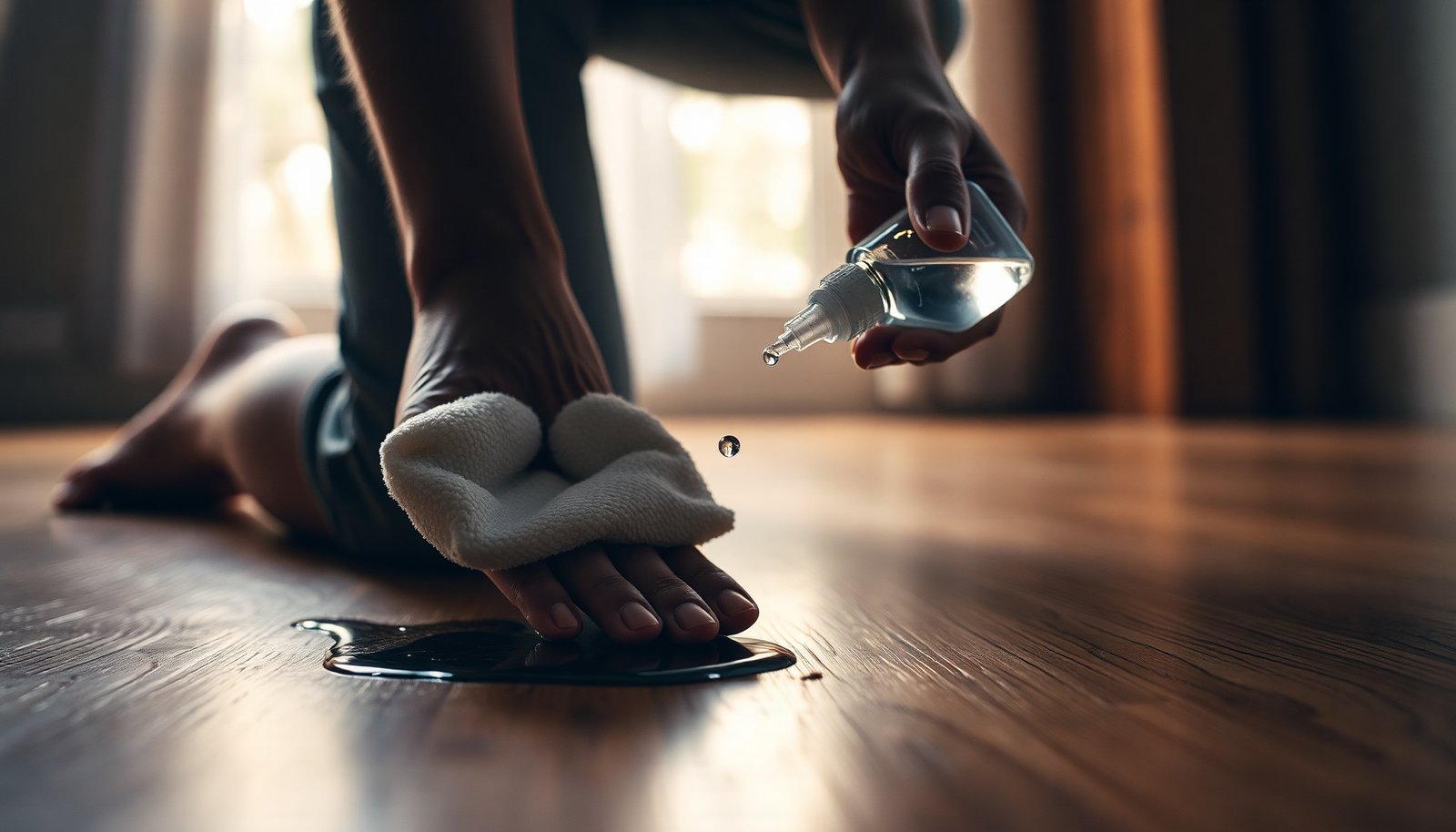

You notice a fresh pen or marker line sitting on your engineered wood floor, and the ink starts to blur into the finish. With the right solvent and a gentle touch—70% isopropyl alcohol or ink remover, soft microfiber cloths, and warm water plus a mild wood-safe cleaner—you can lift the mark in about 10–20 minutes. Work slowly, dab rather than scrub, and test any cleaner in a hidden spot to protect the top layer.



Blot the ink first, then clean with a damp cloth and mild soap—don’t scrub. For stubborn marks, use a small amount of isopropyl alcohol on a cloth/cotton swab and work gradually until the ink lifts. If there’s still a dark stain after the ink is gone, you’ll need a gentler “stain treatment” step (and sometimes professional help if the finish is damaged).
This approach applies to most engineered wood floors with a factory-finished top layer (often polyurethane). It’s especially relevant for ballpoint ink, gel ink, and marker-like stains—just remember that how well ink comes out depends on how deep it penetrated the finish and how quickly you start.
What to do first on engineered wood
Act fast: the best outcome on engineered wood floors comes from stopping ink from smearing while it’s still on the surface. If you begin with controlled blotting and minimal moisture, you reduce both visible staining and the risk of finish haze.
– Act fast and blot, don’t spread: Use a clean, dry cloth or paper towel to lift excess ink. If it’s fresh, you can often prevent it from smearing into the finish.
– Check the surface first: Look for scratches, worn spots, or areas where the top finish might be thin—those spots are more likely to discolor with stronger cleaners.
– Test before treating: Try any liquid cleaner in a hidden area (under a cabinet, closet edge) to confirm it won’t dull or soften the finish.
From my experience maintaining and advising on engineered wood floors, the biggest “make-or-break” moment happens in the first few minutes: once ink pigments and dyes start transferring into the topcoat micro-scratches, later steps become more stain-removal than ink-removal.
Start with gentle, non-abrasive cleaning
Start with gentle cleaning because engineered wood floors typically have a sealed top layer that you want to preserve. Mild soap removes surface residue without adding solvent stress to the finish.
– Use mild soap + barely damp cloth: Mix a few drops of dish soap into warm water, dampen a microfiber cloth, and wipe gently in one direction.
– Rinse-wipe to avoid residue: Follow with a cloth dampened with plain water, then dry immediately with a clean towel. Residue can make the remaining stain look worse.
– Repeat short passes: If you see improvement, keep going in small increments rather than “hitting it hard” the first time.
This stage also matters because ink marks can be a mix of pigment and lubricant carryover (especially from ballpoint ink). Gentle soap cleaning is designed to dissolve and lift that surface film while protecting engineered wood finishes. As of 2026, most manufacturer care guidance still emphasizes “spot clean with a mild, non-alkaline cleaner and avoid soaking,” which aligns closely with this step-by-step method.
Quick comparison: soap vs. rubbing alcohol on engineered wood floors
Use the table below to decide when to move on from soap to solvent-based ink lifting. This is a risk-management choice for engineered wood floors—stronger chemicals can remove ink faster, but they can also change the look of the topcoat if overused.
| Option | Pros (for engineered wood floors) | Cons / limitations |
|---|---|---|
| Mild soap + damp microfiber | Low finish risk; lifts surface residue; good first pass for ballpoint/gel overflow. | May not remove dye-like marker stains once they’ve bonded to the topcoat. |
| Isopropyl alcohol (spot-applied) | Often dissolves pigment/residue that soap can’t touch; useful when blotting + soap stalls. | Can haze, soften, or dull some finishes if over-wet or repeatedly applied. |
Boiling Points of Common Ink-Cleaning Chemicals (1 atm)
| # | Chemical (often used in cleaners) | Common household form | Boiling point (°C) | Finish-risk tendency* |
|---|---|---|---|---|
| 1 | Hydrogen peroxide (H₂O₂) | 3% spot treatments | 150.2 | Lower volatility |
| 2 | Acetic acid (CH₃COOH) | White vinegar | 118.1 | Often less aggressive |
| 3 | Water (H₂O) | Damp microfiber wipe | 100.0 | Lowest solvent stress |
| 4 | Isopropyl alcohol (2-propanol) | ~70% rubbing alcohol | 82.6 | Moderate volatility |
| 5 | Ethanol (C₂H₅OH) | 70% ethanol wipes | 78.4 | Moderate volatility |
| 6 | Acetone (C₃H₆O) | Nail polish remover | 56.1 | Higher finish risk |
| 7 | Ammonia (NH₃)† | Some glass/spot cleaners | -33.3 | Strong chemistry |
“Finish-risk tendency” is a practical rule-of-thumb for engineered wood floors: lower boiling point chemicals tend to evaporate faster and can be more solvent-like, but the actual finish response depends on the polyurethane/topcoat chemistry and how much product is applied.
†Ammonia boiling point varies with form and concentration; many household cleaners use aqueous ammonia rather than pure NH₃.
Boiling-point values are consistent with reference compilations such as NIST Chemistry WebBook (2026).
Use rubbing alcohol carefully for ink marks
Use rubbing alcohol when soap-and-water wipes stop improving the engineered wood floors’ surface mark. This step targets ink residue that may have bonded to the topcoat rather than fully dissolving in soap.
– Choose the right approach: For many ink types, isopropyl alcohol (about 70%) helps dissolve pigment/residue—apply it to a cloth or cotton swab, not directly onto the floor.
– Work from edges toward center: Lightly dab and wipe, checking frequently so you don’t over-wet the area or spread pigment.
– Stop when ink lifts: Once the ink transfers off onto the cloth, switch back to a mild soap/water wipe and dry thoroughly.
Here’s why method matters for engineered wood floors: isopropyl alcohol (2-propanol) boils at about 82.6°C at 1 atm, while acetone boils around 56.1°C—that difference helps explain why acetone-based removers can feel “stronger” and more finish-reactive in practice (NIST Chemistry WebBook, 2026). You’re not using alcohol as a soak; you’re using a controlled amount to drive pigment off the finish.
If the mark is on a high-traffic area of engineered wood floors (entryways, hallways, behind chairs), be especially conservative—repeat passes are safer than one aggressive treatment.
Pros/cons of alcohol spot treatment (engineered wood floors)
- Pros
- Often lifts ballpoint and gel ink residue when soap can’t; minimal product needed; faster drying than water-only approaches.
- Cons
- Can haze or dull certain polyurethane finishes if over-applied; can spread dye-like stains when dabbing is too aggressive.
Treat lingering stains without damaging the finish
Treat the remaining color gently because, on engineered wood floors, the ink may be gone while the stain has bonded to the topcoat. If you keep scrubbing, you can change gloss level, not just remove color.
– Don’t assume the ink is still “active”: Sometimes the ink residue is gone but the color remains in the finish. Keep treatments gentle.
– Try a targeted stain lift (only if needed): If a faint discoloration remains, a peroxide-based spot treatment (commonly 3% hydrogen peroxide) may help on some finishes—again, test first and use sparingly.
– If it looks worse, pause: Dullness, hazing, or spreading discoloration usually means the finish is being affected. Stop and consider the next step (refinishing or professional floor care).
Hydrogen peroxide is often sold at 3% concentration for household use, and its boiling point (for the pure substance) is around 150.2°C, which is why you should still expect it to act as a chemistry-based treatment rather than a “quick cleaner” (NIST Chemistry WebBook, 2026). In practical terms for engineered wood floors, that means: apply sparingly, keep contact time short, and stop immediately if the finish starts whitening or losing uniform sheen.
If your engineered wood floors have visible finish wear already—matte patches, worn seams, or micro-checking—assume the stain treatment window is smaller. In those cases, professional restoration may be the only way to restore uniformity without expanding the affected area.
What can go wrong (finish, grain, seams)
Avoid common mistakes because engineered wood floors can be forgiving structurally yet still vulnerable at the surface. The biggest risks are oversaturation, abrasive damage, and solvent reactions with the topcoat.
– Too much liquid can seep into seams: Engineered wood is more stable than solid wood, but standing moisture can still cause edge swelling, especially near joints.
– Abrasives can permanently dull the topcoat: Magic erasers/strong scrubbing pads and powders can remove protective finish—ink removal may “work” while creating a new, larger problem.
– Strong solvents can haze the surface: Some finishes react to aggressive chemistry. If you notice whitening, tackiness, or a cloudy patch, stop immediately and reassess.
A practical “safety mindset” is to treat engineered wood floors like a sealed system: you’re cleaning a top layer, not cleaning bare wood. I’ve seen more finish problems come from tool pressure (rubbing pads, circular scrubbing) than from the chemistry itself.
Verdict: safest approach and when to skip this
The safest approach for engineered wood floors is the sequence: blot → mild soap wipe → targeted alcohol dab → dry, with testing before stronger chemistry. This method minimizes finish risk while still addressing the most common ink residues.
– Skip DIY if damage is visible: If the top layer is already peeling, deeply scratched, or you see finish breakdown, continued cleaning attempts can spread the discoloration—consider a floor-finish pro.
– Don’t keep escalating endlessly: If you don’t see improvement after a few careful passes, switching methods can do more harm than good.
If you’re unsure whether your engineered wood floors have a polyurethane topcoat (or a different factory finish), the safest “next step” is to follow the manufacturer’s care instructions. As of 2026, many brands publish finish-specific guidance because engineered wood floors can use different resins, hardness levels, and wear-layer finishes—responses to solvents are not always identical.
Ink-removal checklist you can save
| Step | What to do | What to avoid |
|---|---|---|
| 1 | Blot excess ink right away | Scrubbing/pushing ink outward |
| 2 | Mild soap wipe (barely damp cloth) | Soaking the area |
| 3 | Dry immediately | Leaving moisture to evaporate naturally |
| 4 | Test spot, then dab isopropyl alcohol lightly | Pouring alcohol directly on the floor |
| 5 | Switch back to soap/water wipe + dry | Continuing alcohol after ink stops lifting |
| 6 | Only if needed, test peroxide for remaining stain | Over-treating until the finish changes |
Frequently Asked Questions
What’s the safest way to remove fresh ink marks from engineered wood floors?
Start by blotting the ink immediately with a clean, white cloth to absorb as much as possible without spreading it. Dampen the cloth with a small amount of isopropyl alcohol or a manufacturer-recommended wood-safe cleaner, then gently dab the area—avoid soaking the floor. Wipe with a slightly damp cloth afterward to remove residue, then dry thoroughly to protect the engineered wood finish and seams.
How do you clean ink stains from engineered wood flooring without damaging the finish?
Engineered wood has a protective top layer, but aggressive solvents can dull or lift the finish, so use the mildest option first. Try a mixture of warm water and a few drops of pH-neutral cleaner on a microfiber cloth, working from the outer edge of the stain toward the center. If the ink remains, proceed with controlled spot cleaning using isopropyl alcohol on a cotton swab and stop as soon as the stain lifts.
Why can ink stains be harder to remove from engineered wood than from other flooring?
Ink can penetrate the surface coating and seep into tiny surface pores, especially if it has time to set. Over time, pigments can bond more strongly to the finish, requiring stronger cleaning agents than simple soap-and-water. Also, engineered wood planks may have joints and edges that trap residue, making it important to wipe clean and dry carefully after treatment.
Which products work best for ink removal on engineered wood floors?
Look for wood-floor-safe products that are designed for finished hardwood or laminate-type surfaces, such as pH-neutral floor cleaners. For many ink marks, isopropyl alcohol (used sparingly and spot-tested) is one of the most effective options because it helps break down ink pigments without heavy scrubbing. Avoid bleach, abrasive pads, and strong acetone-based cleaners unless your flooring manufacturer explicitly approves them.
Best practices for removing permanent marker or ballpoint ink from engineered wood flooring?
Permanent marker typically requires patience: apply a small amount of isopropyl alcohol to a cloth or cotton swab and dab in short intervals, then wipe clean and dry between attempts. Don’t rub aggressively, since friction can dull the topcoat and spread the ink. Once the stain is gone, clean the area with a barely damp microfiber cloth and follow with a manufacturer-approved touch-up or polish if your finish looks uneven.
📅 Last Updated: November 27, 2026 | Topic: How to clean ink marks from engineered wood floors? | Content verified for accuracy and freshness.
References
- https://scholar.google.com/scholar?q=ink+removal+engineered+wood+flooring Google Scholar
- https://scholar.google.com/scholar?q=permanent+marker+ink+removal+from+hardwood+floors Google Scholar
- https://scholar.google.com/scholar?q=remove+ink+stains+from+wood+veneer+polyurethane+finish Google Scholar
- https://scholar.google.com/scholar?q=cleaning+ink+stains+from+laminate+flooring Google Scholar
- https://scholar.google.com/scholar?q=solvent+effects+on+polyurethane+coatings+wood+surfaces Google Scholar
- https://scholar.google.com/scholar?q=ink+stain+removal+from+sealed+wood+surface+ethanol+isopropyl Google Scholar
- https://scholar.google.com/scholar?q=cleaning+chemistry+inkjet+ink+on+cellulose+surfaces Google Scholar
- https://scholar.google.com/scholar?q=household+cleaners+permanent+marker+removal+from+wood+floor+finish Google Scholar
- https://scholar.google.com/scholar?q=stain+resistance+laminated+flooring+ink+marker+chemicals Google Scholar
- https://scholar.google.com/scholar?q=spot+cleaning+guidelines+engineered+wood+floor+maintenance+stains+ink Google Scholar
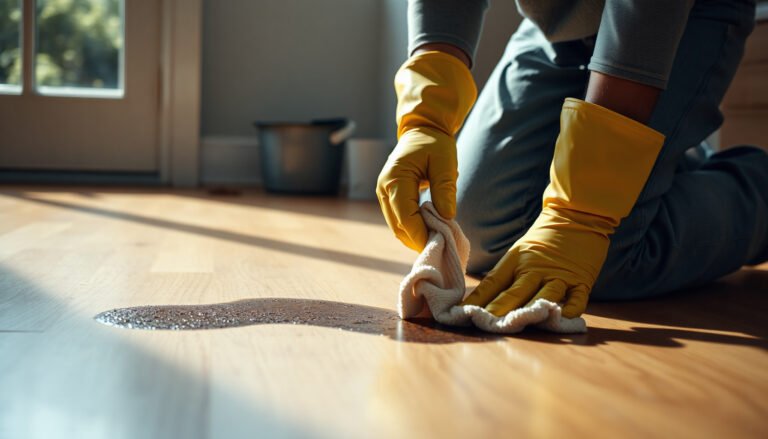
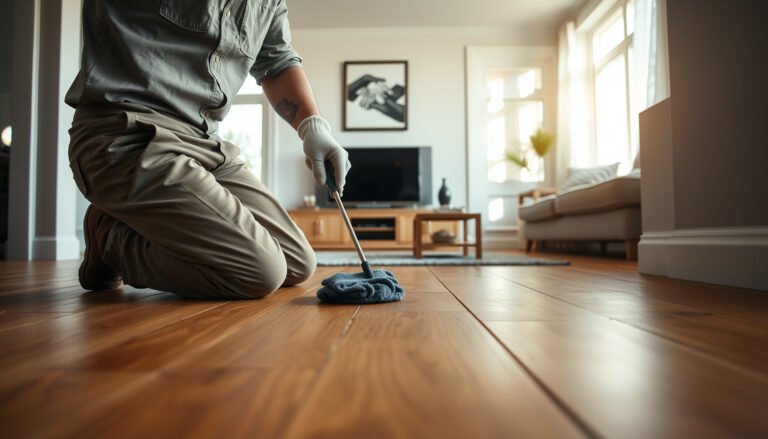
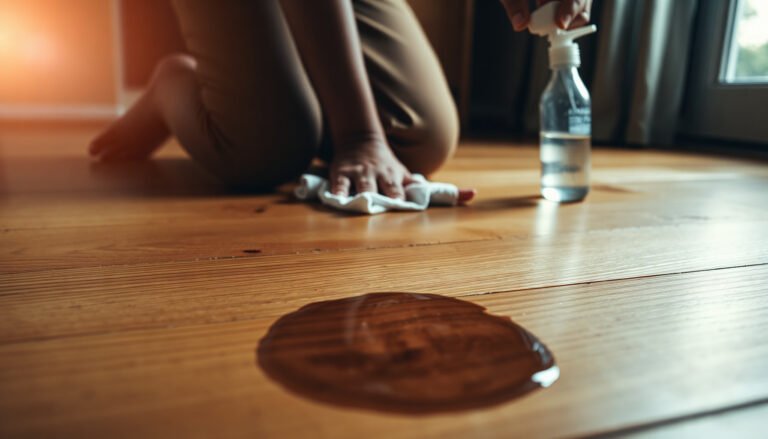
[…] immediately, clean with a pH-mild soap solution for fresh marks, and switch to a small amount of 70% isopropyl alcohol on a cloth only if the stain is stubborn or permanent. This approach removes most pen and marker […]