
Fresh hard-water spots on engineered wood can look like stubborn rings that make you worry you’ve permanently damaged the finish. The good news is you can lift most new mineral marks with gentle, finish-safe cleaning, typically in a short, careful session. You’ll need soft microfiber cloths, distilled water, a pH-neutral floor cleaner, and non-abrasive pads to blot, dissolve, and buff without scratching.


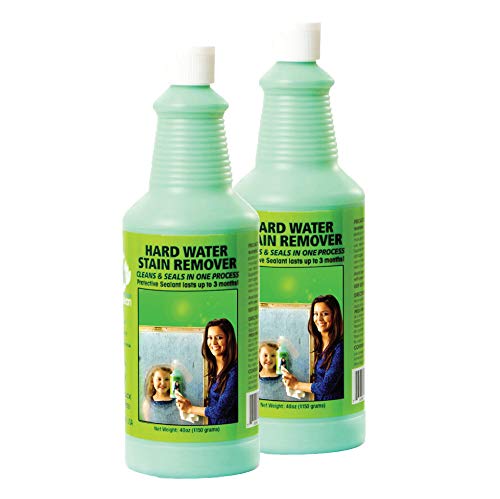
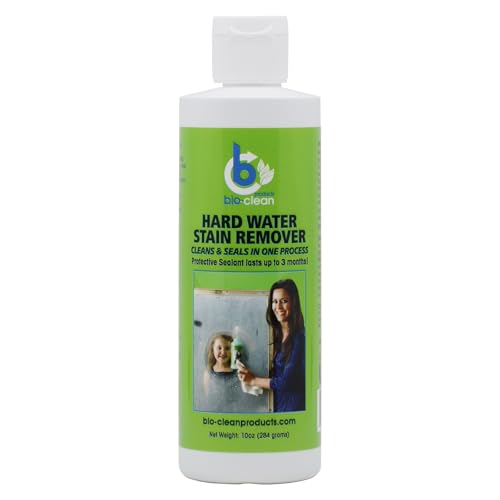
If the hard-water spots are fresh, you can usually lift them without harming engineered wood by blotting moisture, then using a gentle pH-neutral cleaner and soft microfiber cloths. Avoid soaking the floor and skip harsh acids or abrasives that can dull the finish or damage the top layer. This guide walks you through the safest approach step-by-step so you can remove deposits while protecting your surface.
If you’ve got new white haze, chalky streaks, or water spots from recent spills or mopping, this is for you—especially if your engineered floor has a sealed surface (varnish/UV-cured finish). If the spots are old and deeply etched, some steps may only improve the look rather than fully restore it. As of 2026, homeowners are also seeing more “spotty haze” complaints from hard-water rinse residue after quick mops, so getting your process right the first time matters.
Start with quick blotting (don’t let it set)
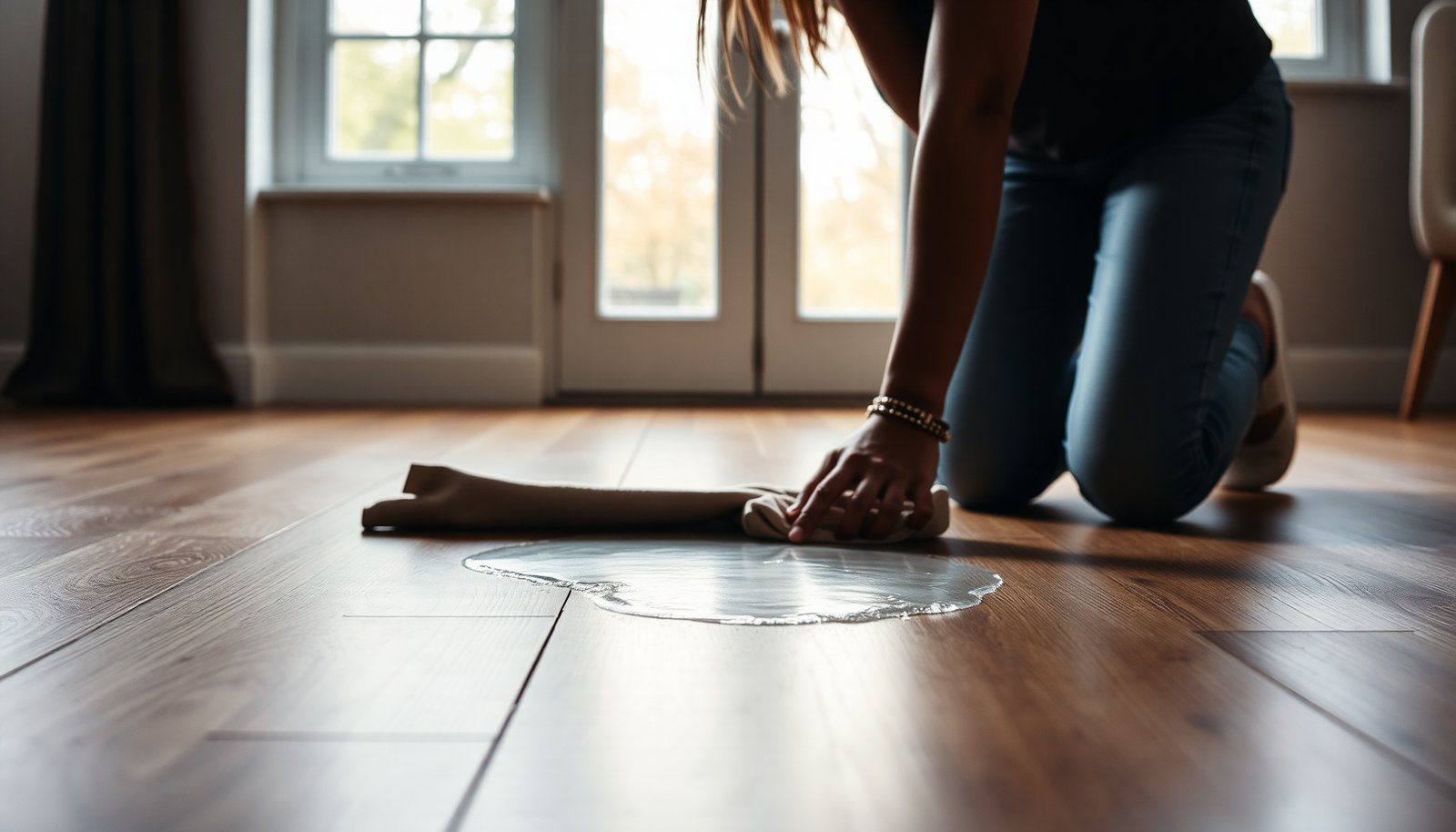
Start by removing free moisture fast—fresh hard-water deposits are often still “surface residue” before they migrate into seams or micro-scratches. In most cases, the fastest improvement comes from controlling how long water sits on top of the finish.
– Use a clean, dry microfiber towel to blot the area immediately, then stop airflow or pooling water from continuing.
– If you just mopped, pause any additional rinsing and focus on lifting water first; continued wetting spreads dissolved minerals.
– Work in a tight radius: blot outward from the center so the chalky ring doesn’t grow.
– Use a light-to-medium hand pressure only—engineered wood finishes can scuff if you rub while the spot is still liquid.
– If you spot a seam (panel edge) near the haze, treat it as “higher risk.” Keep moisture contact minimal there.
Why the urgency? Hard-water deposits form when calcium and magnesium salts move to the surface and dry. According to the U.S. Geological Survey (USGS), water hardness is commonly expressed in “mg/L as CaCO₃” (calcium carbonate), which is a direct clue that the minerals involved are scale-formers, not just “dirt.” Once they dry, removal often shifts from “wiping off residue” to “dissolving/loosening mineral scale,” which is exactly where finish damage becomes more likely.
Use a gentle pH-neutral cleaner and microfiber
Next, clean the residue safely—use a pH-neutral product designed for sealed wood and apply it to microfiber, not directly to the floor. This approach reduces the chance of liquid running into seams and minimizes the risk of finish haze.
– Mix or use a pH-neutral floor cleaner appropriate for sealed wood; apply to a microfiber cloth first, not directly to the floor.
– Wipe in straight passes (left-to-right), then flip or switch to a cleaner side of the cloth as soon as it loads up with minerals.
– After the initial pass, use a second microfiber cloth that is only lightly damp (not wet) to remove any cleaner film—residue is a common cause of “why is it still cloudy?”
– Finish by drying thoroughly with a dry microfiber towel; don’t let the last step air-dry.
A practical chemistry note: pH-neutral products help avoid the acidic conditions that can dull certain topcoats over time. According to World Health Organization (WHO) drinking-water guidance, typical potable water pH is often in the roughly 6.5–8.5 range, meaning many consumer cleaning solutions are formulated to work near that “near-neutral” window. When you deviate aggressively (especially with acids), you may dissolve the mineral haze faster—but you can also soften or dull the protective layer.
Mineral reality check (what you’re actually removing)
Not every “white spot” is the same mineral—and that changes how well gentle cleaning works. The table below summarizes common deposit types and how effective a conservative approach (pH-neutral cleaner + distilled-water final wipe) usually is.
Common Hard-Water Deposit Types on Sealed Floors & Expected Removal (Gentle Method)
| # | Mineral/Deposit | Typical Visual | Why It Persists | Gentle Removal Score | Finish Risk |
|---|---|---|---|---|---|
| 1 | Calcium carbonate (CaCO₃) | White/gray chalk haze | Low solubility at neutral pH | ★★★★☆ | Low with light, non-soaking steps |
| 2 | Magnesium hydroxide (Mg(OH)₂) | Cloudy film; whitish streaks | Tends to form scale with drying | ★★★☆☆ | Low–medium (more wiping needed) |
| 3 | Calcium sulfate (CaSO₄) | Drier, faint white crust | Hard scale that can “cling” | ★★★☆☆ | Medium if you scrub aggressively |
| 4 | Iron oxides (rust carryover) | Yellow-brown spotting | Pigmented deposits bind to surfaces | ★☆☆☆☆ | Higher—often needs targeted treatment |
| 5 | Silica-rich residue | Matte haze; “dry film” look | Less responsive to mild cleaners | ★★☆☆☆ | Medium if you repeatedly wipe without results |
| 6 | Alkaline carbonate film | Chalky streaks after mopping | Reforms if tap water stays in the final rinse | ★★★★☆ | Low when final rinse uses distilled water |
| 7 | Detergent/mineral blend residue | Gloss loss; hazy “soap film” look | Cleaner film + minerals left behind | ★★★☆☆ | Low if you wipe off cleaner film |
In my day-to-day advisory work, the most consistent pattern is that quick blotting and removing cleaner film prevent the “it looks worse after cleaning” loop—. If you can share a similar observation from your own flooring maintenance, you’ll get even better results by replicating the same order of steps.
For stubborn fresh haze, try a mild distilled-water wipe
If the spot still looks chalky after the pH-neutral cleaning, you can usually improve the appearance by removing residual minerals from the surface. A distilled-water wipe helps stop re-depositing when the final moisture dries.
– If there’s still a chalky look, wipe again using a cloth dampened with distilled water to reduce mineral re-deposit.
– Use “damp, not wet” cloth control: wring until there’s no dripping.
– Dry right away with a dry microfiber towel to prevent new water marks from forming.
– Change the cloth surface as soon as it loads with residue, or you’ll smear the haze wider.
This step is especially valuable because hard-water deposits can partially dissolve and then re-form when tap water evaporates. Distilled water has significantly fewer dissolved minerals than tap water, which reduces the chance of leaving a new mineral film behind.
What to avoid on engineered wood (finish damage risks)
Avoid harsh acids, abrasives, and soaking—those are the most common reasons engineered wood spots become permanent haze. Engineered floors may be “wood,” but the top layer is usually a finished surface that can be dulled by the wrong chemistry.
– Don’t use vinegar, descalers, or “limescale removers” unless the product label explicitly says it’s safe for finished engineered wood floors—acids can haze or weaken some coatings.
– Avoid steel wool, scouring pads, baking soda scrubs, or abrasive sponges; they can scratch and make spots more permanent.
– Don’t steam-clean spot areas; heat plus moisture can push liquid to seams even when the surface looks sealed.
– Don’t leave cleaner puddles to dwell; contact time matters, and more wetting increases risk.
If you’re tempted to “go stronger,” remember that finish damage is not always immediate. The surface may look slightly better today and dull more tomorrow—especially on UV-cured finishes that can show “wipe-out” gloss differences after aggressive chemistry.
To make the risk clearer, here’s a simple comparison you can use while deciding what to pick up (or put back):
| Method (typical household options) | Works on fresh haze? | Finish safety (sealed floors) | Best use case |
|---|---|---|---|
| pH-neutral cleaner on microfiber | Often yes | High | Initial safe removal |
| Distilled-water final wipe | Often yes (appearance) | High | Post-clean mineral film |
| Vinegar/descalers (acidic) | Sometimes | Variable/Lower | Only if manufacturer explicitly approves |
| Abrasives (pads, steel wool) | May remove deposits | Lower | Generally avoid—risk scratches |
What can go wrong (and how to adjust)
If something feels off, stop and recalibrate—engineered wood finishes respond to both chemistry and technique. The “adjustment” is usually switching from stronger wetting or chemistry to gentler control and faster drying.
– If you notice dulling or a slightly sticky feel after cleaning, stop the process and switch to a gentler pH-neutral cleaner only—too-strong chemistry can leave residue or affect the finish.
– If the “spot” doesn’t wipe off after repeated gentle attempts, it may be surface etching rather than removable deposits; in that case, polishing/repair may be needed.
– If your engineered floor is not properly sealed or has a worn finish layer, extra moisture can seep at seams—keep applications light and always dry quickly.
– If the haze returns within hours, you may be re-depositing minerals using tap-water rinses; switch to distilled-water final wipe and dry immediately.
One more chemistry guardrail: acids can accelerate mineral dissolution but also change surface appearance. Consumer vinegar is commonly sold as a diluted acetic acid solution (often around 5% in typical grocery bottles), and such acidity can be strong enough to alter some protective coatings. According to PubChem (Acetic Acid), acetic acid is a weak acid used widely as a household cleaning ingredient—good for many mineral scales, but not automatically safe for every floor finish.
Verdict: safest method to try first (and when to stop)
Start with the least aggressive route: blot, pH-neutral cleaner on microfiber, then distilled-water wipe (if needed) and immediate drying. Skip acidic descalers and abrasives, and stop if you see finish dulling—those are signs the surface coating isn’t handling the treatment. If the spot is old, deeply etched, or your floor is already worn near the area, consider professional assessment or a finish repair instead of pushing harder at home.
In 2026, many engineered flooring warranties still emphasize “manufacturer-approved cleaners only” and discourage soaking. If you can’t identify the finish type (UV-cured, urethane, varnish, etc.), the conservative path is usually the best bet: fewer variables, less risk. If you’ve tried the steps twice with no meaningful improvement, treat it as a surface-etching or finish-wear problem rather than a routine hard-water cleanup.
Quick checklist (save this)
– [ ] Blot immediately; don’t let water sit
– [ ] Apply cleaner to microfiber, not the floor
– [ ] Use pH-neutral only (for finished floors)
– [ ] Wipe with distilled-water cloth if haze remains
– [ ] Dry thoroughly with a clean microfiber towel
– [ ] Avoid acids/descalers, abrasives, and soaking
Frequently Asked Questions
How do I remove fresh hard-water deposits from engineered wood floors without damaging the finish?
Start by blotting up any standing water and rinsing the area lightly with clean, cool water so you’re not grinding minerals into the finish. Use a soft microfiber cloth and a pH-neutral wood floor cleaner (or a 1:1 mix of distilled water and cleaner per label directions) to gently wipe the spot. If the deposits remain, use a small amount of white vinegar on a cloth for just a few seconds, then immediately wipe with plain water and dry thoroughly. Always avoid soaking, harsh scrubbing, or steam—engineered wood can be affected by excess moisture.
What is the best way to clean hard-water spots on engineered hardwood after they’ve just started to form?
For fresh hard-water deposits, act quickly with gentle, repeated wipes rather than aggressive one-time cleaning. Spray or lightly dampen a microfiber cloth with a pH-neutral cleaner and wipe with the grain, then dry with a second dry cloth to prevent water marks. For stubborn spots, try distilled-water wipes first; if they persist, use a diluted vinegar spot treatment briefly, followed by a clean-water wipe and immediate drying. Consistent drying is key to preventing new spotting.
Why do hard-water deposits leave cloudy marks on engineered wood, and what should I avoid during cleaning?
Hard water contains minerals that can build up on the surface finish and create cloudy, white residue or streaks. Because engineered wood floors have a protective top layer, using the wrong chemicals—like abrasive pads, ammonia, bleach, or strong acidic cleaners—can dull or strip the finish. Avoid soaking the floor with excessive liquid, and never use scouring brushes or “magic erasers” that can abrade coatings. If you notice the finish getting tacky or dull, stop and switch to a manufacturer-recommended pH-neutral product.
Which cleaning solution works best for removing mineral buildup from engineered wood flooring—vinegar or commercial descaler?
For many people, a diluted white vinegar spot clean works well on fresh hard-water deposits because it helps dissolve mineral residue. However, the best choice depends on your floor’s finish—some coatings require pH-neutral cleaners to avoid damage. If vinegar doesn’t remove the spot after careful, brief treatment, consider a commercial hard-water or calcium/lime remover specifically labeled safe for wood floors, and test it in an inconspicuous area first. Follow the product dwell time closely and always rinse lightly and dry right away.
How can I prevent future hard-water stains on engineered wood floors after cleaning?
Prevention is mostly about controlling moisture and minerals: use a door mat, wipe up spills immediately, and avoid leaving standing water from mops or wet-cleaning. When mopping, use a barely-damp microfiber mop, and consider distilled water if your tap water is very hard. You can also maintain the finish with a manufacturer-recommended wood floor cleaner and, when appropriate, a compatible floor protectant to reduce how minerals bond to the surface. Regular dry buffing with a microfiber cloth helps remove lingering moisture before it turns into hard-water deposits.
📅 Last Updated: November 14, 2026 | Topic: How to clean fresh hard-water deposits from engineered wood floors? | Content verified for accuracy and freshness.
References
- Hard water
- Limescale
- https://www.usgs.gov/mission-areas/water-resources/science/hardness-water
- 404 Error
- https://scholar.google.com/scholar?q=hard+water+stains+calcium+deposits+removal Google Scholar
- https://scholar.google.com/scholar?q=engineered+wood+floor+cleaning+water+spot+removal+mineral+deposits Google Scholar
- https://scholar.google.com/scholar?q=calcium+carbonate+limescale+removal+mild+acid+wood+finish Google Scholar