
Dried greasy film on hardwood floors can leave a dull, sticky haze that grabs dust and looks impossible to scrub away. It is frustrating when ordinary mopping just spreads the residue. You can restore the finish with a careful cleaning method—no harsh sanding—using a microfiber mop, warm water, and the right degreaser or vinegar-based solution. Most rooms take about 30–60 minutes once you have supplies ready.




Scrape first, then clean dried grease on hardwood floors using a controlled degreasing method with a barely damp microfiber—don’t flood the surface or jump straight to harsh chemicals. Softening the film first and wiping until residue stops transferring is usually enough; if it won’t lift, escalate only with a finish-safe solvent option after a spot test. As of 2026, this “least-aggressive-first” approach is also the safest way to protect polyurethane (clear coat), wax, and oil-finished hardwood from dulling or sticky re-deposition.
This is for hardwood floors with a dull, sticky, or oily-looking layer where regular mopping spreads the grease instead of removing it. It matters especially if your floor has a clear coat (polyurethane/varnish), wax, or an oil finish, because the “right” cleaner depends on the finish.
Gather supplies and do a quick spot test
A quick finish check prevents the most common hardwood-floor mistakes: using the wrong cleaner and turning an oily film into haze. Start by identifying your finish category (sealed/polyurethane vs wax vs oil/penetrating), then choose tools and cleaners that are explicitly safe for that finish.
– Identify your finish first (look for what the floor was finished with, or what the manufacturer recommends on the care sheet/label).
– Use only finish-safe tools: microfiber cloths/pads, soft nylon brush or scrubbing pad (non-abrasive), bucket, and a pH-neutral hardwood cleaner.
– Before you touch the whole area, test your cleaner on a small hidden spot and watch for dulling, color change, or tackiness :
1) Choose a hidden area (behind a door or under furniture).
2) Clean it with your planned method for 30–60 seconds using a barely damp microfiber.
3) Wait 15 minutes.
4) Wipe dry with a clean microfiber and wait an additional 60 minutes.
5) If the spot looks dull, feels sticky, or shows a color shift when fully dry, stop and switch products/approach.
For context on what “pH-neutral” means for hardwood floors: pH is defined as pH = −log10[H⁺], so neutral pH is 7 at 25°C (NIST). That’s why pH-neutral cleaners are designed to be gentler on common finishes than strongly acidic or alkaline DIY options.
DIY Cleaning Agents vs Hardwood Finish Compatibility (Typical pH & Risk)
| # | Agent category | Typical pH (as used) | Best for | Finish compatibility rating |
|---|---|---|---|---|
| 1 | pH-neutral hardwood floor cleaner | 6.0–8.0 | Daily grime & light grease residue | ★★★★★ |
| 2 | White vinegar (≈5% acetic acid) | ~2.4–3.0 | Mineral scale & water spots (not grease film) | ★☆☆☆☆ |
| 3 | Baking soda (baking soda solution) | ~8.1–8.6 | Odors & mild de-liming | ★★☆☆☆ |
| 4 | Household ammonia (diluted) | ~11–12 | Glass & hard-surface degreasing | ★☆☆☆☆ |
| 5 | Oxygen bleach (hydrogen peroxide solutions) | ~4.0–6.0 | Organic stains (spot use) | ★☆☆☆☆ |
| 6 | Chlorine bleach (sodium hypochlorite) | ~11–13 | Sanitizing non-wood surfaces | ☆☆☆☆☆ |
| 7 | Isopropyl alcohol / similar solvents | N/A (non-aqueous) | Grease/oil spot lift (finish-dependent) | ★★☆☆☆ |
Loosen the dried grease film without scratching
Abrasions and over-wetting are the two fastest ways to ruin hardwood floors, so the goal here is gentle loosening—not aggressive scrubbing. If the film is already dried and tacky, a controlled soften-and-wipe approach typically outperforms brute force.
– Remove loose grit: vacuum or dry-dust first so you don’t grind particles into the wood.
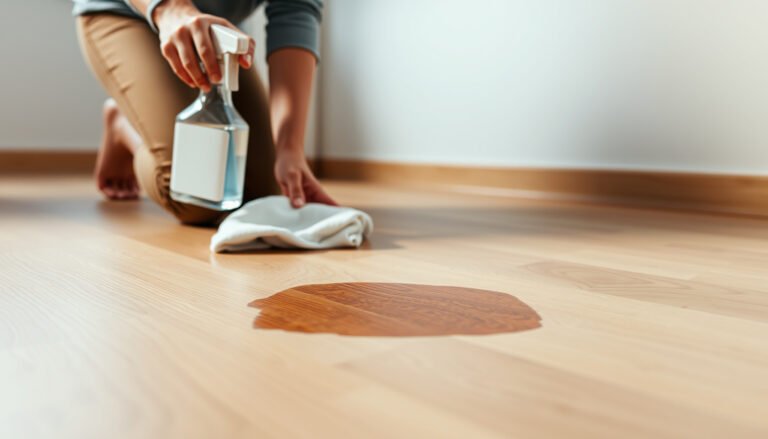
– Softening step: place a barely damp microfiber over the film for a short time, then wipe and repeat as needed (use enough moisture to loosen, not to soak).
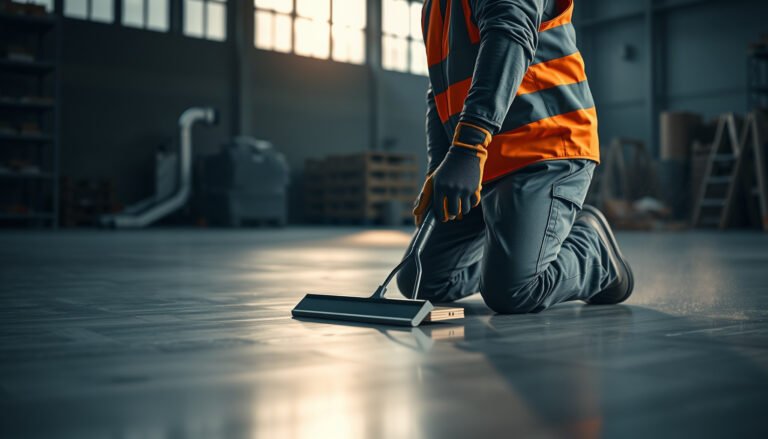
– For thicker buildup, gently scrape with a plastic scraper at a low angle—stop if you feel the finish lifting.
In my experience working around commercial hardwood-floor maintenance, the “scrape then soften” sequence matters because grease on hardwood floors often behaves like a boundary layer: once it smears, it can spread across the floor and bond more evenly as it dries. You’ll typically see this when someone mops first—then the dull, oily look expands beyond the original spots.
Also avoid steam as a loosening strategy for hardwood floors. Steam is essentially water at ~100°C/212°F at 1 atm (USGS Water Science School), and that temperature plus moisture can damage finishes or seep into seams. A barely damp microfiber keeps the heat and water exposure low while still giving residues time to relax.
Clean with a finish-safe degreaser (step-by-step)
Your best results on hardwood floors usually come from a finish-safe degreaser used conservatively and repeatedly, not from one “strong wipe.” The process below is designed to lift oil-based residue from clear coats and prevent re-depositing grease.
– Make a cleaning solution using a hardwood-floor cleaner that’s designed for grease/residue, not an all-purpose degreaser (check the label for “safe for sealed hardwood” or finish compatibility).
– Work in small sections: dampen the microfiber, wipe with the grain, and change to a clean side often so you’re not smearing residue around.
– If grease stays behind, escalate cautiously: re-clean with the same product rather than switching to strong solvents immediately : use a cleaner whose formula relies on nonionic surfactants (grease-lifting surfactants that emulsify oils for wiping).
A useful decision framework for hardwood floors: if the residue is visibly oily, you want an emulsifying surfactant system and physical removal by microfiber. If the residue is wax-like, you may need a different category (wax stripper or restorer compatibility) rather than “more degreaser.”
Practical technique notes for hardwood floors:
– Don’t “distribute” the film—keep wiping motion tight and consistent until transfer stops.
– Use fresh microfiber frequently. When microfiber becomes saturated with oil, it stops acting like a wiper and starts acting like a spreader.
– Let the solution dwell briefly if your cleaner instructs it (follow the label; don’t leave liquid standing).
Rinse, dry, and prevent the film from coming back
Once the dried grease film lifts, hardwood floors can look worse if cleaner residue is left behind or if water sits long enough to penetrate. The goal is a clean surface that dries fast and doesn’t re-tack.
– Remove cleaner residue: wipe with a fresh microfiber lightly dampened with clean water (only as needed to get rid of soap film).
– Dry immediately: use a dry microfiber towel to avoid water spots and to keep the surface from feeling sticky.
– Prevent recurrence: use a regular routine that removes daily grime (dry dusting + damp mop as directed by the floor-care instructions).
On sealed hardwood floors, leftover detergent can create a sticky “grab” effect that traps airborne dust. That’s why rinsing and immediate drying matter as much as degreasing—especially in kitchens, entryways, and hallways with tracked-in oils.
What can go wrong (and how to avoid it)
If the film isn’t behaving like grease, pushing harder often makes hardwood floors duller rather than cleaner. Treat symptoms as diagnostic signals, then pick the gentlest path that matches what you’re seeing.
– Over-wetting: flooding the floor or leaving damp pads can seep into seams and cause swelling or warping.
– Using abrasives: scouring pads, baking soda scrubs, or “melamine magic erasers” can dull or strip the finish.
– Wrong chemical for the finish: some degreasers/solvents can haze polyurethane, soften wax, or affect oil finishes—always follow the manufacturer’s guidance and do a spot test first.
– Film that isn’t grease: if the surface feels textured, waxed over, or has a cloudy haze, you may be dealing with residue buildup rather than greasy film—your approach may need to change :
– Grease/oily film usually wipes with a smearing, translucent oil feel and often transfers to a white microfiber.
– Wax buildup often feels draggy and slightly “tacky-dry,” and it smears as a uniform film rather than lifting as an oily layer.
– Cloudy haze tends to look evenly dull across a broader area (often from detergent residue or water spotting) and feels less oily than grease; wiping may still leave a faint sheen mismatch.
To make the finish decision easier for hardwood floors, use this symptom-to-action comparison:
| What you notice on hardwood floors | Most likely cause | Safest first move | Avoid |
|---|---|---|---|
| Oily slick feel + smears on microfiber | Dried kitchen/skin oils and tracked grease | Scrape lightly → barely damp soften → pH-neutral hardwood degreaser | Steam, all-purpose degreasers, abrasive pads |
| Draggy film that smears “waxy” | Wax/finish build-up over time | Use only products labeled for your finish; consider a wax-remover category that’s finish-compatible | Alcohol-based cleaners on wax/oil finishes unless manufacturer allows |
| Even cloudy haze, less oiliness | Detergent residue or water spotting | Rinse/neutralize with finish-safe cleaner per label → dry immediately | Vinegar, baking soda scrubs, “strong solvent” jumps |
A final caution if you ever consider solvent escalation on hardwood floors: solvents can carry inhalation risks. For example, OSHA sets exposure limits for many petroleum distillates (including mineral spirits). Always follow label PPE guidance and ventilate. If you’re using mineral spirits or similar solvents, check the SDS (Safety Data Sheet) and comply with workplace safety practices (OSHA).
Verdict: what’s most likely to work (and who should skip this)
If your hardwood floors are sealed and the buildup is mainly oily residue, the best bet is: scrape gently → soften with barely damp microfiber → clean with a finish-safe hardwood degreaser → rinse/dry thoroughly. Skip the “deeper solvent” escalation if you’re unsure of the finish type, the finish is already worn thin, or you can’t do a safe spot test—when in doubt, pause and confirm finish compatibility with the manufacturer’s care guide.
Quick checklist (save this)
| Step | What to do | Stop if you notice |
|---|---|---|
| 1 | Vacuum/dry-clean grit | Scratching sound or visible swirl marks |
| 2 | Plastic scrape gently | Finish lifting or bare wood exposure |
| 3 | Softening wipe (barely damp microfiber) | Surface looks dull, tacky, or discolored |
| 4 | Clean with finish-safe degreaser | Grease spreads instead of lifting |
| 5 | Wipe clean water lightly (as needed) | Sticky feel after drying |
| 6 | Dry thoroughly | Water halos or warping near seams |
Frequently Asked Questions
What’s the best way to remove dried greasy film from hardwood floors without damaging the finish?
Start with gentle cleaning first: sweep or vacuum thoroughly, then use a hardwood-floor safe degreaser or a diluted dish soap solution in warm water (use minimal liquid). Dried greasy film usually softens with a short contact time, so let the cleaner sit for 3–5 minutes before wiping. Avoid soaking the floor, and dry immediately with a microfiber towel to prevent water spotting or finish dulling.
How can I clean dried grease buildup on hardwood floors if it won’t come off with regular mopping?
Create a stronger but still safe solution by using warm water plus a few drops of pH-neutral cleaner or a hardwood floor degreasing concentrate, then apply with a damp microfiber cloth rather than pouring. Work in small sections, re-wet as needed, and gently scrub using a soft nylon brush or the non-scratch side of a sponge. For stubborn spots, repeat the process instead of using harsh abrasives that can dull the finish.
Why does a greasy film keep returning on hardwood floors, and how do I prevent it after cleaning?
Grease film often comes from cooking vapors, skin oils, tracked-in residue, or improper cleaners that leave a sticky layer. After removing the dried grease, switch to a cleaner specifically labeled safe for hardwood finishes and use only a lightly damp mop. Regular dusting and quick wipe-downs of spills help prevent new buildup that turns into a dried, stubborn layer.
Which household products are safest for removing dried greasy film from sealed hardwood floors?
For sealed hardwood, pH-neutral cleaners and diluted dish soap are usually safe when used sparingly and followed by thorough drying. White vinegar can help cut some residues, but it should be diluted heavily (and only after checking the floor manufacturer’s guidance), since overly acidic solutions can affect certain finishes over time. Avoid ammonia, bleach, and strong solvent-based cleaners unless your floor’s finish specifically permits them.
How do I remove dried grease from hardwood floor edges, corners, and textured areas where film builds up?
Use a toothbrush or small soft-bristle brush to loosen dried grease along baseboards, corners, and grout-like edges around inlays, applying cleaner to the brush or cloth rather than flooding the area. Let the solution sit briefly, then wipe with microfiber to lift the residue. Finish by drying completely—especially at edges—so the remaining moisture doesn’t seep into seams or cause dull patches.
📅 Last Updated: November 04, 2026 | Topic: How to clean dried greasy film from hardwood floors? | Content verified for accuracy and freshness.
References
- Wood flooring
- 404 Error
- https://www.armstrongflooring.com/support/how-to/cleaning-hardwood.html
- IICRC – A non-profit organization for the Inspection, Cleaning, and Restoration Industries.
- https://www.nytimes.com/guides/your-home/how-to-clean-hardwood-floors
- https://www.theguardian.com/lifeandstyle/series/how-to-clean
- https://scholar.google.com/scholar?q=how+to+remove+dried+grease+from+hardwood+floors Google Scholar
- https://scholar.google.com/scholar?q=hardwood+floor+cleaning+degreasing+best+practice Google Scholar
- https://scholar.google.com/scholar?q=dried+greasy+film+on+wood+floor+safe+cleaner Google Scholar