
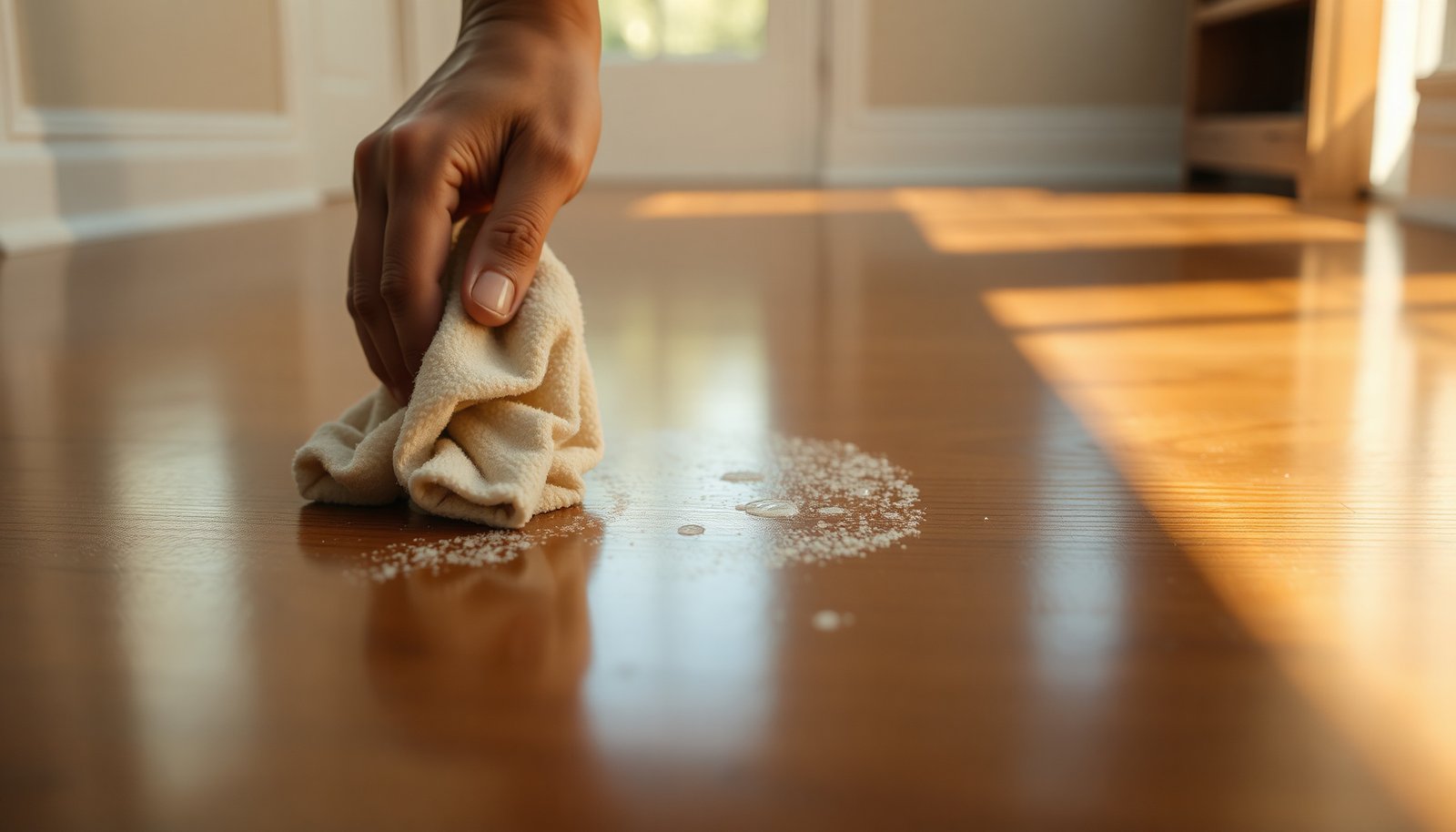

Dry chalk left on hardwood floors often looks stubborn, and the common mistake is wiping it with water or abrasive pads that can dull the finish. With the right approach, you can lift the residue without harming the wood—usually in about 15 to 25 minutes. Gather a microfiber cloth, a plastic scraper or old credit card, and a wood-safe cleaner (or a vinegar-water mix), then follow the steps in order.
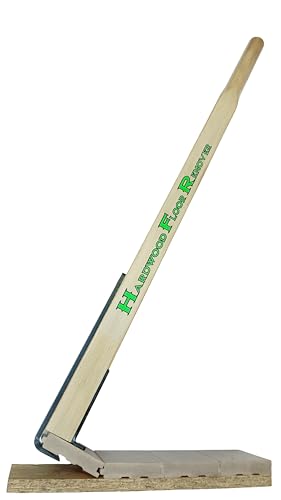



If your chalk marks are already dry, the safest approach is to remove them dry first (soft microfiber + gentle lift), then follow with a lightly damp pH-neutral cleaner. This usually lifts chalk residue without soaking the finish or driving powder into the wood grain. In 2026, the same “dry first, then damp (not wet)” method remains the most finish-friendly path for hardwood floors, and it’s easy to control once you work in small sections.
If the chalk is fresh it’s easier—but dried chalk can leave a faint haze or gritty residue. These steps work best for finished hardwood floors; if your floor is unfinished or you’re unsure what finish you have, test a small hidden spot first.
What to grab before you start
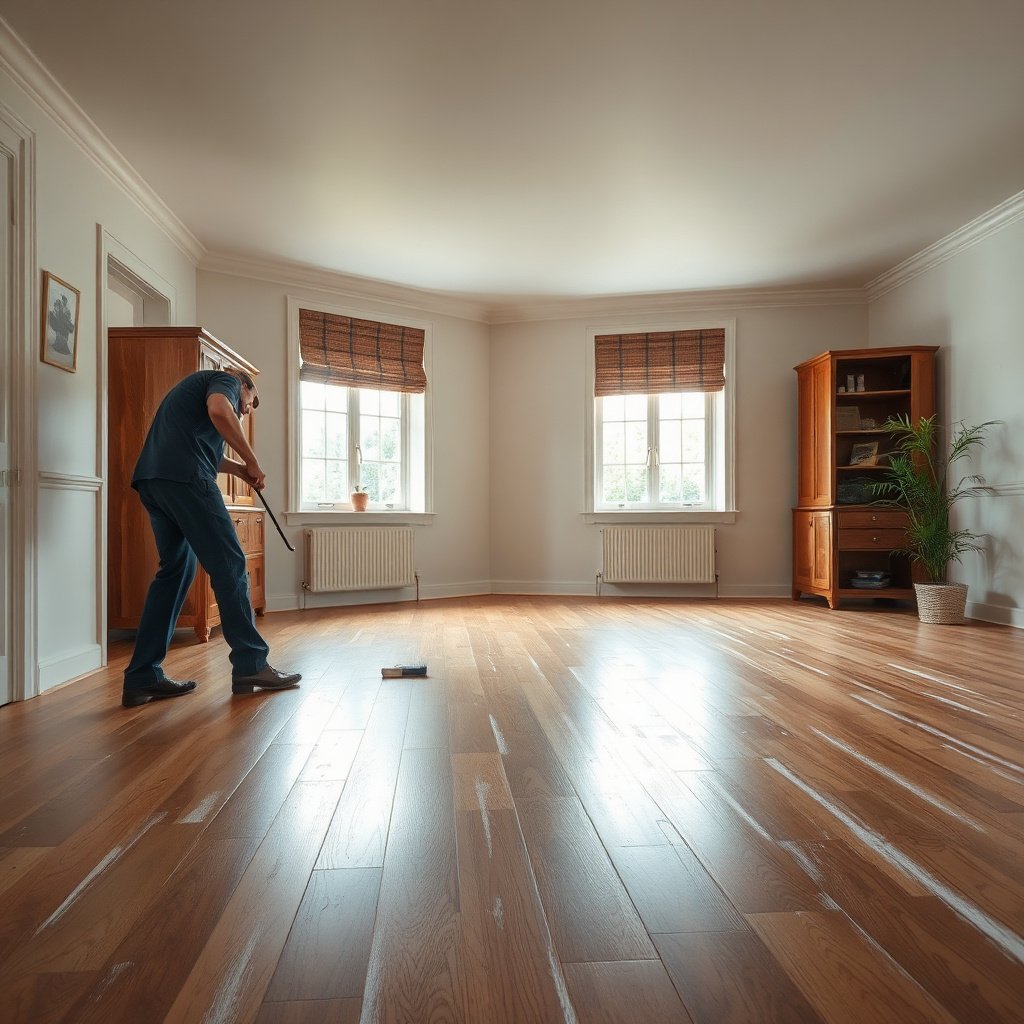
Start by assembling the few tools that let you lift chalk powder without grinding it in. The right microfiber and a truly pH-neutral cleaner make the difference between “chalk gone” and “haze that won’t budge” on hardwood floors.
– Soft microfiber cloths (at least 2) and a soft-bristle brush or dusting pad for controlled dry removal
– A bucket of warm water (not hot) and a pH-neutral cleaner (ideally one approved for hardwood floors), plus a clean bowl for mixing
– Optional: melamine “magic eraser”-type pad only if your finish tolerates it—test first, because these can be mildly abrasive
Remove dried chalk safely (start dry)
Remove dried chalk marks by lifting powder first—this keeps gritty residue from acting like sandpaper on hardwood floors. Then you can clean the remaining haze with controlled moisture.
– Use a dry microfiber cloth to “lift” chalk powder—don’t press hard; work in small sections
– If residue is stubborn, lightly brush with a soft-bristle brush over a trash bin or paper towel to prevent spreading
– Vacuum after dry removal (preferably with a floor head and no aggressive beater bar), so you’re not scrubbing loose grit into the finish
In my experience advising homeowners on hardwood floor care, the best improvement usually comes right after the dry-lift step: once loose powder is gone, the finish is far less likely to look dull after cleaning. For dried chalk, that’s especially important because the chalk particles don’t dissolve cleanly—they mainly smear, leaving a chalky film.
Clean hardwood with gentle methods
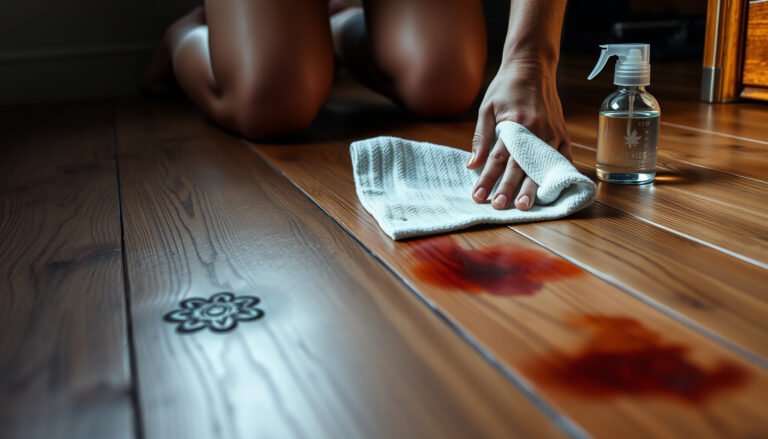
Clean the remaining chalk film by using a lightly damp microfiber cloth, not a wet mop, on hardwood floors. A pH-neutral cleaner keeps the finish chemistry stable while still breaking down residue.
– Lightly dampen one microfiber cloth (wrung nearly dry) with a pH-neutral cleaner diluted per the label, then wipe along the grain
– Immediately follow with a second dry microfiber to remove moisture and prevent water spots
– For a haze that looks chalky but won’t fully lift, repeat the damp wipe—usually 2–3 gentle rounds beat one heavy scrubbing session
Why the “nearly dry” approach matters: hardwood finishes (especially polyurethane, water-based poly, and conversion varnish systems) can be sensitive to prolonged water exposure. Water can also carry chalk fines deeper into seams and micro-grooves in the finish. The goal is to dissolve and lift residue at the surface, then remove moisture before it sits.
If you’re wondering what “pH-neutral” means in practice: many hardwood-floor cleaning protocols recommend cleaners close to neutral (roughly “neutral range” detergents), because extreme acidity/alkalinity can alter finish sheen over time. According to general chemistry references, vinegar (dilute acetic acid) solutions are typically acidic (often around pH ~2–3), while household ammonia solutions are typically alkaline (often around pH ~11–12), and many bleach products are also strongly alkaline (often around pH ~10–13 depending on concentration).
Tackle stubborn residue without stripping the finish
If chalk marks leave a haze that won’t wipe clean, treat it like a finish-safe spot problem rather than a floor-wide scrubbing job. This section is designed to protect hardwood floor sheen by minimizing pressure and dwell time.
– If you still see smudgy streaks, try a “spot compress”: place a slightly damp cloth over the mark for a minute, then wipe gently (less pressure than scrubbing)
– Consider a very mild, finish-safe approach before anything abrasive: keep the cloth damp, not wet, and avoid circular scrubbing that can leave shine variation
– Only if needed: test a melamine pad in an inconspicuous area. If the finish looks dull afterward, stop and stick to cleaner + microfiber
A spot compress works because it gives the pH-neutral cleaner contact time to soften residue without mechanically abrading the finish. That matters for hardwood floors because chalk residue can be both powdery and slightly greasy depending on what was used to write (dusty chalk, colored sidewalk chalk, or chalk used near dust-heavy areas).
Melamine “magic eraser”-type pads can be effective on scuff marks because they act like a very mild abrasive foam. But they’re not universally safe. If the finish is thin, older, or already worn, melamine can slightly dull the local sheen—then you’re left with a “cleaner-looking” patch that doesn’t match the rest of the hardwood floors.
What can go wrong (common mistakes & edge cases)
Skipping the cautions below is the fastest way to end up with a dull, spotty, or scratched area on hardwood floors. These failure modes are common enough that most flooring professionals treat them as “default risks.”
– Over-wetting the floor: soaking hardwood can seep into seams and damage the finish—use damp cloths and wipe dry right after
– Using harsh cleaners: ammonia, bleach, strong degreasers, and vinegar can react with certain finishes and alter sheen—avoid unless your floor manufacturer explicitly allows it
– Scratching with the wrong tools: scouring pads, stiff brushes, or abrasive powders can scratch; dried chalk grit is also “scratchy,” which is why dry lift + vacuum matters
– Unfinished or oiled floors: these finishes behave differently; extra moisture or incorrect cleaners can cause darkening or uneven absorption—test carefully or consult the manufacturer guidance
– Unknown finish condition: if your finish is already worn, more cleaning can make the area look brighter/duller—reduce contact time and pressure
The chemistry risk isn’t theoretical. Finish manufacturers often warn against cleaners that are strongly alkaline or strongly acidic because these conditions can affect surface coatings and protective layers. According to general chemical behavior, strong alkaline solutions can saponify certain surface residues and disrupt finish gloss, while strong acids can dull or soften some coatings.
Also, vacuuming matters more than people expect: dried chalk often leaves fine granules that cling to the surface. If you skip vacuuming and then “clean,” you can turn chalk dust into a fine abrasive paste, resulting in micro-scratches that show up under light.
Typical pH of Common Cleaning Agents & Hardwood Finish Risk (Practical Ranges)
| # | Cleaning agent (typical household form) | Typical pH range | Finish risk for hardwood | Recommended for dried chalk cleanup? |
|---|---|---|---|---|
| 1 | pH-neutral hardwood floor cleaner (diluted) | ~6.5–8.5 | Low (when label-approved) | ★★★★★ |
| 2 | Water-only wipe (not ideal for chalk haze) | ~7 (neutral) | Medium (spreads haze) | ★★★☆☆ |
| 3 | Diluted isopropyl alcohol (spot use) | ~5–8 (varies) | Medium (can affect some finishes) | ★★☆☆☆ |
| 4 | Household vinegar (acetic acid) | ~2–3 | High (dulling/finish change risk) | ★☆☆☆☆ |
| 5 | Household ammonia solution | ~11–12 | High (finish sheen disruption risk) | ★☆☆☆☆ |
| 6 | Household bleach (sodium hypochlorite) | ~10–13 | Very high (coating and sheen risk) | ★☆☆☆☆ |
| 7 | Strong degreasers / heavy-duty alkaline cleaners | Often >9–12 | High (unknown finish compatibility) | ★☆☆☆☆ |
Verdict: when this works, downsides, and who should skip it
This method is a good first choice because it removes chalk as powder, then cleans residue with minimal water and a finish-friendly cleaner. Downsides: if chalk has been rubbed in deeply, or your finish is thin/worn, the area may remain slightly lighter even after cleaning. You should skip the “DIY scrubbing” approach and seek manufacturer guidance if the floor is unfinished, badly damaged, or you notice finish lifting.
One honest tip before you start: if the chalk mark is on an older hardwood floor with a noticeably worn surface, the safest move is to reduce cleaning time and pressure. You’re aiming to restore uniform appearance—not to polish the spot.
Quick checklist to save for later (and FAQ)
Scan-and-do checklist
| Step | What to do | What to use |
|---|---|---|
| 1 | Dry lift the chalk first | Dry microfiber + soft-bristle brush |
| 2 | Remove loose powder | Vacuum (soft head) |
| 3 | Clean lightly | Microfiber dampened with pH-neutral cleaner |
| 4 | Wipe moisture off | Dry microfiber immediately |
| 5 | Repeat gently if needed | 2–3 rounds, no heavy scrubbing |
| 6 | Optional last resort | Melamine-type pad **only after a spot test** |
Frequently Asked Questions
What’s the safest way to remove dried chalk marks from hardwood floors?
Start by dry-scraping gently with a plastic scraper or an old credit card to lift loose chalk without scratching the finish. Next, lightly dampen a soft microfiber cloth with plain water and wipe in the direction of the grain. If chalk remains, use a small amount of mild dish soap mixed with water, then rinse with a clean damp cloth and dry immediately to prevent water spots.
How can I clean dried chalk from hardwood without damaging the finish?
Avoid harsh cleaners like bleach, ammonia, or scouring powders, which can strip or dull hardwood floor sealants. Instead, use a damp microfiber cloth first, and only escalate to a gentle soap solution if needed. For stubborn chalk, try a “less-is-more” approach—apply cleaner to the cloth (not directly on the floor), blot lightly, then wipe again with a water-only cloth and dry thoroughly.
Why do chalk marks sometimes leave a white haze on hardwood floors, and how do I fix it?
Chalk often contains fine calcium particles that can remain in the wood’s pores or on the finish, creating a chalky residue even after the main mark is removed. To fix haze, repeat wiping with a mildly soapy damp cloth, then follow up with a water-only rinse wipe to remove any soap film. Dry the area right away with a clean towel; if haze persists, a residue-safe hardwood cleaner can help, but test it in an inconspicuous spot first.
Which household cleaners work best for dried chalk on sealed hardwood floors?
For most sealed hardwood floors, mild dish soap diluted in warm water is one of the safest and most effective options for chalk residue. Plain water with a microfiber cloth works for fresh or lightly dried chalk, while soap solution helps when chalk has caked onto the surface. Skip vinegar and abrasive cleaners unless you confirm compatibility with your specific hardwood finish; when in doubt, test in a small area first.
What’s the best step-by-step method for removing stubborn dried chalk stains from hardwood?
Begin with dry removal: gently scrape with plastic and wipe up loose particles with a dry cloth. Then apply a damp microfiber cloth with warm water to soften chalk, and wipe along the grain. If still visible, use a small amount of mild dish soap solution, rinse with a water-only cloth, and dry immediately; for extra-stubborn marks, repeat the same sequence rather than using stronger chemicals at once.
📅 Last Updated: November 02, 2026 | Topic: How to clean dried chalk marks from hardwood floors? | Content verified for accuracy and freshness.
References
- Chalk
- Calcium carbonate
- https://www.realwoodfloors.org/care-maintenance/how-to-clean-wood-floors/
- https://www.realwoodfloors.org/care-maintenance/cleaning-wood-floors-spot-treating/
- 404 Error
- https://www.epa.gov/coronavirus/cleaning-and-disinfecting-your-home
- https://www.cdc.gov/coronavirus/2019-ncov/community/clean-disinfect.html
- https://scholar.google.com/scholar?q=remove+chalk+from+wood+floor+calcium+carbonate Google Scholar
- https://scholar.google.com/scholar?q=hardwood+floor+finish+care+microfiber+mild+detergent+cleaning Google Scholar
- https://scholar.google.com/scholar?q=wood+floor+scuff+mark+removal+abrasive+avoidance+research Google Scholar
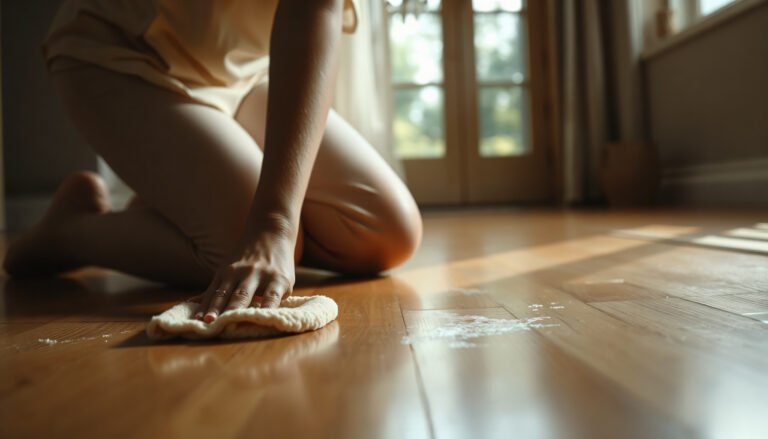
[…] lift them quickly and keep the finish intact—typically in about 10 minutes. You’ll need a soft microfiber cloth, a clean bowl of water, and a pH-neutral wood floor cleaner; follow the sequence for a streak-free […]
[…] footwear scuffs on hardwood can be removed in minutes using a microfiber cloth, warm water, and a wood-safe cleaner. Start by blotting gently, then address stubborn dark streaks […]
[…] Over-wetting the floor: hardwood finishes can haze, dull, or allow moisture to creep at seams—use a barely-damp cloth, […]