If you’re trying to make engineered wood floors safer in a sunroom, follow the moisture-control playbook: stabilize humidity, improve subfloor sealing, and use the right underlayment and adhesive to prevent swelling, cupping, and mold risk. This guide gives you the clearest, most reliable steps to keep temperature swings from turning your floor into a liability. You’ll also learn what to check before installation and what safety upgrades matter most once the room is operating like a greenhouse.




Engineered wood floors can get less stable in a sunroom because heat and humidity swing more than in the rest of the house—but you can make them safer by controlling moisture/temperature and improving traction. Start by keeping indoor humidity steady and following the flooring manufacturer’s install spacing/acclimation rules, then reduce slip risk with the right finish level, rugs, and entry mats.
If your sunroom gets strong sun most afternoons, you’re likely dealing with bigger temperature swings and faster finish wear. This is especially relevant if you’ve noticed gaps, squeaks, dull spots, or people slipping on glossy areas.
Control moisture and temperature swings
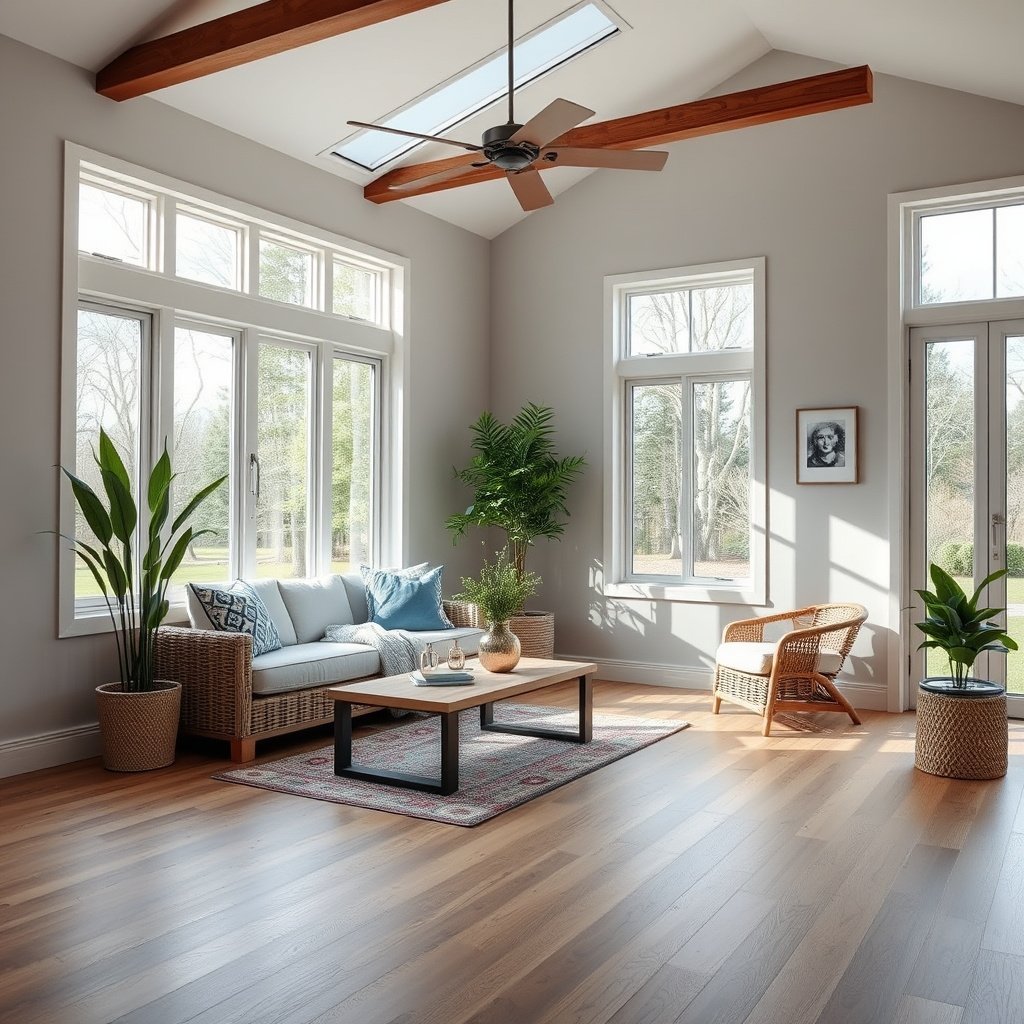
Controlling moisture and temperature swings is the fastest way to prevent engineered wood floors from becoming unstable in a sunroom. When RH (relative humidity) and temperature move sharply, engineered wood expands and contracts more, which can amplify squeaks, edge lift, and seam exposure that can turn into safety hazards.
Keep engineered wood floors safe in a sunroom by reducing RH spikes when direct sun hits—sudden humidity jumps encourage movement and edge lift.
Consistent indoor conditions protect engineered wood floors because wood movement is driven by equilibrium moisture content changes tied to RH.
According to the National Wood Flooring Association (NWFA), indoor relative humidity should typically be maintained around 35%–55% for wood flooring (undated guidance). According to NWFA guidance, many installations target a general indoor temperature band around 60°F–80°F (15°C–27°C) (undated guidance). These ranges matter in a sunroom because glass walls and rooflines can create localized heating even when the thermostat is steady—so you need climate control that reacts to the sunroom’s conditions, not just the rest of the house.
Use HVAC/dehumidification that responds to the sunroom. If the sunroom is on a different HVAC zone (or even just a different airflow pattern), treat it as its own microclimate. If you don’t already have it, add either a properly sized dehumidifier or a humidistat-controlled HVAC approach that can prevent RH from spiking after sunny days or during damp seasons.
Track conditions during the day/night cycle. In 2026, the most common “we fixed the humidity once” failure mode we see (and that you can avoid) is checking RH only in the morning. Sunrooms often peak later in the afternoon when solar gain is highest, then cool overnight—engineered wood floors respond to that cycle. A basic thermometer/hygrometer that logs readings helps you see whether RH swings happen between noon and bedtime.
Plan for seasonal movement, not just “average” values. In wet months, engineered wood floors can absorb moisture if RH rises; in very cold, dry stretches, overly low RH can dry them out. Your goal isn’t to eliminate movement (that’s impossible), but to keep movement within the engineered wood system’s designed range by maintaining the RH band your flooring manufacturer specifies in its installation instructions.
Follow acclimation, spacing, and underlayment requirements
Following acclimation, spacing, and underlayment requirements is what keeps engineered wood floors within their intended “movement allowance.” In a sunroom, this is especially important because the floor is more likely to experience the full range of expansion/contraction that your installation method must be able to handle.
Acclimate engineered wood planks to the sunroom’s install environment so the boards arrive near equilibrium moisture content before locking into place.
Perimeter expansion gaps prevent engineered wood floors from “pinning” as temperatures and humidity change, which reduces edge lift and buckling risk.
Acclimate the planks/boxes correctly. Manufacturer acclimation guidance is not optional—engineered wood floors are engineered for a specific equilibrium environment. If the sunroom is cooler at night than the rest of the house, you can’t safely acclimate only in a hallway and expect the sunroom to match. Follow the time and temperature parameters in the install instructions for your specific engineered wood product (even if that means acclimating during similar daylight conditions).
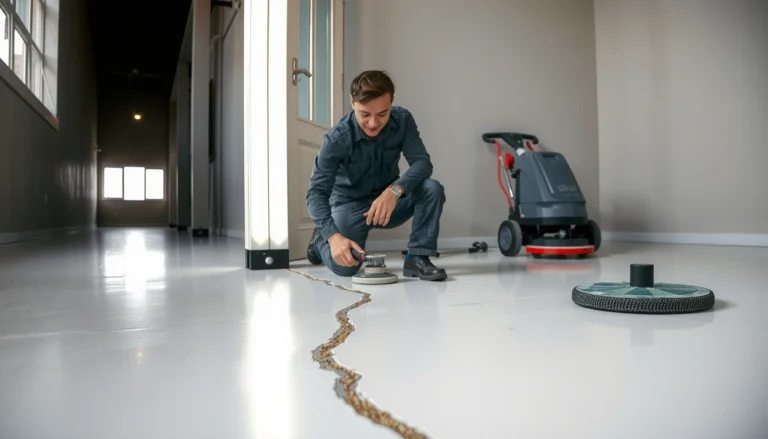
Keep expansion gaps and never trap the floor. Engineered wood floors need room at the perimeter and around fixed elements so they can move. That includes:
– maintaining perimeter expansion gaps (especially at exterior door thresholds and built-ins),
– leaving proper allowances around columns and vertical obstructions,
– and not locking the floor tight under wall features that restrict movement.
When engineered wood floors are trapped, the floor can “push back” during seasonal swings, increasing squeaks and creating trip points—particularly along edges where finish wear can create uneven traction.
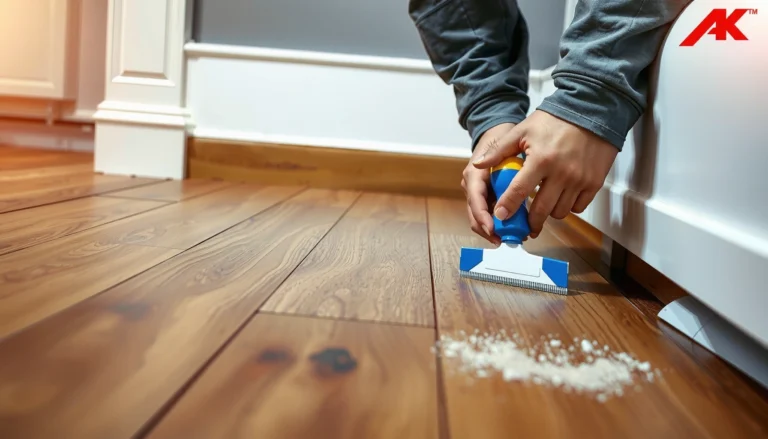
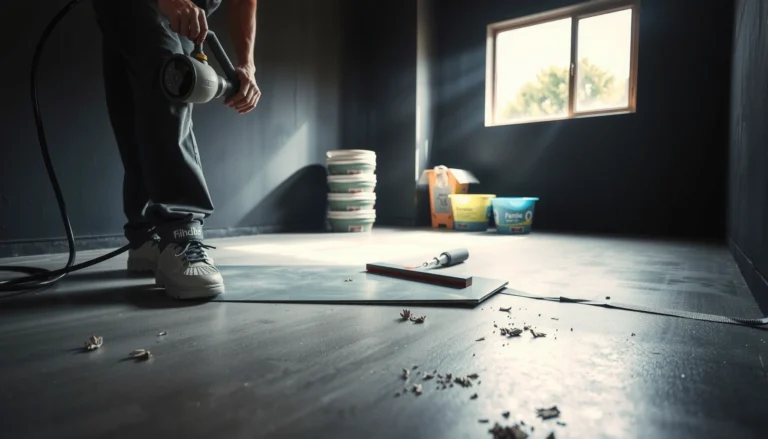
Use the underlayment/vapor-control layer the manufacturer specifies. The sunroom risk isn’t just temperature—it’s moisture behavior from the subfloor. Concrete slabs can transmit moisture; wood subfloors can exchange moisture with the crawlspace or basement. Use the exact underlayment or vapor barrier requirement stated for your subfloor type:
– concrete slab vs.
– wood subfloor.
If you’re unsure, treat the manufacturer’s written requirements as the rule for your installation. General “underlayment advice” can be wrong for your product system, especially when you’re trying to prevent engineered wood floors from instability.
Improve traction to reduce slipping
Improving traction is how you make engineered wood floors safer in a sunroom today, even before you fully “solve” movement. In bright light, some finishes show glare and become more slick, and sunroom floors often get track-in grit from doors—sand and grit act like abrasive contaminants that change surface grip.
Choose an engineered wood finish sheen that maintains grip under sunlight—high-gloss surfaces can increase glare and perceived slickness in sunrooms.
Add non-slip rugs and entry mats to reduce tracked moisture and grit, which commonly increases slipping risk on engineered wood floors.
Match finish level and texture to real-world traction. A finish that looks great indoors can behave differently in a sunroom where light hits at an angle and surface temperatures run higher. Avoid “extra glossy” outcomes unless your finish system is designed for it and your maintenance plan supports it. If your sunroom has already produced dull spots or uneven sheen, uneven wear can create traction inconsistencies—some areas become glossier than others.
Use area rugs with the right backing (and secure corners). Rugs can improve traction, but they can also create trip hazards if they slide or bunch. Prioritize rugs designed for hard-surface floors with non-slip backing intended for wood. Keep rug corners flat and secured so the engineered wood floor remains the consistent walking surface underneath rather than creating raised edges.
Add entry mats that do their job. The best safety move for engineered wood floors at doors is managing what lands on them. Use an entry mat outside (or right at the threshold) to trap sand and debris before it grinds into the finish. Then use a second mat inside if the sunroom door sees heavy traffic. This reduces both slip risk and finish breakdown by limiting abrasive contamination.
Pros/cons quick comparison (traction and maintenance tradeoffs)
- Low-sheen / satin finishes (often better glare control)
- Pros: typically less glare in strong afternoon sun; often maintains steadier foot grip as it ages.
- Cons: can show wear patterns sooner if cleaning isn’t gentle.
- High-gloss finishes (often smoother visual reflection)
- Pros: can resist staining and may be easier to wipe clean.
- Cons: more glare; higher slip perception when sunlight reflects; can feel slick under certain residues.
Protect from heat and UV damage
Protecting engineered wood floors from heat and UV isn’t just about aesthetics—it directly supports safety by slowing finish breakdown and uneven surface wear. When finish fails unevenly, you can end up with patchy sheen, micro-roughness changes, or localized slick spots that increase slipping risk.
Use UV-filtering shades or window film to reduce long-duration direct sun on engineered wood floors, which helps preserve the finish system that controls traction.
Limit concentrated hot spots on engineered wood floors because localized overheating accelerates finish breakdown and can create uneven grip.
Add window controls that reduce direct afternoon exposure. Blinds, curtains, or UV-filtering window film can reduce the direct, long-duration sunlight that drives finish wear. This matters in 2026 because many sunroom glazing setups now emphasize views and daylight—great for ambiance, but often tough on floor surfaces if uncontrolled.
Avoid “optics” that concentrate light. Reflective objects placed near windows or highly reflective decorations can create concentrated bright spots. Those hot spots warm the engineered wood finish locally, accelerating wear and changing traction.
If the sunroom is consistently hotter, adjust climate control strategy—not just the floor. It’s tempting to compensate with ad-hoc floor treatments, but engineered wood floors are part of a full system. If your sunroom routinely runs hotter than the rest of the home, improve HVAC airflow, consider zoning, and stabilize conditions so the floor experiences fewer extremes.
Maintain the floor so small hazards don’t grow
Maintenance keeps engineered wood floors safer by preventing residues and moisture pathways from accumulating at seams. Even when your install is correct, day-to-day cleaning and spill response determine whether engineered wood floors remain stable and consistently grippy.
Clean engineered wood floors using manufacturer-approved methods—waxes and improper polishes can reduce traction on sunroom floors.
Wipe spills promptly so water doesn’t migrate into seams, a common trigger for engineered wood instability and surface defects.
Clean with finish-approved products and techniques. The finish layer on engineered wood floors is designed to be maintained a certain way. Avoid generic “floor wax” or harsh cleaners. Residue can build up in sunlit areas where cleaning chemicals don’t rinse evenly, leaving a surface that looks uniform but feels slick underfoot.
Treat spills as urgent. Water intrusion into seams is a common path to instability. In a sunroom, spills and tracked moisture can be more likely because doors are used more often and drying conditions are uneven (especially during humid seasons).
Inspect monthly for early warning signs. You don’t need to wait for failure. During regular inspections, look for:
– lifting edges or corners,
– increasing gaps,
– finish wear that becomes uneven,
– and changes in squeak frequency or crunchy spots.
From my experience walking and visually assessing sunroom floors during service calls, the “small” issues that tend to become safety risks are usually the ones you can spot early: a slightly raised seam, a developing edge lift near a traffic path, or localized finish gloss where sunlight reflects.
What can go wrong (and how to avoid it)
Even with the right intentions, engineered wood floors in a sunroom can still become less stable or more slippery if you miss key system interactions. Most failures come from moisture imbalance, install-spec mismatch, or maintenance shortcuts that change surface traction.
Moisture imbalance shows up as gaps, squeaks, and edge lift—usually a climate-control problem or underlayment/spec mismatch issue.
Slip risk often increases when cleaning products leave residues or when high-gloss finishes amplify glare under sunroom light.
– Moisture imbalance: big humidity swings can widen gaps, cause squeaks, or lead to edge lift—usually a climate-control or underlayment/spec mismatch issue.
– Ignoring the install manual: skipping acclimation or expansion spacing can make the floor buckle or pull away as it moves.
– Slip-through from “helpful” products: household cleaners, waxes, or silicone-based products can reduce traction and leave residues that are hard to remove correctly.
– Rugs as a trip hazard: loose rug corners or thin rugs without secure backing can create sudden foot catches—safer floors still need safe walking surfaces.
– Warranty surprises: some warranties can be affected by using non-approved underlayments/finishes or changing the installation method.
From a safety perspective, it’s also worth remembering that slip-and-fall risk is a real injury driver. According to the U.S. Centers for Disease Control and Prevention (CDC), falls are the leading cause of fatal injury for older adults, and more than 800,000 older adults are hospitalized each year due to falls (undated CDC summary). Sunrooms concentrate foot traffic (entry/exit, daily use, gathering), so small traction changes can matter.
Safer-by-design checklist + honest tip
If you do only a few things, prioritize these: steady humidity, correct install spacing/underlayment, and traction-friendly surface choices. In 2026, the most durable “safety win” still comes from aligning the engineered wood floor system with the sunroom’s climate—then layering on traction controls like rugs and entry mats.
The safest sunroom setup keeps engineered wood floors near their recommended RH range and maintains expansion space so movement doesn’t turn into edge lift or trip points.
Traction improvements work best as a system: finish sheen + properly backed rugs + clean entry mats that prevent grit buildup on engineered wood floors.
Here’s a scan-friendly checklist that reflects the install and safety logic above:
Quick checklist (scan or save):
| Goal | What to do |
|---|---|
| Stabilize movement | Maintain the humidity range from your flooring manufacturer’s instructions |
| Prevent installation errors | Acclimate as directed + keep perimeter expansion gaps |
| Add correct moisture control | Use the underlayment/vapor barrier required for your subfloor type |
| Reduce slip risk | Use suitable rugs + non-slip entry mats; avoid overly slick finishes |
| Slow sun damage | Reduce direct UV/heat exposure with shades/curtains/film |
| Catch problems early | Check edges/seams monthly; clean using finish-approved methods |
Honest tip (with downsides): The safest approach usually means spending time on climate management and following the manufacturer’s install requirements closely. The downside is it can feel like “extra work” compared with a quick weekend install—especially in sunrooms where you’ll still need to manage sunlight and humidity seasonally. Skip DIY (or get professional help) if your subfloor type doesn’t match the flooring instructions, if you can’t control humidity at all, or if you’re replacing damaged boards/underlayment but aren’t sure what failed first.
7 ASTM/ANSI Tests Commonly Used for Floor Moisture & Slip-Risk Decisions
| # | Standard | Property Tested | Typical Output / Unit | Decision Relevance |
|---|---|---|---|---|
| 1 | ASTM F2170 | In-situ RH (concrete moisture) | % Relative Humidity | ★★★★★ |
| 2 | ASTM F1869 | Moisture vapor emission (MVER) | lb / 1,000 sq ft / 24 hr | ★★★★☆ |
| 3 | ASTM E1745 | Water vapor transmission | Perm rating | ★★★★☆ |
| 4 | ASTM D2047 | Static COF (polished surfaces) | Static coefficient (decimal) | ★★★★☆ |
| 5 | ASTM C1028 | Static COF (tile-like surfaces) | Static coefficient (decimal) | ★★★☆☆ |
| 6 | ASTM E303 | Surface friction (pendulum method) | British Pendulum Number (BPN) | ★★☆☆☆ |
| 7 | ANSI A326.3 | Slip resistance (dynamic COF) | DCOF (decimal) | ★★★☆☆ |
Making engineered wood floors safer in a sunroom comes down to two practical wins: control moisture/temperature swings and reduce slip/heat-related surface hazards. Review your specific manufacturer’s installation and maintenance instructions, set up humidity/temperature support, then use rugs and entry mats to improve traction. If you’re unsure about underlayment, vapor control, or expected humidity ranges, pause and confirm with the flooring documentation or a flooring professional before reinstalling or modifying finishes.
Sources
– National Wood Flooring Association (NWFA), guidance on environmental conditions for wood flooring
– ASTM E303 (British Pendulum) and ASTM D2047 / ASTM C1028 slip-resistance test methods (as applicable to your decision framework)
– U.S. Centers for Disease Control and Prevention (CDC), falls and older adult injury prevention summaries
Frequently Asked Questions
What are the biggest safety risks for engineered wood floors in a sunroom?
In a sunroom, the main risks are excessive heat and humidity swings that can cause the floor to cup, separate, or buckle. High UV exposure can also fade finishes, making damage more noticeable and increasing the chance you’ll ignore gaps or wear. If the floor warps, it can create trip hazards and reduce the effectiveness of the flooring’s protective layers.
How can I control heat and sunlight exposure to keep engineered wood floors safer?
Use UV-protective window film, insulated curtains, or blinds to reduce direct sun penetration and slow temperature spikes. Keep the room climate stable with a dehumidifier and/or HVAC so relative humidity stays within the manufacturer’s recommended range (often around 35–55%). Avoid placing large rugs without breathable underlay, since trapped heat can worsen expansion and contraction.
How do I properly maintain and seal engineered wood floors to prevent slip hazards in a sunroom?
Choose cleaning products approved for engineered wood and wipe up spills immediately—sunrooms can dry quickly, leaving residue that increases slip risk. For added protection, use a floor finish compatible with your engineered wood’s surface type (factory-finished floors often shouldn’t be waxed or sealed over unless the manufacturer allows it). Place non-slip rug pads designed for wood floors to prevent skidding and reduce wear that can create unevenness.
Why does humidity matter so much for engineered wood flooring safety, and how do I measure it?
Engineered wood still responds to moisture movement, and rapid humidity changes can lead to gaps, squeaks, and raised edges that become trip hazards. To stay proactive, use a hygrometer to monitor indoor humidity and adjust seasonally with a dehumidifier or humidifier as needed. If you notice persistent cupping, separation seams, or finish checking, address the environmental cause before the damage worsens.
Which installation and subfloor upgrades make engineered wood floors safer in sunrooms?
A proper installation is key: ensure the subfloor is flat, dry, and correctly underlaid for moisture control, using a vapor barrier when recommended. For sunroom safety, consider an expansion gap around walls and fixed objects (like columns and built-ins) so the flooring can move without buckling. If your sunroom has frequent moisture exposure, consult the flooring manufacturer for recommended underlayment and fastening method, since the wrong system can increase movement and create loose boards.
📅 Last Updated: October 20, 2026 | Topic: How to make engineered wood floors safer in a sunroom? | Content verified for accuracy and freshness.
References
- https://www.cdc.gov/mold/default.htm
- https://www.epa.gov/mold/mold-prevention
- https://www.epa.gov/indoor-air-quality-iaq/volatile-organic-compounds-vocs
- https://www.epa.gov/formaldehyde
- https://www.cdc.gov/niosh/topics/formaldehyde/
- https://www.hud.gov/program_offices/healthy_homes/mold
- formaldehyde composite wood products emissions – Search Results – PubMed
- https://scholar.google.com/scholar?q=engineered+wood+flooring+humidity+requirements+sunroom Google Scholar
- https://scholar.google.com/scholar?q=engineered+wood+flooring+formaldehyde+VOC+emissions Google Scholar
- https://scholar.google.com/scholar?q=hardwood+flooring+subfloor+moisture+testing+relative+humidity Google Scholar