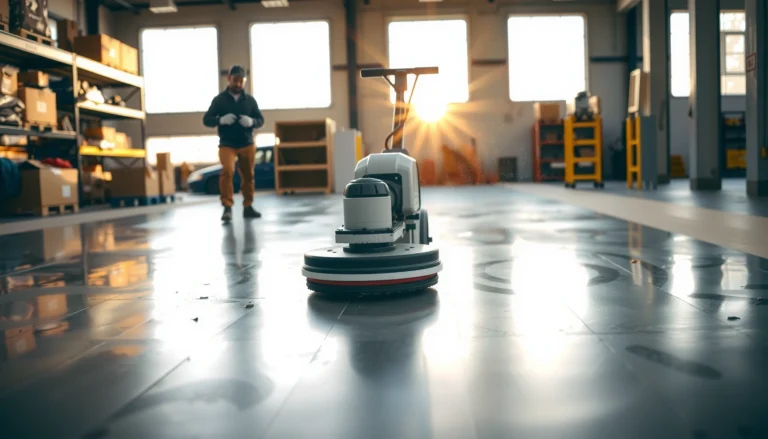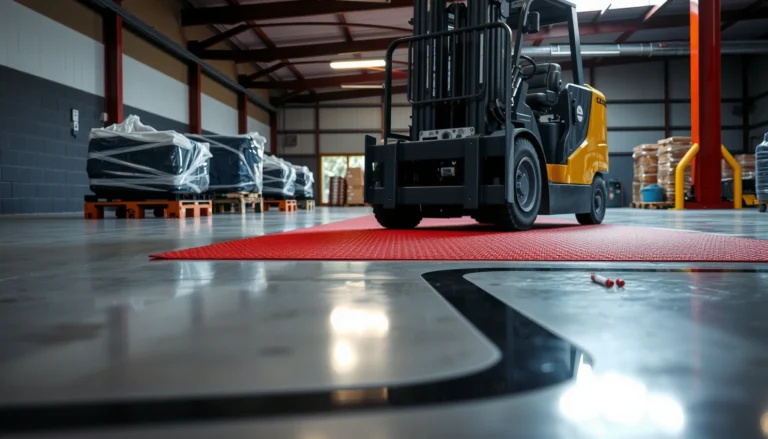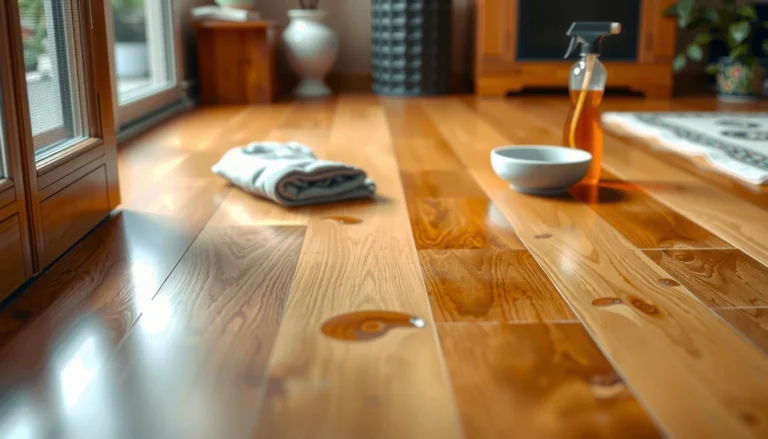

Prevent scratches on engineered wood floors in your garage by focusing on the few high-impact habits that actually stop abrasive grit, heavy impacts, and sharp furniture legs. If you control track-in dirt at the door and use proper floor protection—felt pads, area mats, and garage-rated entry mats—you’ll preserve the finish with far less effort than constant touch-ups. This guide shows the exact best practices to keep your floors looking new under real garage traffic.




Prevent scratches on engineered wood floors in a garage by keeping abrasive grit from reaching the surface and by adding proper floor protectors under anything that rolls or drags. In practice, this means a layered entry mat system, blocking grit from being ground into the finish, and fitting felt pads or floor protectors before you park tools, vehicles, or storage carts on top.
This advice is most useful if your garage sees frequent foot traffic, shoes/boots, seasonal sand/grit, or regular movement of tool carts, shelves, and vehicles—especially over concrete where grit tends to get tracked in.
Stop grit at the garage entrance (mat + boot traffic rules)

The fastest way to reduce scratches on engineered wood floors in a garage is to stop abrasive particles at the doorway before they migrate onto the planks. Here the goal isn’t “clean looks”—it’s minimizing the grit that gets trapped, then acts like sandpaper when people walk, carts roll, or shop work gets dragged across the finish.
Tracked sand and concrete dust are abrasive mainly because quartz sits around 7.0 on the Mohs hardness scale (1812), making it hard enough to damage finishes.
A layered entry mat approach is designed to physically remove particles at the door zone instead of relying on later cleaning to “undo” embedded grit.
Use a layered entry mat system (scraper outside + capture mat inside)
For engineered wood floors in a garage, you want a “two-stage” mat zone: an outdoor scraper mat to knock off heavy grit, then an indoor-style capture mat to trap what’s left. A single mat can work, but it often becomes saturated—then it behaves more like a grinding surface than a filter.
Practical setup that works well in garages:
– Outdoor scraper mat (outside / just inside the garage entry path): Use a ribbed or textured surface meant to knock debris off soles.
– Indoor-style capture mat (closest to the engineered wood floors): Use a low-shed, dense mat that holds onto particles rather than redistributing them.
– Leave enough mat length to actually wipe: If the mat is too short, people step through without fully cleaning.
In 2026, many garage scratch complaints trace back to a mat that’s either missing, positioned too far from the door, or worn smooth—so the engineered wood floor never gets a chance to stay protected.
Ask everyone to wipe boots/shoes at the mat zone (and enforce it in wet weather)
Engineered wood floors in garages take a beating during winter and storm seasons because wet footwear drags fine particles that dry later and remain abrasive. Set a simple “wipe at the mat” expectation and tighten it when conditions are rough.
– Make it a family/workflow habit: “Stop on the mat, wipe, then step onto the planks.”
– If you use boot covers or a boot tray, keep it right next to the mat zone (not across the garage), so people don’t carry grit into the engineered wood flooring area.
– In snowy months, treat boots/footwear as a debris carrier—not just “a little mud.”
Replace mats when they lose grip or shed edges
A mat that starts sliding or shedding can worsen scratch risk on engineered wood floors in a garage. When backing wears down or edges curl, people accidentally “step over” it—bypassing the cleaning function entirely.
Replace a mat when:
– Surface fibers compress (less particle capture).
– Backing loses friction (mat moves underfoot).
– Edges curl or fray (mat itself can scuff and distribute debris).
Abrasive Garage Debris Hardness vs. Scratch Risk (Mohs scale)
| # | Abrasive material | Typical garage source | Mohs hardness | Scratch potential |
|---|---|---|---|---|
| 1 | Quartz / silica sand | Tracked in from soil | 7.0 | ★★★★★ (70) |
| 2 | Concrete dust (cementitious particles) | Grinding/cutting nearby | 7.0 | ★★★★★ (70) |
| 3 | Feldspar-rich grit | Road/yard dust | 6.0 | ★★★★☆ (60) |
| 4 | Iron oxide / rust scale | Oxidized tools | 5.5 | ★★★★☆ (55) |
| 5 | Aluminum oxide (abrasive dust) | Grinding/sanding work | 9.0 | ★★★★★ (90) |
| 6 | Calcite / limestone dust | Masonry/brick handling | 3.0 | ★★★☆☆ (30) |
| 7 | Gypsum / drywall dust | Drywall sanding/cleanup | 2.0 | ★★☆☆☆ (20) |
Add protection under anything that moves or touches
The most reliable way to prevent engineered wood floor scratches in a garage is to stop direct, abrasive contact points between the floor and rolling/draggable items. That means felt or rubber protectors on carts, racks, and bench bases—because engineered wood floors can be marred long before they visibly “look scratched.”
Minerals at higher Mohs hardness (for example quartz at 7.0 on the Mohs scale (1812)) are the reason hard grit ends up as micro-scratches when it’s ground into a wood finish.
Furniture glides and felt pads reduce the shear forces applied to floor coatings by converting sliding contact into rolling/low-friction contact.
Install felt or rubber floor protectors on tool carts, workbenches, storage racks
Engineered wood floors are especially vulnerable under:
– Tool carts with small wheels
– Workbench legs and vise bases
– Storage racks
– Rolling stools or shop chairs
– Anything with a frame that concentrates force into small contact patches
Felt pads work well because they distribute load and reduce metal-on-finish scuffing. For engineered wood floors, choose pads meant for hard floors and replace them when they wear thin or become gritty.
Use non-marking, hard-wheeled options cautiously
Many people assume that “non-marking wheels” automatically protect engineered wood floors. The risk is that some wheel materials still scuff the finish (or pick up grit and carry it like an abrasive roller).
If you see change-over-time marks:
– Swap wheel types (softer wheel tread where approved).
– Add glides under noncompliant bases.
– Clean wheels/bases so they aren’t grinding debris across engineered wood floors.
Never slide heavy items—lift and carry or use hard-floor sliders (test first)
Dragging a heavy toolbox, shelf, or machine base concentrates abrasion at edges and legs. For engineered wood floors in a garage, the safer routine is:
– Lift and carry when feasible
– Use furniture sliders designed for hard floors
– Test any slider on a hidden plank area first, then move the item only if it stays clean and doesn’t “track” grit
| Protector type | Best for engineered wood floors | Pros | Cons / watch-outs |
|---|---|---|---|
| Felt pads | Bench legs, rack feet, non-rolling contact points | Good load distribution; low scuff risk when clean | Replace when worn; dirty felt can grind grit |
| Rubber floor protectors | Some carts and racks where felt wears too fast | Durable under repeated contact; thicker cushioning | Check for residue/chemical sensitivity of your floor finish |
| Glides (hard-floor sliders) | Occasional repositioning of heavy items | Enables movement without direct leg dragging | Can still spread grit if the item is dirty—clean contact surfaces first |
| Non-marking wheels | Tool carts meant to roll rather than be carried | Often reduce visible tire scuffs | Wheel hardness may still scuff a finish; verify after first week of use |
Prevent dragging damage during cleaning and daily use
To prevent engineered wood floor scratches in a garage, cleaning technique matters as much as protection. If you redistribute abrasive grit during routine cleanup, engineered wood floors can develop fine, uniform micro-marring—even when you’ve used pads on carts.
Dry sweeping can push loose particles across a finish, increasing abrasion that turns into micro-scratches on engineered wood flooring.
Using a vacuum with a soft floor head and keeping cleaning water clean reduces the chance of grinding fine grit into the wood top layer.
Avoid dry sweeping that redistributes grit—use a soft vacuum head or safe dust-mop technique
In garage conditions, grit is rarely “just dust.” It’s often sand, concrete dust, or mineral particles that can behave like a mild abrasive. For engineered wood floors:
– Use a vacuum with a soft, non-metallic floor head where the manufacturer allows it
– If you dust mop, ensure it won’t act like a grit spreader—use a microfiber dust mop and change/clean it often
– Don’t “chase” grit in circles; pull it toward a collection point
Keep sand/grit out of the mop bucket: rinse tools and don’t reuse dirty water
A wet cleaning pass can still damage engineered wood floors if you’re dragging dirty water and grit across the surface. Instead:
– Empty the bucket regularly
– Rinse tools and mop heads so you’re not reintroducing abrasive debris
– Use the manufacturer-approved cleaner and dilution guidance (avoid “generic wood” products that may leave residue)
Use the gentlest cleaning method your floor’s finish allows
Engineered wood floors have a wear layer and a finish system. That finish is what you’re protecting from scratches, residue buildup, and chemical incompatibility. Follow your floor manufacturer’s care guidance on:
– Approved pads (often microfiber or very soft applicators)
– Whether “scrubbing” is ever allowed
– Whether you should avoid certain solvents or degreasers in a garage environment
If you aren’t sure, start conservative. A harsh pad and a minute of aggressive scrubbing can be enough to make engineered wood floors look dull or uneven.
Manage moisture and debris so the finish stays tough
Engineered wood floors in garages scratch more easily when the surface finish degrades—often from prolonged moisture, spills, or damp debris. In 2026, garages are more likely than living spaces to see temperature swings and moisture bursts, so the scratch-prevention plan has to include moisture control, not just pads and mats.
Oily spills and salt residues can compromise finish durability, making it easier for tracked grit to leave visible marks on engineered wood flooring.
Wet debris that stays in contact can reduce surface toughness over time, so quick cleanup and airflow support scratch prevention.
Wipe up spills quickly (especially oily fluids, saltwater residue, and puddles)
Engineered wood floors can be harmed by:
– Oils/grease (break down protective layers)
– Saltwater residue (common after snow/ice)
– Persistent puddles (finish and edge exposure concerns)
Adopt a “wipe first, then clean” routine:
– Blot (don’t grind) with an absorbent cloth
– Use only manufacturer-approved cleaners afterward
– Keep moisture exposure minimal to reduce finish softening
Don’t let wet leaves, cardboard, or stored items trap dampness long-term
Garages collect “temporary dampness” that turns permanent: wet cardboard from parts storage, leaves under shelving, or a tool that was stored after rain. Engineered wood floors should get airflow, which means:
– Store items off the floor when possible (use rack bases with protectors)
– Avoid trapping wet materials directly on the planks for long periods
– If something gets wet, remove it promptly and allow the area to dry
Follow acclimation/maintenance guidance in garages with big temperature swings
Temperature swings cause wood movement. When engineered wood floors expand/contract, edges and joints can become more vulnerable to grit intrusion and surface micro-damage.
If your engineered wood manufacturer specifies:
– acclimation time before installation
– relative humidity targets
– cleaning schedules and approved products
…follow those instructions, especially since scratch risk tends to rise when the finish system is already stressed.
What can go wrong (common mistakes and edge cases)
Scratch prevention fails most often when the plan includes the “right idea” but the wrong implementation for engineered wood floors in a garage. Common mistakes are fixable—but they usually show up after damage appears, so it helps to understand the edge cases before they happen.
Even engineered wood floors can scratch because the top wear layer and finish can still be abraded when high-hardness grit is pressed into the surface.
Abrasiveness correlates strongly with mineral hardness; quartz is 7.0 on Mohs (1812), while gypsum is about 2.0 (1812), meaning not all debris damages finishes equally.
Using the wrong mat (backing, rough edges, shedding)
Some mats are not compatible with engineered wood flooring finishes—especially if backing reacts chemically, traps grit instead of holding it, or sheds particles. Before switching mats:
– Check your flooring manufacturer’s recommendations
– Avoid mats with aggressive, gritty backings
– Make sure the mat doesn’t shed fibers onto engineered wood floors
Over-polishing or using the wrong “wood floor” products
“Wood floor” products vary widely. Some leave residue that attracts dirt; others can change gloss and make micro-scratches more visible. In a garage, residue is a scratch multiplier because it holds fine particles.
Assuming engineered wood is scratch-proof
Engineered wood floors typically have a wear layer, not indestructible surface armor. Abrasive grit still causes:
– micro-scratches from high-contact zones
– dulling from repeated abrasion
– visible scuffs when grit transfers under foot or wheel
Garage-specific surprises: concrete dust and overspray
Concrete dust can permanently mark engineered wood floors, and overspray from paints/solvents can dull or discolor finishes. Practical controls:
– Cover work zones with protective sheets or floor protection
– Clean immediately after sanding/grinding work
– Use ventilation and capture dust at the source (vacuum attachments)
Verdict / tip (what to do first, and who should skip this)
Start with the highest-impact fixes for engineered wood floors in a garage: a properly placed entry mat system and felt floor protectors under anything that touches or rolls. If your floor’s coating or warranty has strict care requirements, follow the manufacturer’s maintenance/specs first—otherwise you can accidentally void coverage or shorten finish life.
Skip “DIY shortcuts” like sanding, aggressive pads, or improvised sealants if your warranty is still active or if you’re unsure what finish your engineered wood uses. If you need to change products (cleaner, pads, or protective coatings), confirm compatibility with your flooring manufacturer so the engineered wood floors stay protected instead of becoming more scratch-prone.
Quick scan checklist (save this)
– [ ] Entry mat system in place (scraper outside + capture mat inside)
– [ ] All carts/racks/tools have felt/rubber protectors on contact points
– [ ] No sliding—items are lifted or moved with proper sliders
– [ ] Vacuum/soft cleaning method used; grit isn’t pushed around
– [ ] Spills wiped fast; damp storage items aren’t left touching planks
– [ ] Cleaner and pads match the manufacturer-approved care instructions
– [ ] Floor is acclimated/maintained according to its temperature/humidity expectations
Sources
– National Wood Flooring Association (NWFA) maintenance and care guidance (use as general wood floor cleaning principles where applicable). National Wood Flooring Association (NWFA)
– Friedrich Mohs, mineral hardness scale (Mohs hardness values such as quartz ~7 and gypsum ~2). Friedrich Mohs (1812)
Engineered wood floors in garages stay looking better when you treat scratches as a systems problem: control grit at the door, protect contact points under moving gear, and clean in a way that doesn’t grind abrasive particles into the finish—even in the high-traffic, high-moisture reality of 2026 garage use.
Frequently Asked Questions
What are the best ways to prevent scratches on engineered wood floors in a garage?
Start by placing absorbent entry mats at every doorway to catch grit and abrasive particles, since sand is a major cause of micro-scratches. Use soft felt pads under vehicles and shop equipment, and avoid moving heavy items directly across the floor. Regularly sweep or vacuum with a soft brush attachment to keep debris from grinding into the finish.
How do I protect engineered wood garage floors from tire marks and dragging tools?
Use garage floor protection such as clear anti-scratch mats or low-profile floor protectors under cars, motorcycles, and rolling carts. For tools and equipment, keep wheels in good condition, use rubber or polyurethane caster wheels, and lift items when repositioning instead of dragging. When using dollies, ramps, or moving blankets, ensure there’s a non-abrasive barrier between the moving surface and the engineered wood top layer.
Which doormat and cleaning methods work best to reduce grit-related scratching?
Choose a high-quality doormat with a textured surface and a grippy backing, and keep it large enough to scrape off dirt before it reaches the wood. In the garage, prioritize dry cleaning first—sweep daily and vacuum weekly with a soft floor head or brush to avoid scratching from hard bristles. Avoid wet mopping that can trap debris; instead, clean spills promptly with a manufacturer-approved wood-safe cleaner and lightly damp methods when appropriate.
Why do engineered wood floors scratch in garages even when they look sealed?
Even with a factory finish, engineered wood floors can still be damaged by abrasive particles like sand, metal shavings, and grit dragged in from shoes or work areas. Garage conditions also include higher impacts from dropped tools, frequent rolling loads, and occasional moisture swings that can affect surface wear over time. Over repeated contact, these factors wear down the protective top layer, making scratches more likely.
How can I stop scratches when moving heavy items or doing DIY projects on engineered wood?
Create a “work zone” by covering the floor with protective boards or anti-scratch mats before moving heavy equipment, ladders, or large tool carts. Use furniture sliders, moving blankets, and corner protectors for sharp edges, and keep metal feet and tool bases padded with felt or rubber. After the project, remove coverings carefully (to avoid dragging grit underneath) and inspect the finish for early wear so you can address it promptly.
📅 Last Updated: October 19, 2026 | Topic: How to prevent scratches on engineered wood floors in a garage? | Content verified for accuracy and freshness.
References
- Wood flooring
- https://www.armstrongflooring.com/support/care-and-cleaning.html
- MohawkFlooring
- 404 Error
- https://scholar.google.com/scholar?q=prevent+scratches+engineered+wood+flooring+garage+maintenance Google Scholar
- https://scholar.google.com/scholar?q=wood+floor+scratch+prevention+felt+pads+rugs+floor+protection+mats Google Scholar
- https://scholar.google.com/scholar?q=engineered+hardwood+flooring+care+anti+scratch+surface+maintenance Google Scholar