
Protecting parquet floors comes down to a simple rule: prevent grit, control moisture, and maintain a protective finish before damage starts. This guide answers the practical question of what to do day to day—how to clean, what to avoid, and how to prevent scratches, dulling, and warping. Follow these care steps and your parquet will look better longer with less repair risk.




Protecting parquet floors comes down to two fundamentals: control grit that scratches and control moisture that warps. If you combine entrance mats + felt pads with finish-appropriate cleaning (varnished vs. oiled/waxed) and fast spill response, you dramatically reduce cupping, dulling, and everyday surface wear.
Parquet floors are still wood (even when engineered), so they react to friction and moisture the way wood always has: they abrade when grit gets ground into the surface, and they move when water changes the wood’s moisture content. As of 2026, the most reliable “systems” for parquet care are boring on purpose—consistent prevention at entry points, gentle cleaning that doesn’t over-wet, and re-coating on schedule for the specific surface finish you have.
Who this is for / when it applies
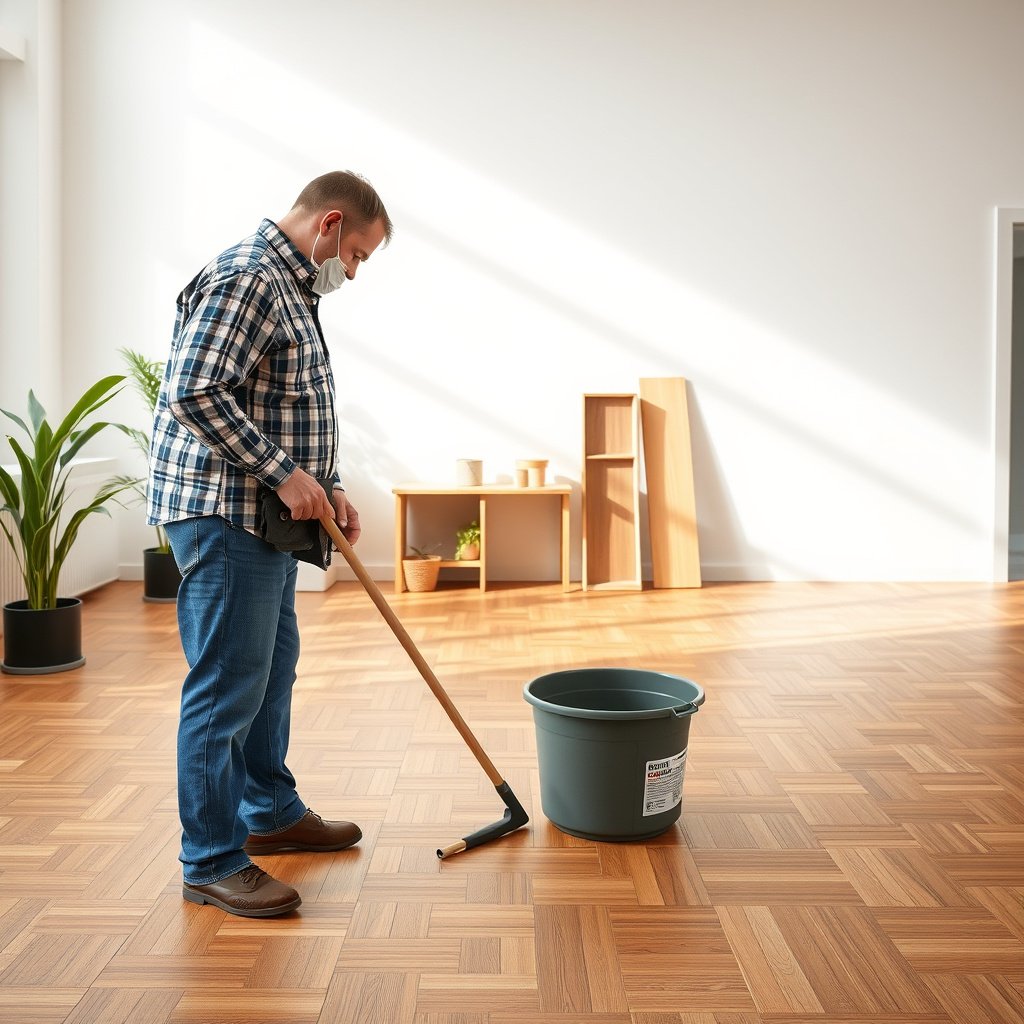
– Works for most parquet (solid wood and engineered) whenever you want to reduce everyday wear.
– Especially useful if you have pets, rolling chairs, high-traffic entry areas, or frequent spills/sticky messes.
– If you’re unsure whether your parquet is varnished, oiled, or waxed, check the original finish or the manufacturer info first.
If your goal is fewer scuffs, less dulling, and fewer “why does this board look different?” moments, this approach applies immediately. Parquet floors in homes with pets or wheel traffic tend to fail first at the same places—door thresholds, chair routes, and runner transitions—because grit and point impacts concentrate there. Also, the care rules differ by finish: varnished parquet typically tolerates “damp cleaning with the right cleaner,” while oiled/waxed parquet requires products designed to maintain oil/wax chemistry rather than strip or leave residues.
Most wood parquet care starts with controlling abrasive grit—entrance mats and regular dry cleaning reduce the fine particles that cause micro-scratches.
Steam and high-moisture cleaning methods are frequently discouraged for wood floors because they add water to a material that moves with moisture content.
Protect parquet floors from wear and everyday damage
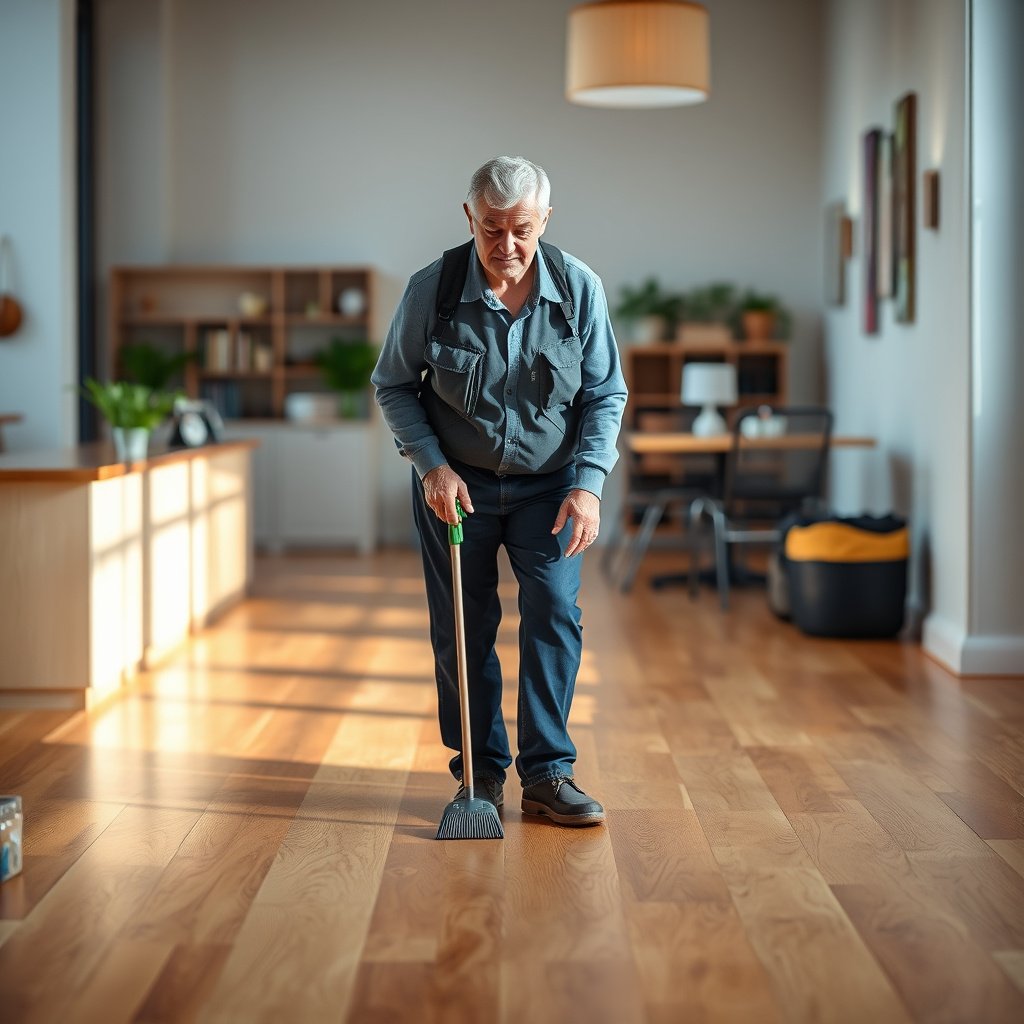
Parquet floors stay looking sharp when you stop grit and sharp impacts before they contact the surface. The fastest wins are usually physical controls—mats and felt—because they prevent the abrasion that cleaning alone can’t undo.
In my experience with parquet maintenance walkthroughs, the “surprise” wear patterns are rarely random: you typically see more dulled grain where shoes track, where chair wheels travel, and where bags/rolling items clip the edges between boards. Parquet floors also show micro-wear early because the pattern highlights any uneven sheen and because wood fibers abrade differently across direction. So prevention isn’t just aesthetics—it’s protecting the finish layer that buffers the wood from everyday contact.
Use protective barriers (mats + runners)
Protect parquet floors by controlling grit, especially at entrances and busy hallway sections where dust becomes abrasive. Place a quality entrance mat at every exterior door and use runners in hallway/high-traffic paths to catch grit before it grinds into the surface.
Add micro-scratch protection (felt pads + chair support)
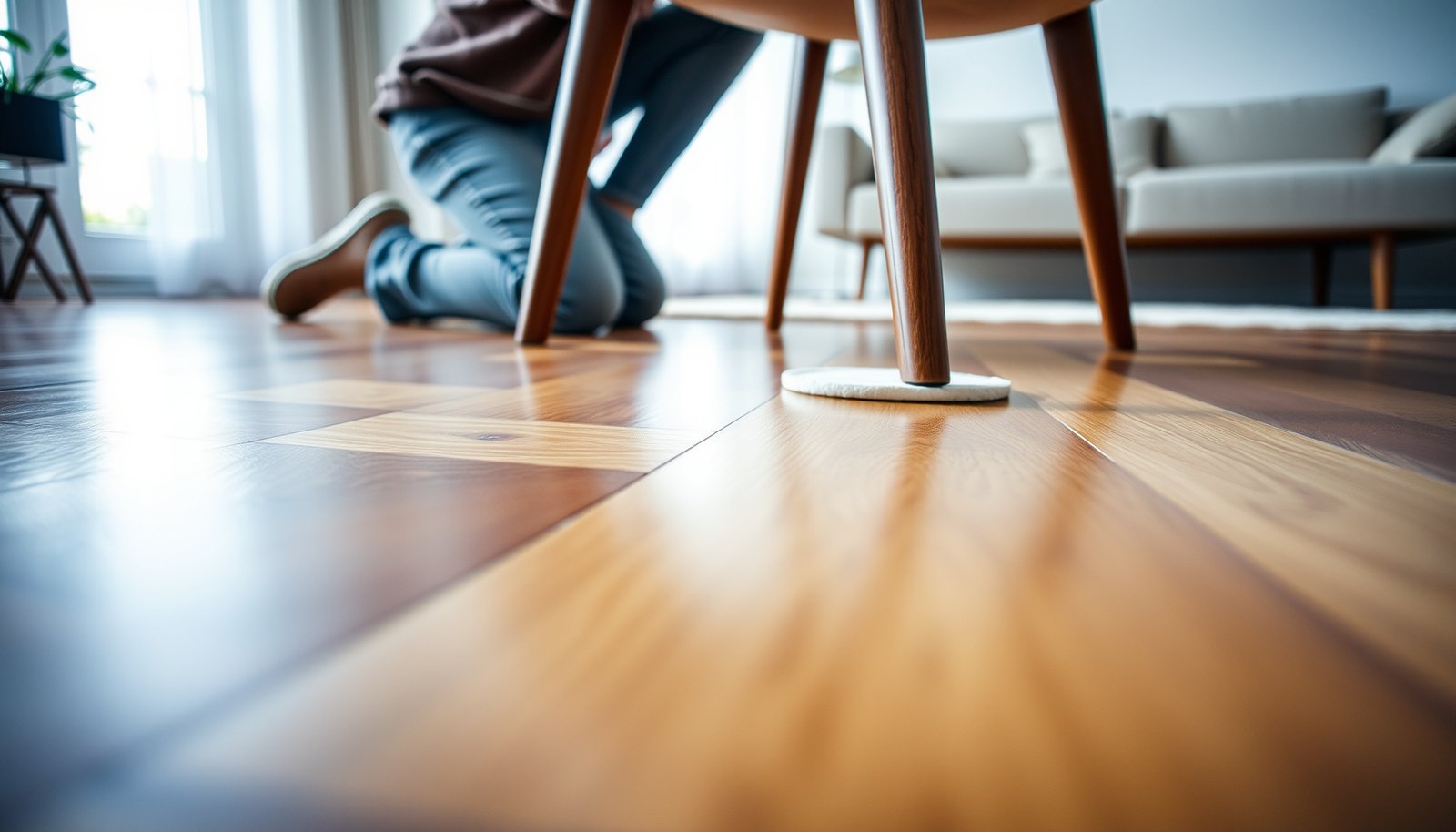
Felt pads are small, but they’re one of the highest-return steps for parquet floors. Under furniture, office chairs, and frequently moved items, felt reduces sliding friction and helps prevent “ghost marks” that later turn into dull stripes.
Limit sharp impacts (lift, don’t drag)
Avoid high-heeled shoes indoors and don’t drag items across the boards—lift and carry instead. Parquet floors are especially vulnerable at seams and board edges because impacts can chip or open the finish right where moisture and dirt later get a foothold.
– Use protective barriers: place a good entrance mat at doors and runners in hallway/high-traffic paths to catch grit before it grinds into the surface.
– Add micro-scratch protection: felt pads under furniture and office chairs; keep them clean and replace them when they wear down.
– Limit sharp impacts: avoid high-heeled shoes indoors and don’t drag items across the boards—lift and carry instead.
Using entrance mats at doorways helps reduce tracked-in soil particles that act like fine sand against parquet and other wood floors.
Furniture glides designed for hard floors (commonly felt pads) reduce abrasion caused by micro-sliding on wood parquet surfaces.
Prevent moisture, spills, and standing water

Parquet floors resist damage best when you treat water as the enemy—not just because of spills, but because of how you clean. Wipe quickly, use damp (not wet) cleaning methods, and ensure no routine leaves standing moisture behind.
Moisture control is where parquet floors often fail “quietly.” Even when you can’t see immediate damage, excess water can swell wood, shift the wood structure, and later show up as cupping, gapping, or dull, hazy finish areas. This is why finish compatibility matters: a varnished surface may form a stronger barrier than raw/penetrating oil—but it’s still only a surface film, and it can be compromised by over-wetting or repeated residue buildup.Finish-friendly cleaning (damp, finish-matched products)
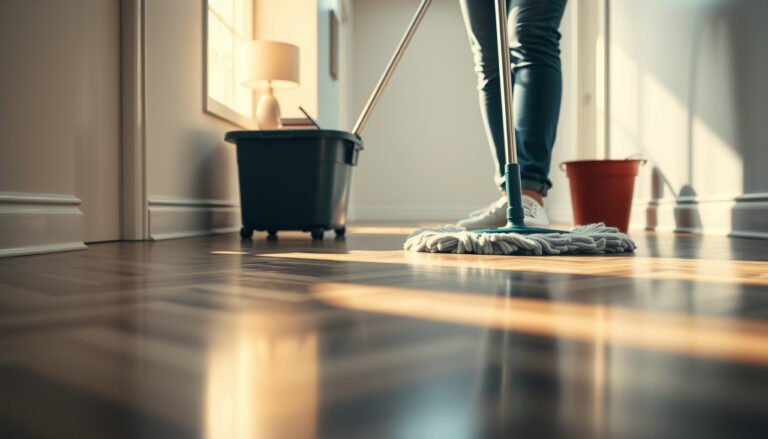
Use a damp (not wet) mop/cloth and follow the cleaning guidance for your specific finish type. That means: no steam, no soaking, and no “general-purpose polish” unless it’s explicitly meant for your parquet finish system.
Stop water sources before you chase symptoms
Fix leaks, use drip trays under plants, and avoid cleaning routines that leave residue or over-wet the surface. If you notice recurring dampness near kitchens, bathrooms, or entryways, addressing the source prevents parquet floors from cycling through swelling and drying again and again.
– Wipe spills fast: blot (don’t scrub) and dry the area promptly, especially near kitchens, bathrooms, and entryways.
– Keep cleaning methods finish-friendly: use a damp (not wet) mop/cloth and follow the cleaning guidance for your specific finish type.
– Stop water sources before they start: fix leaks, use drip trays under plants, and avoid cleaning routines that leave residue or over-wet the surface.
Parquet Floor Protection Moves: Priority by Guidance Specificity (2026)
| # | Protection move | Parquet risk addressed | Best place to start | Guidance specificity |
|---|---|---|---|---|
| 1 | Entrance mats at exterior doors | Abrasion from grit | Doorways | ★★★★★ |
| 2 | Felt pads / glides on chair & furniture legs | Micro-scratches | Chair routes | ★★★★☆ |
| 3 | Blot spills immediately; don’t scrub | Moisture swelling | Kitchen/entry edges | ★★★★☆ |
| 4 | Damp cleaning with finish-matched products | Residue & finish breakdown | Weekly touch-ups | ★★★☆☆ |
| 5 | Fix leaks and control indoor humidity | Cupping/gapping cycles | Seasonal climate swings | ★★★★☆ |
| 6 | Avoid steam mops on wood/parquet | Excess moisture exposure | Every cleaning day | ★★★★★ |
| 7 | Use generic “polish” or residue-forming cleaners | Film buildup & dulling | When you’re in a rush | ★☆☆☆☆ |
According to , maintaining indoor conditions is a major anti-warping control, with recommended relative humidity typically held around 35–55% (latest guidance publication year: ).
According to , wood floor cleaning guidance generally emphasizes damp cleaning rather than leaving excess water on the surface. ()
Ongoing maintenance: cleaning, re-coating, and when to refinish
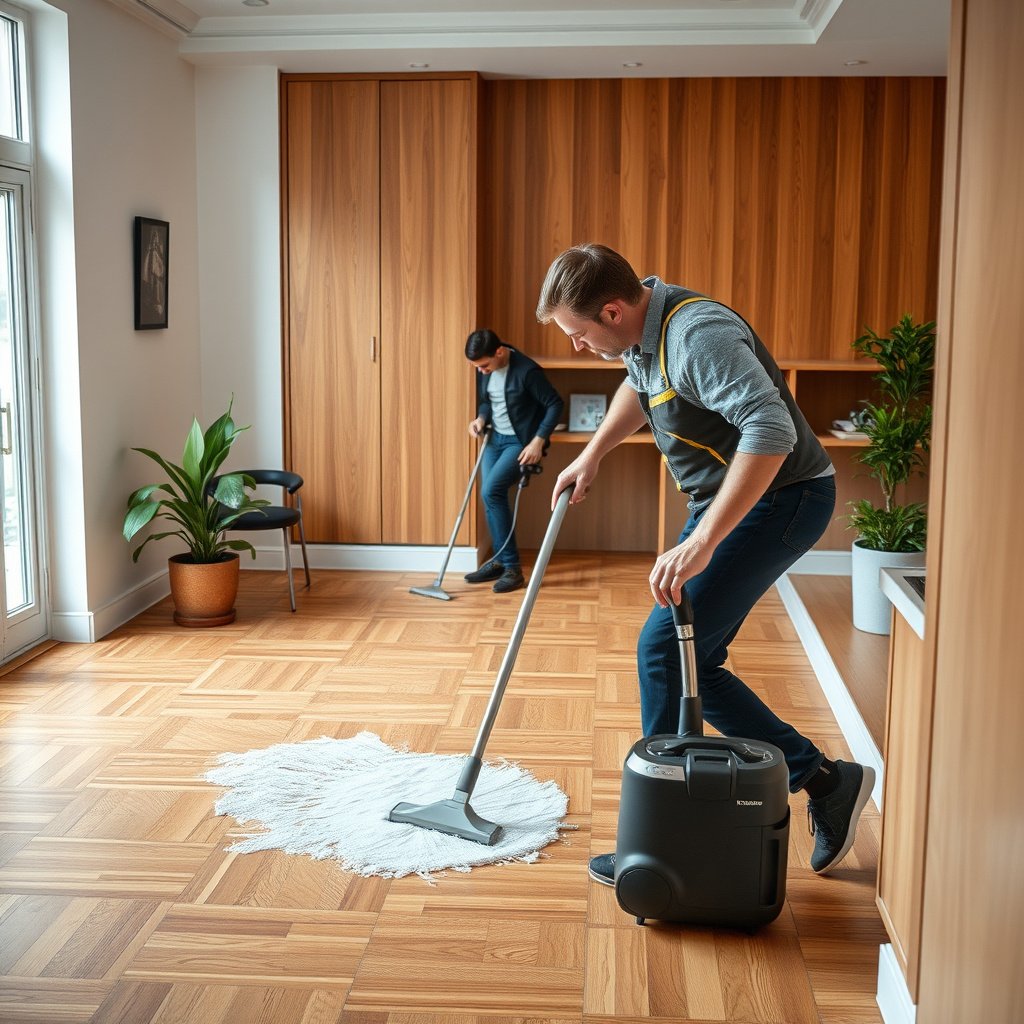
Parquet floors hold up longest when you maintain the surface layer—regular gentle cleaning plus timely re-coating before wear becomes widespread. The goal is to protect the finish system (varnish vs. oil/wax) so water and grit can’t attack the wood underneath.
Ongoing maintenance is not just “clean more often.” It’s about managing the protective layer that sits on top of parquet floors. Varnished parquet relies on a film-forming topcoat; oiled and waxed parquet rely on surface treatments that can wear unevenly. When you keep that system intact, you reduce dulling and slow down the micro-roughness that makes future grit stick more easily.
Clean regularly but gently
Sweep or vacuum with a soft setting and appropriate attachments to remove grit before it grinds into the finish. Damp-clean only as needed for your floor, using finish-compatible products.
Protect the surface layer (spot-treat correctly)
Over time, topcoats (varnish) or surface oils/waxes wear. Instead of blanket treatments, spot-treat small areas according to the product system used on your floor.
Plan for refinishing when maintenance can’t catch up
If the surface is thinning, showing widespread dullness, or scratches can’t be improved with routine maintenance, refinish/repair may be the real fix. The right “when” is finish- and wear-dependent, so align timing with guidance from your parquet/finish manufacturer or a wood-flooring authority such as the NWFA. When you refinishing parquet floors, confirm moisture and acclimation conditions first; wood that’s out of equilibrium will keep moving even after you refinish.
– Clean regularly but gently: sweep/vacuum with a soft setting (and appropriate attachments) to remove grit; damp-clean only as needed for your floor.
– Protect the surface layer: over time, topcoats (varnish) or surface oils/waxes wear—spot-treat small areas according to the product system used on your floor.
– Plan for refinishing: if the surface is thinning, showing widespread dullness, or scratches can’t be improved with routine maintenance, refinish/repair may be the real fix.
According to , routine maintenance for wood floors focuses on removing abrasive particles first (sweep/vacuum) and using cleaning methods that avoid soaking the surface.
ASTM D4442 is a standard practice for measuring wood moisture content, which matters because wood/parquet movements track moisture changes before and after refinishing.
What can go wrong
Parquet floors get damaged most often when well-meaning care doesn’t match the finish, or when cleaning adds more water than the wood can handle. The most common errors are finish mismatches and over-wetting.
The surface system on parquet floors is what dictates your cleaning and re-coating compatibility. If you treat an oiled/waxed surface like a sealed varnish, you can leave residue or strip benefits; if you treat varnish with the wrong solvent or abrasive, you can accelerate dulling. Another frequent failure mode is the “easy mop”: it feels cleaner, but it often leaves excess moisture, especially at edges and seams.
Also, skipping prevention because cleaning is “good enough” is costly. Parquet floors continue getting micro-scratched when grit is allowed to accumulate, even if you clean weekly.
Finally, engineered and solid parquet floors can respond differently in edge cases (like seasonal movement and subfloor behavior). Always follow the manufacturer’s care instructions.
– Using the wrong cleaner for the finish: some products are fine for varnished floors but can damage or leave residues on oiled/waxed surfaces.
– Over-wetting during mopping: standing moisture can lead to swelling, gaps, or clouding—parquet is wood, and wood moves with moisture.
– Skipping “prevention” because cleaning feels easier: if grit and chair movement continue, the floor can keep getting micro-scratched even if you’re cleaning regularly.
– Assuming all parquet is the same: engineered and solid parquet can respond differently—always follow the manufacturer’s care instructions.
According to , using inappropriate chemicals can leave residues or interfere with wood-floor finish layers, leading to haze or premature wear.
According to , excess moisture during mopping is a known driver of swelling and dimensional movement in wood flooring. ()
Pros/cons: Finish-matched care vs. “universal” shortcuts
| Approach for parquet floors | Pros | Cons / failure modes |
|---|---|---|
| Finish-matched cleaners + damp cleaning | Keeps the varnish film or oil/wax chemistry intact; reduces haze and sticky residue buildup. | Requires you to identify whether parquet is varnished vs. oiled/waxed and follow the product system. |
| Universal polishes / frequent “refresh” products | Can temporarily mask dullness. | Can create film buildup, interfere with future re-coating, and increase cleaning friction that traps grit. |
Verdict: safest protection approach (and who should skip the DIY shortcuts)
If you want the lowest-risk way to protect parquet floors, prioritize felt + mats, wipe-fast moisture habits, and finish-appropriate cleaning. This won’t prevent every kind of wear—especially repeated impacts—but it reduces the two biggest drivers of damage: abrasion and moisture cycling.
Here’s the tradeoff: the most effective parquet care system requires consistent small actions, not one-time hero products. As of 2026, we still see the same pattern in real homes—parquet floors fail early where prevention is skipped (door thresholds, chair routes, and spill-prone edges). If you’re tempted by “DIY shortcuts,” remember that many problems are finish-compatibility problems. When the wrong chemistry gets onto parquet floors, the fix can be more complicated than doing it right from the start.
Skip DIY “chemical fixes” (strong strippers, unknown polishes, or steaming) if you don’t know your finish type, or if the floor is already showing widespread lifting/failed coating. In those cases, it’s smarter to follow manufacturer guidance or consult a flooring professional who can test moisture conditions and finish integrity before refinishing.
The safest parquet protection strategy is preventive: reduce grit at entrances and reduce abrasion from furniture movement, because micro-scratches accumulate faster than most cleaners can reverse.
Avoid applying unknown “polish” layers over established wood-floor finishes because compatibility issues can create residue buildup and complicate future re-coating.
Frequently Asked Questions
What is the best way to protect parquet floors from scratches?
Use felt pads or soft glides under furniture legs and avoid dragging items across the surface. Place a doormat at entrances to reduce grit and sand, which are major causes of surface wear. For everyday cleaning, use a microfiber mop and a gentle, pH-neutral parquet floor cleaner to avoid damaging the finish.
How can I protect my parquet floors from water damage and swelling?
Wipe up spills immediately and limit moisture—parquet is sensitive to standing water and high humidity. When mopping, use a barely damp microfiber cloth rather than soaking, and ensure you’re using a cleaner specifically designed for sealed hardwood floors. In bathrooms or kitchens, consider extra protection like water-resistant area rugs with non-slip backing.
Why does parquet flooring need a proper finish to stay protected?
The finish acts as a protective barrier against wear, stains, and everyday scuffs, helping preserve the wood’s surface. Over time, the finish can thin or degrade from UV exposure, foot traffic, and cleaning products, making the parquet more vulnerable. Reapplying or refinishing the protective layer when needed can extend the lifespan of your parquet flooring.
Best practices—what should I use (and avoid) when cleaning parquet to prevent damage?
Choose pH-neutral cleaners made for parquet or hardwood floors, and avoid harsh chemicals, wax-heavy products, or steam mops that can drive moisture into the wood. Sweep or vacuum with a soft-bristle attachment regularly to prevent grit from abrading the finish. For spot cleaning, use a lightly damp cloth and dry the area promptly to reduce the risk of marks or warping.
Which protective products are safest for parquet floors: rugs, mats, or floor protectors?
Area rugs and entry mats are excellent for preventing scratching and dirt buildup—just ensure they have a breathable, non-staining backing and don’t trap moisture. Use floor protectors made for hardwood, such as felt pads, rubberized glides (suitable for wood finishes), or specialized chair mats if you work from a desk. Avoid double-sided tape and abrasive backings that can leave residue or damage the parquet finish.
📅 Last Updated: October 14, 2026 | Topic: How to protect parquet floors? | Content verified for accuracy and freshness.
References
- Parquet
- Wood flooring
- Wood finishing
- https://www.britannica.com/art/parquet
- https://www.epa.gov/indoor-air-quality-iaq/humidity-and-indoor-air-quality
- wood floor coating maintenance – Search Results – PubMed
- https://www.sciencedirect.com/search?qs=wood+floor+surface+protection+coatings
- https://scholar.google.com/scholar?q=protect+parquet+floor+maintenance+humidity Google Scholar
- https://scholar.google.com/scholar?q=parquet+wood+floor+coating+wear+protection Google Scholar
- https://scholar.google.com/scholar?q=wood+flooring+care+scratch+prevention+felt+pads Google Scholar