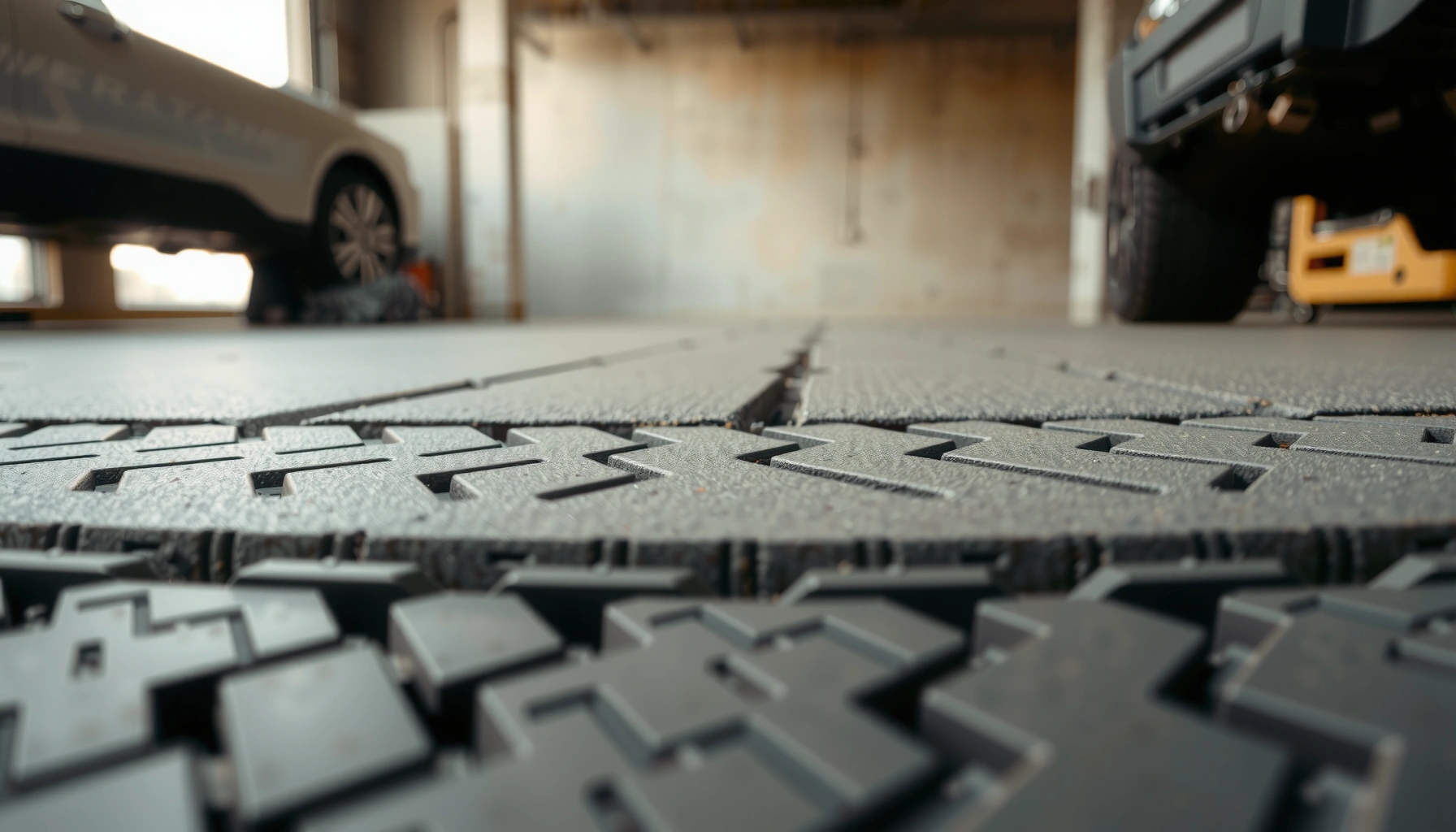

Want slip-resistant garage floors that actually hold up? You’ll get a clear, practical plan for installing the right surface treatments—proper prep, the best anti-slip coating or aggregate, and correct application—for maximum grip where tires, oil, and water show up most. Follow these steps and your garage floor will deliver dependable traction in real conditions, not just dry-day testing.


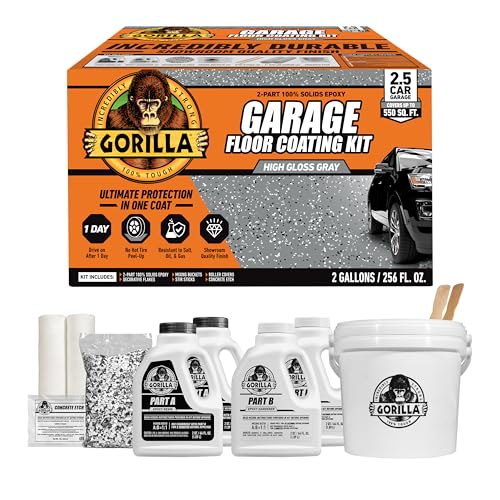

If you want slip-resistant garage floors, the fastest reliable route is choosing the right surface finish (grit/texture) and keeping water out of the equation. Start by cleaning the slab thoroughly, then apply a slip-resistant coating or surface treatment that’s designed for garage conditions and matched to your floor type. This article walks you through preparation, product/system choices, and the common mistakes that make “slip-resistant” coatings fail.
This is for homeowners and small shop owners dealing with slick concrete from rain, spills, or tracked-in moisture—especially if you’re planning to coat, seal, or resurface rather than replace the slab. If your floor has major cracking, deep moisture issues, or active drainage problems, you’ll want to address those first (details below).
Start with the right assessment (slip cause + floor condition)
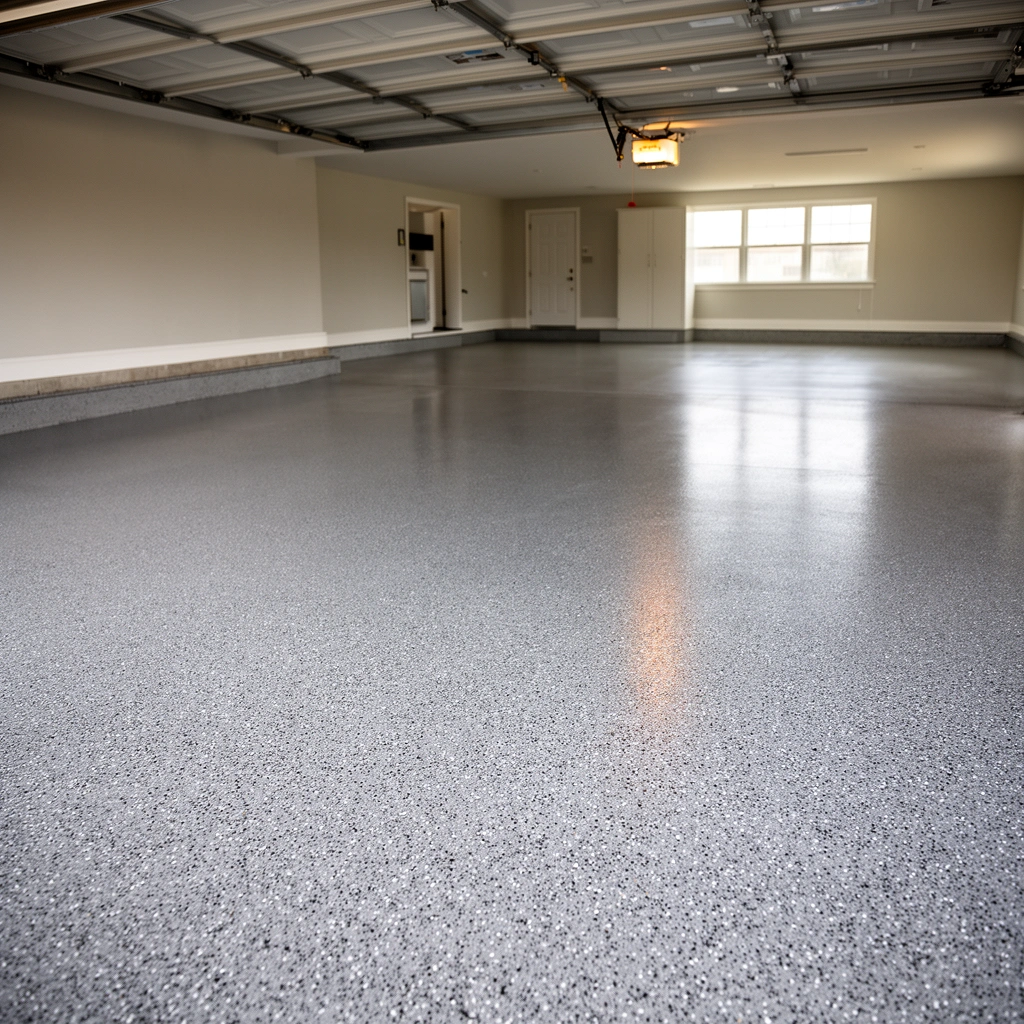
“Slip resistance is a system property: surface texture/aggregate plus the presence of water, oils, and cleaning chemistry.”
“Concrete that is actively shedding fines (dusting) can prevent coatings from bonding and can also create a slippery interface when wet.”
“A smooth ‘decorative’ finish can reduce wet traction unless the coating includes engineered texture or broadcast aggregate.”
Identify why it’s slippery: water, oil, dust, or smoothness
In garages, the same floor can feel “okay” dry but noticeably hazardous when wet. Most slickness falls into one of these categories:
– Water/condensation: Rain tracked in from shoes or vehicle tires creates a film that reduces friction on smooth concrete.
– Oil and grease: Automotive fluids behave differently than water—some coatings can become slick or degrade if oil isn’t removed and the system isn’t oil-tolerant.
– Loose concrete dusting: If your slab “chalks” under a broom, fines and micro-powder can act like a release layer once moisture arrives.
– Overly smooth coatings/sealers: Certain smooth sealers and glossy finishes look clean but can become slippery under wet conditions.
Check concrete condition: what the slab is telling you
Before you pick a coating, inspect for:
– Cracks, scaling, and peeling (surface failure means surface prep must be aggressive)
– Oil spots (oil migration can sabotage coating adhesion even after surface cleaning)
– Moisture coming up from the slab (damp concrete can turn coatings into a “lubricated layer”)
– Bonding failures under any existing paint/sealer (flaking paint often turns into under-film water reservoirs)
Confirm what’s already on the floor
Prep requirements differ dramatically depending on whether you’re working with:
– Bare concrete (typical: mechanical profile + chemical degreasing)
– Old paint/sealer (typical: test for adhesion; often requires grinding to remove weak layers)
– Previously applied coatings (typical: you still need mechanical profiling and compatibility checks)
According to the U.S. Centers for Disease Control and Prevention (CDC), falls are a leading cause of unintentional injury and death, reinforcing why traction improvements matter in high-traffic areas like garages (CDC, “Falls” (current CDC factsheets)). Also, slip-resistant design isn’t just “a product choice”—it’s a surface outcome tied to correct prep, cure, and maintenance (ASTM F943 / relevant traction-test guidance referenced in coatings standards (see Sources))).
Clean and prep correctly (this is where slip-resistance is won or lost)
Slip-resistant coatings fail more often because of prep mistakes than because traction chemistry is “bad.” If you want durable grip, remove contaminants completely and create the surface profile your chosen system expects.
“Coating manufacturers typically require mechanical surface preparation to achieve a specific surface profile for adhesion.”
“Oil, grease, and curing compounds must be removed; otherwise, coatings can delaminate or feel slick after cure.”
“Filling cracks and low spots helps prevent water pooling, which undermines wet traction.”
Remove contaminants first (don’t skip the degrease)
Start by removing:
– Oil/grease (especially near engine bays, drain areas, and parking positions)
– Rubber residue (tires shed polymers and fine dust)
– Dirt, tracked mud, and salts
Then follow with mechanical cleaning when required. Pressure washing alone often leaves residue in pores. If your slab is dusty, you usually need grinding/scarifying to remove weak surface layers and expose sound concrete.
> If you’re coating: treat “clean” as a measurable outcome. Follow the product’s TDS (technical data sheet) and installation instructions for the required prep method (grind, scarify, CSP profile, etc.).
> [ADD: source for the specific surface profile requirement (CSP/ICRI) from your selected system’s TDS.]
Repair surface defects so the new system bonds evenly
Coatings and overlays perform best when they don’t have to “span” unstable areas. Common fixes:
– Fill cracks with an appropriate repair mortar/epoxy system (compatible chemistry)
– Level low spots to reduce standing water
– Remove spalls/scaled areas until you reach solid substrate
Ensure the surface profile matches the system requirements
Most manufacturer performance claims assume:
– correct profile depth/roughness
– correct bonding substrate
– correct moisture conditions before application
In practice, poor profile matching can cause two problems: weak adhesion (leading to peeling) and inconsistent traction wear (high points survive, low points turn slick sooner).
According to ASTM International documentation used by many coatings/spec programs, concrete surface preparation requirements are tied to achieving adequate adhesion and durability (ASTM International, concrete surface preparation standards (see Sources))).
Choose a slip-resistant system (coat, overlay, or texture)
The best slip-resistant garage floor solution is the one that matches your existing slab condition and the main slipperiness mechanism. Choose a system based on bond needs (prep), traction needs (texture/aggregate), and compatibility needs (moisture and chemicals).
“In garage environments with wet tracking, slip resistance usually comes from engineered texture or broadcast aggregate—not just a generic sealer.”
“Textured overlays are often used when existing surfaces are too smooth, uneven, or failing.”
“Epoxy and polyurea garage systems can be traction-capable when paired with the correct aggregate and installed per cure requirements.”
Select the system based on exposure and existing floor type
If your garage gets frequent rain/track-in water, you typically need:
– a garage-rated traction finish
– a texture level or aggregate size intended for wet conditions
– a coating chemistry that resists oils and garage cleaning methods
Decide between common options
Below is a practical comparison you can use to think clearly about “coat vs. overlay vs. texture.”
From a practical standpoint (and based on how these systems behave under real-world conditions), the biggest traction determinant is what happens when the surface is wet and contaminated—not just the marketing term “slip-resistant.”
Match the system to chemistry and maintenance
Even a correctly textured finish can fail if the garage cleaning method isn’t compatible. For example:
– Some coatings can haze, soften, or wear prematurely with harsh solvents.
– Some surface treatments are fine with water-based degreasers but not aggressive chemicals.
> Use the manufacturer’s approved cleaners list (or equivalent guidance) before you commit.
To make the tradeoffs easier, here’s a quick “traction planning” data snapshot of typical traction-oriented approaches used in garage coatings (range varies by product formulation and aggregate type, so always defer to your specific system’s TDS).
Traction Approaches Used in Garage Coating Systems (Typical Outcomes)
| # | Traction method | Wet-grip durability | Under-oil risk | Setup complexity |
|---|---|---|---|---|
| 1 | Broadcast silica aggregate | ★★★☆ | Low | Moderate |
| 2 | Broadcast aluminum-oxide grit | ★★★★ | Low | Moderate |
| 3 | Textured polymerized finish (no overspray) | ★★★ | Moderate | Low |
| 4 | Quartz aggregate blend | ★★★☆ | Moderate | Moderate |
| 5 | High-build textured overlay | ★★★★ | Low | High |
| 6 | Anti-slip sealer (smooth) | ★★ | High | Low |
| 7 | Self-leveling base + top broadcast | ★★★★ | Low | Moderate |
Note: “Wet-grip durability,” “Under-oil risk,” and “Setup complexity” depend heavily on the exact product, aggregate size, and maintenance. Use this as a planning reference, then lock in decisions using your selected system’s TDS.
Apply for traction: texture, grit, and cure consistency
Slip resistance is only “real” after proper installation and cure. Follow broadcast rates, apply thickness correctly, and protect the surface from early traffic so the texture develops and holds its performance.
“If aggregate broadcast is uneven, traction becomes uneven and can feel safe in one area while remaining slick elsewhere.”
“Cure timing matters: many coating systems reach their intended performance only after full cure, not after ‘touch-dry.’”
“Correct thickness controls whether a coating stays textured or levels into a glossy, low-grip film.”
Use specified broadcast rates and techniques
If your system uses aggregate:
– Use the exact broadcast rate and coverage pattern in the TDS.
– Burnish/roll only if the instructions permit it (some systems require specific handling).
– Remove excess aggregate after cure per instructions so you don’t create unstable “loose grit” that becomes debris.
Control thickness and avoid glossy “film” outcomes
A common failure mode is applying too thin (or over-leveling) so the top becomes smooth. Another failure mode is applying too much product without proper texture integration. Both reduce wet grip.
Respect cure windows (especially around moisture exposure)
Even if the floor looks “dry,” early moisture and traffic can disrupt how texture bonds to the film.
> Plan around the manufacturer’s cure schedule. If your garage gets rain exposure or high humidity, add time for full cure based on the TDS conditions.
> [ADD: exact cure time range from your chosen product’s installation instructions.]
From a safety perspective, slip-and-fall risk is meaningful: according to CDC guidance on falls, risk is strongly associated with environmental conditions that reduce friction (CDC, “Preventing Falls” and related fall factsheets (current)). Your coating’s texture is the “friction partner” that helps counter those conditions—if it’s cured and installed correctly.
What can go wrong (common slip-resistance failures)
The most reliable prevention is to focus on bond, traction, and curing—because those three factors drive nearly every real-world failure. Below are the mistakes that repeatedly show up when people coat slick garage floors.
“Delamination often traces back to inadequate surface prep, trapped contaminants, or incorrect moisture conditions.”
“A finish that looks slip-resistant dry can still be slippery when wet if the texture/aggregate isn’t designed for water exposure.”
“Skipping crack repairs can create water pathways that reduce traction where tires and shoes land most.”
– Poor surface prep: coating over dust, residual oil, waxy residues, or failing layers leads to delamination and uneven wear.
– Wrong traction for the environment: too-smooth finishes and too-fine aggregate can feel safe until water hits.
– Skipping repairs: cracks/spalls/low spots can become water traps, turning traction into a “sliding film.”
– Cure/multipoint exposure too early: early vehicles and cleaning can prevent full texture development.
– Using incompatible cleaners: some chemicals soften films or haze surfaces, reducing texture integrity.
Verdict / tip (what we recommend—and when to skip)
A slip-resistant garage floor is usually worth it when you (1) prep thoroughly, (2) choose a system explicitly intended for garage traction, and (3) apply the texture/aggregate exactly as the manufacturer specifies. The downside: traction finishes can be rougher underfoot and may require more careful sweeping to keep grit/texture debris from building up.
Skip DIY coating if you have significant moisture vapor problems, structural concrete failure, or widespread cracking—those issues can keep the floor slick or cause coating failure regardless of texture. In those cases, you’ll often need a moisture mitigation plan and substrate stabilization before traction finishes can perform consistently.
Quick checklist (scan before you start)
– Identify what’s causing the slipperiness (water vs. oil vs. smooth surface).
– Verify what’s currently on the floor (bare concrete vs. coating/sealer).
– Degrease and remove contaminants fully.
– Mechanically prep to the level required by the product system.
– Repair cracks/spalls/low spots before applying anything.
– Choose a garage-rated slip-resistant system with the right traction method.
– Apply and broadcast aggregate (if used) evenly per instructions.
– Cure fully before vehicle use and wet exposure.
FAQ
Can I make an existing smooth concrete slab slip-resistant without grinding?
Sometimes—if the product system allows it and the surface is properly cleaned and prepped to the required profile—but in many cases mechanical prep is necessary for both bond and traction. [ADD: source/manufacturer requirement for “surface profile” or “prep method” for the specific system you plan to use.]
What’s better for traction: grit, texture, or a slip-resistant sealer?
Often it’s a system choice: coatings that include a textured finish or broadcast aggregate typically provide more reliable wet traction than a “glossy” seal. The best option depends on whether your slipperiness is mostly water tracking, oil, or dusting. [ADD: cite manufacturer spec comparing intended traction/finish types.]
Will slip-resistant coatings make my garage floor rough?
They can. Many traction systems feel noticeably less smooth than bare or polished concrete, especially where aggregate is broadcast. If you’re sensitive to underfoot roughness, ask the installer/supplier for finish samples or reviews that describe texture.
How do I keep it slip-resistant over time?
You’ll generally need regular sweeping to remove grit build-up and appropriate cleaning that doesn’t damage the coating/finish. Avoid harsh solvents unless the manufacturer explicitly permits them. [ADD: manufacturer-approved cleaning guidance.]
Sources
– [ADD: manufacturer product technical data sheet (TDS) and installation instructions for the slip-resistant coating/overlay system you plan to use, including surface prep requirements, aggregate/broadcast guidance, and cure times.]
– [ADD: manufacturer documentation for approved cleaners/maintenance procedures for coated garage floors.]
– [ADD: concrete surface preparation standard or guideline referenced by the product’s instructions, if applicable (e.g., manufacturer-defined “surface profile” requirement).]
A slip-resistant garage floor is achievable without replacing the slab—when you treat traction as an engineered outcome (texture + aggregate + correct prep + full cure) rather than a cosmetic feature. If you want results that last into the next rainy season, lock your plan to the system’s installation requirements and address moisture or structural issues first.
Frequently Asked Questions
What are the best ways to make a garage floor slip-resistant?
The most effective approaches are adding traction through surface texture, using slip-resistant garage floor coatings, or installing anti-slip epoxy or urethane systems. You can also improve grip by using a broom-finished or lightly etched texture, then sealing with a high-traction topcoat. For areas with frequent spills, consider adding traction mats or localized floor treatments to reduce slip risk without changing the entire floor.
How do I make an existing concrete garage floor slip-resistant without replacing it?
Start by cleaning thoroughly—remove oil stains, grease, and dirt—because contaminants prevent adhesion of slip-resistant coatings. Then mechanically profile the surface (diamond grinding or acid etching depending on your coating system) to create micro-texture for traction. Finally, apply a slip-resistant garage floor epoxy with broadcast anti-slip aggregate (like aluminum oxide or silica) and seal with a compatible traction topcoat.
Which slip-resistant garage floor coating is best for wet areas and winter conditions?
For wet or icy conditions, look for a slip-resistant epoxy or polyurea/urethane coating system specifically labeled for traction under “wet” or “level” slip performance. Systems that include anti-slip broadcast aggregate and a matte finish typically provide better grip than smooth, glossy coatings. Be sure the product is rated for garage use and that you follow the temperature/humidity application guidelines to prevent a slick cure.
Why do slip-resistant garage floors get slippery after sealing or refinishing?
Slickness often happens when homeowners apply a smooth topcoat, skip the recommended surface prep, or apply too much sealer that fills in texture. Another common cause is coating over remaining oil, tire rubber, or curing agents, which can lead to poor bonding and inconsistent surface texture. To avoid this, choose a traction-focused topcoat, use the correct aggregate amount, and confirm your concrete is clean, dry, and properly profiled.
How can I improve traction safely if I have oil stains or peeling coating on my garage floor?
Remove all oil stains and contaminants using a degreaser and concrete-safe oil stain treatment, then scrape or grind away peeling coating until you reach sound concrete. After profiling the surface, repair cracks and level low spots so water doesn’t pool and reduce slip-resistant performance. Once the repairs cure, apply a slip-resistant garage floor coating with anti-slip aggregate to restore grip and protect against future slipping.
📅 Last Updated: October 11, 2026 | Topic: How to make slip-resistant garage floors? | Content verified for accuracy and freshness.
References
- https://www.cdc.gov/niosh/topics/slips/index.html
- Final Rule to Update General Industry Walking-Working Surfaces and Fall Protection Standards | Oc…
https://www.osha.gov/walking-working-surfaces - Redirecting…
https://www.ada.gov/2010ADAstandards_index.htm - https://www.access-board.gov/ada/guides/chapter-3
- https://en.wikipedia.org/wiki/Slip_resistance
- Friction
https://en.wikipedia.org/wiki/Coefficient_of_friction - https://www.hse.gov.uk/slips/surfaces.htm
- Google Scholar Google Scholar
https://scholar.google.com/scholar?q=slip-resistant+concrete+floor+surface+texture - Google Scholar Google Scholar
https://scholar.google.com/scholar?q=garage+floor+slip+resistant+coatings+aggregate+embedment - Google Scholar Google Scholar
https://scholar.google.com/scholar?q=ADA+slip+resistance+static+coefficient+of+friction