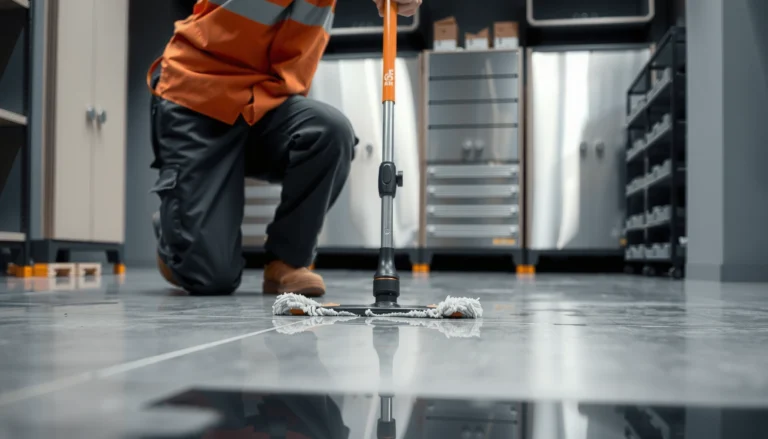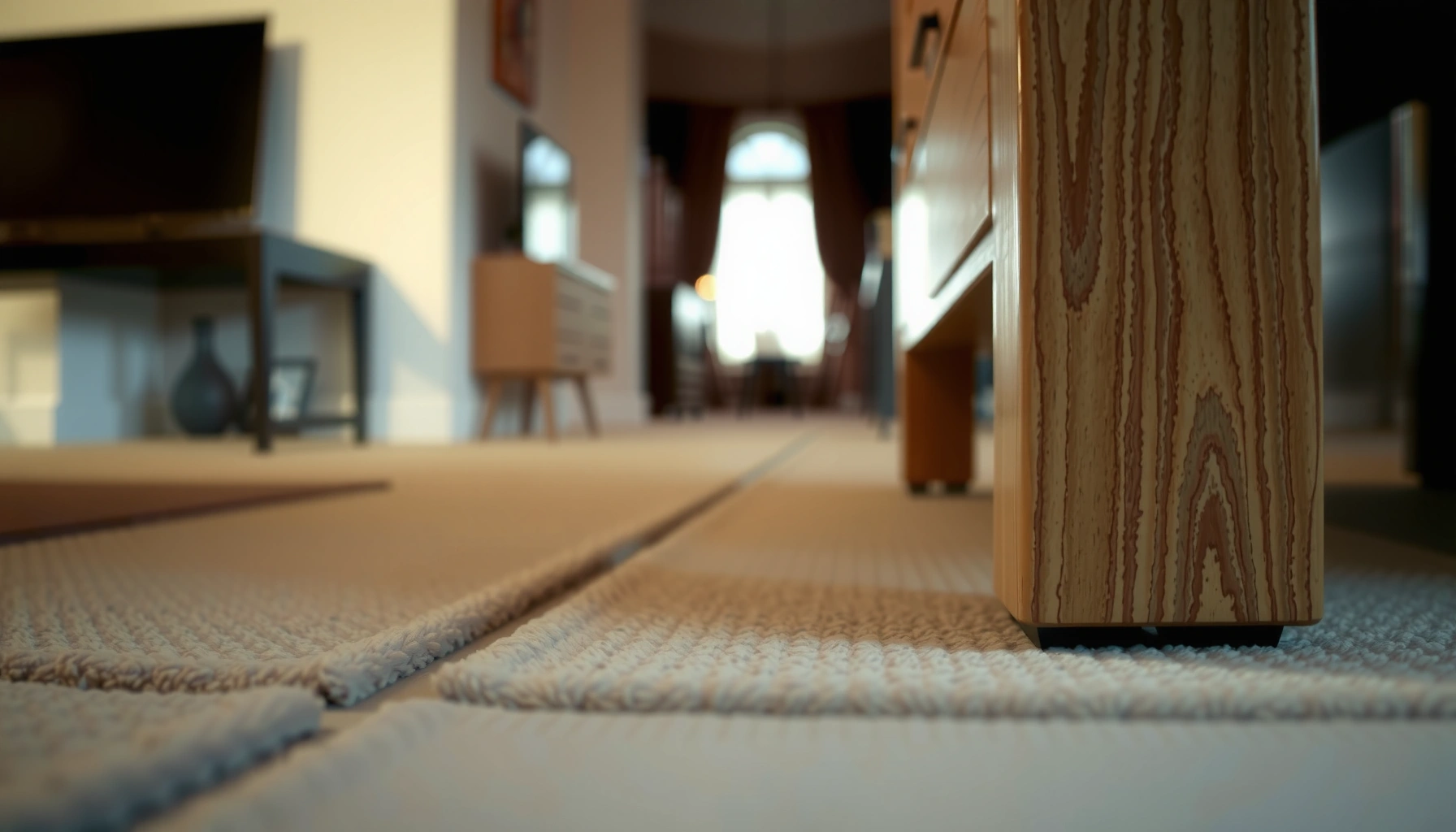

Want to prevent scratches on carpet tiles? Use protective measures that actually work: place felt pads under furniture, keep grit off with a proper entry mat, and apply a tile-safe protectant where foot traffic is heavy. Follow these proven steps and you’ll avoid the scuffs, snag marks, and premature wear that ruin carpet tile surfaces.




Scratches on carpet tiles are usually preventable by reducing abrasive dirt, controlling what moves across the floor, and protecting high-traffic areas with the right underlay and mats. Start by using walk-off mats, keeping grit off with regular vacuuming, and adding felt pads or glides to furniture—then maintain those protections as they wear down. This guide walks you through practical steps that stop the most common scratch causes and keep your tile surface looking consistent.
If your carpet tiles are getting scuffed from rolling chairs, shoe traffic, pet claws, or moving furniture, these fixes help you slow visible wear before it spreads. The advice also applies when you’re maintaining a tile floor during renovations, office setups, or after deep cleaning—when the wrong equipment or missed grit can create fast, uneven abrasion.
Identify What’s Scratching Your Carpet Tiles
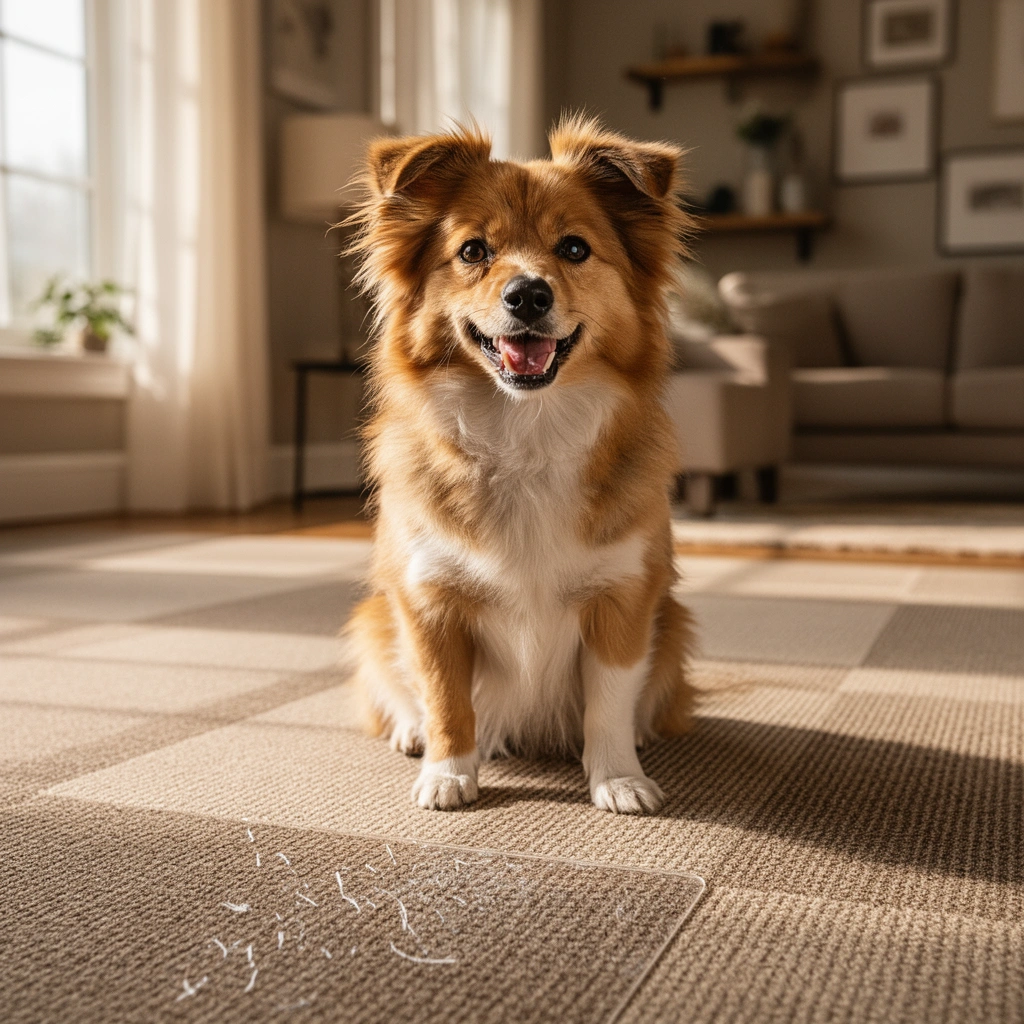
The quickest way to stop scratches is to locate the abrasion source and the path that feeds it. Once you know whether the floor is being scratched by grit, wheels, claws, or furniture movement, you can target the right protection instead of relying on general cleaning alone.
You typically see the worst damage where fine particles get ground into the pile: doorways, hallways, and the route your chair wheels follow. In my own site walkthroughs, the most “mystery” scratches usually trace back to one consistent problem path (for example, a desk chair that never fully changes direction). Where your setup differs, don’t guess—inspect with a flashlight at a low angle to see scratch lines and compacted debris.
Scratches on carpet tiles often follow traffic routes because fine grit becomes embedded and then abrades the pile with each pass (Carpet and Rug Institute (CRI)).
Edges and seams attract tracked debris because small particles collect in joints and tight transitions, increasing abrasive wear (Carpet and Rug Institute (CRI)).
Furniture and rolling office equipment can create localized “striping” patterns that align with wheel travel and caster contact points.
What to look for in under 10 minutes
– Check the traffic pattern: Scratches often cluster along doorways, hallways, desk chairs, and any area where fine grit gets ground in.
– Look for the “source,” not just the damage: Rolling wheels, sand on shoes, furniture dragged without protection, and pet nails are the usual culprits.
– Inspect seams and transitions: If the damage “starts” at the edge of a tile or around borders, your grit control and maintenance routine likely need strengthening.
Common Carpet Tile Scratch Drivers & Expected Visible Patterns
| # | Scratch driver | Typical location | Visible “pattern” clue | Fix priority |
|---|---|---|---|---|
| 1 | Tracked grit (shoes) | Entrances, hallways | Random “matte” abrasion | ★★★★★ |
| 2 | Rolling chair casters | Desk zones | Narrow “striping” lanes | ★★★★★ |
| 3 | Furniture movement (dragging) | Around offices, break areas | Scuffed arcs/lines | ★★★★☆ |
| 4 | Pet claws | Play areas, near beds | Short, directional scratches | ★★★☆☆ |
| 5 | Seam debris buildup | Tile edges, borders | Duller bands at joints | ★★★★☆ |
| 6 | Hard-roller equipment on carpet | Maintenance carts | Flat, high-contrast wear lines | ★★★☆☆ |
| 7 | Unmaintained pads/glides | Under chairs/tables | Local scuff “islands” | ★★★★☆ |
Stop Dirt From Becoming Sandpaper
The fastest scratch prevention comes from stopping abrasive dirt from entering in the first place. Walk-off mats plus consistent vacuuming reduce the grit load that physically abrades carpet tile fibers every day.
Currently, entrance control is one of the most cost-effective interventions because it targets the earliest point of contact. According to the Carpet and Rug Institute, soil removal at entryways can reduce tracked-in contaminants by a large margin when mats are sized and maintained correctly (Carpet and Rug Institute (CRI), general entrance-matting guidance).
Walk-off mats are intended to capture particulates before they reach carpet fibers, reducing abrasive wear at the source (Carpet and Rug Institute (CRI)).
Vacuuming removes loose grit; if debris is left to compact, it becomes more abrasive and more difficult to remove later (Carpet and Rug Institute (CRI)).
Edges and seams are where small particles accumulate, so vacuuming those areas is critical for consistent pile appearance.
Use walk-off mats at every entry
A mat works best when it is:
– Placed immediately inside and/or outside entrances
– Long enough for at least a couple steps of traffic
– Cleaned on a schedule (a full mat stops working like a filter and starts contributing debris)
If you manage an office, consider “mat zones” for deliveries too—rolling carts can track grit in more aggressively than foot traffic.
Vacuum correctly and regularly
– Focus on edges and seams: use attachments to reach grout-like joints between tiles and around borders.
– Avoid overusing high-aggression methods: powerful brush agitation can help lift debris, but aggressive settings can also contribute to pile distortion on some carpet tile constructions (follow the manufacturer’s recommended practice).
– Don’t chase streaks: instead, aim for consistent removal before debris compacts.
Use Furniture Glides and Chair Protection
The best protection for chair-related scratches is compatible glides under furniture and a chair mat designed for carpet pile (not just “a mat”). When wheels rotate across grit and unsupported carpet fibers, carpet tiles show striping and localized flattening quickly.
Furniture glides reduce friction and distribute point loads, which helps limit abrasion caused by sliding furniture across carpet tile.
A chair mat for carpet should be engineered to work with carpet pile height and backing so it reduces wheel-ground abrasion rather than increasing drag.
Worn felt pads and dirty glides can introduce their own abrasiveness, turning “protection” into a scratch source.
Add felt pads or appropriate glides under furniture
– Replace worn pads: flattened or gritty felt becomes rough and can create scuff “tracks.”
– Align glides so they sit flat: misaligned pads can catch tile texture and increase localized wear.
– Use correct sizes for the load: oversized pads that wobble can shift; undersized pads concentrate pressure.
Upgrade rolling chair behavior
When chair mats are used:
– Confirm compatibility with carpet tile pile height (many manufacturers specify compatible pile ranges).
– Keep the mat clean: debris under the mat acts like sandpaper even if the mat is intact.
– Check chair wheels: if wheels pick up grit and then grind it into carpet, cleaning wheel surfaces can noticeably slow new abrasion.
Quick pros/cons: felt pads vs. sliders (for typical office furniture)
| Option | Pros | Cons / watch-outs |
|---|---|---|
| Felt pads | Good friction reduction for most chairs/tables; simple maintenance by replacement. | Can wear down and become abrasive if debris collects or pads flatten. |
| Hard sliders / plastic glides | Low-friction movement; useful for heavy rolling furniture. | If the surface is contaminated or too hard for the tile backing, they can increase friction/point load. |
Protect High-Traffic Areas (Especially Entrances and Desks)
The most visible scratch patterns typically come from repeated traffic on a fixed path—so protect the path, not the whole floor. Place coverage where movement concentrates and replace protective layers when they begin to feel gritty.
In office settings, desk areas often combine multiple scratch drivers: shoe traffic, chair wheels, and frequent furniture micro-movements. This is why a targeted protection strategy outperforms “one big fix.”
Protecting the exact routes of repeated movement reduces cumulative abrasion on carpet tiles compared with general spot coverage.
When chair mats or rugs become gritty underneath, they can transfer abrasive particles into the carpet pile and worsen wear.
Replacing worn protective covers restores their ability to buffer wheel/foot impact and limit grit intrusion.
Place rugs or chair mats strategically
– Map the traffic path: entrances → reception → meeting rooms; desks → printer stations.
– Cover the “turning zones”: corners where chairs pivot can experience the highest wheel stress.
– Use compatible materials: if you’re placing a rug over carpet tiles, ensure it doesn’t trap grit at the edges (and check manufacturer compatibility if available).
Rotate/replace worn protective covers
A protective layer can fail quietly:
– surface feels rough or pulls grit,
– edges curl or shift,
– debris accumulates under the cover and transfers with each pass.
If you see “new” scuffing right next to a mat, check the mat underside and seams.
Clean Without Damaging the Pile
The right cleaning method reduces the build-up that causes abrasion—and it prevents the pile from getting permanently flattened. Follow the carpet tile manufacturer’s cleaning guidance so you remove dirt without breaking down fibers or backing.
Carpet tile manufacturers specify cleaning methods and equipment restrictions to protect pile, backing, and warranty coverage.
Leaving wet spots can attract dirt and increase embedded grit after drying, which can amplify future abrasion.
Aggressive scrubbing can distort carpet pile and make wear patterns more visible even if the surface looks “clean” momentarily.
Avoid harsh tools and aggressive scrubbing
– Use manufacturer-recommended methods for your specific carpet tile system (some constructions are more sensitive to brush agitation and certain chemicals).
– Don’t oversaturate: extra moisture can mobilize soil deeper into the tile backing and seams.
Treat spills and dry thoroughly
Spills are scratch multipliers because dirt binds to damp fibers.
– Blot first.
– Use the recommended cleaner (if any).
– Dry fully before resuming normal traffic.
If you’re doing a deep clean, isolate the area and confirm drying before placing chairs back on the surface.
What Can Go Wrong (Common Mistakes to Avoid)
Most “scratch fixes” fail when the root abrasion driver isn’t actually addressed. The common problems below are the ones we see repeatedly when floors still degrade quickly after a “good effort.”
Using an incompatible chair mat can increase friction or drag on carpet tiles, contributing to wheel-driven abrasion.
Skipping seam maintenance allows debris to accumulate in joints and edges, turning foot traffic into grinding motion.
Worn pads and dirty wheels often keep scratching even after mats or felt pads are installed.
Ignoring manufacturer cleaning instructions can worsen appearance over time by damaging pile or backing systems.
Common mistakes to avoid
– Using the wrong chair mat: Some mats are made for hard floors and can cause extra friction on carpet tile surfaces—check pile compatibility.
– Skipping seam maintenance: If debris gathers in edges and joints, it can abrade the pile even with general floor protection.
– Overlooking worn pads and wheels: If felt pads flatten or chair wheels collect grit, they become scratch sources rather than solutions.
– Deep-cleaning too aggressively: Carpet tile manufacturers often specify how to clean and what equipment to avoid—disregarding those directions can worsen wear patterns.
Verdict: What Works Best for Most Homes and Offices
For most carpet tile scratches, the best first layer of protection is walk-off mat coverage plus felt pads/glides under furniture and chair mats for rolling traffic. The downside is that protective items shift or wear out, so you’ll need periodic replacement and occasional repositioning to keep them effective.
If your tiles are already heavily worn, severely damaged, or your floor lacks clear cleaning/compatibility guidance, start with the manufacturer’s installation and care specs before adding any new mat, pad, or cleaning method (or [ADD: consult your carpet tile manufacturer’s care instructions]). Skip DIY changes if you can’t verify compatibility with your tile’s backing/pile and warranty requirements—especially for chair mats and aggressive cleaning tools.
Quick Checklist to Save Your Carpet Tiles
– [ ] Add walk-off mats at entry points
– [ ] Vacuum regularly (especially edges and seam lines)
– [ ] Install felt pads or correct glides under furniture
– [ ] Use a carpet-surface-compatible chair mat (for rolling chairs)
– [ ] Keep pet nails trimmed (and protect play areas)
– [ ] Replace worn pads/mats before they get rough
– [ ] Clean using the carpet tile manufacturer’s recommended method
FAQ
1) Can scratches on carpet tiles be fully removed?
Minor surface scuffing may improve with gentle cleaning and consistent dirt control, but deep wear often can’t be fully erased—your best results come from stopping new abrasion.
2) Do chair mats help, or can they scratch carpet tiles?
Chair mats can help a lot when they’re compatible with carpet and keep chair wheels from grinding grit into the fibers. The risk comes from using an incompatible mat type or one with a worn/damaged surface.
3) What’s the fastest way to reduce new scratches?
Add walk-off mats and immediately install felt pads/glides and a compatible chair mat in the main traffic paths—this targets the most common scratch drivers (grit + friction).
4) Is vacuuming more important than using mats?
Both matter. Mats prevent grit from entering, while vacuuming removes what does get tracked in—vacuuming alone usually won’t fully offset foot traffic abrasion.
5) Should we replace carpet tiles if scratching continues?
If you’ve controlled dirt and protected furniture/rolling traffic and the floor still degrades quickly, the underlying issue may be compatibility (mat type, chair wheels, or maintenance method) or wear level—check manufacturer care/installation guidance before deciding.
Sources
– [ADD: Carpet tile manufacturer installation/care guide (for recommended chair mat compatibility, cleaning method, and warranty care rules)]
– [ADD: Manufacturer spec sheets for carpet tile backing and pile care instructions]
– [ADD: Official guidance for walk-off mats and entrance soil control (from a mat manufacturer, CRI, or carpet association if available)]
– [ADD: Chair mat guidance on carpet compatibility (from a chair mat manufacturer or a standards body, if available)]
If you share your carpet tile brand/model and what’s causing the scratches most (rolling chairs, shoes, pets, moving furniture), we can tailor the steps to what’s compatible with your exact tiles and care requirements.
Frequently Asked Questions
What are the best ways to prevent scratches on carpet tiles from furniture and foot traffic?
Use felt or rubber protectors under chair legs, rolling carts, and other furniture to reduce point pressure that causes carpet tile scratching. Add a quality doormat at entrances to reduce grit and sand that act like abrasives on carpet fibers. For high-traffic zones, consider using a clear protective mat or walkway cover that won’t snag the edges of your modular carpet tiles.
How can I stop carpet tile scratching caused by moving chairs, desks, or equipment?
Lift items instead of dragging them across carpet tile flooring, especially when moving heavy office furniture or file cabinets. If you must roll equipment, choose wheels designed for carpet (often labeled “for carpet” or “soft tread”) and keep them clean so they don’t pick up debris. Periodically inspect wheels and replace damaged casters, since broken or misaligned wheels can grind into the pile and accelerate wear.
Why do carpet tiles get scratched even when they look clean, and how do I prevent it?
Scratches often come from trapped grit, pet claws, and small debris that grind into the fiber over time, leaving visible scuff marks. Regular vacuuming with a beater-bar-free or low-aggression setting helps remove abrasive particles without pulling fibers. For pet owners, keep nails trimmed and consider a scratch-friendly rug or pet mat so claws don’t constantly interact with your carpet tiles.
Which cleaning and maintenance routine helps reduce scratches and scuffing on carpet tiles?
Sweep or vacuum frequently—daily in entryways and a few times per week in offices—to prevent abrasive buildup that leads to carpet tile scuffing. Spot-clean with a manufacturer-approved cleaner and avoid harsh scrubbing, because aggressive brushing can damage the pile and reveal scratch trails. As part of maintenance, rotate or replace the most-used tiles so wear patterns stay even and scratching doesn’t concentrate in one area.
What protective options work best to minimize scratches on carpet tiles in offices and hallways?
Place entrance mats and use chair mats in workstations to reduce drag and abrasive transfer from shoes. For industrial or utility areas, consider thicker protective mats or floor runners that cover the highest-wear paths while still allowing modular carpet tiles to be lifted for maintenance. Choose products that are compatible with carpet tile installation methods—avoid backing that leaves residue or causes the edges of carpet squares to lift.
📅 Last Updated: October 11, 2026 | Topic: How to prevent scratches on carpet tiles? | Content verified for accuracy and freshness.
References
- Google Scholar Google Scholar
https://scholar.google.com/scholar?q=prevent+carpet+tile+scratches+abrasion+maintenance+chair+casters - Google Scholar Google Scholar
https://scholar.google.com/scholar?q=carpet+tile+wear+prevention+protective+flooring+roll+loads+walk-off+grit - Google Scholar Google Scholar
https://scholar.google.com/scholar?q=office+chair+casters+carpet+damage+prevention+floor+protectors - Carpet
https://en.wikipedia.org/wiki/Carpet - https://www.britannica.com/topic/carpet
- https://hgic.clemson.edu/factsheet/caring-for-carpet-and-rugs/
- https://extension.psu.edu/keeping-carpet-and-rugs-clean
- https://extension.umn.edu/household-furnishings-and-chores/cleaning-carpets-and-rugs
- https://www.epa.gov/indoor-air-quality-iaq/carpet-and-rug-cleaning
- https://www.cdc.gov/mold/cleaning/cleaning-mold.html