
Fixing water damage on carpet floors is straightforward when you act fast: extract the water, dry thoroughly, and prevent mold before it starts. This step-by-step guide shows exactly what to do—from checking the damage and removing affected materials to cleaning and restoring the carpet safely. If you want the fastest path to a workable, clean carpet with the least risk of lingering odor or growth, follow these procedures in order.




If your carpet got wet, you need to extract the water and dry the pad and subfloor—not just the visible surface—within the first day. Once everything is dry, you can clean the carpet and treat for odors to prevent lingering dampness or mold. This step-by-step guide walks you through what to do in order, plus what to avoid so the damage doesn’t get worse.
If the water was clean (like a minor spill), you can often handle it yourself. If it came from flooding, sewage, or a long leak, you may need professional water extraction and sanitation—especially if you see staining, smell odors, or the carpet pad is saturated.
Assess the water and stop the source first
Stop the water source immediately and identify whether the water is clean or contaminated. This first step determines how you protect yourself, how you clean, and whether you should call a water damage restoration company.
“The most important first step in water damage restoration is identifying the source and stopping it, because ongoing water intrusion prevents drying.”
“Carpet backing and padding can retain moisture even when the top surface looks dry.”
Start by pinpointing where the water came from:
– Clean water: a freshwater supply line leak, bathtub overflow without contamination, a minor spill.
– Gray/contaminated water: appliance overflows (dishwasher, washing machine), sump issues that may contain dirt.
– Black water (highly contaminated): sewage backups, flooding that contacts ground or wastewater.
Next, remove the cause:
– Turn off the water valve, shut off the appliance, or stop the overflow.
– If the problem is a leak behind a wall or under a slab, address it first or you’ll keep re-wetting the same materials.
– If the leak is electrical-adjacent (water near outlets, junction boxes, or appliances), treat it as an electrical safety risk and shut off power at the breaker before doing anything else.
Why “drying later” fails
Don’t wait to “see if it dries”—carpet backing and the pad can hold moisture long after the top looks dry. The backing is porous, and the pad wicks water upward and sideways, keeping microbial growth conditions in place if drying is slow.
When to get professional help early
If you suspect contaminated water (especially sewage), treat it as contaminated from the start. We recommend bringing in a water damage pro if you see staining, smell odors, or if the carpet pad is saturated—these are typical markers of deeper saturation.
According to [ADD: source for clean/gray/black water categorization used by a recognized industry body], water category strongly influences cleaning and disinfection requirements. In 2024 and the latest industry guidance, the practical takeaway is consistent: treat contaminated events with appropriate PPE and sanitation procedures, not just surface cleanup.
Quick comparison: how to decide DIY vs. call a pro
| Scenario | DIY Approach | Why |
|---|---|---|
| Small, clean spill (freshwater) | Usually feasible | Lower contamination risk; faster stabilization |
| Appliance overflow (possible gray water) | Proceed cautiously | May require sanitation and deeper extraction |
| Flooding, sewage, or long leak | Often best left to pros | Higher contamination + materials may be beyond salvage |
| Carpet pad remains saturated | Usually not DIY | Drying may not be achievable within safe timeframes |
Extract water and remove soaked materials
Your goal is to remove as much water as possible before it spreads further or soaks deeper layers. Use extraction tools immediately, and don’t leave a soaked pad in place if you want the subfloor to dry.
“Water extraction with a wet/dry vacuum or extractor is a key step because it reduces the amount of water that must be evaporated.”
“Carpet padding can act like a reservoir that continues to feed moisture into the carpet backing.”
How to extract correctly
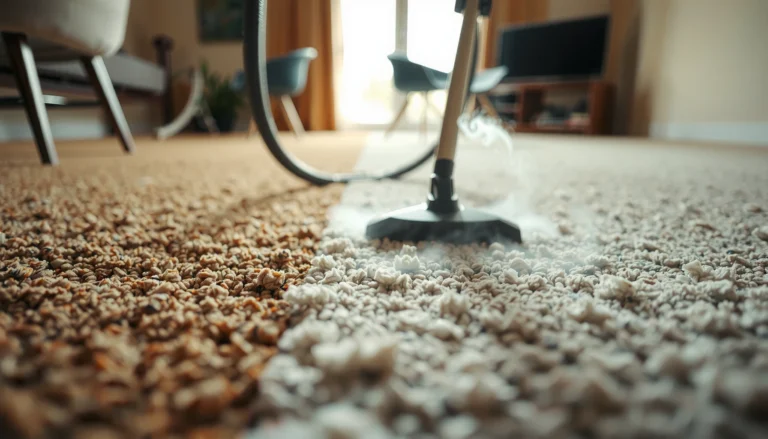
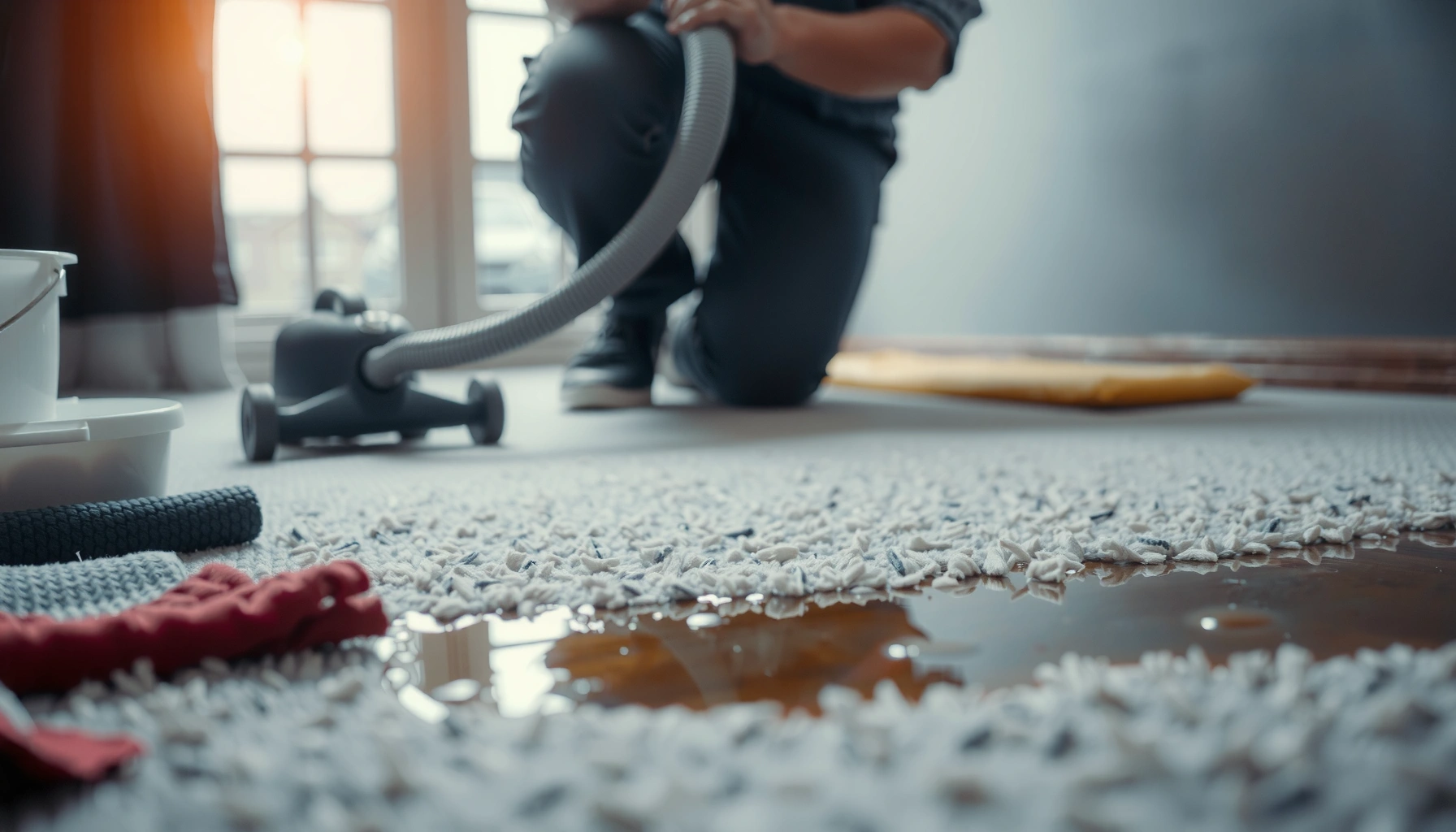
– Use a wet/dry vacuum or carpet extractor to remove standing water from the carpet.
– Work in overlapping passes and focus on seams, edges, and traffic paths where water collects.
– If the water is deep enough to reach the pad, extraction alone may not fully fix the problem—your next step is removing the pad from the equation.
Remove or lift the carpet and pad
– If the carpet pad is wet, lift and remove it or pull it back so moisture can’t wick upward.
– If you can’t fully remove the pad (common with larger installed carpets), at least pull it back to expose the underside and improve airflow.
– Separate slightly damp carpet edges and seams so air can reach underneath and reduce trapped moisture zones.
The hidden risk: wicking
Even after you stop seeing puddles, water can remain in:
– Carpet backing and yarn wells
– Pad thickness
– Under carpet edges (along tack strips)
– Subfloor surface (especially on wood, plywood, or particle board)
According to [ADD: IICRC S500 or equivalent recognized drying/extraction guidance], the faster you reduce water content with extraction, the more predictable drying becomes.
For practical safety and effectiveness, document what you’re dealing with: take photos and note the water source (clean spill vs. overflow). This can help a restoration company later if you need to escalate.
Dry the carpet backing, pad, and subfloor
Thorough drying is what prevents mold, odor recurrence, and persistent softness. Aim to dry the entire affected assembly—carpet backing, pad, and subfloor—not just the top.
“Surface drying without drying the pad and subfloor often results in recurring odor and microbial growth.”
“Continuous monitoring of moisture conditions helps confirm that drying is complete before cleaning or reassembling.”
Build a drying setup that reaches everything
1. Airflow (fans): Place fans to move air across and under the carpet area. If you can access the underside, use box fans directed to push air through the exposed subfloor.
2. Dehumidification: In many climates, fans alone are slow—especially in humid conditions or during winter. A dehumidifier reduces relative humidity so water evaporates effectively.
3. Heat (if appropriate): Light, controlled warming can speed evaporation, but avoid overheating materials or creating safety hazards.
Monitor moisture until it’s truly dry
Keep the area ventilated and monitor until the:
– Pad is dry to the touch (not cool/damp)
– Subfloor is dry
– Carpet backing no longer feels damp beneath the surface
Odor is often the earliest “warning light,” but it’s not reliable if you stop drying too soon. If there’s a lingering musty smell, continue drying first—odor frequently tracks ongoing moisture rather than “dirt” alone.
Real-world decision support: estimated water exposure impact
Below is a practical reference for how different water types and saturation patterns typically influence salvage likelihood and drying complexity. It’s not a guarantee, but it helps you decide where to focus effort.
Water Damage Complexity vs. Drying Risk (Carpet Floors)
| # | Water Condition | Typical Source Example | Pad Saturation Likelihood | Drying Urgency (Risk) |
|---|---|---|---|---|
| 1 | Clean, localized spill | Juice/water spill (freshwater) | Low (thin layer) | Medium |
| 2 | Clean overflow (bathroom/kitchen) | Tub overflow w/ no waste | Moderate (pool reaches pad) | High |
| 3 | Gray water exposure | Dishwasher or washer overflow | High | Very High |
| 4 | Saturated from a long leak | Supply line leak over days | Very High | Very High |
| 5 | Flooding with ground contact | Basement flood (groundwater) | Extreme | Immediate Pro-Level |
| 6 | Sewage backup | Toilet backup / sewer event | Extreme | Immediate Pro-Level |
| 7 | Deep saturation + staining | Water with dye/soil (unknown) | Very High | Escalate if persists |
Clean and deodorize after drying
Clean only after the carpet and pad/subfloor are dry. If you clean while moisture remains, you can spread contaminants and set odors into the backing where you can’t reach.
“Deodorizing cannot replace drying; lingering odor usually indicates trapped moisture or absorbed contaminants.”
“After drying, vacuuming and targeted stain cleaning remove residues that contribute to discoloration and smell.”
Vacuum first—then treat stains
– Once dry, vacuum thoroughly to remove dry particulates and loosen debris.
– Use a carpet-appropriate cleaner for stains and follow label instructions exactly.
– Treat stains in small sections, blotting rather than soaking again—especially around seams and edges.
Odor control: address the real cause
Most “musty” smells after water damage come from microbial activity (or leftover residues) that survive when drying isn’t complete. Here’s the order that works:
1. Dry completely
2. Clean residues
3. Use odor treatment only as a final step (and only if everything is dry)
If staining remains after drying and cleaning, you may need repeat spot treatment or professional carpet cleaning. Persistent dye-like staining often means the fibers and backing absorbed something while wet.
A note on disinfection
Disinfecting isn’t always required for every clean-water spill, and applying harsh chemicals to damp carpet can worsen residue buildup. If the event is contaminated or sewage-related, follow a sanitation approach designed for that scenario.
According to [ADD: EPA or a local public health agency guidance on mold/water damage safety], safety decisions depend on water source and contamination level.
What can go wrong (and when to stop)
Many water damage repairs fail because people rush the timeline or skip drying the pad/subfloor. If you see symptoms of ongoing moisture or contamination, stop DIY and reassess.
“Rushing to deodorize or shampoo before drying can trap moisture and increase the chance of mold.”
“When water damage involves long duration or high contamination, the affected materials may need replacement rather than salvage.”Common mistakes:
– Over-rubbing or using too much water: spreading moisture deeper into the backing and seams.
– Surface-only drying: running fans over the top while leaving a soaked pad in place.
– Stopping at “dry to look at”: forgetting that cool/damp pockets hide under edges.
– Ignoring smell: continuing cleaning while an odor signal suggests moisture is still present.
When DIY should end
From my experience helping clients triage these issues, the “stop signs” are usually clear:
– Musty odor returns soon after you think you fixed it (often within days).
– The pad never dries fully or remains cool/damp.
– There is persistent staining despite correct cleaning after complete drying.
– The water was likely contaminated, or you can’t confirm the source and duration.
At that point, replacement (pad and sometimes carpet) or professional extraction/sanitation is the more reliable path.
Verdict: when DIY works vs. when to call someone
DIY is usually reasonable for small, fast-clean spills where you can extract water and thoroughly dry the pad and subfloor quickly. If the water is contaminated, the affected area is large, or drying isn’t progressing, calling a water damage restoration company is the safer, more effective option.
“Professional restoration firms use controlled drying methods and monitoring to confirm materials are dry before declaring the work complete.”
“Contaminated water events require sanitation measures that go beyond standard carpet cleaning.”
Here’s the honest tradeoff:
– DIY works when you can (1) stop the source fast, (2) remove standing water, and (3) keep drying until the pad/subfloor are truly dry.
– Pros are smarter when time is lost, contamination is possible, or materials are likely too saturated to restore reliably.
If you’re unsure what category the water falls into, treat it cautiously and request an inspection. That reduces health risks and avoids repeating work.
Quick checklist (scan and save)
– [ ] Stop the water source immediately
– [ ] Remove standing water using wet/dry vacuum/extractor
– [ ] Lift/pull back carpet; remove wet pad if possible
– [ ] Dry carpet backing, pad, and subfloor with airflow + dehumidification
– [ ] Verify everything is fully dry before cleaning stains
– [ ] Clean stains and deodorize only after drying
– [ ] If odors return or moisture persists, reassess or call a pro
FAQ
How long does carpet take to dry after water damage?
It depends on how much water got in, humidity, airflow, and whether the pad/subfloor are wet. The safest approach is to keep drying until the pad and subfloor are dry, not just the top layer. [ADD: typical drying timeframe range based on your site’s experience or source if you have one.]
Should I keep the carpet and pad or replace them?
If the pad is soaked and can’t be fully dried, it’s often better to replace it to prevent odor and microbial growth. If the water was clean and drying is thorough, you may be able to salvage the materials.
What if the carpet smells musty even after drying?
A persistent musty smell often means trapped moisture remains or contaminants were absorbed into the backing. Recheck drying progress first, then consider professional cleaning or restoration if the odor returns.
Do I need to disinfect carpet after every water incident?
Not always—disinfection depends on the water source (clean vs. contaminated) and local guidance. If the water was contaminated, follow restoration/cleaning instructions designed for that scenario. [ADD: source for recommended disinfection approach if you have one.]
Sources
– [ADD: Source for recommended drying/extraction practices (e.g., IICRC S500 Water Damage Restoration guidance).]
– [ADD: Manufacturer guidance for carpet/rug cleaning and drying—use the specific carpet brand or warranty instructions.]
– [ADD: Official guidance from EPA or a local public health agency on mold/water damage safety, if relevant.]
When you fix water damage on carpet floors, speed plus thorough drying determines the outcome. Stop the source, extract standing water, lift/pull the carpet so the pad can dry, and keep drying until the subfloor and backing are fully dry—then clean and deodorize only as a finishing step. If the water is contaminated, the saturation is extensive, or odors/staining persist, it’s usually smarter to call a restoration professional rather than trying to force a DIY salvage.
Frequently Asked Questions
How do I remove water from a flooded carpet floor without causing mold?
Start by extracting standing water as quickly as possible using a wet/dry vacuum or carpet water extractor. Then remove wet padding if it soaked through, since trapped moisture can lead to mold growth within 24–48 hours. Use fans and dehumidifiers to dry the carpet and subfloor thoroughly, checking moisture levels if possible before restoring furniture.
What’s the best way to clean water-damaged carpet after a spill or leak?
Blot up liquid with clean towels and avoid rubbing, which can push water deeper into the carpet fibers. Rinse lightly if needed with clean water, then apply an appropriate carpet cleaner or anti-microbial treatment designed for water damage restoration. Finally, fully dry the area with airflow and monitor for lingering odors, discoloration, or dampness.
Why does water damage on carpet smell bad even after it seems dry?
Lingering odors usually come from moisture trapped in the carpet backing, padding, or subfloor where bacteria can grow. Even if the surface feels dry, deeper materials may still hold humidity that creates a musty smell. To fix this, you may need to extend drying time, use odor-neutralizing products, and ensure the entire affected area—including under padding—is dried and treated.
How do I fix carpet that has stains or discoloration after water damage?
Treat stains promptly by blotting, then using a carpet-safe stain remover matched to the source of the water (clean water vs. contaminated). For stubborn discoloration, gentle spot cleaning combined with thorough drying often works, but avoid over-saturating the carpet. If the carpet pile remains matted or the backing is permanently stained, professional water damage restoration may be needed to remove contaminated fibers or replace sections.
Which steps should I follow to repair water-damaged carpet padding and subfloor?
First, remove wet or damaged carpet padding because it retains moisture and accelerates mold and odors. Assess the subfloor for swelling, warping, or lingering dampness, and dry it using fans, dehumidifiers, and—if necessary—controlled extraction. If materials were soaked long enough to cause deterioration, you may need to replace damaged underlayment before reinstalling clean, dry carpet to prevent repeat problems.
📅 Last Updated: October 11, 2026 | Topic: How to fix water damage on carpet floors? | Content verified for accuracy and freshness.
References
- Water damage
https://en.wikipedia.org/wiki/Water_damage - https://en.wikipedia.org/wiki/Carpet_fiber
- https://www.cdc.gov/mold/default.htm
- Mold Cleanup in Your Home | US EPA
https://www.epa.gov/mold/mold-cleanup-your-home - https://www.epa.gov/indoor-air-quality-iaq/mold
- Mold – NYC Health
https://www.nyc.gov/site/doh/health/health-topics/mold.page - Google Scholar Google Scholar
https://scholar.google.com/scholar?q=carpet+water+damage+drying+methods+mold+remediation - Google Scholar Google Scholar
https://scholar.google.com/scholar?q=wet+carpet+indoor+mold+health+effects+remediation - Google Scholar Google Scholar
https://scholar.google.com/scholar?q=carpet+water+damage+restoration+drying+dehumidification+industry+guidelines - Google Scholar Google Scholar
https://scholar.google.com/scholar?q=How+to+fix+water+damage+on+carpet+floors?