
Want to know how to clean carpet floors with results that actually last? Follow these simple, proven steps—vacuum properly, spot-treat stains fast, and use the right water-and-cleaner method—so dirt lifts instead of gets pushed deeper. You’ll get a clear, practical routine for freshening high-traffic areas and restoring a visibly cleaner carpet without guesswork.




Carpet floors clean best when you remove loose debris first, then use the right method for the type of dirt (vacuuming for everyday buildup, spot-cleaning for stains, and deeper cleaning for odors or high-traffic grime). Start with gentle pretreatment, blot instead of scrubbing, and let the carpet dry fully to prevent lingering smells or mildew. In this guide, you’ll learn a straightforward, safe process—from daily care to stain and deep-clean routines.
If you have carpet in a home, rental, office, or any space that sees foot traffic, this is for you—especially if you’re trying to get results without damaging the fibers or backing. It’s also useful when you’re not sure whether you should spot-clean or do a full wash.
Gather the right supplies before you start
The fastest, most reliable carpet clean starts with the right tools and the right “amount” of cleaning product—too much liquid is usually what causes residue and lingering odors. Use tools that match your carpet type and your cleaning goal (everyday debris vs. spots vs. odor).
Carpet care labels and manufacturer guidance are the controlling source for what cleaning methods and brushes are safe for a specific carpet and backing system.
Blotting is recommended for most carpet stains because aggressive scrubbing can fray fibers and push soil deeper into the pile and backing.
Moisture management matters: when carpet stays damp, the backing can hold moisture longer than the surface, increasing odor and mold-risk conditions.
Before you begin, locate your carpet’s care label (often on the underside of a closet door, in a manual, or on an installation packet). The reason is simple: different carpets (nylon, polyester, wool, olefin) and backings (latex, jute, synthetic cushions) respond differently to water, detergents, and brushing.
Vacuum and agitation
– Use a vacuum with a beater/brush roll only if your carpet manufacturer says it’s safe (the care label is the authority).
– For delicate loops or low-pile styles, a suction-only nozzle is often safer because rotating brushes can snag or fuzz fibers.
For stains (spot cleaning)
– Plain white cloths or white paper towels
– A spray bottle (for controlled application)
– A mild carpet cleaner or upholstery-safe solution designed for carpet fibers
Avoid “random” cleaners
Many cleaners intended for tile, grout, or heavy degreasing can leave sticky residue or damage backing materials. If you’re unsure, choose a carpet-specific product and keep it conservative—carpet doesn’t need aggressive chemistry to improve if you’re blotting and rinsing properly.
Drying tools that prevent repeat mess
If you expect to use water (even for a spot), have a fan, dehumidifier, or good ventilation ready. According to the U.S. Environmental Protection Agency (EPA), controlling moisture is key to preventing mold problems in indoor environments; drying faster reduces the time moisture is available. [ADD: EPA indoor moisture/mold prevention guidance source]
Vacuum correctly to remove everyday dirt
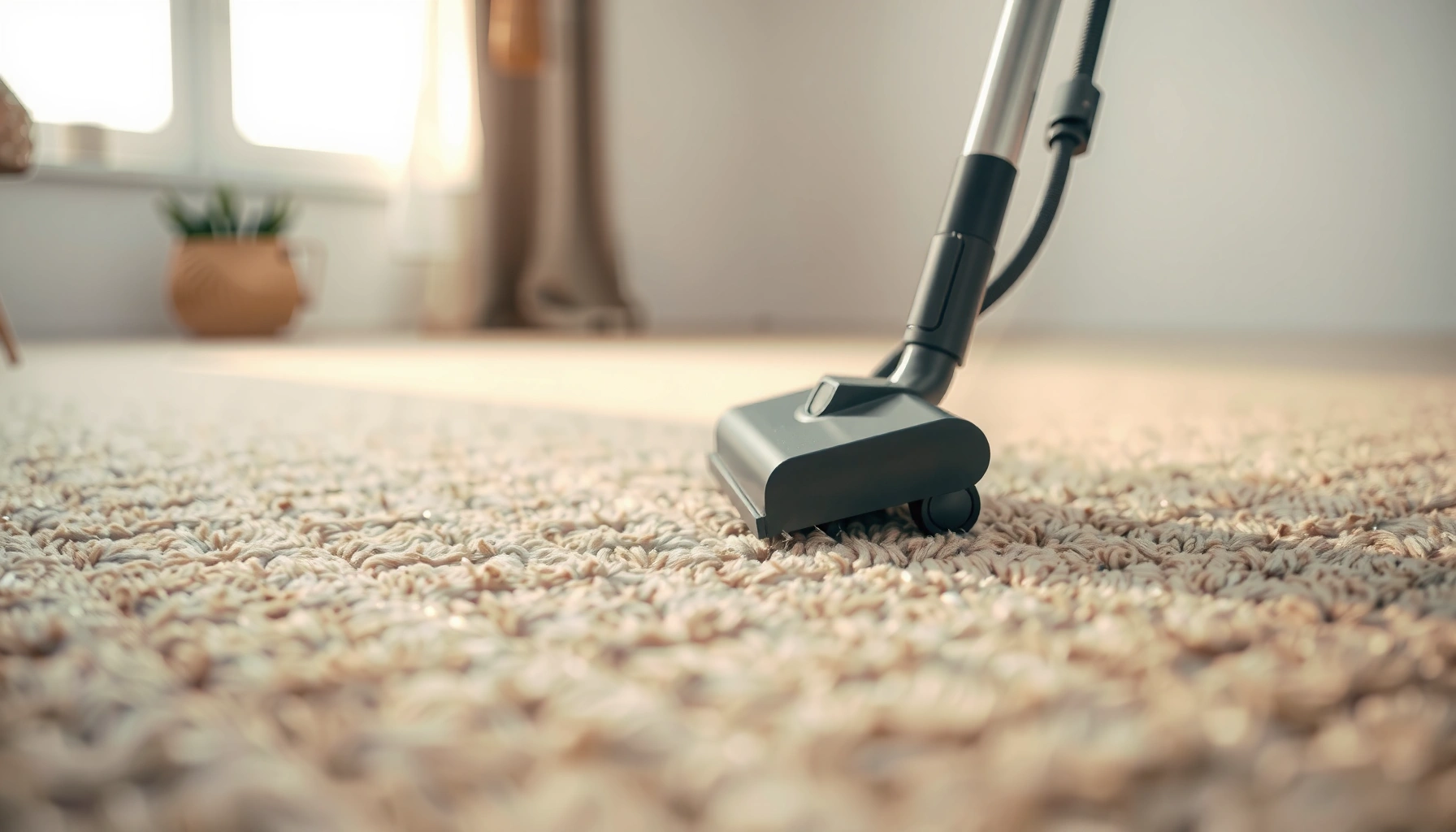
The best time to clean carpet is before dirt becomes embedded—vacuuming removes dry particles that would otherwise grind into fibers. Do it slowly, with overlapping passes, and with good airflow so you actually lift debris rather than redistribute it.
Carpet vacuums are most effective when they maintain strong suction and clear airflow; clogged filters or full bins reduce pickup and leave grit behind.
Overlapping passes and different angles help recover debris that sits deeper than the first pass can reach.
Edges and seams accumulate soil because foot traffic concentrates there and carpet backing creates natural “channels” for dust to settle.
Here’s the approach I recommend for most homes and offices: treat vacuuming like a technique, not a quick pass.
How to vacuum for maximum pickup
– Slow down and use overlapping passes. Rushing is the #1 reason people feel like they “vacuumed” but still see dust later.
– Change direction: do at least two passes at different angles. This improves removal of grit aligned with the way people walk.
– Focus on the “soil lanes”:
– edges against baseboards
– seams and transitions (doorways, hall splits)
– high-traffic paths from entryways to rooms
Know when suction has dropped
– Empty the bin or replace the bag when airflow drops.
– Check filters (especially after pet hair cleanups). Reduced suction is one of those problems you don’t “feel,” but you see later as embedded dirt.
One quick reality check about filtration
If you’re managing allergies or dust sensitivity, consider your vacuum’s filtration. HEPA filtration is often described as capturing 99.97% of particles at 0.3 microns (a widely used standard definition). [ADD: source for HEPA 99.97% @ 0.3 µm definition] This doesn’t replace good technique, but it can reduce the amount of fine particulates you re-release into the air while vacuuming.
Spot-clean stains the safe way (blot, don’t scrub)
Spot cleaning works when you treat the stain gently and prevent it from spreading into the backing. The core method is simple: pretreat lightly, blot from the outside toward the center, and use only the amount of cleaner that the instructions support.
Blotting from outside-to-center reduces stain spread because it limits how much liquid and dissolved soil migrates laterally.
Applying carpet cleaner sparingly helps prevent over-wetting and residue buildup, which can cause faster re-soiling.
Testing cleaner in an inconspicuous area is a standard best practice to confirm colorfastness and avoid backing damage.
A reliable stain sequence that prevents repeat marks
1. Blot first (if fresh)
If the stain is still wet, press a white cloth/paper towel on the spot to lift liquid. Don’t scrub—scrubbing creates friction heat and fiber distortion.
2. Pretreat lightly
Spray a small amount of carpet cleaner onto the cloth (or directly on the stain only if your product instructs it). Work in small areas so you don’t soak the surrounding carpet.
3. Blot repeatedly
Move to a clean section of cloth each time. Continue until no more color/soil transfers.
4. Rinse only if the product says to
Some carpet cleaners require a rinse step; others don’t. Residue is a major reason stains “come back,” because leftover surfactants attract dirt.
Spot-cleaning technique details that matter
– Outside → center: prevents widening.
– Use pressure, not motion: steady pressure lifts more than quick rubbing.
– Avoid oversaturation: carpet backing can hold liquid longer than the pile looks wet.
When to stop spot cleaning
If you’re dealing with:
– widespread staining across a room
– unknown liquid sources (e.g., unidentifiable spills)
– persistent odors that don’t lift with blotting
…then you’re often better off moving to deeper cleaning (and controlling drying carefully).
Which Technique to Use for Common Carpet Stains
| # | Stain Type | Best First Step | Typical Cleaner | Effectiveness |
|---|---|---|---|---|
| 1 | Mud / Dry Soil | Let dry, then vacuum | Carpet spot cleaner | ★★★★★ |
| 2 | Coffee / Tea | Blot wet spill | Upholstery-safe carpet cleaner | ★★★★☆ |
| 3 | Wine / Juice | Blot, then pretreat | Carpet colorfast spot remover | ★★★☆☆ |
| 4 | Grease / Food Oils | Blot excess, avoid scrubbing | Carpet-safe degreaser (if labeled) | ★★★☆☆ |
| 5 | Pet Accidents (Urine) | Blot, then enzyme/odor cleaner | Enzyme-based odor product | ★★★★☆ |
| 6 | Mud + Water Mixtures | Dry, then vacuum; spot as needed | Carpet spot cleaner | ★★★★☆ |
| 7 | Blood | Blot cold (don’t heat) | Carpet stain remover made for protein | ★★★☆☆ |
Deep clean carpet floors when buildup shows up
Deep cleaning is the move when you see persistent dullness, recurring odors, or heavy traffic grime that vacuuming and spot treatment can’t lift. You have two common pathways: hot water extraction (often called steam cleaning) or a carpet shampoo/foam approach recommended for your carpet.
Hot water extraction is designed to loosen soil and recover it with suction, which is why rinsing and extraction steps are central to many carpet-cleaning standards.
Deep cleaning should be done in controlled sections to avoid oversaturating the carpet and prolonging drying times.
Faster drying reduces the window where moisture can contribute to odor and potential microbial growth conditions in porous materials.
Choose a method based on your carpet and equipment
– Hot water extraction (steam cleaning): widely used for embedded grime and restoring appearance, especially when equipment can extract water effectively.
– Carpet shampoo/foam methods: can work for some carpets, but they often require strict dwell times and (when indicated) rinsing to minimize residue.
If you rent, share space, or don’t have the right extraction equipment, consider professional service—poor deep cleaning often comes from incomplete extraction and slow drying.
Control moisture and drying time
– Work in small sections.
– Avoid saturating the carpet.
– Use fans to speed drying. If humidity is high, additional ventilation or a dehumidifier helps.
To connect this with indoor air safety: the EPA emphasizes that moisture control is the basis of mold prevention and that damp materials can become problematic over time. [ADD: EPA moisture/mold prevention guidance source]
When deep cleaning helps most
Deep cleaning tends to be worth it when you can’t fix the issue with routine vacuuming:
– odors that return within days
– high-traffic lanes that look permanently “gray”
– residue-like buildup after repeated spot cleaning
What can go wrong (and how to avoid it)
Most carpet cleaning failures come from three things: damaging the fibers, overwetting the backing, or using products that leave residue. Avoid those outcomes with a predictable process and manufacturer-aligned choices.
Scrubbing stains can damage the pile and spread dissolved soil, making the stain harder to remove and more likely to reappear.
Over-wetting slows drying and increases the chance that the backing holds moisture longer than the top surface appears wet.
Using incorrect chemicals can discolor fibers or degrade backing materials, especially when carpets are treated with protective coatings.
Common mistakes—and what to do instead
1) Scrubbing stains
– Why it fails: friction and agitation push soil deeper and fray fibers.
– Fix: blot from outside → center, and apply cleaner sparingly.
2) Over-wetting
– Why it fails: the pile surface may dry while the backing stays damp.
– Fix: use less liquid, work in sections, and speed drying with airflow.
3) Ignoring the care label
– Why it fails: some carpets and treatments require specific cleaning agents and methods.
– Fix: follow manufacturer guidance for brush types, chemical compatibility, and rinse needs.
4) Using the wrong product
– Why it fails: bleach, harsh solvents, or strong degreasers can discolor or degrade materials.
– Fix: use carpet/ upholstery-safe products and spot-test.
5) Not drying fully
– Why it fails: trapped moisture can create musty odor and long-term backing issues.
– Fix: keep fans running until fully dry before normal foot traffic resumes.
Quick comparison: when to choose what
| Approach | Use it for | Avoid when |
|---|---|---|
| Vacuuming | Everyday buildup, dry dust, surface grit | Wet stains that need blotting first |
| Spot cleaning | Localized stains and early spill marks | Strong odors from deep contamination without moisture control |
| Deep cleaning | Odors, heavy traffic grime, room-wide dullness | You can’t dry the carpet fully afterward |
Verdict: follow this process, but skip deep cleaning if you can’t dry fully
This cleaning approach is reliable for most carpet floors because it follows the core logic of carpet care: remove loose particles first, treat stains gently, and deep clean only when you can control moisture and drying. The downside is time—spot cleaning still takes patience, and deep cleaning requires drying support (fans/ventilation).
Skip full deep cleaning if you can’t get good airflow, if the carpet backing is already compromised, or if your carpet’s care label advises against your chosen method; in those cases, stick to vacuuming and targeted spot treatment or consult a professional.
Also, one practical note: different carpets respond differently to chemicals and water. I can’t claim a “universal” outcome without your carpet’s fiber type and backing specs, so the most dependable path is still manufacturer guidance + conservative application + full drying.
Quick checklist you can save
– [ ] Vacuum slowly in overlapping passes (edges + high-traffic areas)
– [ ] Blot stains with a clean white cloth (outside → center)
– [ ] Apply cleaner sparingly; test in an inconspicuous spot first
– [ ] Rinse only if the product instructions say to
– [ ] Deep clean in sections (avoid soaking the backing)
– [ ] Dry completely with fans/ventilation before walking on it
FAQ
How often should I clean carpet floors?
Regular vacuuming should be frequent (often weekly or more with traffic), while deep cleaning is typically reserved for when buildup or odors show up. If you share your home’s traffic level (pets/kids/high foot traffic), we can suggest a practical cadence.
Can I use vinegar or baking soda to clean carpet stains?
Some people use vinegar or baking soda for certain spots, but results vary and they can leave residue or affect some carpet fibers. Check your carpet’s care label and spot-test first; if you tell me the stain type and carpet material (if known), we can narrow down safer options.
Should I steam clean or shampoo my carpet?
Hot water extraction/“steam cleaning” generally works well for deeper grime when extraction is effective and drying is controlled. Shampoo/foam methods may be preferable for certain carpets, but they can also leave residue if over-applied or if rinsing isn’t done when required by the product instructions.
How do I prevent carpet from smelling after cleaning?
Most carpet odors after cleaning come from moisture trapped in the backing. Use proper blotting, avoid oversaturating, and speed drying with fans and ventilation until fully dry.
Sources:
– [ADD: manufacturer carpet-care guidance or carpet label cleaning instructions for your carpet type]
– [ADD: Institute of Inspection, Cleaning and Restoration Certification (IICRC) cleaning guidance—e.g., principles related to extraction, drying, and carpet cleaning]
– [ADD: EPA (U.S. Environmental Protection Agency) guidance on cleaning and indoor air/moisture-related issues that relate to drying and mold prevention]
Frequently Asked Questions
How do you deep clean carpet floors at home?
Start by vacuuming thoroughly to remove loose dirt and debris, especially along edges and high-traffic areas. Pre-treat stains with a carpet-safe cleaner, then use a carpet cleaner (hot water extraction or a machine with upholstery-grade solution) to lift embedded grime. After cleaning, allow the carpet floor to dry completely—use fans or open windows to prevent mold and musty odors.
What’s the best way to remove stains from carpet floors?
Blot the stain with a clean white cloth and use cold water first to avoid setting many stains deeper into the carpet fibers. Apply a stain remover made for carpets, then gently work it in and blot until the stain lightens; avoid scrubbing aggressively. For oily stains, use an appropriate degreasing carpet cleaner, and for pet stains, use an enzymatic cleaner to remove odor-causing residues.
Why does my carpet floor smell after cleaning, and how can I prevent it?
Carpet odors usually come from moisture left behind, detergent buildup, or bio-residue from spills and pet accidents. To prevent this, don’t over-saturate the carpet floor and use fans to speed drying to a fully dry finish. If the smell persists, consider a carpet cleaning service or use an enzyme-based cleaner for odor removal rather than only using soap-based products.
Which vacuum settings and attachments work best for carpet floors?
Use the correct height setting so the vacuum can lift dirt without digging into the carpet fibers; most vacuums have an adjustment for carpet pile. For edges, stairs, and corners, use a crevice tool and a brush/rotating brush attachment to remove trapped debris. If your carpet is high pile or delicate, consider lower suction and more gentle brushing to avoid damaging fibers.
How do you clean carpet floors safely without damaging the fibers?
Always test any cleaner in an inconspicuous area and follow the product instructions for dilution and contact time. Avoid harsh chemicals like bleach and never use excessive water, since soaking can lead to shrinkage, backing damage, and lingering dampness. Use gentle blotting for spills, rinse only when recommended by the cleaner label, and ensure the carpet floor dries fully before walking on it.
📅 Last Updated: October 11, 2026 | Topic: How to clean carpet floors? | Content verified for accuracy and freshness.
References
- Google Scholar Google Scholar
https://scholar.google.com/scholar?q=how+to+clean+carpet+floor+stains+guidelines - Google Scholar Google Scholar
https://scholar.google.com/scholar?q=carpet+cleaning+methods+hot+water+extraction+steam+drying - Google Scholar Google Scholar
https://scholar.google.com/scholar?q=carpet+cleaning+indoor+air+quality+dust+allergens - https://pubmed.ncbi.nlm.nih.gov/?term=carpet+cleaning
- https://en.wikipedia.org/wiki/Carpet_cleaning
- Carpet
https://en.wikipedia.org/wiki/Carpet - Mold Cleanup in Your Home | US EPA
https://www.epa.gov/mold/mold-cleanup-your-home - https://www.epa.gov/indoor-air-quality-iaq/carpet-and-rug-cleaning
- https://www.britannica.com/topic/carpet
- https://www.mayoclinic.org/healthy-lifestyle/home-health/in-depth/air-quality/art-20045114