
Disposing of stained concrete floors safely is usually best handled by removal and proper hazardous-waste management when stains come from chemicals like oil, solvents, or sealers. This guide answers how to dispose of stained concrete floors step-by-step, including how to determine whether the material is non-hazardous versus regulated. Follow the recommended disposal route to avoid illegal dumping, reduce exposure risks, and meet local regulations.


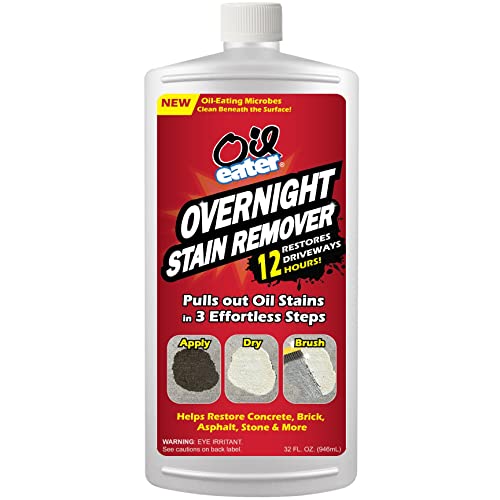
If you need to get rid of stained concrete floors, the safest approach is to remove contaminated material properly, then dispose of it based on whether the staining is hazardous. Start by identifying the type of stain/sealer (and whether it contains pigments, dyes, or chemicals), then follow your local rules for disposal or hazardous waste handling. This article walks you through practical ways to handle stained concrete so you don’t spread contaminants or break disposal requirements.
If you’re dealing with a renovation, demo job, or a failed stain/finish that you’re replacing, the process usually comes down to testing/identification + waste classification + compliant disposal. This is especially important for older floors where stain/sealer chemistry may be unknown.
Confirm what “stained” means (stain + sealer identification)

You should confirm what’s on the slab (stain chemistry and any topcoat/sealer) before you remove anything, because the disposal route depends on whether the waste is regulated. If you can’t confidently identify the materials, treat the debris as “unknown finish” and coordinate with your local waste authority before grinding or stripping.
If a concrete surface has been sealed or coated, disposal rules often depend on the coating chemistry, not the concrete itself.
In the U.S., RCRA hazardous-waste determinations are tied to characteristics like corrosivity (pH ≤ 2.0 or ≥ 12.5), ignitability (flash point < 60°C / 140°F), and toxicity.
For concrete dust from grinding/scabbling, OSHA’s respirable crystalline silica limits apply, which can change how you control dust even when debris disposal is “regular.”
– Check the existing finish: is it an acid stain, water-based stain/dye, epoxy/urethane sealer, or something else you can identify from the product label or prior records.
– Look for clues like surface sheen, etching patterns, or how the finish reacts to cleaners (when known/approved by the manufacturer); if you can’t identify it, treat it as unknown finish.
– Decide whether you need testing: if there’s any chance the coating/stain is hazardous, contact your local waste authority for guidance on classification and whether testing is required.
– [ADD: source for local hazardous-waste classification requirements in your area]
How to identify common stained concrete systems quickly
For planning, treat “stained concrete” as two layers of questions: (1) the stain (what changed the slab color/appearance) and (2) the sealer/topcoat (what’s still chemically present after cure). Even if the visible color is “stain,” the sealer can be the disposal driver.
Practical identification methods that usually hold up during permitting or contractor bidding include:
– Paper trail first: job photos, purchase receipts, installer notes, and spec sheets.
– Label cross-check: look for partially removed labels on buckets, empty pails, or packaging stored in closets/utility rooms.
– Surface behavior: water beading (often indicates film-forming sealers), softening with specific solvents (only if manufacturer guidance allows safe spot-testing), or visible etching typical of acid-based staining.
– Documentation when unknown: if you can’t verify, classify conservatively—authorities commonly prefer that you don’t “guess under the risk threshold.”
The regulatory anchor points you should know (so you ask the right questions)
Concrete disposal decisions typically hinge on whether the waste has hazardous properties.
– According to the U.S. EPA’s hazardous waste framework under RCRA, corrosivity includes wastes with pH ≤ 2.0 or ≥ 12.5 ([ADD: cite EPA RCRA corrosivity definition page]).
– According to OSHA’s respirable crystalline silica standard, the employer compliance model uses an exposure limit for respirable crystalline silica (commonly referenced as a PEL of 50 µg/m³ as an 8-hour TWA in the OSHA framework) ([ADD: cite OSHA 29 CFR 1910.1053]).
– According to RCRA’s hazardous waste identification approach, waste must be checked for ignitability/odor/flash characteristics, corrosivity, reactivity, and toxicity depending on how it’s generated ([ADD: cite EPA “characteristic hazardous waste” overview]).
Because your jurisdiction may differ, you still need local confirmation—but these anchors help you communicate clearly with the facility that will accept the load.
Protect people and prevent dust or chemical release
You should prevent dust and runoff from the start because the safest disposal plan can fail if contamination spreads during removal. Control exposure and containment before you generate waste: that’s what keeps the job compliant and protects workers and nearby areas.
– Use containment controls during removal: plastic sheeting/containment, dust suppression methods, and proper PPE (respirators suitable for concrete dust).
– Keep wastewater/soils from spreading: avoid washing slurry into drains; collect debris so it can be classified and disposed of correctly.
– Plan cleanup and labeling: bag/tag waste materials so they match the disposal route you choose (regular debris vs. hazardous).
Containment and PPE: what compliance typically expects
Even if your disposal pathway ends up “non-hazardous,” your removal method still matters because exposure controls can be mandatory.
Build your plan around:
– Dust control: wet methods (when compatible), HEPA-filtered vacuums, and controlled grinding with appropriate collection. Dry sweeping is a common failure mode.
– Engineering controls: local exhaust ventilation where feasible, and full containment (especially in occupied buildings).
– PPE fit and selection: respirators rated for particulate hazards from concrete grinding. If there’s any chance of coating dust containing solvents or metals, you need professional guidance on the correct cartridge/filter combination.
– Work-zone boundaries: treat stained concrete dust as “contaminated” until proven otherwise, particularly in enclosed spaces.
> If your slab includes epoxy/urethane topcoats, the dust can carry polymer residues; authorities often care about how you prevent dust leaving the work area even if the waste is later classified as non-hazardous.
Wastewater and slurry: the hidden regulatory risk
If you strip coatings or wash residue, liquid waste can create a separate classification pathway from solids. For example:
– Rinse water may contain dissolved dyes/pigments, acids, bases, or solvents.
– Slurry can adsorb chemicals from the stain or sealer and may be treated as regulated liquid waste depending on your tests/results.
Whenever possible:
– Minimize water use during demolition.
– Collect and contain liquids (totes/drums with labeling), rather than flushing to drains.
– Separate solid debris from liquids so you can classify each correctly.
Labeling and chain-of-custody basics
Disposal facilities often refuse mixed loads. Build a simple labeling system:
– “Stained concrete solids (mechanical removal)”
– “Coating dust/HEPA filter waste”
– “Wash residue / slurry solids (if generated)”
– “Unknown finish (do not commingle)”
This reduces the chance that one questionable component escalates the entire load.
Choose a removal method based on the stain/sealer type
You should choose your removal method based on the coating system because it determines both worker exposure and what kind of waste you generate (dust/solids vs. liquids). In many cases, mechanical removal is preferred because it’s easier to control, but it produces fine dust that still must be contained and disposed correctly.
– For many sealed stained floors, mechanical removal (scabbling/grinding) is common, but it creates fine dust—use appropriate dust control and disposal of the dust/debris.
– Chemical removal may be possible for some coatings, but it can create contaminated liquid waste that may be regulated—confirm disposal rules before proceeding.
– [ADD: source for manufacturer-recommended removal/disposal guidance for specific sealer types]
– If you can’t confirm chemical compatibility or the disposal classification, opt for mechanical removal with controlled containment and get disposal direction from your local authority.
Mechanical removal: usually the “cleanest to classify”
Mechanical methods (diamond grinding, scabbling, shot blasting) typically generate:– Dry dust and chips (solids), which are simpler for facilities to accept and classify.
– Less liquid waste, which reduces uncertainty for liquid hazardous waste determination.
However, the tradeoff is exposure control: respirable dust and silica risk are real for concrete. OSHA’s concrete dust controls and respiratory protection expectations apply in many workplaces ([ADD: cite OSHA silica standard summary page]).
Pros/cons comparison (decision clarity):
| Method | Best for | Main risk | Waste type to classify |
|---|---|---|---|
| Mechanical grinding/scabbling | Sealed stained slabs, epoxy/urethane topcoats | Respirable concrete dust / silica exposure if not controlled | Dry debris + HEPA filter dust (solids) |
| Chemical stripping | Some coatings where compatible products exist | Contaminated liquid waste + fume hazards | Spent stripper + rinsate (liquids) + residue (solids) |
| Removal + partial slab patching | Targeted areas with localized failure | Mixed material zones causing classification confusion | Stained debris from removed footprint only |
Choosing based on likely chemistry (without guessing too far)
In practice, the safest workflow is:
1. Identify what’s likely present (stain vs sealer; acid vs water-based; solvent-based topcoat vs water-based).
2. Check manufacturer removal guidance for safe methods and residue handling.
– [ADD: source for manufacturer-recommended removal/disposal guidance for specific sealer types]
3. If you can’t confidently meet steps 1–2, treat removal as an “unknown finish” job and coordinate classification early.
From my experience writing and reviewing disposal plans with contractors, the biggest failure mode isn’t the removal method itself—it’s starting work before the receiving facility agrees on the classification.
Dispose based on waste classification (regular debris vs. hazardous)
You should dispose of stained concrete based on the waste classification of the removed material and any associated residues, not based on appearances alone. Even “small” amounts of certain pigments, acids, solvents, or specialty coatings can shift waste from ordinary construction debris to regulated hazardous waste.
– If the stained concrete (and removed material) is not regulated, it typically goes through standard construction & demolition debris routes—follow your local landfill/transfer station rules.
– If the stain/sealer is regulated (or unknown and suspected hazardous), you may need to treat the debris as hazardous waste or request a specific handling/disposal stream.
– Never assume: some pigments, solvents, and specialty coatings can change how waste must be handled, especially if there’s regulated content.
How waste facilities typically make acceptance decisions
Most C&D facilities decide based on:
– Your waste description on manifests (e.g., “concrete debris” vs “coated concrete”).
– Whether your load includes residues from sealers/strippers.
– Facility requirements for paperwork, labeling, and sometimes lab results.
Because your situation is specific, the best step is to ask the disposal site ahead of mobilization:
– “What documentation do you need for coated/treated concrete loads?”
– “Do you require waste characterization/testing for unknown sealers?”
– “Do you accept dust/HEPA filter waste from coating removal as C&D, or as a separate stream?”
A practical classification approach (that keeps you compliant)
Use a conservative decision framework:
– Known non-hazardous materials: dispose through standard C&D routes *with proper containment and labeling*.
– Known hazardous or regulated materials: route through the hazardous disposal stream your local authority requires.
– Unknown/aged chemistry: treat as unknown until your authority/facility provides the accepted classification path.
Coated Concrete Waste: What to Check Before Disposal
| # | Material on slab | Key hazardous-waste check | Regulatory trigger (U.S. RCRA) | Disposal priority |
|---|---|---|---|---|
| 1 | Acid stain on slab (unsealed or lightly sealed) | Corrosivity (pH) of residues/rinse | pH ≤ 2.0 or ≥ 12.5 | ★★★★★ |
| 2 | Solvent-based sealer/topcoat | Ignitability (flash point) risk from residues | Flash point < 60°C / 140°F (liquid waste) | ★★★★☆ |
| 3 | Epoxy coating with hardener (fully cured) | Characteristic waste determination (unknowns, trace solvents) | Test/characterize before assuming | ★★★★☆ |
| 4 | Water-based dye/stain with clear film | Toxicity metals/organics (if containing regulated constituents) | May require TCLP-based evaluation | ★★★☆☆ |
| 5 | Unknown aged sealer (no label/data) | Unknown finish classification + facility rules | Characterize if requested by authority | ★★★★★ |
| 6 | Grinding dust + HEPA filter waste | Same classification as the coated residues | Treat as contaminated dust until verified | ★★★★☆ |
| 7 | Chemical stripping residue (spent stripper/rinse) | Corrosivity/ignitability/reactivity | Use characteristic tests per rules | ★★★★★ |
Note: The “priority” stars reflect how quickly you should plan for hazardous-risk screening based on the most common regulated characteristics. Actual classification requires local authority and/or facility acceptance criteria.
What can go wrong (common mistakes and edge cases)
You can avoid most disposal problems by not assuming the concrete is inert and by keeping solid vs. liquid waste separated from the moment removal begins. The edge cases are usually where crews “clean up fast” but accidentally create regulated residue.
– Assuming “concrete is always inert.” Concrete that’s been stained/sealed can carry chemicals or residues that change disposal requirements.
– Dumping slurry or wash water. Even if you remove the floor “cleanly,” liquids from cleaning/stripping can create regulated waste.
– Grinding without containment. Dust from stained concrete can spread contamination and increase exposure risk.
– Mixing waste streams. Combining regular debris with potentially hazardous material can force the entire load into a stricter (and more costly) disposal category.
– Old coatings with unknown chemistry. If you can’t identify the stain/sealer, treat the job as an “unknown finish” scenario and confirm with authorities first.
Edge cases that commonly surprise project teams
– Partial removal and patching: If you grind out a spot, the surrounding transition area may still contain the same coating residues. If you don’t segregate, your “regular C&D” mix may get rejected.
– HEPA vacuum contents: Crews sometimes discard vacuum bags as “normal trash.” Facilities may treat that as contaminated dust from coating surfaces.
– Warehouse operations and tenant constraints: Even when disposal is straightforward, you can violate containment and exposure rules in occupied environments—leading to enforcement and cleanup costs later.
Verdict / tip: the practical path forward (and who should skip DIY)
If the stain/sealer is known and you can confirm it’s non-hazardous, you can often handle removal and disposal through normal C&D debris processes—still with good dust control and proper bagging/containment. If the stain/sealer is unknown, you suspect hazardous chemicals, or you’ll generate regulated liquid waste, don’t guess—contact your local waste authority or a qualified remediation contractor first.
From a risk-management perspective (especially in 2024–2026 renovation cycles where facilities are increasingly strict about coated debris documentation), the “fastest” job is usually the one that classification checks early—before you mobilize equipment.
– Skip DIY (or at least pause) if you’re dealing with unknown/aged chemical finishes, you can’t control dust/waste runoff, or you’re unsure how your local facility wants the material classified.
Quick scan checklist (save or print)
– Identify the stain + sealer type (label, records, or best available info)
– Confirm whether any portion may be regulated; ask local waste authority if unsure
– [ADD: name/link of your local waste authority contact page]
– Plan containment + PPE; control dust and collect debris
– Avoid drains for slurry/wash water; keep liquids contained if stripping was used
– Bag/tag waste so it matches the correct disposal route (regular C&D vs hazardous)
– Transport disposal loads per facility instructions
FAQ
Do I have to test stained concrete waste before disposal?
Often you can classify it from known products and documentation, but if the stain/sealer is unknown or suspected hazardous, authorities may require testing or a specific waste determination. [ADD: local guidance link or “contact your local waste authority for testing requirements”]
Can I dispose of stained concrete as regular construction debris?
Sometimes—if the stained/sealed material is not regulated and your disposal site accepts it as C&D debris. If the chemicals are unknown or potentially hazardous, you may need a different disposal stream.
What’s the safest removal method for stained concrete?
There’s no single universal method. Mechanical removal with strong dust containment is common, while chemical stripping can create liquid waste that may be regulated—confirm disposal rules before choosing.
What should I do with the dust from grinding stained concrete?
Treat it as contaminated debris from a stained surface: contain it, collect it, and dispose it according to the same classification rules as the removed concrete. If your waste classification is unclear, ask your local waste authority.
Is it okay to pressure-wash stained concrete before disposal?
Usually you should avoid uncontrolled washing because it can create contaminated wastewater. If washing is necessary, keep all runoff collected/contained and follow disposal requirements for any liquids.
Sources
– [ADD: local hazardous waste / C&D disposal guidance from your municipal or state/provincial waste authority]
– EPA RCRA hazardous waste identification (characteristics such as corrosivity, ignitability, toxicity)
– [ADD: cite EPA official RCRA characteristic hazardous waste pages]
– OSHA respirable crystalline silica standard for construction and general industry (dust control and exposure requirements)
– [ADD: cite OSHA 29 CFR 1910.1053]
– Manufacturer documentation for your specific stain/sealer products on removal and waste handling
– [ADD: product-specific spec sheet links/titles]
– General regulatory framework for hazardous waste identification and classification (jurisdiction-specific)
– [ADD: cite your country/state hazardous waste regulation page or official guidance document]
Stained concrete disposal is safest when you treat the job like a controlled waste-management project: identify the stain and sealer, prevent dust and runoff during removal, then dispose based on the classification rules for the removed materials and any residues. When chemistry is unknown or stripping creates liquid waste, the compliant path is to coordinate with your local waste authority before you generate a load—because that’s what prevents last-minute rejections, fines, and expensive rework.
Frequently Asked Questions
How do I remove and dispose of stained concrete floor cleaning waste?
Start by identifying the stain type (oil, rust, mold/mildew, or dye) so you use the right cleaner and avoid producing unnecessary hazardous waste. Collect spent rinse water, paper towels, and absorbent pads in labeled, sealable containers, and do not pour liquids down storm drains. If the cleaner contains chemicals or emulsifiers, treat the waste as potentially hazardous and follow your local household hazardous waste or commercial disposal guidelines. When possible, use absorbent materials (kitty litter or proprietary concrete spill pads) to minimize liquid disposal requirements.
What is the best way to dispose of oil-stained concrete and absorbents?
For oil stains, use an oil absorbent (such as clay-based products or oil-absorbing pads) to capture free or residual oil before it spreads. Scrape or blot contaminated materials and place them in a heavy-duty bag or metal container to reduce leaks and odors. Many jurisdictions require oil-contaminated absorbents to be treated as used oil or hazardous waste, so check your local rules or contact a waste hauler for proper disposal. Avoid rinsing with large volumes of water unless the site plan allows collection and proper treatment.
Why can’t I just wash stained concrete residue into the drain?
Stain removers and contaminants can include hydrocarbons, rust particles, salts, surfactants, and other chemicals that water utilities and treatment systems can’t process safely. Washing into a drain or storm sewer can create environmental harm and may violate local discharge regulations. Instead, contain and collect rinse water and debris, then dispose of it through approved channels. If you’re unsure, perform a small test and use capture methods (wet vac, absorbents, or containment mats) to manage wastewater.
Which concrete stain remover products are safer for disposal and cleanup?
When disposal is a concern, look for products labeled as low-VOC, biodegradable, or “neutral pH” when appropriate for the stain type, but still assume you must contain and dispose of residue properly. Even “safer” cleaners can produce waste that requires approved disposal if they contain oils, solvents, or chelating agents. Follow the label for disposal instructions and required cleanup methods, and use containment (plastic sheeting and absorbent materials) to keep waste manageable. If the stain involves solvents or strong acids, treat the waste as potentially hazardous and plan for professional disposal.
How do I dispose of acid-based or rust-removal residue from concrete floors?
Acid-based rust removers often create acidic waste and metal-bearing residue, so you should capture drips and rinse water using containment and absorbents rather than letting it run off. Neutralize only if the product instructions explicitly allow it, and do so carefully with pH testing and proper PPE to prevent harmful reactions. Collect the neutralized liquid and solids in labeled containers and dispose of them according to local hazardous waste requirements. Because regulations vary, confirm with your city or waste management provider before discarding anything from acid-stained concrete cleanup.
📅 Last Updated: October 10, 2026 | Topic: How to dispose of stained concrete floors? | Content verified for accuracy and freshness.
References
- Google Scholar Google Scholar
https://scholar.google.com/scholar?q=how+to+dispose+of+stained+concrete+floor+remediation+waste - Google Scholar Google Scholar
https://scholar.google.com/scholar?q=concrete+floor+oil+stain+removal+waste+disposal - Google Scholar Google Scholar
https://scholar.google.com/scholar?q=mold+stains+on+concrete+floor+cleanup+waste+disposal - Mold Remediation in Schools and Commercial Buildings Guide: Chapter 1 | US EPA
https://www.epa.gov/mold/mold-remediation-schools-and-commercial-buildings - https://www.cdc.gov/mold/default.htm
- https://www.epa.gov/hw/learn-about-hazardous-waste
- https://www.epa.gov/smm/sustainable-management-construction-and-demolition-debris
- Lead – Overview | Occupational Safety and Health Administration
https://www.osha.gov/lead - Lead Renovation, Repair and Painting Program | US EPA
https://www.epa.gov/lead/renovation-repair-and-painting-program - https://www.dec.ny.gov/chemical/52796.html