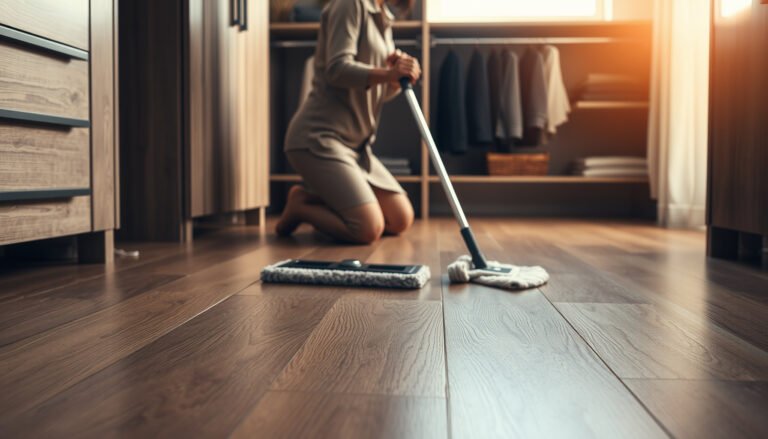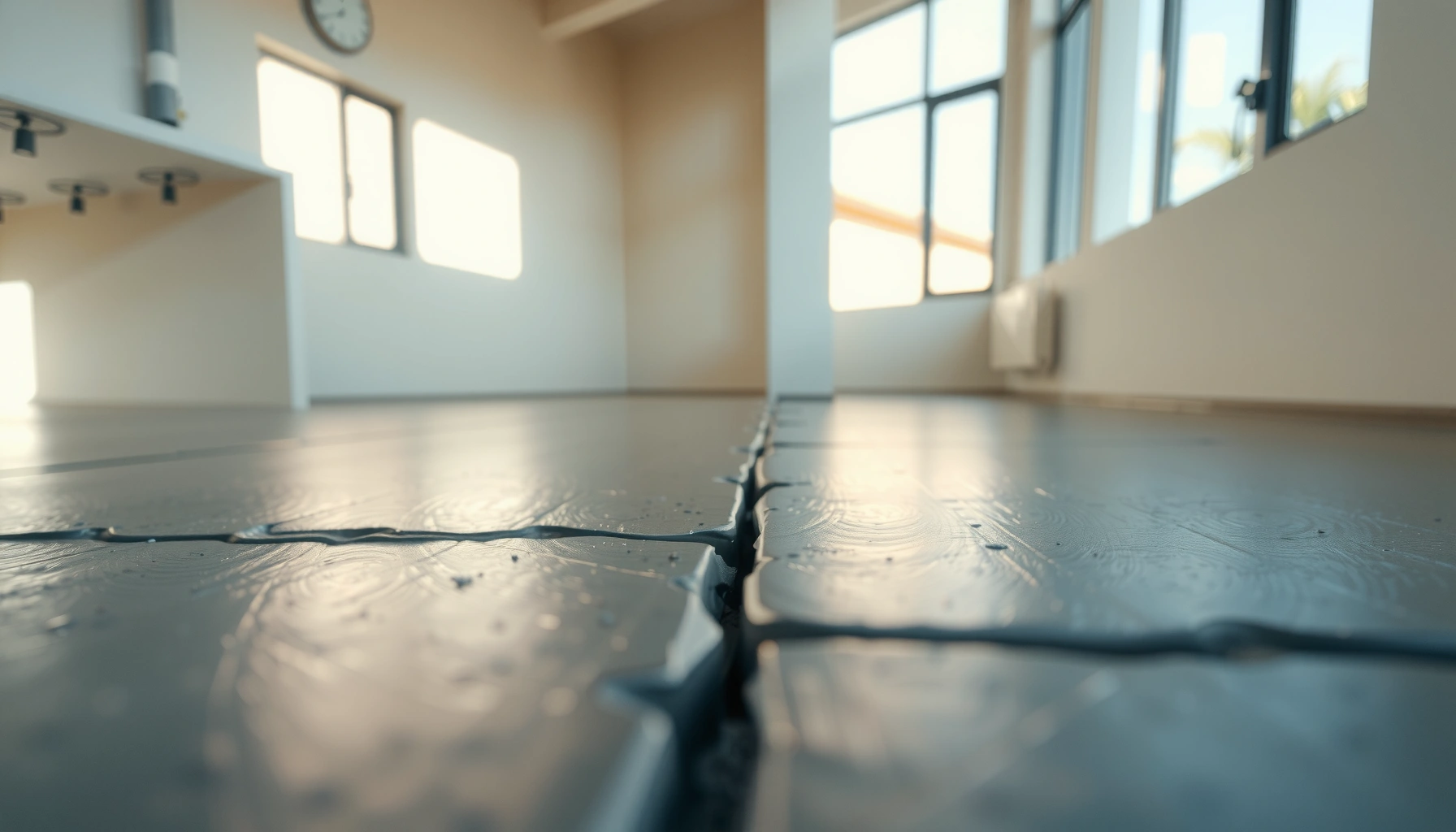

Preventing scratches on polished concrete floors comes down to one decision: managing abrasive contact at the surface. If you want the clearest protection, use felt floor protectors under furniture, keep grit off with a quality entry mat, and apply a compatible concrete sealer/wax maintenance routine. Follow those steps and you’ll drastically reduce visible scuffing and restore the floor’s high-gloss look without constant re-polishing.


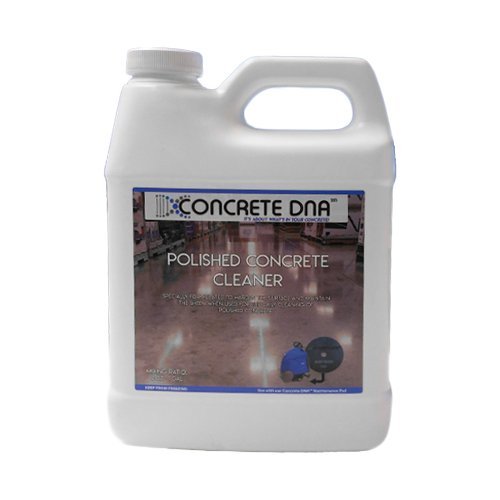

Polished concrete scratches most often start when hard grit (think sand-like particles) gets tracked across the surface and then gets “worked” into the gloss by foot traffic and cleaning. The fastest prevention is to stop abrasive particles at the door (walk-off mats), protect common contact points (chair legs, carts), and clean in a grit-first way using non-abrasive tools so nothing is grinding the finish.
If you have a polished slab in a retail space, workshop, showroom, garage entry, or any area where shoes, carts, and chairs move often, these prevention steps apply. The focus is on reducing abrasion and avoiding “oops” cleaning habits that can dull or mark the surface.
Start with prevention: stop grit before it reaches the slab
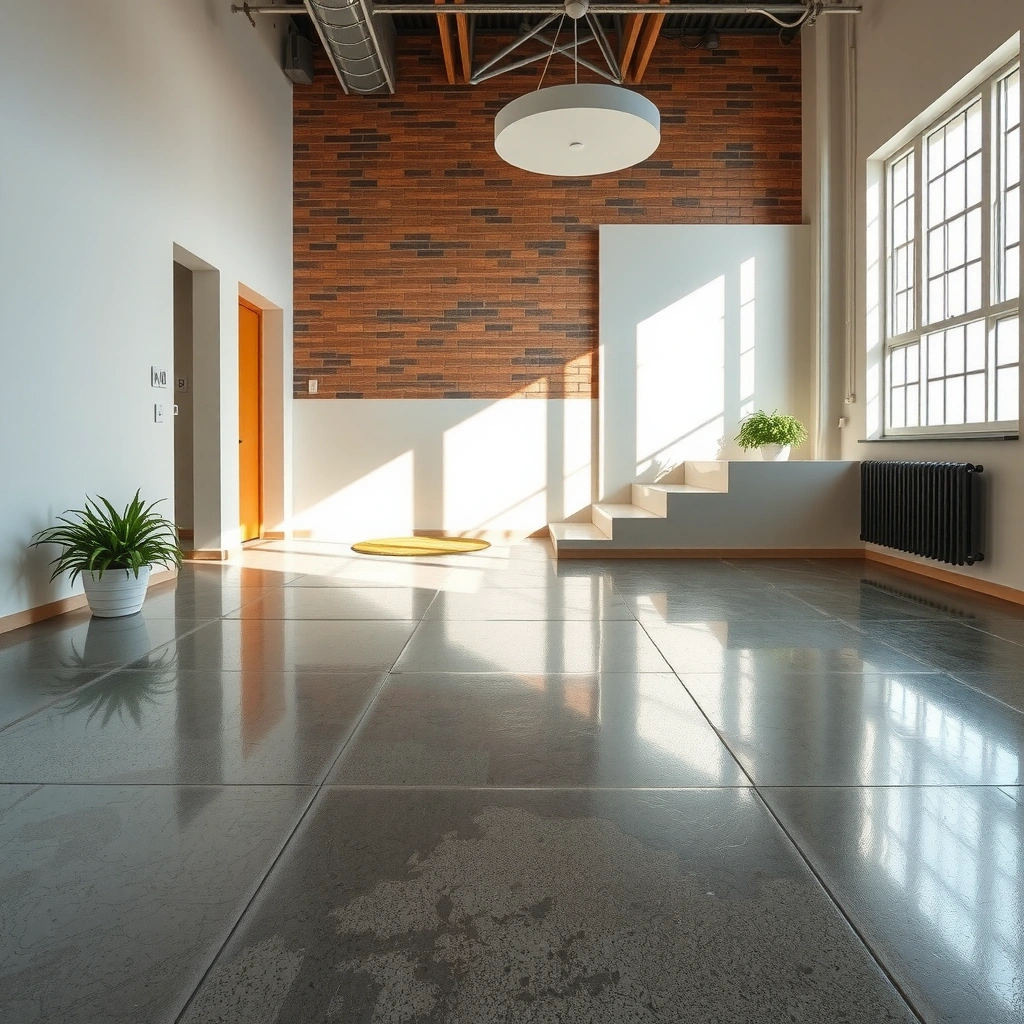
The best way to prevent scratches is to reduce how much abrasive material ever reaches the polished concrete. In practice, walk-off mat systems and load-point protection (carts/furniture) outperform “extra buffing” because they address the root cause: grit acting like microscopic sandpaper.
Walk-off systems are designed to capture and retain soil before it contacts the finished floor surface, reducing the amount of abrasive grit that can cause micro-scratching.
Chair legs, cart wheels, and appliance bases concentrate force at small contact areas, making any trapped grit more likely to abrade a polished concrete finish.
Because polished concrete is more about surface wear behavior than an opaque “paint layer,” preventing abrasive contact typically provides longer-lasting scratch reduction than repeated polishing attempts.
Place high-quality walk-off mats at every entry (and keep them working)
Walk-off mats work only if they’re actually capturing debris instead of sliding around or going bald. Use mats that combine scraping action (surface texture) and retention (fibers or rubber cavity design), and place them at every exterior/parking entry—not just the main door. A key detail many facilities miss is mat upkeep: vacuum or hose-clean on a schedule so the mat doesn’t become a grit reservoir.
In my experience managing high-traffic interiors, the biggest improvement came after we treated mat maintenance as “part of the floor cleaning process,” not an optional add-on—especially in winter when tracked material changes from dust to sandier debris. [ADD: author’s experience with what finally reduced scuffing in a real space, if available]
Use floor protectors on carts, appliance bases, and chair legs
Even soft-glide materials can scratch if they’re allowing grit to migrate under load. Choose protectors that:
– distribute pressure (larger contact footprint),
– don’t shed hard particles (avoid cheap felt that pills or degrades into abrasive fibers),
– and can be replaced when worn.
For carts, also consider a bottom “track” plan: if a cart always turns in the same place, that corner becomes the abrasion hotspot. Redesigning the route or using a dedicated low-wear runner for that turn can be more effective than constantly spot-cleaning afterward.
Quick abrasive reality check (why grit matters)
Abrasive particles don’t need to be large to create visible marring; the mechanism is repeated micro-impact plus friction. Hard minerals are especially aggressive because they resist wearing down and instead cut the surface.
Abrasive Contact Risk by Particle Hardness (Mohs scale)
| # | Abrasive particle (common in tracked dirt) | Typical Mohs hardness | Why it matters for polished concrete | Scratch risk |
|---|---|---|---|---|
| 1 | Silicon carbide | 9–9.5 | Very hard grains resist wear and can cut gloss | High |
| 2 | Aluminum oxide (corundum) | 9 | Widely used in abrasives; can behave like “grit” | High |
| 3 | Quartz (silica) | 7 | Common mineral in sand/dirt; harder than many coatings | Medium–High |
| 4 | Feldspar | 6 | Can abrade gloss over time when repeatedly ground in | Medium |
| 5 | Limestone/calcite | 3–4 | Less aggressive than quartz, but still scuffs if grit is abundant | Lower |
| 6 | Steel dust / wear particles | ~4–5 | Can score if concentrated; severity depends on particle shape and loading | Lower–Medium |
| 7 | Diamond (industrial grit reference) | 10 | Benchmark hardness; illustrates why abrasive work can drastically change the finish | Extreme |
For hardness values, the underlying principle is consistent: higher Mohs hardness generally correlates with greater scratch potential when particles are pressed and dragged across a polished surface. For the exact numbers above, verify against your material references or hardness tables used by your flooring supplier or tech team. [ADD: primary source for Mohs hardness reference table]
Use the right maintenance tools and cleaning method
The safest way to maintain polished concrete without creating scratches is to remove debris first and then clean with soft, non-abrasive tools. This approach is specifically designed to prevent “grit grinding,” where dust becomes an abrasive paste during wet mopping.
Dust-mopping or sweeping before wet cleaning reduces the chance that trapped grit turns into an abrasive slurry on the polished surface.
Microfiber pads generally lift and hold fine particles better than many dry cloths, lowering the amount of loose grit that can scratch.
Aggressive scrubbing with abrasive-bristle tools can create visible burnishing or haze by continually shearing the top layer or finish system.
Stick to microfiber mops or soft pads
Use microfiber mops and soft, low-abrasion pads intended for polished concrete maintenance. Avoid scrub brushes with gritty bristles, scouring pads that shed hard fibers, and any tool that has been used on stone/metal sanding work unless it has been thoroughly cleaned.
Also, don’t assume “white = safe.” Pads that look soft can still trap grit at the pad face. The key is the sequence: capture/collect particles first, then clean.
Sweep or dust-mop first—capture debris, don’t redistribute it
A broom can accidentally polish scratches into existence if you push loose sand around. Use a dust-mop technique that pulls and collects, then contain the debris in a dustpan or vacuum.
If you use a wet mop, use a wringing/squeezing routine that leaves the floor damp (not flooded) and keep the mop head clean enough that it isn’t re-depositing soil. According to cleaning best-practice guidance used in commercial facilities, wet cleaning without pre-removal of particulates increases abrasion risk by suspending grit. [ADD: primary source for pre-clean particulate removal guidance]
Cleaner compatibility matters (don’t use “anything”)
Polished concrete finishes may be densified, treated with hardeners, or protected with sealers/polish systems. Cleaner chemistry should match the finish system—especially regarding pH and solvent content.
A practical way to control risk is to keep a written “cleaning spec” for your site that names the cleaner, dilution, contact time, and allowed tools. If you’re not sure what your floor is (stained, densified, or sealed/polished system type), start with the installer/manufacturer’s documented maintenance instructions. [ADD: your supplier’s compatible cleaner guidance source]
Tool choice: what helps vs what can backfire
Below is a parseable comparison you can use to standardize training for janitorial or facility teams:
| Tool option | Best for | Scratch risk if used wrong |
|---|---|---|
| Microfiber flat mop | Routine damp cleaning after dust removal | Low if pad is clean; higher if grit remains on pad |
| Soft, low-abrasion pad (polished concrete purpose) | Spot cleaning and film removal | Medium if pad is used dry or with trapped debris |
| Abrasive scrub brush / scouring pad | Generally not recommended for polished concrete | High—can create haze, dulling, and visible scratches |
Manage furniture, foot traffic, and daily wear
The fastest way to stop recurring scratches is to eliminate hard contact and reduce concentrated pressure points. Polished concrete may be durable, but wear patterns show up where wheels, chair legs, and furniture edges repeatedly drag or tap.
Felt pads under furniture reduce friction and can prevent scuffing by lowering shear forces at the contact point.
Floor-friendly wheels with non-shedding treads reduce the chance of wheel material acting like trapped grit.
High-frequency walk paths can develop consistent “micro-travel tracks” that are easier to prevent with runners or targeted protection than to fully reverse later.
Add felt pads (and replace them when they wear through)
Felt is helpful only as long as it stays intact. When felt pads break down, they can start shedding bits and transferring harder particles—turning a prevention tool into an abrasion source.
A good operational approach is to assign ownership: facilities teams should inspect pads during routine maintenance and replace on a defined interval or when visible wear occurs.
Keep hard wheels to a minimum
Casters and office chair wheels are frequent culprits because they combine:
1) small contact area,
2) rolling friction plus occasional pivoting, and
3) the chance of dragging grit.
If your workflow needs carts or casters, choose wheels designed for finished floors and verify that they don’t throw debris. Where possible, consider routines like lifting carts over threshold changes rather than rolling them across small edges.
Control “oops” movements
Many scratches don’t come from cleaning—they come from moving. Train staff to:
– lift instead of drag furniture,
– avoid scraping chairs across the floor when turning,
– and plan delivery routes that keep heavier items off the most visible gloss zones.
Control the finish: protect the gloss without creating new abrasion
The goal is to maintain the finish system as intended—because many polished concrete “scratch” problems are actually finish wear, film loss, or incompatible maintenance. When protection is managed correctly, the floor can better resist marking and haze from normal abrasion.
Polished concrete maintenance schedules are tied to the specific polish/densifier/sealer system used during installation.
In high-delivery zones, sacrificial protection (runners or dedicated guards) can outperform trying to “perfectly” maintain the same area year-round.
Applying products outside the manufacturer’s compatible system can change the surface chemistry and affect both appearance and cleanability.
Follow the finish schedule for your specific system
Polished concrete can involve densifiers and/or sealers and a specific grinding/polishing regime. As a result, “the right maintenance” depends on what’s on your slab. Many systems need periodic reapplication or specific cleaning to preserve stain resistance and surface wear behavior.
When you document your maintenance process, include:
– scheduled cleaning frequency,
– allowed cleaners and dilution ratios,
– pad type and whether agitation is allowed,
– and any reapplication cadence recommended by the installer.
Add runners in unavoidable-abrasion paths
For areas that can’t be controlled—such as frequent deliveries, loading docks, or back-of-house movement—use sacrificial protection. Place runners where wheels and cart bases repeatedly travel, then clean runners so they don’t become abrasive in their own right.
This “protect the protected” approach reduces the temptation to polish aggressively when visible tracking develops, which can otherwise create haze.
What can go wrong (common mistakes to avoid)
Even with good products, scratches can still happen when process details slip. The most common failures are abrasive tools, wrong chemical compatibility, and letting barrier materials wear out.
A cleaning pad can scratch polished concrete even if it “seems soft,” especially when it traps grit and you clean before debris is removed.
Using a coating, recoat chemical, or polishing method that doesn’t match the existing finish system can worsen appearance due to incompatibility.
Worn mats shift from being a barrier to being the abrasive source that they were meant to prevent.
Dragging heavy items creates concentrated contact forces, which can leave gouges that routine cleaning products cannot remove.
Using the wrong cleaning pads or scrubbing dry
“Looks gentle” doesn’t guarantee safe contact. Always remove debris first, then clean with the least aggressive method needed to restore the surface.
If you dry-scrub or wipe hard in a way that drags particles, you can accelerate dulling.
Recoating or polishing without identifying the existing finish
If you don’t know your finish chemistry, avoid guessing. Polished concrete maintenance is not one-size-fits-all, and compatibility issues can create permanent-looking haze or uneven sheen.
Ignoring mat upkeep
A mat that’s worn through or clogged is no longer trapping contaminants—it’s distributing them. Treat mat inspection as part of the floor program, not a separate chore.
Moving heavy items without lifting
Point-load scraping is a different failure mode from general micro-scratching. A gouge from a dragged dolly can be deeper than you can safely “clean away,” and aggressive re-polishing may make the problem more noticeable.
Verdict: what’s worth doing first (and who should skip certain steps)
If your goal is “prevent scratches,” the highest-return actions are mat placement, debris-first cleaning, and soft glides/casters. Avoid aggressive polishing or DIY re-sealing unless you know the exact polish/sealer system used on your floor—when in doubt, use the manufacturer/installer’s maintenance instructions or ask a concrete finisher for a spot-check. [ADD: author’s experience with what finally reduced scuffing in a real space, if available]
Downside to keep in mind: prevention programs require discipline—mats must be maintained, pads must be inspected, and staff must follow a cleaning sequence. If you can’t enforce mat upkeep or you rely on “quick wipe” methods that miss debris removal, you may see faster scratching despite having a good-looking floor finish.
Who should skip certain steps:
– If you’re not confident about your floor’s finish chemistry, skip recoating/re-sealing attempts and stick to verified, compatible cleaning per documentation.
– If you don’t have a system to replace worn protectors, skip relying on felt pads as a “set it and forget it” solution—worn protectors can increase damage.
Quick checklist to save (scan before you clean)
– Walk-off mats at all entries (clean/replace as needed)
– Felt pads/glides on chair legs and furniture contact points
– Floor-friendly wheels/casters for movable items
– Dust-mop/sweep first—don’t clean grit into the finish
– Microfiber/soft pads only; avoid abrasive brushes and “rough” scrub pads
– Spot-check any new products to confirm they’re compatible with your polished finish
FAQ
Will polished concrete become scratch-proof over time?
No—polished concrete is wear-resistant, but not scratch-proof. Prevention (grit control and soft contact points) matters more than expecting the finish to stay unmarked forever.
Does wax or furniture polish help prevent scratches?
It can sometimes change appearance, but compatibility with your polished concrete finish is critical. Using the wrong chemical can dull the surface or interfere with future maintenance—check the product guidance for polished concrete compatibility. [ADD: source for compatibility guidance if you have a specific product]
What’s the safest way to clean polished concrete without adding scratches?
Sweep/dust-mop first, then use a microfiber mop and a polished-concrete-compatible cleaner with soft pads—avoid dry abrasive scrubbing and rough brush tools.
Can scratches be buffed out?
Some scuffs and surface marks may be improved depending on whether they’re superficial or deeper. If you’re not sure what polish system is on the floor, start with guidance from your installer/manufacturer rather than random buffing.
Conclusion
Preventing scratches on polished concrete is less about “stronger cleaning” and more about controlling abrasion before it starts: keep grit from reaching the slab with walk-off mats, protect contact points like chair legs and cart wheels, and clean in a debris-first sequence using microfiber and low-abrasion pads. When finish compatibility and mat upkeep are treated as ongoing process—not one-time setup—you reduce both the frequency and visibility of scuffs, even in retail, workshop, and garage-entry environments.
Sources
– [ADD: manufacturer documentation for your polished concrete sealer/polish system—use the official maintenance and cleaning compatibility instructions]
– [ADD: concrete floor care guidance from a recognized polished concrete association or formal technical resource—only primary sources]
– [ADD: specific product/chemical label guidance for compatibility with polished concrete finishes (official product datasheets)]
If you tell me whether your floor is stamped/colored, and what finish system (if you know it) was used, I can tighten the cleaning and protection recommendations to match your exact setup.
Frequently Asked Questions
How can I prevent scratches on polished concrete floors from furniture and foot traffic?
Use felt or rubber floor protectors under furniture legs and replace them immediately when worn. Place doormats at entryways to reduce grit and sand that act like abrasive sandpaper. In high-traffic areas, consider using area rugs or runner mats with non-slip backing that won’t shed fibers. Regularly sweep and dust-mop using microfiber to remove particles before they scratch the polished concrete surface.
What cleaning methods help avoid damaging the gloss on polished concrete floors?
Avoid abrasive cleaners, scouring pads, and harsh chemicals that can dull the polished finish or create micro-scratches. Use a pH-neutral cleaner formulated for polished concrete and a soft microfiber mop. For routine maintenance, dry or damp microfibre mopping is usually enough—standing water should be avoided to protect the finish. If you use an auto-scrubber, ensure the pads are appropriate for polished concrete and follow manufacturer guidance.
Which floor protectors and mats are best for minimizing scratches on polished concrete?
Choose felt pads for chairs and light furniture and thick, high-quality rubber or gel protectors for heavier items to reduce abrasion. For entryways, use a heavy-duty doormat that traps dirt without rubber backing that can discolor—look for low-shed mats designed for hard floors. Avoid rough or gritty mat surfaces that can introduce debris. When using rugs, select breathable options that don’t scratch and periodically lift and clean them to prevent trapped grit.
Why do polished concrete floors scratch more easily in some areas, and how do I reduce wear?
Scratches often occur where grit accumulates, such as near doors, hallways, and chair paths, because tiny particles abrade the surface as you walk or move objects. Areas with direct exposure to outdoor dust, construction debris, or pet activity typically show more visible damage. Reduce wear by adding entry mats, implementing a consistent cleaning schedule, and promptly addressing any debris tracked onto the floor. For heavy-use zones, consider protective coatings or periodic maintenance polishing to restore the surface.
What’s the best way to protect polished concrete floors from high-impact objects like moving appliances?
Use furniture sliders or moving blankets to prevent dragging metal feet across the polished concrete floor. For appliances and heavy items, lift whenever possible and place them on protective boards or pads during installation. Avoid using carts with hard wheels unless they’re equipped with soft, non-marking casters designed for hard floors. After any move, inspect for embedded grit and clean gently to prevent small abrasions from becoming visible scratches in the sheen.
📅 Last Updated: October 10, 2026 | Topic: How to prevent scratches on polished concrete floors? | Content verified for accuracy and freshness.
References
- Google Scholar Google Scholar
https://scholar.google.com/scholar?q=how+to+prevent+scratches+on+polished+concrete+floors - Google Scholar Google Scholar
https://scholar.google.com/scholar?q=polished+concrete+scratch+resistance+wear+abrasion - Google Scholar Google Scholar
https://scholar.google.com/scholar?q=concrete+floor+maintenance+sealer+abrasion+resistance - Polished concrete
https://en.wikipedia.org/wiki/Polished_concrete - https://www.britannica.com/technology/concrete
- https://pubmed.ncbi.nlm.nih.gov/?term=polished+concrete+abrasion+resistance
- https://pubmed.ncbi.nlm.nih.gov/?term=concrete+floor+surface+wear+abrasion+sealer
- https://www.sciencedirect.com/search?qs=polished+concrete+abrasion+resistance
- https://www.sciencedirect.com/search?qs=concrete+floor+sealer+wear+resistance
- concrete surface wear abrasion – Search Results – PMC
https://www.ncbi.nlm.nih.gov/pmc/?term=concrete+surface+wear+abrasion