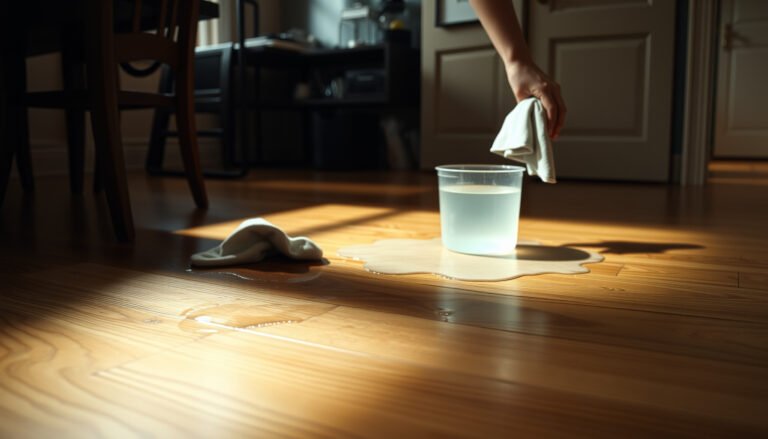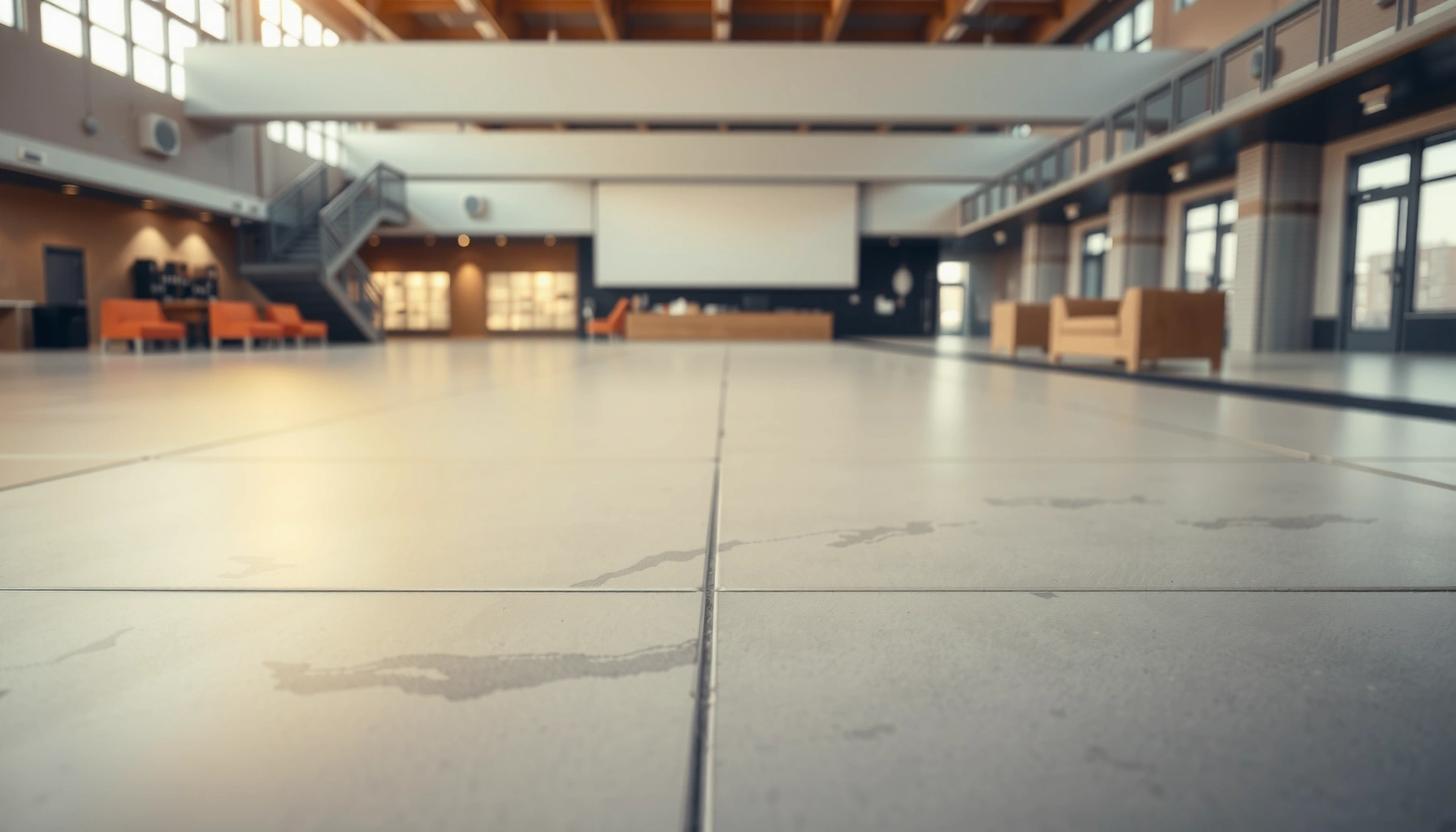

Cleaning polished concrete floors without damaging the finish is simple if you use the right method and products—no harsh chemicals, no abrasive scrubbing, and no soaking. This guide shows the fastest, safest way to remove everyday dirt, grime, and residue while keeping the sheen intact. You’ll learn exactly what to use, how to apply it, and what to avoid so your finish looks new after every clean.
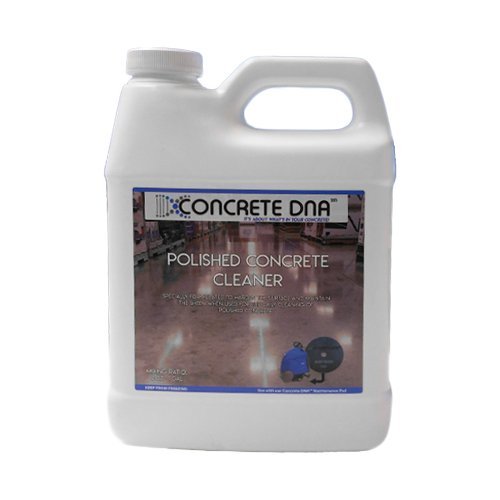



Clean polished concrete floors by using the least aggressive method that removes soil—typically a neutral pH cleaner and a microfiber mop—then protect the sheen by avoiding harsh chemicals that leave residue or dull the surface. The goal is simple: lift dirt without etching, smearing, or creating a hazy film that makes the polish look flat over time. The routine below is designed for maintenance between deeper cleanings, with “check first” notes so you don’t accidentally attack the finish.
If your polished concrete is in a home entryway, shop, or commercial space, the steps below will help you maintain appearance between deeper cleanings. If your floor is newly polished or you’re unsure what sealant/coating was used, follow the “check first” notes so you don’t accidentally attack the finish.
Gather What You Need (So You Don’t Over-Clean)
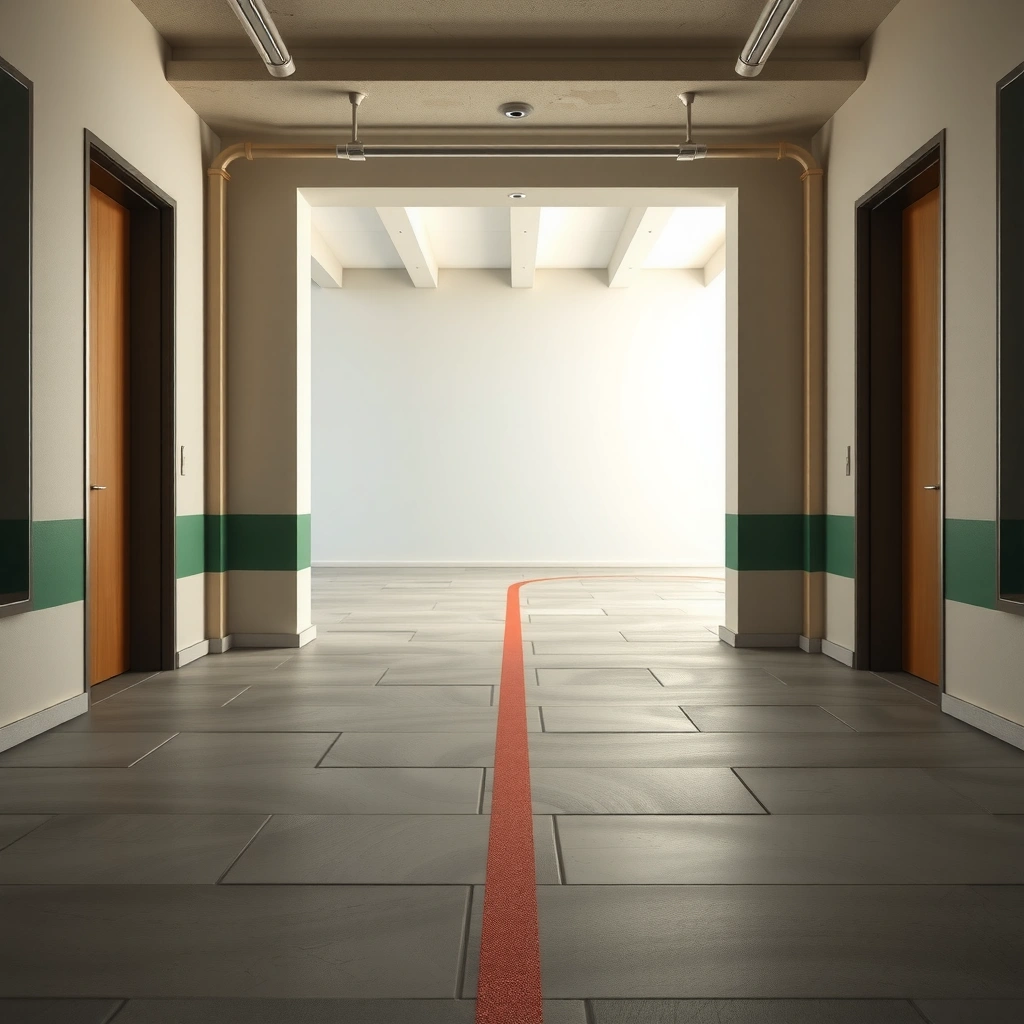
You get better results by choosing tools and chemistry that match polished concrete’s sensitivity to abrasion and residue. Start with microfiber and a neutral pH cleaner, because polished concrete is typically sealed (to create the sheen), and many damage-causing products either etch the surface or leave films that haze.
Neutral pH cleaning products are designed to reduce the risk of etching or chemical dulling on sealed stone and concrete surfaces ([ADD: source for neutral pH cleaner rationale from manufacturer/technical bulletin]).
Microfiber mops clean by trapping soil in the fibers rather than grinding debris across the surface—an important difference for high-gloss finishes.
Acidic cleaners (often pH < 7) can damage some concrete finishes by reacting with mineral components at or near the surface.
What to use (and why)
– Soft microfiber mop or pad: Microfiber is the safest first line for polished concrete because it cleans without scratching grit into the finish. Use a dedicated pad/mop head you can wash frequently to avoid re-depositing dirt.
– Clean buckets: One bucket for diluted cleaner and a second for fresh rinse water (optional, depending on your cleaner instructions) prevents you from spreading oily residue.
– Neutral pH cleaner recommended for polished concrete: Look for a product explicitly intended for polished concrete, polished stone, or sealed concrete and confirm whether it requires a rinse step. A “neutral pH” label doesn’t automatically mean “safe for every finish,” but it is a strong baseline.
What to avoid (common finish-killers)
– Acidic cleaners (e.g., vinegar-based mixes, toilet bowl cleaners): acids can dull or etch.
– High-alkaline degreasers: these can loosen soils but also increase the chance of film buildup if not removed completely.
– Abrasive pads/brushes: even if they “clean,” they can reduce gloss by micro-scratching the surface.
– Anything fragranced or thickened with polymers unless the label says it’s safe and film-free on polished surfaces—some leave a light residue that turns into haze.
To make this practical, here’s a quick reference for typical pH ranges you’ll encounter when cleaning products are used on polished concrete. (Always confirm your specific product label.)
Typical pH Ranges of Common Cleaners (Why Neutral Matters)
| # | Cleaner type | Typical pH range | Finish risk* | Practical rating |
|---|---|---|---|---|
| 1 | Neutral pH concrete cleaner | ~7–9 | Low (when diluted correctly) | ★★★★☆ |
| 2 | Mild all-purpose cleaner | ~8–10 | Medium (may leave film) | ★★★☆☆ |
| 3 | Ammonia-based cleaners | ~10–12 | Medium (residue potential) | ★★☆☆☆ |
| 4 | Degreasers (some alkaline) | ~11–13 | Higher (film risk if not fully removed) | ★☆☆☆☆ |
| 5 | Bleach/oxidizers | ~11–13 | Higher (finish dulling possible) | ★☆☆☆☆ |
| 6 | Vinegar/citric acid cleaners | ~2–4 | Very high (etch risk) | ★☆☆☆☆ |
| 7 | Soap-based cleaners (unknown balance) | Varies | Higher (haze from surfactant film) | ★☆☆☆☆ |
\Risk notes are general and depend on the specific sealer/polish system, dilution, dwell time, and whether a rinse step is required.
Daily/Light Cleaning Routine (Best for Maintenance)
A light routine keeps polished concrete glossy because most damage comes from grit and residue, not from “deep cleaning.” For maintenance, you remove loose particles first, then mop with neutral pH cleaner diluted exactly per the label, and let the surface air-dry fully.
Dust and grit act like micro-abrasives, so sweeping or dust-mopping before mopping reduces scratch risk on high-gloss floors.
Using neutral pH cleaner diluted per the label helps minimize leftover chemistry that can dry into haze.
Allowing polished concrete to fully air-dry is part of preventing streaking and film buildup.
Step-by-step: a maintenance loop that works
1. Sweep or dust-mop first
– Focus on entry paths where sand and grit track in.
– If you use a vacuum, choose one that won’t scuff the finish (no spinning brushes pressed to the floor).
2. Mop with neutral pH cleaner (proper dilution)
– Dilute per label directions. If the label says “1:32” (or another ratio), follow it exactly—over-concentrating is a common route to dull haze.
– Mop using a microfiber mop head/pad that stays flat and doesn’t drag.
3. Air-dry fully
– Don’t try to “speed dry” with harsh towels or abrasive pads.
– In commercial spaces, use ventilation so the floor dries consistently rather than leaving damp spots that concentrate residue.
What “good” looks like after daily mopping
Polished concrete should look evenly clean without rainbow streaking or cloudy patches. If you notice a haze right after cleaning, treat that as a chemistry/residue signal and stop repeating the same product until you confirm rinse requirements.
According to [ADD: source for polished concrete residue/haze causes in manufacturer guidance], film problems usually correlate with incorrect dilution, missed rinse steps, or incomplete drying.
Spot Cleaning for Stains and Sticky Areas
Spot cleaning should be controlled: blot first, then use gentle agitation with neutral pH chemistry. The main idea is to prevent the stain (or residue) from spreading, and to avoid scrubbing hard enough to disrupt the gloss.
Blotting spills reduces the amount of contaminant that spreads across polished concrete compared with immediate scrubbing.
Sticky residues often require re-wetting with the correct cleaner and gentle microfiber agitation rather than abrasive tools.
Some polished concrete cleaners require a rinse step to remove dissolved soil and surfactant film.
Stain handling: do this in order
1. Blot, don’t scrub
– Use a clean cloth or paper towels to lift as much of the spill as possible.
– Avoid “working the stain” in circles; that spreads both pigment and chemistry.
2. Re-wet lightly with neutral pH cleaner
– Apply enough cleaner to soften residue, not flood the area.
– Let it dwell briefly only if the label indicates dwell time.
3. Gently agitate with microfiber
– Use a microfiber pad or cloth.
– If the label calls for rinsing, rinse with clean water and then air-dry.
Sticky spots: common culprits
Sticky areas typically come from sugary spills, cleaner-overlap residues, or tracked-in oils (especially in shop/garage-adjacent commercial spaces). Neutral pH products are often sufficient for routine sticky residues, but if you repeatedly see buildup in the same locations, reassess your mop head cleanliness and your cleaner dilution.
Deep Cleaning When the Floor Looks Dull or Hazy
Deep cleaning is effective only when it’s controlled—too aggressive a method can permanently reduce gloss. Start with dusting, then do one correct scrub/mop cycle based on your specific cleaner instructions, and confirm whether a rinse step is required by your system.
Haze after cleaning is frequently linked to chemical residue from over-concentration, incomplete removal, or cleaners that require rinsing on sealed surfaces.
A controlled deep-clean cycle prevents over-wetting and helps maintain an even sheen across polished concrete.
If haze returns quickly, switching to a lower-film method and following the rinse guidance often corrects the issue.
A practical deep-clean workflow (system-aware)
1. Thorough dusting/sweeping pass
– Remove grit first. Deep cleaning over grit is how you trade “clean” for “matte.”
2. One controlled mop cycle
– Use the neutral pH cleaner that’s approved for polished concrete.
– Dilute exactly per label instructions. If your cleaner requires a specific dwell time, follow it.
3. Rinse only if your product/system requires it
– Some systems are “no-rinse,” while others rely on rinsing to prevent surfactant film.
– When in doubt, check the cleaner’s label and the sealer/polish maintenance guidance from the system used on your floor.
When haze signals a residue problem, not a “dirt” problem
If the floor looks fine for a short time, then turns hazy again quickly, the issue is often not soil—it’s buildup. In that situation, repeating harsher chemicals usually makes it worse. Instead:
– reduce cleaner concentration (per label),
– ensure full air-drying,
– ensure the rinse step (if required) happens consistently.
According to [ADD: neutral pH cleaner manufacturer technical bulletin on haze/film causes], improper dilution and missed rinse steps are leading contributors to dull appearance on polished/sealed surfaces.
What Can Go Wrong (Common Mistakes to Avoid)
Most polished concrete finish loss comes from chemical mismatch, overuse of product, and abrasive technique—not from lack of effort. Avoid acids and harsh degreasers unless your sealer/polish system explicitly supports them, and never “power scrub” a glossy finish without manufacturer direction.
Acidic cleaners can etch or dull polished/sealed concrete surfaces by chemically reacting with mineral components.
Over-applying cleaner can increase residue, which dries into streaks or haze on high-gloss floors.
Abrasive brushes/pads can reduce sheen by micro-scratching, especially on higher-gloss polish finishes.
Common mistakes (and what they do to the finish)
| Mistake | What happens to the finish | Safer alternative |
|---|---|---|
| Using vinegar/acidic cleaners | Etching/dulling risk | Neutral pH cleaner approved for polished concrete |
| Using bleach/strong oxidizers | Finish haze or dulling potential | Approved neutral pH cleaner; disinfect only per label guidance |
| Over-concentrating cleaner | Film residue and streaks/haze | Dilute exactly per label; use the minimum effective dose |
| Skipping a required rinse | Surfactant buildup and cloudy appearance | Follow label/system rinse instructions |
| Scrubbing with abrasive pads | Gloss reduction via micro-scratches | Microfiber only; blot and gently agitate for spots |
Edge cases to treat carefully
– Newly polished concrete: new finishes can be more sensitive as they stabilize and cure. Follow the contractor’s care instructions during the initial period.
– Unclear finish type (polished vs. polished-and-sealed): if you don’t know what’s on the slab, assume the finish is more fragile and start with the mildest method possible.
Verdict: Keep It Simple—When to Hire Help
For most homes and routine upkeep, neutral pH cleaning with microfiber tools is the safest approach to keep polished concrete looking consistent. The main downside is that stubborn buildup or permanent staining may require a system-specific process rather than stronger household chemicals—so “more power” isn’t the answer.
Neutral pH + microfiber is typically the lowest-risk routine for preserving gloss while removing everyday soil.
If haze returns quickly, the issue is often residue management (dilution/rinsing/drying), not insufficient scrubbing.
Heavily etched floors or permanently stained areas may require professional evaluation to avoid further finish loss.
When you should skip DIY (or get expert input first)
Consider hiring a concrete floor professional before you attempt deeper methods if:
– the surface is visibly etched (loss of uniform gloss, permanent dull patches),
– there’s permanent staining (rings, dark spots that don’t lift),
– you can’t confirm whether the floor is polished only or polished + sealed/coated,
– you’re dealing with a commercial warranty or maintenance contract where certain chemicals void coverage.
If you’re unsure what sealer/polish system was used, ask for the documentation from the contractor and follow its approved-cleaner list. If it’s not available, use the least aggressive method and test in an inconspicuous spot first.
Quick Checklist (Scan & Save)
– [ ] Sweep/dust-mop before mopping
– [ ] Use neutral pH cleaner (dilute exactly per label)
– [ ] Mop with microfiber (no abrasive pads)
– [ ] Blot spills; avoid immediate scrubbing
– [ ] Follow label directions on rinsing/air-drying
– [ ] Don’t use acids, degreasers, or abrasive tools on glossy finishes
A microfiber-first approach limits micro-scratching, which is a key reason polished concrete loses shine.
Neutral pH chemistry and correct dilution reduce the chance of soap/film haze.
FAQ
Can I use vinegar or bleach on polished concrete?
Avoid vinegar and bleach on polished concrete unless the specific product instructions explicitly approve it for your floor finish, because acids/oxidizers can dull or damage some polished and sealed surfaces. If you’re unsure, use a neutral pH cleaner designed for concrete and approved for your floor system.
Why does my polished concrete look hazy after cleaning?
Haze is often residue or film from too-strong cleaner, incorrect dilution, or cleaner that requires rinsing but wasn’t rinsed. Use the cleaner’s exact directions and ensure complete drying.
What’s the safest mop type for polished concrete?
Microfiber mops and microfiber pads are generally the safest choice because they clean without grinding grit into the surface—especially after you’ve swept/dust-mopped first.
How often should I deep clean polished concrete?
Base frequency on traffic: routine mopping for upkeep, then deep cleaning only when the floor is visibly dull, stained, or showing buildup. If haze returns quickly, reassess the cleaner and rinsing steps rather than repeating harsher methods.
Does a new polished concrete floor need special care?
New finishes can be more sensitive while curing and stabilizing. Follow the flooring contractor’s or polish/sealant manufacturer’s care instructions for the first period, and use only approved cleaners during that window.
Manufacturer-approved care instructions for the specific sealer/polish system are the safest “source of truth” for new polished concrete.
Sources
– [ADD: manufacturer care instructions for your polished concrete sealer/polish system, including approved cleaners and whether rinsing is required]
– [ADD: neutral pH concrete cleaning guidance from a reputable concrete floor care manufacturer or documented technical bulletin]
– [ADD: official product label instructions for the specific neutral pH cleaner you plan to use]
Keeping polished concrete glossy is mostly about prevention: remove grit first, use neutral pH cleaner diluted exactly as directed, clean with microfiber (no abrasives), and respect rinse/dry requirements to stop film buildup. If haze, etching, or permanent stains show up, don’t escalate to harsh chemicals—pause, confirm your floor system, and use the gentlest method that’s documented as safe.
Frequently Asked Questions
How do I clean polished concrete floors without dulling the shine?
Use a pH-neutral cleaner made for polished concrete and avoid acidic or abrasive products like vinegar, bleach, and scouring powders. Dust the floor first (dry mop or vacuum with a soft brush) to prevent grit from scratching the surface. For regular mopping, use a microfiber mop and only enough water to clean—excess moisture can leave streaks.
What’s the best way to remove everyday dirt and grime from polished concrete?
Start with dry cleaning—sweep or dust mop to lift loose debris—then mop with a diluted, pH-neutral polished concrete cleaner. For stuck-on dirt, let the cleaner dwell briefly (per label directions) before gently scrubbing with a microfiber pad or non-abrasive brush. Rinse with clean water if the product requires it to prevent residue that can make the floor look cloudy.
How do I clean polished concrete floors after spills without leaving stains?
Blot spills immediately with absorbent towels, then clean with a pH-neutral cleaner appropriate for the spill type. Avoid letting liquids sit, especially oils, food, and sugary drinks, because they can penetrate and dull the finish. If a stain remains, use a specialized concrete stain remover made for polished surfaces and test in a small, hidden area first.
Why does my polished concrete look streaky after mopping, and how can I fix it?
Streaking usually comes from using too much water, not rinsing when required, or using the wrong cleaner that leaves film. Use a microfiber mop, wring it out well, and follow dilution ratios exactly for polished concrete cleaning solutions. If streaks persist, perform a clean-water rinse (or follow the product’s clarification step) and dry with a clean microfiber pad or mop.
Which cleaning products are safe for polished concrete floors, and which should I avoid?
Choose pH-neutral cleaners labeled safe for polished concrete and use microfiber mops or soft pads to protect the finish. Avoid acids (vinegar, descalers), strong alkalis, bleach, and abrasive scrubbers, since they can etch or erode the polished surface. Also skip “waxing” products unless they’re specifically designed for polished concrete, because buildup can reduce shine over time.
📅 Last Updated: October 10, 2026 | Topic: How to clean polished concrete floors? | Content verified for accuracy and freshness.
References
- https://en.wikipedia.org/wiki/Polished_concrete
- https://www.cdc.gov/coronavirus/2019-ncov/community/disinfecting-building-facility.html
- https://www.who.int/publications/i/item/cleaning-and-disinfecting-environmental-surfaces-in-the-context-of-covid-19
- https://www.epa.gov/coronavirus/cleaning-and-disinfecting-your-facility
- https://www.osha.gov/housekeeping
- Google Scholar Google Scholar
https://scholar.google.com/scholar?q=how+to+clean+polished+concrete+floor - Google Scholar Google Scholar
https://scholar.google.com/scholar?q=polished+concrete+maintenance+cleaning+methods - Google Scholar Google Scholar
https://scholar.google.com/scholar?q=concrete+floor+cleaning+sealer+residue+stain+removal - https://pubmed.ncbi.nlm.nih.gov/?term=polished+concrete+cleaning
- https://www.sciencedirect.com/search?qs=polished%20concrete%20cleaning&show=100