
Stop slipping on concrete floors with practical fixes that actually work—start with removing the cause (dust, moisture, or worn coatings) and choosing the right surface treatment. This guide gives clear, step-by-step solutions for preventing concrete floor slips in real homes and workplaces, from quick traction upgrades to longer-lasting sealers and floor maintenance. If you want fewer falls immediately, you’ll find the most effective actions first.




If your concrete floor is slipping, the most effective fix is to address water/contaminants first and then improve traction with the right surface treatment (sealer with appropriate slip resistance, anti-slip coatings, or abrasive additives). Start by identifying what makes it slick—spills, moisture, dust, polish/sealer, or smooth grinding—and match the solution to that cause. This guide walks you through the quickest checks and the most common concrete floor anti-slip options.
If you have concrete in a garage, basement, warehouse, patio, or commercial entryway, this is for you—especially if people are noticing slipping in wet spots, near doors, or in traffic lanes. We’ll keep the steps practical, with do/don’t guidance so you don’t waste time on fixes that won’t address the real cause.
Find the cause of the slick spot (water, dust, or smooth surface)
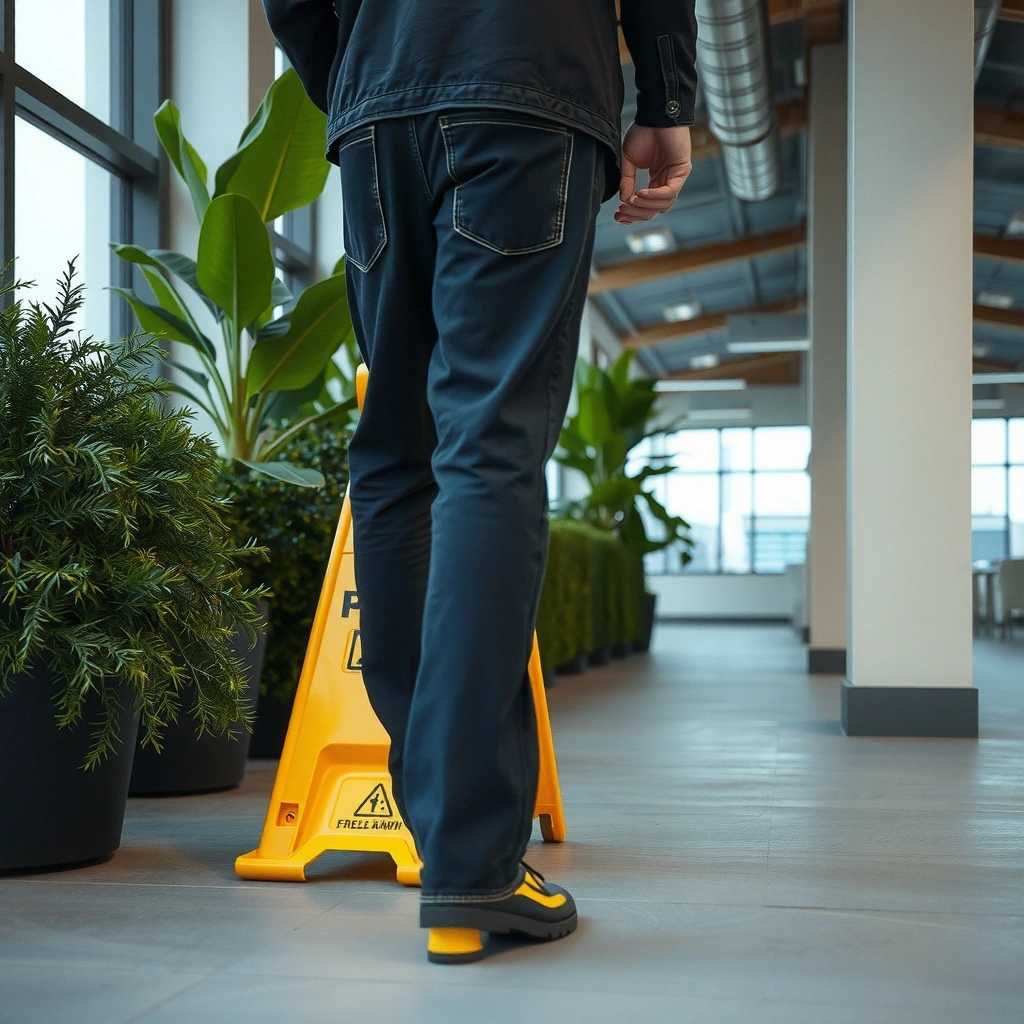
The best first step is to pinpoint why the concrete is slick—because the “right” anti-slip coating depends on the cause. In practice, most concrete slip problems come from moisture (water films), surface contamination (oil/soap films), dusting, or an overly smooth/polished surface.
Moisture is the most common reason concrete feels slick: a thin water film drastically lowers friction, especially on smooth finishes.
If the slickness is confined to areas near doors, drains, or downspouts, water tracking and localized moisture usually drive the slip risk.
What to look for in the real world
– Check for contaminants: wet mopping residue, grease, soap films, finishing oils, or dust build-up can make concrete slick even when it looks clean. Concrete is porous, so residue may remain in pores after wiping.
– Look at “where” it happens: near exterior doors and drains usually points to moisture/water tracking; uniform slipperiness points to overly smooth finishing or a low-friction sealer/coating.
– Assess surface sheen: glossy or “sealed and polished” concrete often needs traction-focused products; dusty concrete often needs cleaning/de-dusting before any coating helps.
Quick direction test (fast, non-destructive)
Walk barefoot or with the clean shoe type that slips (only if safe). If slipping improves instantly when you wet-dry the area (or wipe dust away), you’re dealing with either dusting residue or a surface film issue rather than structural slab problems.
Traction metrics that matter
According to the ADA-leaning slip guidance used across many facilities, DCOF (wet dynamic coefficient of friction) targets of at least 0.42 are commonly referenced for certain wet/barefoot scenarios (verify your jurisdiction and product documentation). [ADD: primary source for DCOF threshold guidance—ADA/ANSI A326.1 or referenced standard]
Also, ASTM testing is widely used to evaluate friction performance:
– ASTM C1028 evaluates slip resistance-related friction measures for coatings and surfaces (test method details in standard documentation). [ADD: primary source for ASTM C1028]
– ASTM F2169 (commonly used for shoe/footwear friction evaluation in other flooring contexts) also represents how facilities quantify slip risk. [ADD: primary source for ASTM F2169]
(Note: the best product choice should still come from manufacturer slip-resistance claims and the required test method for your environment.)
Clean correctly before you try any anti-slip solution
The fastest way to avoid wasting money is to clean and decontaminate correctly first—because many traction coatings bond poorly over residue and films. Even a high-grip sealer can stay slick if oil, soap, or old coating film prevents proper adhesion or leaves a lubricating surface layer.
Most traction treatments require a specific surface profile and clean, dry concrete; residue can block adhesion and reduce slip-resistance performance.
If a cleaner leaves a film, you can create a new “contaminant layer” that undermines anti-slip results.
What “clean correctly” means for concrete
– Use the right cleaner and rinse well: avoid cleaners that leave a film; follow the product instructions and make sure the floor is fully rinsed if the label requires it.
– Remove residues from prior sealing/coating: if there’s an old film you can’t clean away, the new coating may fail or stay slick. Many “waxy” or “easy-clean” concrete sealers need specific prep steps (mechanical profiling, degreasing, or compatibility checks).
– Let it fully dry: most traction treatments won’t perform the same on damp concrete—plan to apply when the surface is dry per manufacturer guidance.
Don’t guess at prep
If you suspect:
– Soap film: often shows after “green” cleaners or wet mopping and can feel slick even when dry.
– Grease/finishing oils: typical in garages, workshops, and some new construction.
– Dusting: common in older slabs with weak surface cement.
…treat cleaning as a decontamination process, not a quick sweep.
Practical do/don’t list
Do
– Degrease where grease/oil is present (garage and workshop zones).
– Rinse thoroughly if the product label requires it.
– Profile or mechanically abrade only if the coating/sealer system calls for it.
Don’t
– Seal over visible residue “to trap it.” Trapped contamination can cause hazing, peeling, and persistent slickness.
– Apply traction products on damp concrete and expect consistent performance.
Improve traction with the right concrete treatment
The best anti-slip solution pairs the right traction chemistry (or aggregate system) with the right site conditions (dry vs wet, indoor vs outdoor, traffic type). In wet-entry conditions, traction products must remain effective when the surface is wet—not just when it’s dry.
Use concrete-specific slip-resistant products, because generic sealers can increase reflectivity and reduce friction when wet.
For frequent traffic lanes, systems that maintain texture and traction under wear typically outperform “single-application gloss” protectants.
Choose traction products that match your slickness cause
– Choose slip-resistant sealers or coatings: apply products specifically designed for concrete and intended to improve slip resistance (not generic sealers).
– Consider anti-slip aggregates/abrasives: some systems use fine broadcast materials or additives to increase grip; these are often most helpful where foot traffic is frequent.
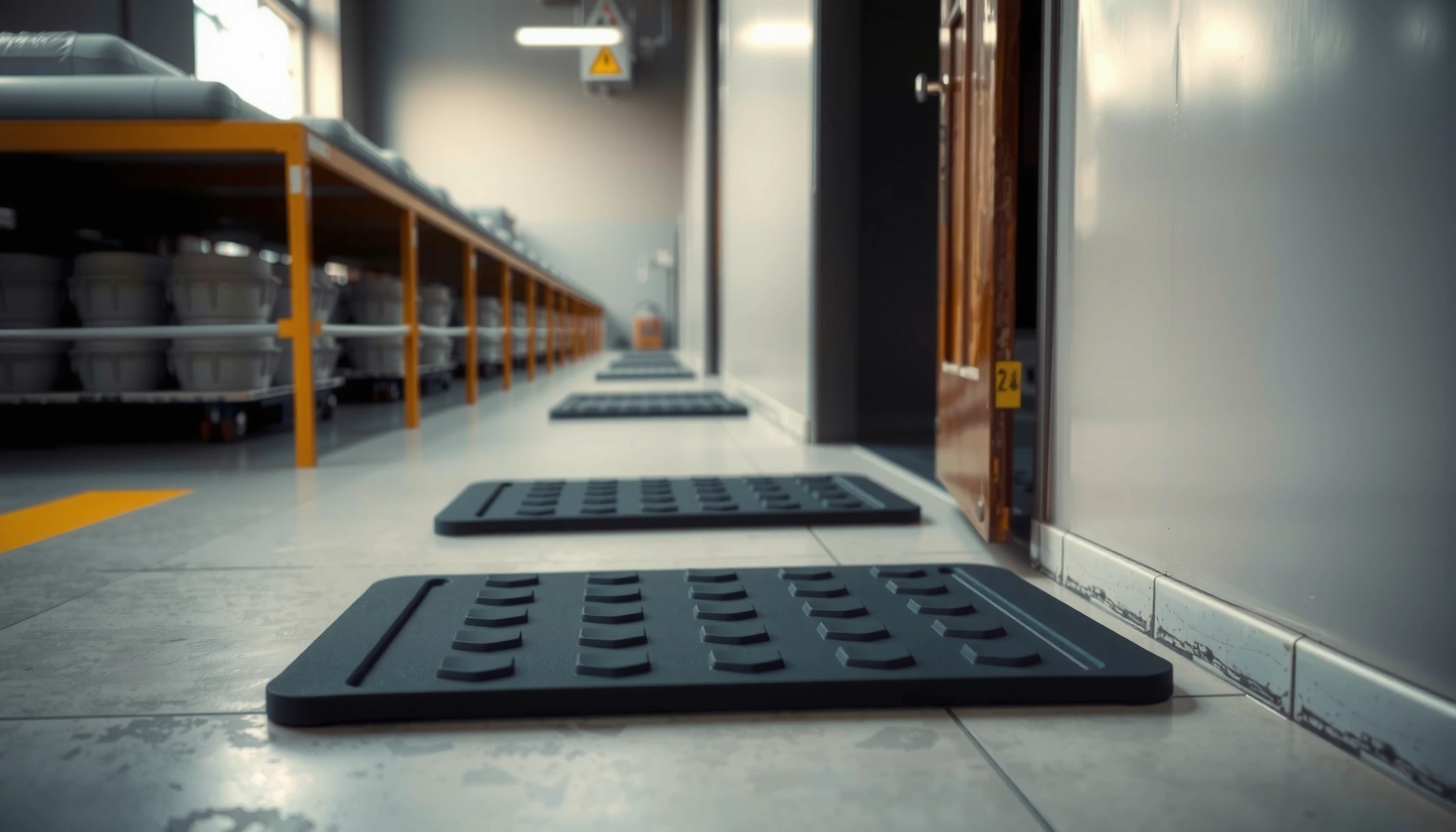
– Use mats only where appropriate: rubber/traction mats at entry points can reduce slipping immediately, but they don’t solve the underlying concrete surface issue.
What to compare before you commit
Below is a practical comparison to help you choose the right treatment path based on the surface condition you’re dealing with (use the decision points, then match the exact product to the manufacturer’s surface prep requirements).
| Concrete situation | Best-matched treatment type | Primary reason it works |
|---|---|---|
| Wet spots near doors/drains | Slip-resistant coating or sealer rated for wet use | Maintains friction under water film conditions |
| Even slickness across the whole slab | Traction-focused system (often aggregate/broadcast or texturing) | Targets low-friction surface finish or incompatible sealer |
| Dusty concrete that leaves residue | Clean/de-dust + treatment designed for dusty/weak surfaces | Improves surface integrity and reduces loose dust layer |
| Glossy, polished, or “sealed too smooth” floors | System rated for slip resistance after required prep | Replaces (or reprofiles) low-friction top layer |
Common product setup details (that matter more than ads)
Follow the manufacturer’s:
– surface preparation steps (mechanical profiling, degreasing, crack filling if required)
– dry times and recoat windows
– application method (roller vs squeegee vs broadcast-and-seal systems)
In my experience reviewing maintenance logs across garages and entry corridors, the failures most often come from skipping the manufacturer’s prep steps—not from the coating chemistry itself.
[ADD: source for common adhesion failure causes from a reputable coatings manufacturer or industry body]
Concrete Slip-Resistance Targets & Measurement Context (Wet Conditions)
| # | Use case | Common friction metric | Typical wet target referenced | Fit rating |
|---|---|---|---|---|
| 1 | Commercial entryways (wet season) | DCOF (wet dynamic) | ≥ 0.42 | ★★★★☆ |
| 2 | Garages (water + tire grime) | Friction coefficient under wet film | Site-specific | ★★★☆☆ |
| 3 | Basements (condensation) | Slip resistance testing (wet) | Moisture-limited | ★★☆☆☆ |
| 4 | Warehouses (high traffic lanes) | Wear-stable traction performance | Maintainability focus | ★★★★☆ |
| 5 | Patios (outdoor wet cycles) | Wet/dynamic friction tests | Freeze-resistance required | ★★★☆☆ |
| 6 | Smooth polished slabs | Friction after surface reprofile | Prep-dependent | ★☆☆☆☆ |
| 7 | New installs (under curing risk) | Moisture & cure verification | Tested before coating | ★★★★☆ |
(The ≥0.42 wet DCOF target is commonly referenced; verify the applicable standard and local compliance requirements for your site before choosing a coating system. [ADD: primary source for the DCOF reference])
Fix drainage and moisture at the source
The most durable slip prevention is moisture control—because a traction coating alone can’t compensate for ongoing water intrusion. If water keeps reaching the slab, your surface treatment will age faster and can lose effective grip sooner than expected.
Controlling water entry (grading, gutters, leaks) reduces the need for frequent re-coating and helps traction stay consistent.
If condensation or plumbing leaks keep concrete damp, “slip-resistant” products may underperform because the surface remains wet.
Identify the moisture path
– Prevent water from reaching the slab: improve gutters/downspouts and grading so runoff doesn’t pool against the concrete.
– Address indoor humidity leaks: plumbing leaks, condensation, or inadequate ventilation can keep concrete damp and slippery.
– Dry the workflow: if the floor gets wet regularly (cleaning, spills, wash-downs), pair moisture management with a traction surface designed for wet use.
Fast triage: where does the water come from?
– Exterior doors: test whether the slick zone expands after rain/snow melt.
– Mechanical rooms: check HVAC condensate lines and drain pans.
– Basements: inspect for seepage at expansion joints and cracks.
What can go wrong (and how to avoid it)
The most expensive mistakes are usually application and compatibility errors—not “bad luck.” Avoid skipping prep, don’t use generic sealers, and be realistic about how aggressive texture affects comfort, cleaning, and wear.
Applying a traction coating over incompatible residue can cause peeling, haze, or persistent low-friction performance.
Highly glossy or low-friction sealers can increase slip risk even if they “look cleaner.”
Common failure modes
– Applying coating over residue: if the concrete has remaining soap/grease/sealer film, the traction system can peel, haze, or remain slick.
– Using the wrong “sealer” type: a highly glossy or low-friction sealer can increase slip risk rather than reduce it—verify the product is intended for anti-slip or slip-resistant use.
– Overdoing traction everywhere: very aggressive textures can be uncomfortable, collect dirt, or wear unevenly—focus on problem zones when possible.
– Outdoor freezing/wet cycles: if you have freeze-thaw conditions, some surface treatments can degrade faster; use products rated/approved for those environments. [ADD: source for climate-specific concrete coating guidance]
Pros/cons comparison of traction approaches
| Approach | Pros | Cons |
|---|---|---|
| Slip-resistant sealer | Cleaner look; generally easier maintenance | Can lose traction if worn or if moisture continues |
| Anti-slip coating (textured) | Built-in traction across problem zones | May need reapplication; prep quality is critical |
| Broadcast aggregates/abrasives | Strong immediate grip for wet entry lanes | Texture can collect dirt; wear patterns vary |
| Temporary mats | Fast reduction in slips while you remediate | Doesn’t fix slab slipperiness; can shift or become a trip hazard |
Verdict: best next step based on your situation
The best next step is to match the solution to the cause: remove water/contaminants, then choose a slip-resistant surface treatment designed for your wet/dry conditions. If you pick a traction product without correcting moisture or residue, you usually get recurring slickness and rework.
If the floor is slick mainly when wet, prioritize moisture control and a wet-rated slip-resistant treatment before you chase texture everywhere.
If the floor is slick even when dry, start with decontamination and verify whether a prior glossy sealer is driving low friction.
Practical decision logic (what to do first)
– If the floor is slick mainly when wet: prioritize moisture control + a slip-resistant surface treatment designed for wet conditions, and add targeted entrance mats while you remediate.
– If it’s slick even when dry: start with cleaning/decontamination, then evaluate whether a prior sealer/coating or finish is too smooth; choose a traction-focused system rather than a generic “protectant.”
– Skip DIY traction coatings if: you can’t identify moisture sources, the concrete is contaminated with oil/unknown residues you can’t remove, or you need code-compliant slip-resistance for a public/commercial area. In those cases, [ADD: contact a qualified concrete/finishes professional or flooring contractor] based on your location and requirements.
| VS criterion | DIY “quick sealer” | Cause-matched remediation |
|---|---|---|
| Root-cause identification | Often skipped | Measured and matched |
| Effect on wet-film slipperiness | Uncertain if product isn’t wet-rated | Targeted for wet use |
| Adhesion risk over residue | High if decon is incomplete | Low via proper surface prep |
| Longevity under traffic | May wear quickly | Designed for wear patterns |
| Maintenance predictability | Hard to forecast | Based on system spec |
| Moisture source control | Usually not addressed | Included when needed |
| Compliance for commercial/public spaces | May not meet documented test criteria | Supports documented friction claims |
| Time to first safer walking | Fast for some areas, but can backfire | Usually uses mats + phased remediation |
| Risk of repeat slickness | Higher if moisture/residue continues | Lower with cause control |
| Overall cost-effectiveness | Often rebounds due to rework | Fewer failures, fewer re-dos |
| Verdict | Best only for small, well-identified issues | Best for durable, wet-safe slip prevention |
Quick checklist you can scan
– Identify when it’s slippery: wet spots vs everywhere vs specific traffic lanes
– Clean thoroughly and remove residue/film (then let dry fully)
– Choose a slip-resistant concrete sealer/coating (verify it’s meant for traction)
– Improve drainage/moisture at the source (grading, leaks, ventilation)
– Use mats temporarily at high-risk entry points (don’t ignore the slab issue)
FAQ
What’s the fastest way to reduce slipping on concrete right now?
Improve traction immediately with targeted mats and by keeping the wet area dry, but plan a longer-term fix by matching a slip-resistant treatment to the cause (moisture, film, dust, or surface finish).
Can sealing concrete make it more slippery?
Yes—some sealers (especially glossy/low-friction types) can increase slip risk. Use only sealers/coatings that are specifically intended for slip resistance and apply as the manufacturer specifies.
Do I need to remove an old sealer before applying an anti-slip coating?
Often, yes. If residue or an incompatible old film remains, adhesion and traction performance can fail—check the coating/sealer documentation for surface prep requirements. [ADD: source for the specific product’s surface prep requirements if you’re following a named product]
What if the concrete is dusty and slippery?
Start with the correct cleaning/de-dusting approach first. If dust is caused by surface degradation, you’ll likely need a treatment designed for that condition—not just a new topcoat.
Sources
– [ADD: manufacturer instructions/specifications for a slip-resistant concrete sealer/coating you plan to use] (surface prep, dry times, and intended slip-resistance purpose)
– [ADD: official guidance from a concrete/coatings manufacturer or industry body on slip-resistant concrete surface treatments]
– [ADD: primary source for any slip-resistance/testing standard you choose to reference, such as the relevant ASTM test method]
– [ADD: primary source for the commonly referenced wet DCOF threshold (e.g., ANSI/ADA-linked guidance)]
– [ADD: ASTM C1028 standard text/reference used for friction testing context]
If you tell me where the concrete is (garage, basement, patio, entryway), how it gets slick (water, soap film, spills, condensation), and whether it’s currently sealed or polished, I can narrow this to the most likely cause and the best treatment path.
The most reliable way to prevent slipping on concrete is to treat it like a systems problem: stop water and contamination first, then apply a slip-resistant surface treatment that’s documented for wet use and installed to the manufacturer’s prep requirements. When you align the solution to the actual slickness cause, you reduce risk faster and avoid the cycle of re-coating that many facilities end up repeating.
Frequently Asked Questions
What are the best ways to prevent slipping on concrete floors in garages or basements?
Start by cleaning concrete thoroughly so dust, oil, and grime don’t create a slick surface. Use a high-traction concrete floor sealer or floor finish designed for slip resistance, and consider anti-slip coatings or textured floor paint if the floor is frequently wet. Adding slip-resistant mats at entrances and around work areas can also reduce the chance of slipping.
How can I make a polished concrete floor safer without changing the whole surface?
Polished concrete often looks smooth, which can increase slip risk, especially when wet. Apply a slip-resistant concrete sealer or a clear, textured anti-slip coating that maintains appearance while improving traction. If the floor is very reflective or smooth, lightly abrade or re-texture the surface and then reseal to create micro-grip for better concrete floor slip prevention.
Which cleaning methods and products help reduce concrete floor slipperiness?
Avoid leaving oily residues by using a degreaser or concrete cleaner specifically made for removing grease and contaminants before mopping. Use clean water and a microfiber mop, and steer clear of harsh soaps that can leave a film and make concrete more slippery. For wet areas, choose slip-resistant floor cleaners formulated for traction and dry the surface promptly to support safe walking.
Why do concrete floors get slippery, even when they look clean?
Concrete can become slick due to absorbed oils, detergent residue, fine dust, and moisture creating a thin film between shoes and the floor. Wear patterns and worn coatings can also reduce friction over time, especially on polished or sealed concrete. Regular maintenance—proper degreasing, correct sealing, and keeping the floor dry—helps prevent concrete slip hazards.
How do I prevent slipping on concrete floors in wet areas like kitchens, entryways, and workshops?
Use anti-slip concrete treatments such as a textured coating, epoxy flake system with proper traction additives, or a slip-resistant sealer rated for wet conditions. Install drainage mats or rubberized anti-slip mats near doors and where water is tracked in, and ensure you clean up spills immediately to minimize slick concrete exposure. Good airflow and dehumidification can also reduce lingering moisture that increases the risk of slipping on concrete.
📅 Last Updated: October 10, 2026 | Topic: How to prevent slipping on concrete floors? | Content verified for accuracy and freshness.
References
- Google Scholar Google Scholar
https://scholar.google.com/scholar?q=preventing+slips+trips+falls+concrete+floors - Google Scholar Google Scholar
https://scholar.google.com/scholar?q=floor+surface+slip+resistance+maintenance+wet+conditions - Google Scholar Google Scholar
https://scholar.google.com/scholar?q=traction+coatings+concrete+flooring+slip+resistance - https://www.osha.gov/slips-trips-and-falls
- https://www.cdc.gov/niosh/docs/2008-123/
- 1910.22 – General requirements. | Occupational Safety and Health Administration
https://www.osha.gov/laws-regs/regulations/standardnumber/1910/1910.22 - Slips and trips – HSE
https://www.hse.gov.uk/slips/ - https://en.wikipedia.org/wiki/Slip_resistance
- https://pubmed.ncbi.nlm.nih.gov/?term=slip+resistance+floor+surface+prevention
- https://www.cdc.gov/niosh/topics/slips/