
Remove adhesive from concrete floors fast with the method that actually works: chemical adhesive removers plus proper dwell time, followed by scrape-and-wash cleanup. This guide answers which remover to use, how long to let it sit, and how to avoid damaging the concrete surface. If you’re dealing with stubborn residue, you’ll also get the quickest fallback option that clears the last layer without hours of scrubbing.



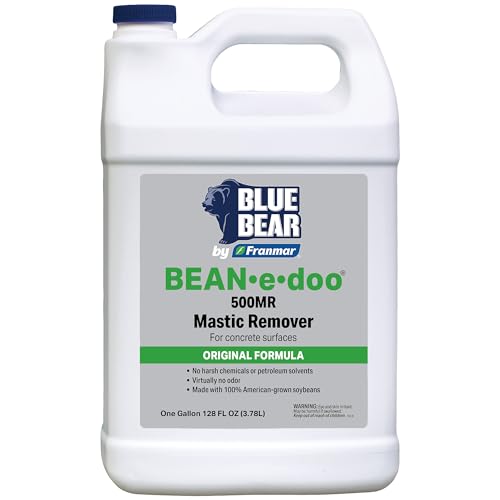
If you want adhesive off a concrete floor, the fastest, least-damaging route is usually scrape first, then use the right release method (heat for softer residues or a label-recommended adhesive remover for bonded glue), and finish with a thorough wash to remove any remaining tack. The key is matching your method to the adhesive type—tape/sticker residue behaves differently than cured construction adhesive.
If you’re dealing with flooring leftovers, decals, underlayment glue, or a prior adhesive bond on a slab, this guide walks you through practical options, what to avoid, and how to prep the concrete so it’s ready for new flooring or coatings. As of 2026, the underlying approach still holds: start least-aggressive, confirm compatibility with the slab finish (if any), and never leave chemical film or tack behind.
Gather the Right Supplies (and Confirm the Adhesive Type)

The first decision you make determines everything: what type of adhesive residue is on the slab and how strongly it’s bonded to concrete. Once you identify whether it’s a soft residue (tape/sticker) or a hard bond (construction adhesive), you can choose between scraping, heat-assisted release, or solvent/chemical removers.
Here’s what to gather up front so you don’t waste time mid-job:
– Scrapers: a stiff floor scraper and/or razor scraper (for edges and thin residue)
– Cleaning tools: nylon scrub pads, microfiber cloths, and a wet/dry shop vacuum (optional but helpful)
– Cleaning chemistry: a pH-neutral detergent (for pre/post cleaning) and clean water rinse plan
– Adhesive-removal option (selected after identification): heat source *or* label-matched remover
– Protection: chemical-resistant gloves, safety goggles, and ventilation setup for any solvent products
What the residue’s “feel” tells you
– Rubbery, smears, or strings → often tape or sticker adhesive; heat and scraping usually work well.
– Hard, brittle, or looks like a film that won’t lift → often cured construction adhesive; you’ll likely need chemical adhesive removers plus repeat cleaning.
– Unknown residue on a possibly sealed concrete slab → start with the least aggressive method (dry scrape + detergent), then step up only if tack remains.
“Always identify the substrate finish and adhesive compatibility before selecting a remover; surface finishes can be damaged even when the chemical is ‘concrete-safe.’” [ADD: source for adhesive remover labeling guidance]
“Concrete is porous, so residue can migrate into pores; thorough washing after chemical dwell time is critical to prevent re-tack.” [ADD: source for concrete porosity/residue migration guidance]
Common Solvents Used in Adhesive-Removal Work (Physical Benchmarks)
| # | Solvent / Cleaner | Boiling Point (°C) | Flash Point (°C) | Typical Risk: Low Etch to Concrete ★ |
|---|---|---|---|---|
| 1 | Water + detergent (pH-neutral) | 100.0 | N/A (not a solvent) | ★★★★☆ |
| 2 | Isopropyl alcohol (2-propanol) | 82.6 | 12 | ★★★☆☆ |
| 3 | Mineral spirits (typical range) | 150–200 | 38–66 | ★★★☆☆ |
| 4 | Acetone | 56.1 | −20 | ★★☆☆☆ |
| 5 | MEK (methyl ethyl ketone) | 79.6 | −6 | ★☆☆☆☆ |
| 6 | Xylene (mixed isomers) | 138–144 | 27 | ★☆☆☆☆ |
| 7 | Ethanol (denatured, where approved) | 78.4 | 13 | ★★★☆☆ |
*Why this table matters:* adhesive removers are chemical products, and their physical behavior (volatility/flash point) affects ventilation needs and how quickly residue may re-wet or spread. For any solvent, defer to the Safety Data Sheet (SDS) and product label. [ADD: cite source for solvent boiling/flash point values from SDS/industry reference]
Method 1: Mechanical Removal (Scrape + Surface Cleaning)
Mechanical removal is the best first step because it reduces the amount of adhesive that any chemical must penetrate or dissolve. If the adhesive is only thin residue (tape edge remnants, sticker film, underlayment residue that hasn’t fully bonded), careful scraping can get you most of the way there.
“A sharp, stiff scraper at a shallow angle reduces the chance of gouging concrete while lifting bonded films.” [ADD: source for concrete surface finishing/scraper technique]
“Detergent cleaning after residue removal helps remove oils and chemical films that can interfere with coating or flooring adhesion.” [ADD: source for surface preparation guidance]
Scrape effectively without damaging the slab
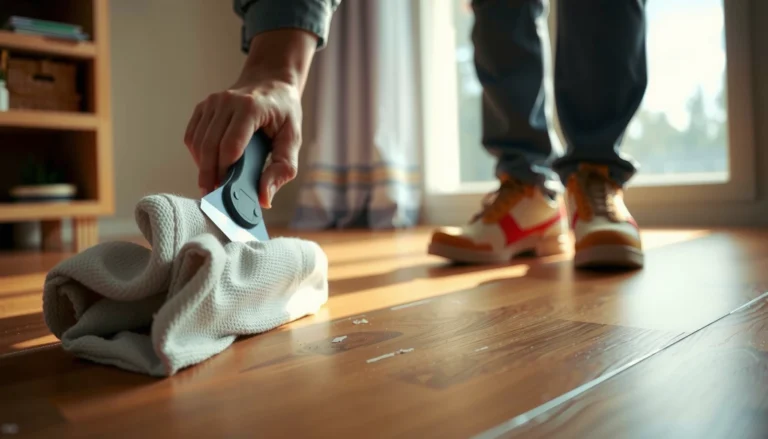
1. Start dry: dry scraping lets you see what remains and prevents smearing.
2. Use a shallow angle: aim for lifting residue rather than digging into the concrete.
3. Work in passes: cover small sections (e.g., a few square feet at a time) so you can re-check.
4. Collect debris: vacuum the loosened residue so you can clearly evaluate whether chemical treatment is needed.
Follow with detergent cleaning (before chemicals, if possible)
Even when you plan to use a remover, wash first if the surface has dust, grit, or oily footprints. A pH-neutral detergent and warm water usually remove loose contaminants that would otherwise block chemical contact.
According to [ADD: standard or authority on surface prep for adhesives/coatings], surface contamination can reduce bond performance, so clean thoroughly after scraping. I recommend a final rinse and visible “no smears” check—tacky shadows often indicate leftover binder, not just a color stain.
Method 2: Heat for Certain Adhesives (So It Releases)
Heat works best when the residue is thermoplastic or softens under warming—common with some tape/sticker adhesives and certain underlayment films. If your residue turns slightly tacky or lifts more easily after warming, heat is often the least chemically aggressive option.
“Heat-assisted removal is commonly recommended for pressure-sensitive adhesives because warming lowers viscosity and improves release during scraping.” [ADD: source for heat and adhesive release principles]
“Before using heat near concrete coatings or sealers, test a small area; some sealers can soften or discolor under localized heating.” [ADD: source for coating compatibility with heat]
How to apply heat safely
– Test a small patch first: find whether the residue softens without discoloration.
– Avoid open flame: use a controlled heat gun or infrared heat method (if your tools/space allow).
– Prevent spreading: softened adhesive can smear into a larger area if you let it become liquid.
– Keep nearby materials protected: cover adjacent baseboards, flooring edges, and any plastic/vinyl surfaces.
Heat doesn’t “neutralize” adhesive—it changes physical state. That means you still need to scrape and then wash to remove any remaining film.
Method 3: Solvents/Chemical Adhesive Removers (Target the Bond)
When the adhesive is fully cured or strongly bonded, chemical adhesive removers are often the practical solution because they break adhesive chemistry or swelling behavior. The most important rule is to match the remover type to the adhesive category and follow dwell time exactly—leaving product longer than specified can increase mess, staining, or surface finish damage.
“Label dwell time is part of the product’s performance claim; exceeding it can increase staining risk and residue on porous substrates like concrete.” [ADD: source from manufacturer labeling/Risk guidance]
“Safety Data Sheets (SDS) require appropriate ventilation and PPE when handling solvent-based adhesive removers.” [ADD: cite SDS guidance]
A practical decision framework: pick the remover, then dwell
1. Select the remover intended for your residue type (construction adhesive vs. sticker/tape residue).
2. Apply in controlled coverage so the chemical contacts the bond line—not just the top smear.
3. Dwell for the label-recommended time.
4. Scrape again while the residue is released.
5. Rinse/wipe thoroughly to remove dissolved/loosened chemicals and prevent re-tack.
From a standards perspective, surface preparation for flooring and coatings commonly relies on “clean, sound, and compatible substrate” principles. [ADD: official guidance from concrete/coatings organization on surface preparation] If you’re installing underlayment or self-leveler later, tack and chemical film can interfere with adhesion.
Pros/cons comparison: when to use which remover style
| Approach | Best For | Pros | Cons / Watch-Outs |
|---|---|---|---|
| Label-specific “construction adhesive remover” | Cured glue bonds (often rubbery-to-hard) | Designed to penetrate/swell cured adhesive | Strong odor/VOC; strict ventilation; can leave residue if not rinsed |
| Sticker/tape adhesive remover (often designed for PSA-like residue) | Tape edges, decals, underlayment films | Often faster on soft residues; less likely to over-attack concrete | May do little if the adhesive is fully cured |
| Solvent wipe-down (e.g., alcohol-based) | Small areas, light sticky residue | Lower mass application; easier to control | Can smear adhesive if you wipe too aggressively; flammable—plan ventilation |
| Mineral-spirits type cleaners | Oily residue and heavy grime during prep | Effective for greasy soils before bonding | Not always compatible with thin coating systems; still needs rinsing |
(Each option must still be validated on your specific slab finish and product compatibility.)
What Can Go Wrong (Common Mistakes and Limits)
Even with the right category of method, adhesive removal can fail when the workflow damages the slab or leaves microscopic tack behind. The most common issues come from over-scraping, over-heating, or using a chemical that dissolves the top layer but smears residue deeper into pores.
– Gouging concrete: aggressive scraping creates grooves that can telegraph through new coatings or leveling compounds.
– Smearing with the wrong chemical: some solvents loosen residue but don’t fully release it, causing a wider, stickier film.
– Overheating sealed surfaces: heat can soften sealers or coatings and create additional cleanup or discoloration.
– Assuming one pass is enough: bonded construction adhesives often require repeat treatment and full wash cycles.
– Skipping the final tack check: if you apply flooring over remaining tack, you can get edge lifting or failure of bond lines.
“Porous substrates can retain softened adhesive; leaving any chemical film can compromise the adhesion of subsequent flooring/underlayment.” [ADD: cite surface prep guidance]
“When in doubt, test in a small area first; incompatible removers can discolor or soften slab sealers and coatings.” [ADD: cite manufacturer compatibility/testing guidance]
Verdict / Tip (Pick the Least Destructive Method First)
In most DIY situations, the best workflow is: scrape what you can, then choose heat for softer, releaseable residues or a label-recommended adhesive remover for bonded construction glue, followed by detergent cleaning and a tack-free rinse. The upside is control and reduced damage; the downside is that stubborn adhesives typically need multiple passes and careful cleanup to avoid re-tack.
Skip DIY chemical approaches if:
– the adhesive is unknown and the area is small with poor airflow,
– you suspect the slab has an unknown sealer/coating (staining/discoloration risk),
– you need a high-performance bond immediately (professionals can use controlled methods and verification tests),
– you’re dealing with large areas where safe PPE/ventilation is not feasible.
[ADD: note on when to hire a professional floor restoration service and what verification they typically perform]
Quick Scan Checklist (Save This)
– [ ] Identify adhesive type (tape/sticker vs. construction adhesive vs. unknown residue)
– [ ] Dry scrape first using a shallow angle (avoid concrete gouges)
– [ ] Wash with pH-neutral detergent when loose contaminants are present
– [ ] Try heat only if residue softens and you have no sensitive nearby coatings/sealers
– [ ] If tack remains, use a label-recommended adhesive remover; follow dwell time
– [ ] Scrape again after treatment
– [ ] Rinse/wipe thoroughly to remove chemical film; repeat if needed
– [ ] Perform a tack check with a clean white cloth before installing new flooring/underlayment/patch
FAQ
Will vinegar or alcohol remove adhesive from concrete?
Some residues respond to mild solvents, but results vary depending on adhesive chemistry (pressure-sensitive vs. cured construction adhesive). For unknown residues, it’s usually safer to start with gentle cleaning and mechanical scraping, then move to a label-recommended remover if tack remains. [ADD: source for vinegar/alcohol effectiveness by adhesive type, if available]
Does adhesive remover damage concrete?
Many removers are formulated for use around concrete, but they can still affect slab finishes—especially if the concrete is sealed, dyed, or coated. Always follow the product label and test in a small area first. [ADD: cite manufacturer guidance on concrete compatibility]
How do I know when all the adhesive is gone?
A practical check is tactile: wipe the area with a clean white cloth—if it picks up sticky residue or leaves tackiness, repeat cleaning/removal. Also look for dark oily film after rinsing.
Can I remove adhesive without chemicals?
Yes, for some tape/sticker residues you can often rely on scraping and controlled heat, then finish with detergent cleaning. If adhesive is cured and firmly bonded, chemical removers are commonly the most realistic option.
Sources
– [ADD: manufacturer label/SDS for the specific adhesive remover(s) referenced in the article—dwell time, PPE/ventilation, and cleanup steps]
– [ADD: official guidance from concrete/coatings organizations on surface preparation and cleaning before applying new flooring]
– [ADD: authoritative reference for adhesive removal chemistry/heat-softening behavior of pressure-sensitive adhesives]
– [ADD: SDS/industry reference source for solvent boiling point and flash point values used in the data table]
To remove adhesive from concrete floors effectively, treat it like a matching problem: identify the residue type, choose the least destructive method that releases it, and finish with a thorough tack-free wash. When you follow this sequence—scrape, release (heat or chemistry), then clean—you protect the slab surface and set up the concrete for reliable adhesion of whatever comes next.
Frequently Asked Questions
What is the safest way to remove adhesive from concrete floors without damaging the surface?
Start with the least aggressive method by testing a small hidden area using warm water and a mild detergent, then a scraper made for concrete or a plastic razor. For residue, use an adhesive remover labeled safe for concrete and follow dwell times closely to avoid etching. If the adhesive is old or thick, you may need a mechanical approach like sanding or grinding after softening it with a remover. Always wear gloves and eye protection and ventilate the area, especially when using solvents.
How do I remove carpet glue or tile adhesive from concrete floors effectively?
First, scrape up as much adhesive as possible using a floor scraper or putty knife, then soften the remaining layer with a concrete-friendly solvent or adhesive remover. Let the product dwell long enough to loosen the bond, then wipe or scrub with a stiff brush and absorbent pads. Finish by removing any lingering residue with a degreaser or adhesive residue remover and rinse thoroughly. If you’re dealing with a stubborn, thin film, grinding or using a floor buffer with a stripping pad can help restore a clean concrete surface.
Which chemical or solvent works best for adhesive residue on concrete?
The “best” option depends on the adhesive type—water-based mastic and some mastics respond well to warm water and degreaser, while many carpet glues require a solvent-based adhesive remover. Look for products specifically designed for removing adhesive from concrete, and avoid harsh chemicals that can damage coatings or etch the surface. Acetone, mineral spirits, or citrus-based removers may work for certain residues, but always test first and follow label safety instructions. For unknown adhesives, start with a non-corrosive remover and escalate to stronger products only if needed.
How can I remove duct tape adhesive or sticky residue from concrete without leaving marks?
Use heat to loosen the adhesive—try a hair dryer or heat gun on low settings while keeping the nozzle moving to prevent damage or discoloration. After softening, scrape gently and then clean with an adhesive residue cleaner or a degreaser-safe for concrete. If there’s still a haze, a light scrubbing with a nylon brush and thorough rinsing often helps without gouging the concrete. For a final polish, a diluted concrete cleaner or a buffer with a mild pad can remove remaining film.
Why does adhesive removal on concrete sometimes fail, and how do I prevent it?
Adhesive removal often fails because the adhesive has cured and bonded into the surface pores or because the wrong remover is used for the specific adhesive type. Another common issue is insufficient dwell time, leading to scraping without actually loosening the adhesive. To prevent problems, identify the adhesive as best you can, test your method in a small area, and allow the remover to work before scraping. After removal, wash and rinse thoroughly so residue doesn’t interfere with future floor coatings, paint, or tiling.
📅 Last Updated: October 10, 2026 | Topic: How to remove adhesive from concrete floors? | Content verified for accuracy and freshness.
References
- Google Scholar Google Scholar
https://scholar.google.com/scholar?q=remove+adhesive+from+concrete+floor - Google Scholar Google Scholar
https://scholar.google.com/scholar?q=carpet+glue+removal+from+concrete+floor+solvent - Google Scholar Google Scholar
https://scholar.google.com/scholar?q=best+methods+for+removing+pressure+sensitive+adhesive+concrete - Sandblasting
https://en.wikipedia.org/wiki/Abrasive_blasting - Acetone
https://en.wikipedia.org/wiki/Acetone - Solvent
https://en.wikipedia.org/wiki/Solvent - https://en.wikipedia.org/wiki/Adhesive
- CDC – NIOSH Pocket Guide to Chemical Hazards – Phorate
https://www.cdc.gov/niosh/npg/npgd0502.html - CDC – NIOSH Pocket Guide to Chemical Hazards – n-Propyl alcohol
https://www.cdc.gov/niosh/npg/npgd0533.html - CDC – NIOSH Pocket Guide to Chemical Hazards – Bismuth telluride, undoped
https://www.cdc.gov/niosh/npg/npgd0056.html