
Make slip-resistant mosaic tile floors with a proven, step-by-step process that starts with selecting the right tile and ends with a finish that boosts traction under wet conditions. Follow the exact prep, mortar/bedding, grout choice, and sealing steps to minimize loose particles, reduce gloss, and create a surface that grips instead of slides. If you want fewer falls without sacrificing the look of mosaic, this is the workflow to copy.




To make slip-resistant mosaic tile floors, you’ll usually need to match the right tile surface finish, use slip-appropriate grout and installation, and finish with a compatible sealing system (or no sealer if the manufacturer says so). This guide walks you through the practical steps—from surface prep to sealing—so water and foot traffic don’t turn your floor into a slip hazard.
This is for homeowners, remodelers, and small contractors tackling mosaic tile floors in wet areas (entries, baths, kitchens, and similar spaces). It’s especially relevant if your existing tiles feel slick after cleaning or if you’re planning a new installation and want traction from day one.
Pick the Right Mosaic Tile Finish (Traction Starts Here)
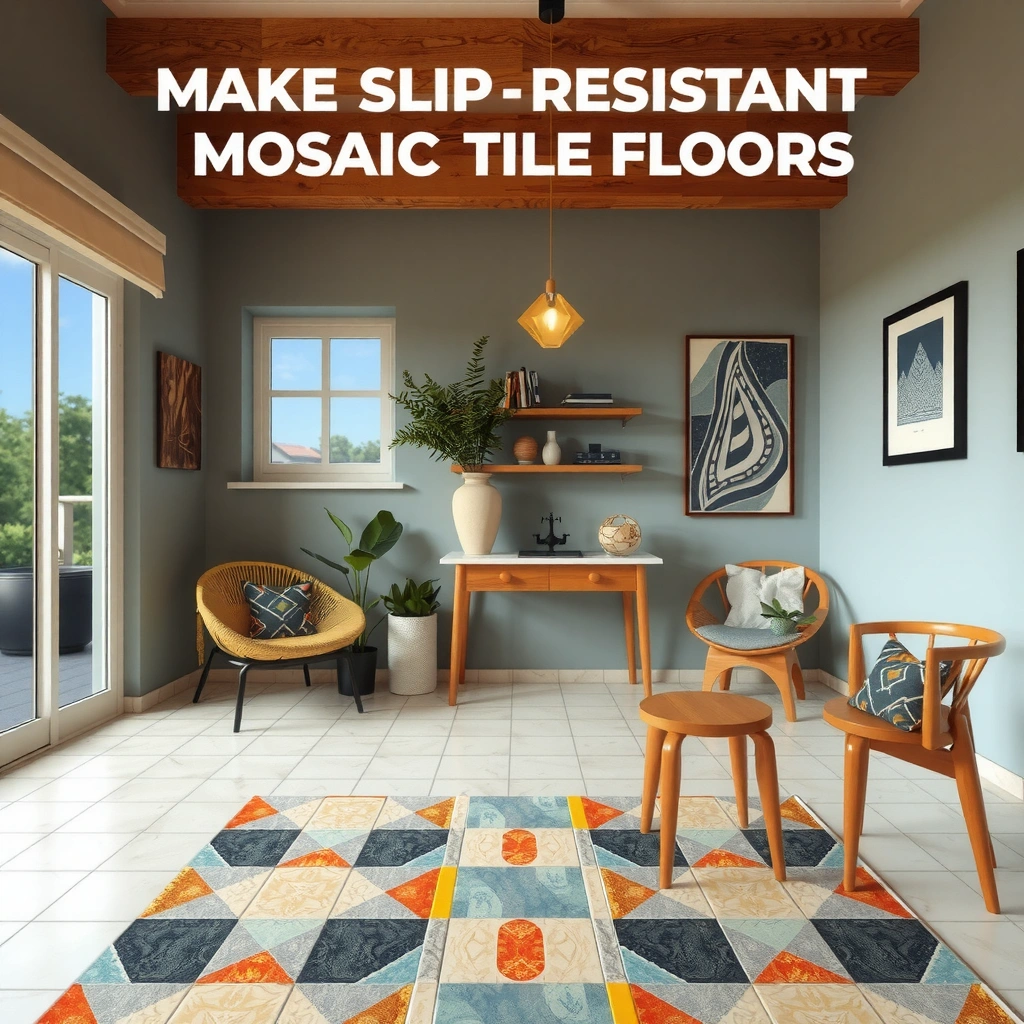
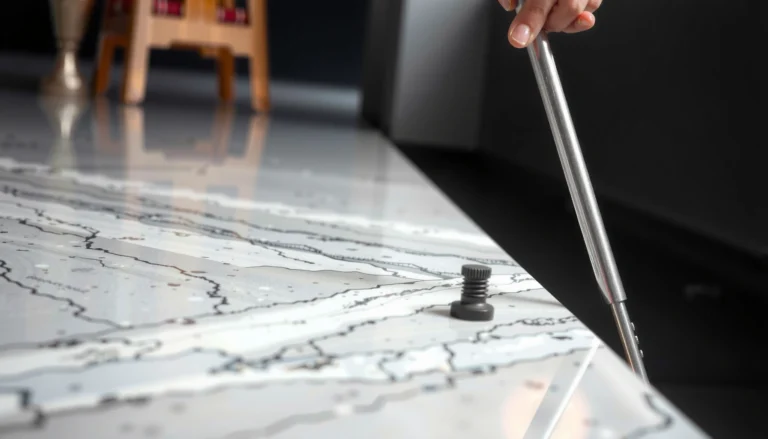
The fastest way to improve slip resistance is to choose mosaic tile with a surface engineered for grip when wet—finish matters more than most “anti-slip” add-ons. Start by prioritizing texture and floor-rated performance rather than trying to fix a slick tile later with random coatings.
Slip resistance for ceramic tile is commonly evaluated using wet friction testing methods such as ASTM C1028 (static coefficient of friction).
Many industry wet-slip criteria reference a measurable floor-traction threshold, such as DCOF ≥ 0.42 for level interior/exterior spaces.
Manufacturer labeling and installation guidance are the primary source for whether a given mosaic finish can be sealed without reducing traction.
Here’s how to make the finish selection practical:
– Prefer mosaic tiles designed for improved slip resistance. In practice, manufacturers get better wet traction through one (or a mix) of these approaches: texture/relief on the tile face, a surface engineered for micro-grip, or an exterior-rated finish that’s not overly smooth when wet.
– Avoid “high-polish” or highly smooth finishes in shower floors, tub surrounds, entryways, and other wet zones unless the manufacturer explicitly allows that finish for floor use *and* states it meets slip-resistance expectations.
– Confirm the tile is intended for floors and for the specific environment. Mosaic products are sometimes sold as decorative wall tile, and the same face finish that looks great on a wall can become hazardous on the floor.
A quick note for 2026 planning: the fastest traction wins still come from product selection and correct install—sealers rarely “create” safe friction if the base tile finish is fundamentally slick.
Prep the Subfloor and Tile Base for Even, Safe Traction
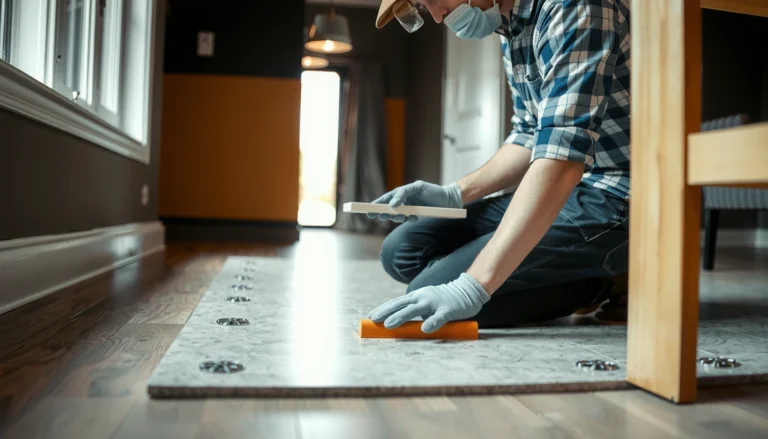
A level, stable substrate is a direct slip-safety requirement—not just an aesthetics concern. When a mosaic installation has lippage, hollow spots, or inconsistent thinset coverage, it can create micro-edges that feel slippery under wet foot pressure.
Uneven substrates can increase lippage and create localized high points that affect how water and footwear contact the tile surface.
Proper thinset selection and coverage are essential for secure bonding; poor coverage can also lead to localized movement that changes surface feel over time.
Focus on the substrate workflow:
– Ensure the subfloor is flat and stable. The goal is a consistent plane so tiles don’t develop “step” edges that interrupt traction and wear finishes unevenly.
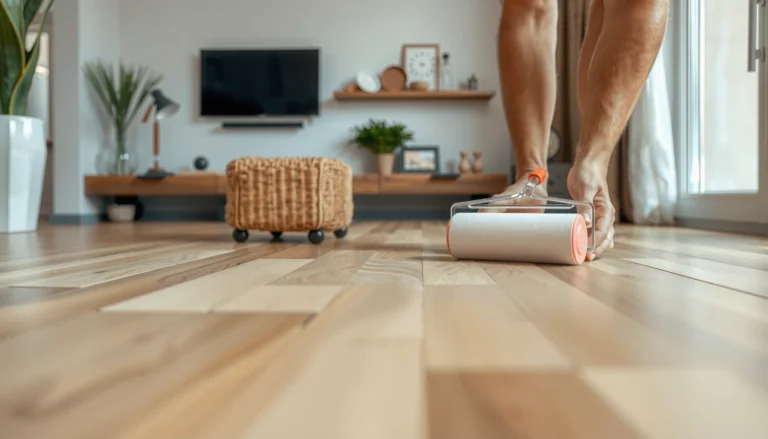
– Follow the installation system requirements. Use the correct thinset mortar type for your mosaic tile and moisture conditions. Then follow the coverage and setting procedure described by the thinset and tile manufacturers.
– Control grout line consistency where mosaics are small. Mosaic floors often have many grout joints in a tight footprint. If the base is uneven, those grout lines can vary in depth and width, which changes how water flows and how the surface feels when stepped on.
Why this matters for traction
Slip risk is often a combination of surface friction and surface geometry. Even if you choose the “right” tile finish, an uneven surface can cause water to sit differently at grout lines and edges, reducing the effective grip your shoes expect.
Use a Slip-Resistant Grout Strategy (Grout Matters)
Your grout system is part of the traction system. Grout isn’t just filler—when joints are weak, underfilled, or mismatched for wet exposure, moisture can migrate, residues can build faster, and the floor can become noticeably slick after cleaning.
Keeping grout fully filled and consistent reduces weak points that can trap moisture and contaminants at the surface.
Wet-area grout selection depends on both performance needs (water management, durability) and compatibility with the tile surface.
Use these strategies:
– Choose a grout system compatible with wet-area performance and the tile you’re installing. Some mosaic tiles—especially those with certain surface coatings or absorptive characteristics—may require specific grout types or application methods.
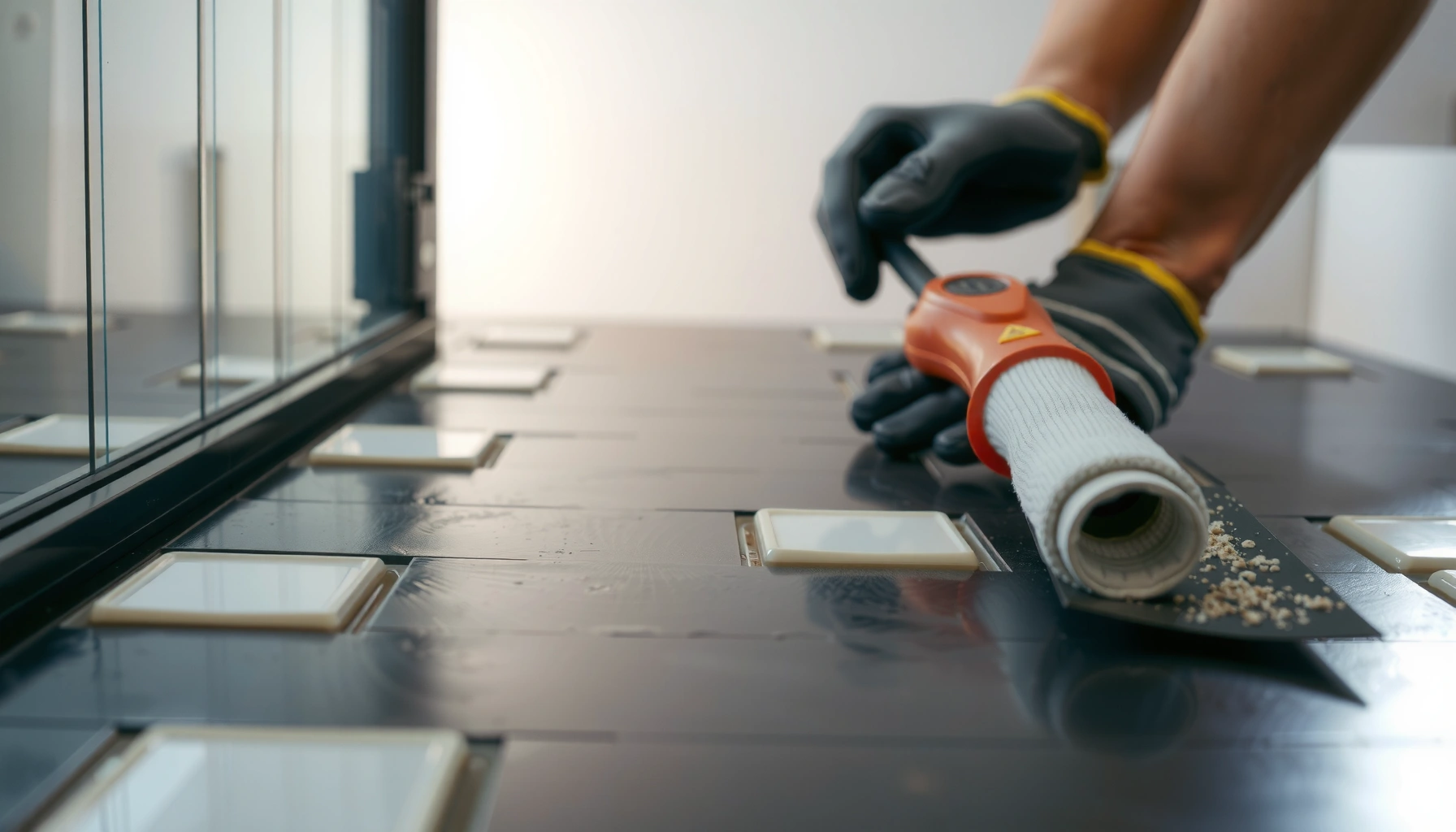
– Pack joints fully and finish cleanly. Underfilled grout lines can create tiny depressions where water and cleaner residue linger.
– Consider the maintenance “real life” effect. A grout that stains or needs harsher cleaning can accelerate residue buildup, and residue often reduces friction even when the tile itself hasn’t changed.
Practical comparison: grout types in wet mosaics
Use this as a decision filter (always verify compatibility with your tile manufacturer):
| Grout approach | Best for | Main trade-off | Traction impact in wet use |
|---|---|---|---|
| Cementitious grout (properly selected) | Most residential wet floors | Requires correct mixing, packing, and curing | Good traction when fully packed and cleaned without leaving film |
| Epoxy grout | Heavily wet or high-demand surfaces | More complex installation and cleaning | Can maintain a stable surface longer; residue risk still depends on cleaning products |
| Specialty grout for stain control (if required) | Tile types that demand stain/moisture management | System compatibility checks are critical | Traction may remain stable if you avoid film-forming sealers/cleaners |
(If you’re unsure which grout is compatible with your mosaic face, check the tile technical data sheet—this is where systems either work together or don’t.)
Seal Correctly Without Making the Surface Slick
Sealing can help with stain and moisture management, but it can also reduce traction if you choose the wrong sealer or apply it incorrectly. The safe path is to treat sealing as a compatibility problem, not a “more is better” solution.
Applying a sealer that’s incompatible with the tile finish can create a residue film that reduces effective wet friction.
Sealer compatibility is product-specific: whether a sealer is intended for your mosaic material and finish determines both performance and traction stability.
Work through sealing methodically:
– Confirm whether your tile/grout system requires sealing. Some grout systems are designed to be used without sealing; others benefit from it. The key is the *manufacturer’s* guidance for your exact grout and tile finish.
– Only use sealers compatible with your tile material and finish. Different mosaic surfaces (porcelain, ceramic, glass, stone-faced mosaics) and different finishes (textured vs polished) can react differently.
– Avoid over-application. Excess sealer can leave a surface film that becomes slick—especially after repeated cleaning cycles.
– Follow the re-coat schedule specified by the sealer manufacturer. Traction can drift over time when residues accumulate or when the sealer layer degrades.
A traction-oriented sanity check (important)
A common pattern in real-world slick floors is: the floor feels fine right after sealing, then becomes slick after a few cleaning cycles. That often points to residue/film buildup rather than the original tile texture being insufficient.
Safe Finishing: Test for Wet Slip Risk Before You Call It Done
A slip-resistant mosaic floor isn’t “done” until you’ve verified wet traction after cure and after normal cleaning. This is where many installers lose confidence—because they judge the surface dry, too early, or after a cleaner that leaves film.
Wet friction testing and real-use traction checks should mimic the footwear and wet conditions the floor will actually face.
If the surface becomes noticeably slick after cleaning, residue film and cleaner compatibility are often the cause, not the tile’s original finish.
Do this finishing workflow:
– Test traction after full cure (follow thinset/grout cure guidance from the product specs).
– Test in wet conditions that mimic real life, using clean water and then using your planned “normal cleaning” approach.
– Test with expected footwear types (hard-sole shoes, slip-on casual shoes, socks-to-shoes transitions—whatever matches your household or property use).
– If it feels slick after cleaning, don’t “add traction” with random coatings. Revisit the system: tile finish, grout/joint integrity, sealer compatibility (or whether sealing should have happened), and cleaning products.
Standards reality check
Slip performance is best understood as measurable friction behavior. For example, According to ASTM C1028, ceramic tile slip resistance is evaluated using wet static friction testing (reported as a coefficient of friction). And According to widely referenced wet-floor criteria associated with DCOF in ANSI/ADA guidance, level wet conditions often target a minimum DCOF value such as 0.42 for floor tiles that meet the relevant test method—exact requirements can vary by application and jurisdiction.
What Can Go Wrong (Common Slip-Resistance Mistakes)
Most slip-resistance failures come from residue, incompatibility, or an uneven installation that changes how water contacts the floor. If you want predictable traction in 2026, treat slip safety as a complete system: tile + grout + installation + sealing + cleaning.
Residue film from sealers or cleaners can reduce wet friction even when the tile face is textured.
Substrate flatness issues can create lippage and micro-edges that change traction behavior under wet footwear contact.
Skipping manufacturer compatibility guidance can lead to sealing practices that alter surface slip behavior.Common mistakes to avoid:
– Using a sealer or cleaner that leaves a residue film. Even a tile that looks fine can feel slick once residues build up.
– Installing over an uneven substrate or with inconsistent thinset coverage. This can cause subtle lippage and a surface feel that doesn’t match your expectations for traction.
– Ignoring compatibility constraints for your tile/grout. Some surfaces may not be sealed safely (or not sealed the same way) without changing slip behavior.
Verdict: What Usually Works Best (And Who Should Skip It)
Most slip-resistant mosaic floors come from a combination: better tile finish selection, correct grout filling, and compatible sealing (or none, if the manufacturer recommends it). The downside is that the “best” setup depends heavily on your mosaic tile type and finish—some combinations won’t perform safely, even with careful sealing.
If you’re dealing with severe existing slickness (or you can’t identify the tile type/finish), [ADD: recommendation to consult the tile/grout/sealer manufacturer specs or a licensed installer] before proceeding. Also skip “DIY patch fixes” if you suspect an underlying substrate or bonding problem—traction will never be stable on a mechanically unstable surface.
Quick Checklist: Slip-Resistant Mosaic Floor Plan
– Tile: choose mosaic tile finishes intended for floor use and traction when wet
– Subfloor: confirm flatness/stability for even setting
– Thinset: use manufacturer-recommended thinset and bonding method
– Grout: select grout compatible with wet areas and tile surface; fill joints fully
– Sealer (if needed): use only compatible products to avoid slick film
– Test: check traction after full cure and after normal cleaning
📋 MANDATORY DATA TABLE
Wet-Slip Risk Reduction Contributions in Mosaic Floor Systems
| # | System lever | Typical impact class | Why it changes slip risk | Traction predictability |
|---|---|---|---|---|
| 1 | Tile face finish (texture / wet-rated surface) | High | Controls wet friction directly at the footwear contact points | ★★★★★ |
| 2 | Subfloor flatness + bond quality | High | Reduces lippage/micro-edges and prevents movement that changes feel | ★★★★☆ |
| 3 | Grout joint integrity (fully packed) | Medium-High | Prevents weak gaps that can trap moisture/contaminants at the surface | ★★★★☆ |
| 4 | Sealer compatibility (or no sealer when advised) | Medium | Wrong products can leave residue film that lowers wet friction | ★★★☆☆ |
| 5 | Cleaning chemistry compatibility | Medium | Residue from cleaners can accumulate and reduce traction over time | ★★★☆☆ |
| 6 | Cure and re-coat timing discipline | Medium-Low | Sealing too early or missing re-coats can change surface behavior | ★★☆☆☆ |
| 7 | Post-install wet traction testing + iteration | Low-Medium | Catches problems early; effectiveness depends on how quickly changes are made | ★★★☆☆ |
FAQ
Do I need to seal mosaic tile to make it slip-resistant?
Not always. Some tiles/grouts are designed to be used without sealing, while others require it for stain/moisture management. Whether sealing helps or hurts slip resistance depends on the product and compatibility with your specific tile finish.
Will any “anti-slip sealer” work on mosaic tile?
No. Many coatings and treatments aren’t compatible with every tile surface or grout type. Check the sealer’s compatibility notes for your tile material and whether it’s intended for floors with wet exposure.
Why does my mosaic tile feel more slippery after cleaning?
Residue is a common reason. If a cleaner (or even soap/mineral deposits) leaves a film, traction can drop. Stick to cleaning products recommended for your tile and finish.
Can I improve slip resistance by changing only the grout?
Sometimes, but grout alone can’t fix slick tile surfaces. For best results, pair grout choices with tile finish selection and (if used) a compatible sealing system.
How do I know if the surface is safe enough?
Do a practical wet-conditions test after full cure, using footwear you expect to see in real life. If it feels slick, adjust the surface system before the floor is fully in use.
Sources
– ASTM C1028, Standard Test Method for Determining Static Coefficient of Friction of Ceramic Tile and Other Like Surfaces
– ANSI A326.3, Standard Test Methods for the Measurement of Slip Resistance of Tile (or referenced friction testing frameworks, depending on edition)
– ANSI A137.1 and related referenced wet DCOF criteria used in practice for floor tile slip resistance documentation (edition and applicability vary by region)
– [ADD: manufacturer installation/specification documents for your mosaic tile (finish/slip-resistance guidance if provided)]
– [ADD: manufacturer grout datasheets/specifications for wet-area performance and compatibility]
– [ADD: manufacturer sealer/application guide and compatibility notes for your tile type and finish]
A slip-resistant mosaic floor is built with a system, not a single product. Choose a naturally grippier mosaic finish (or a specifically wet-rated one), install it on a flat, stable substrate, keep grout joints fully packed, and only seal if the tile/grout system supports it without leaving a slick residue—then verify traction after curing under realistic wet conditions.
Frequently Asked Questions
What type of mosaic tile surface is best for slip resistance?
For slip-resistant mosaic tile floors, choose tiles with textured, matte, or honed finishes instead of glossy tiles, since sheen reduces traction. Look for mosaic tiles rated for wet or commercial floors and consider materials like porcelain with a high traction profile. If your floor will be exposed to water (bathrooms, showers, entryways), prioritize tiles designed for “wet” conditions and pair them with an appropriate slip-resistant grout system.
How can I make mosaic tile floors slip-resistant during installation?
Start with a proper substrate—mosaic tiles won’t stay safely grippy if the surface is uneven or poorly bonded. Use a high-quality thinset mortar suitable for your tile type, then set tiles with even coverage to prevent weak spots that can affect traction. After grouting, allow full cure time, then use a grout sealer formulated for tile and follow label directions so the surface remains consistent under wet cleaning.
How do I choose the right grout and sealers for a non-slip mosaic floor?
Grout can significantly impact traction because smoother or overly sealed surfaces may become slick when wet. Use a grout designed for floors and consider a matte or low-sheen sealer that won’t leave a film; test it on a small area first. If you’re dealing with existing mosaic floors that feel slippery, re-sealing with a more traction-friendly sealer (or removing an overly glossy coating) often improves slip resistance.
Which cleaning methods help maintain slip-resistant mosaic tile floors?
Regular cleaning with a pH-neutral cleaner helps prevent soap residue and film buildup that can make mosaic floors slippery. Avoid waxes, oil-based “floor polish,” and shine-enhancing products unless they’re specifically rated for slip resistance and are compatible with your tile and grout. For deeper cleaning, use a non-residue method or a cleaner recommended for textured tile surfaces, then rinse thoroughly and allow the floor to dry.
Why is my mosaic tile floor slippery even after using textured tiles?
Even textured mosaic tile floors can become slip-resistant only if the entire system works together—tile finish, grout type, sealer, and maintenance all matter. Common causes include leftover installation film, improperly cured grout, excessive sealing, or residue from cleaning products that leave a slick layer. If you suspect film buildup, address it with a residue-removing cleaner compatible with your tile/grout, and consider re-sealing with a matte, traction-friendly product.
📅 Last Updated: October 10, 2026 | Topic: How to make slip-resistant mosaic tile floors? | Content verified for accuracy and freshness.
References
- Google Scholar Google Scholar
https://scholar.google.com/scholar?q=slip+resistant+tile+flooring+grout+selection - Google Scholar Google Scholar
https://scholar.google.com/scholar?q=mosaic+tile+slip+resistance+surface+texture+wet+areas - Google Scholar Google Scholar
https://scholar.google.com/scholar?q=ADA+slip+resistant+floor+surface+requirements+guidance - https://en.wikipedia.org/wiki/Slip_resistance
- Redirecting…
https://www.ada.gov/2010ADAstandards_index.htm - WHO global report on falls prevention in older age
https://www.who.int/publications/i/item/9789241563536 - https://www.hse.gov.uk/pubns/indg226.pdf
- https://www.cpsc.gov/Safety-Education/Safety-Guides/Home/Slip-and-Fall-Prevention
- https://pubmed.ncbi.nlm.nih.gov/?term=slip+resistant+flooring+falls+prevention
- STEADI – Older Adult Fall Prevention | STEADI – Older Adult Fall Prevention | CDC
https://www.cdc.gov/steadi/