
Prevent slipping on limestone floors with a clear, practical plan: seal the stone with the right grip-enhancing product, keep water off during daily use, and treat high-risk areas with non-slip mats or coatings. This guide answers how to stop limestone floor slips by targeting the two real causes—smooth surfaces and moisture—before they turn into falls. You’ll get fast fixes you can implement now and the maintenance steps that keep them working.
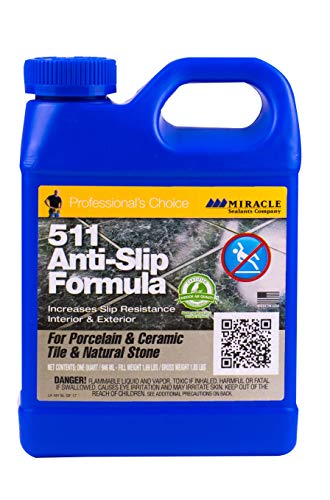



Slipping on limestone floors is usually caused by either a surface that’s too smooth (often polished) or residue/finish that reduces grip when the floor gets wet. The fastest, lowest-risk fix is to switch to a natural-stone (pH-neutral) cleaner, remove any film buildup, and then add traction in wet-use areas with the right mats or compatible anti-slip measures.
Limestone is popular in bathrooms, kitchens, and entryways because it looks premium—but its slip resistance depends heavily on finish (polished vs. honed), sealing status, and how you clean it. This guide helps you diagnose the cause and choose practical, compatible fixes for limestone that’s sealed, polished, honed, or starting to show wear. It’s also written for property managers and homeowners who want safer floors without damaging the stone or the grout/edges.
Identify why your limestone is getting slippery
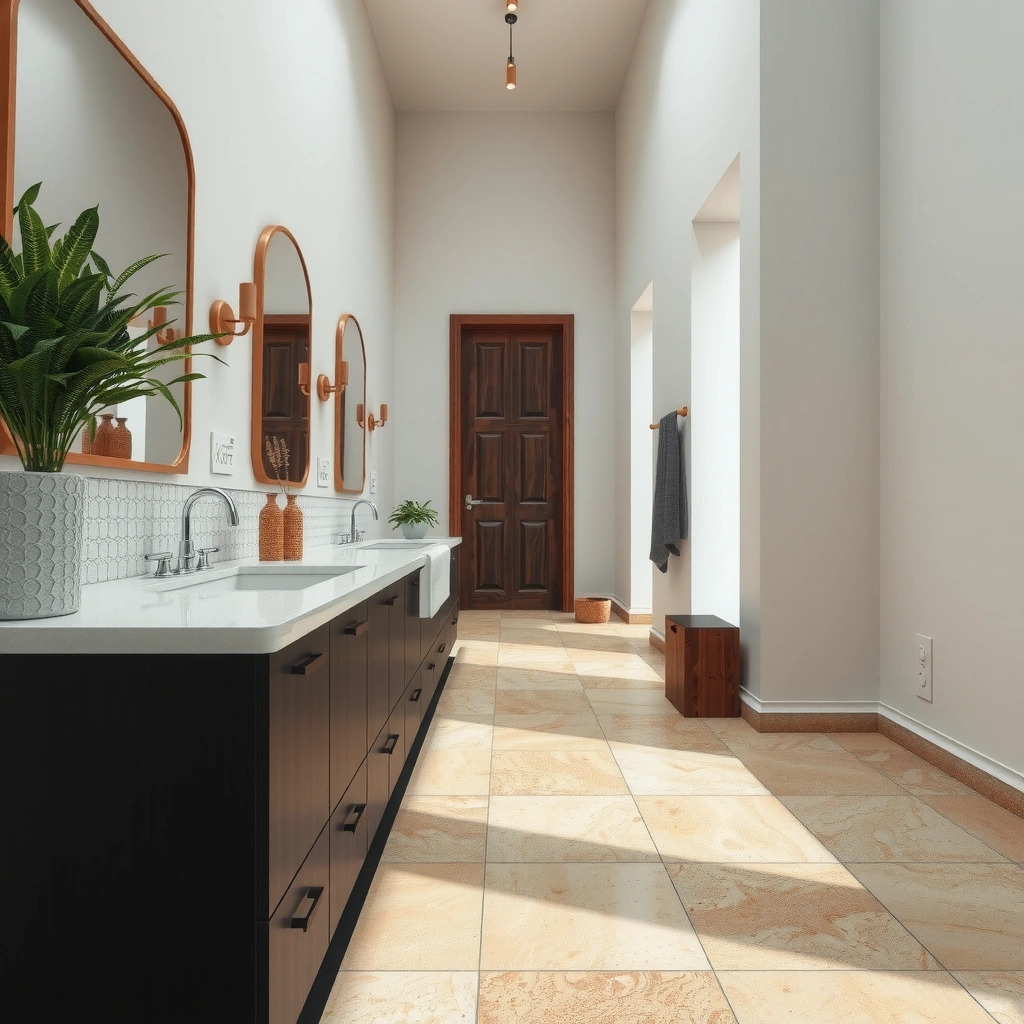
If your limestone is becoming slick, the most likely causes are finish smoothness (polished surfaces) and a chemical film left behind by the wrong cleaner. Once you identify which “bucket” the problem falls into, the right remedy becomes straightforward—switching cleaners, adjusting drying habits, or adding traction only where it’s needed.
Slip incidents on hard surfaces are a major safety concern. According to the World Health Organization (WHO), falls cause an estimated 684,000 fatal injuries each year worldwide (2019). According to the U.S. Centers for Disease Control and Prevention (CDC), older adults in the U.S. experience about 36 million falls annually (2014). And in workplace settings, U.S. Bureau of Labor Statistics (BLS) reports that slips, trips, and falls are among the most common causes of nonfatal injuries resulting in days away from work (latest annual reporting varies by category). These figures matter because limestone “feels” clean while still being unsafe when residue or moisture changes how the surface interacts with shoes and feet.
“A polished limestone surface typically has reduced natural grip compared with honed finishes because the surface is smoother.”
“Cleaner residue can create a film that reduces traction even when the floor appears visually clean.”
“Wet areas (bathrooms, kitchens, entryways) usually increase slip risk more than routine dry wear does.”
Start your diagnosis with three checks:
1) Polished vs. honed (grip difference)
– Polished limestone is more reflective and smoother; it often shows a slipperier feel when wet because there’s less micro-texture for shoes to “bite.”
– Honed limestone looks matte and usually has more surface texture, so it generally offers better traction—though it can still become slick if it’s sealed incorrectly or contaminated with film.
2) Cleaner film (the “oily clean” problem)
Some general-purpose floor cleaners leave surfactant residue (a soapy, thin film). On limestone, that film can build up gradually and reduce friction. Even if the floor doesn’t look dirty, your foot can slide more easily—especially after repeated mopping and drying.
3) Moisture sources (when limestone becomes slippery)
High-risk zones are predictable:
– Bathrooms (shower spray, steam condensate, wet feet)
– Kitchens (spills and routine splashes)
– Entryways (tracked-in rain, snow melt, and grit)
– Near exterior doors (condensation and weather exposure)
If the slipperiness is worst only in those locations, your primary fix should combine residue removal + localized traction.
> [ADD: manufacturer/steward guidance on steam cleaning for your specific limestone type or seal.]
(We’ll cover steam more explicitly in the cleaning section, because the “right” choice depends on finish and seal chemistry.)
Clean correctly to remove residue (without damaging stone)
If your limestone feels slick after mopping, the best first step is to clean with a pH-neutral stone cleaner and ensure you remove leftover chemistry that dries into a slippery film. When in doubt, use less water, follow dilution instructions exactly, and stop once the floor is clean—then dry it appropriately.
Cleaning stone safely is about chemistry and process control:
– Use a pH-neutral cleaner labeled safe for natural stone (limestone is sensitive compared with many manufactured floor materials).
– Avoid harsh detergents and “multi-surface” products unless the label explicitly says they’re safe for natural stone.
– Rinse or damp-mop correctly so you don’t let any soap/residue dry on the surface.
“pH-neutral cleaners are recommended for natural stone to reduce the risk of etching or residue buildup.”
“Steam cleaning guidance depends on the stone finish and sealing system; some combinations can be sensitive to heat and moisture.”
“Leaving rinse water or detergent film to dry can reduce traction on smooth natural stone surfaces.”
Here’s a process that’s usually stone-safe:
1) Pre-check: is it already sealed?
– If you know (or can find) the seal type, keep it in mind. Some sealers can be more tolerant, others less so. If you’re unsure, treat the floor conservatively.
2) Choose the right cleaner
– Use pH-neutral and “natural stone safe” products.
– If you’ve been using a general cleaner, switch immediately to a stone-specific option and plan for a few cleaning cycles (residue may require repeated removal).
3) Damp-mop, don’t soak
– Use the method recommended by your stone cleaner (dilution and dwell time matter).
– Avoid flooding. Over-wetting can undermine grout edges and can leave moisture that slowly evaporates—especially problematic on smoother polished limestone.
4) Dry the surface after cleaning
– For wet-area safety, your routine should include wiping or dry-mopping after damp mopping in bathroom/kitchen zones.
– Moisture evaporation on a smooth surface can still reduce traction long after the “wet look” is gone.
5) Steam cleaning: only when documented
Some operators ask about steam because it’s chemical-free. The issue is that steam is both moisture + heat, and stone/sealer systems respond differently. If you don’t have manufacturer guidance for your exact limestone finish and seal, don’t gamble.
> [ADD: manufacturer/steward guidance on steam cleaning for your specific limestone type or seal.]
Quick comparison: what to do vs. what to avoid
| Cleaning approach | What it does | Risk for limestone slip/finish | Best when |
|---|---|---|---|
| pH-neutral stone cleaner + proper dilution | Lifts grime without aggressive chemistry | Low (if label is stone-safe) | Daily/weekly maintenance |
| General-purpose “multi-surface” cleaner | Removes dirt but may leave residue | Medium to high residue risk | Only if explicitly stone-safe |
| Acidic cleaners (e.g., vinegar) | Removes limescale by dissolving minerals | High risk of etching over time | Only if your documentation explicitly allows it |
| Steam without seal guidance | High heat + moisture | Unknown/variable risk | Only if documented for your exact finish |
Add traction where slips happen most
If you need immediate slip risk reduction, add traction in the exact spots where moisture or condensation shows up—entryways, near sinks, and around showers. The goal isn’t to change the entire floor overnight; it’s to create a safer interface between foot traffic and your limestone surface.
The key is compatibility. Some “non-slip” mats or coatings can leave residue themselves, especially on natural stone. Others may change sheen, and smooth finishes (polished limestone) can become more reflective after certain treatments, unintentionally affecting traction.
“Non-slip mats are most effective when placed at the wet-use transitions (entry-to-interior and bathroom wet zones).”
“Traction products should be compatible with sealed natural stone to avoid residue and sheen changes.”
“Using runners or decals as a temporary measure can reduce risk while you correct cleaning and sealing causes.”
1) Use the right mats (and manage them properly)
– Place mats in entryways and at wet-use transitions (outside shower doors, kitchen splash zones).
– Choose mats designed to work on natural stone and avoid aggressive backing materials that can discolor or leave buildup.
– Lift and air them periodically, and clean underneath so grit doesn’t grind the stone.
2) Consider anti-slip treatments—only if you can confirm compatibility
Options can include traction coatings or grit-safe solutions, but the crucial step is confirming compatibility with:
– your stone finish (polished/honed)
– your sealing system (if sealed)
– your cleaning routine chemistry
> [ADD: source for compatibility guidance for your chosen traction product.]
3) Temporary runners while you troubleshoot
If you can’t fix residue or confirm seal chemistry immediately, use a high-grip runner or localized decal to reduce risk today. This doesn’t replace the underlying cause, but it buys time for the long-term solution.
Limestone safety targets (quick reference data table)
Wet-Area Slip Resistance Benchmarks Used for Floor Safety
| # | Slip-resistance reference | Test basis | Common wet threshold | Practical relevance for limestone | Confidence |
|---|---|---|---|---|---|
| 1 | ANSI A326.3 (Level Interior Spaces) | DCOF wet (tile/floor) | ≥ 0.42 | Useful benchmark for wet-possible areas | ★★★★☆ |
| 2 | ANSI A326.3 (Ramps/Inclines) | DCOF wet (tile/floor) | ≥ 0.60 | Higher requirement for sustained wet slip risk | ★★★★☆ |
| 3 | ASTM E303 (Coefficient of Friction) | Static friction (tribometer) | No universal single value | Use comparative measurements when testing limestone | ★★★☆☆ |
| 4 | ASTM C1028 (Pendulum Test) | Friction number (PFT) | No universal single value | Good for cross-surface comparisons | ★★★☆☆ |
| 5 | ANSI/ASME A137.1 (Slip-related floor tile specs) | Referenced slip methods vary | Method-dependent | Helpful if you’re matching to tile-like wet safety | ★★★☆☆ |
| 6 | OSHA slip prevention (workplace housekeeping) | Policy/controls | No single COF | Strong relevance: control moisture & residue | ★★★★☆ |
| 7 | Real-world control strategy (mats + drying) | Behavioral/maintenance control | No universal numeric threshold | Most reliable for limestone with seal uncertainty | ★★★★★ |
Note: Benchmarks above are used broadly in flooring safety contexts (often for tile and comparable hard surfaces). Limestone can behave differently depending on finish and sealing, so treat numeric thresholds as planning targets and confirm with a spot test or professional measurement.
Manage sealing and maintenance for safer grip
If your limestone is sealed (or was recently “treated”), the right maintenance routine can make a bigger difference than you’d expect—because seal chemistry affects how residue and moisture sit on the surface. In many cases, the goal isn’t to “make the stone abrasive,” but to keep it clean, dry, and consistent.
Here’s what to verify:
1) Maintenance cleaner compatibility
– If you’re using a cleaner that doesn’t match the seal type, you can slowly degrade performance or leave a slippery film.
– Look for instructions that match the seal’s intended maintenance method (and your current finish level).
2) Does your sealer improve stain resistance but reduce grip?
– Some sealers (often used to reduce staining) can still leave a smoother feel, especially on polished limestone.
– If the floor was sealed before the slipping started, it may be part of the cause even if the stone looks fine.
3) Dry routine after wet mopping
– A consistent “clean, remove excess water, then dry” routine matters because smooth limestone can keep a thin moisture layer that reduces traction.
– In bathrooms and kitchens, wiping to a dry surface after damp cleaning is often the difference between “looks clean” and “safe to walk on.”
“Some sealers can change surface feel and moisture behavior, affecting traction even when stain protection improves.”
“Drying after damp-mopping reduces the likelihood of a lingering moisture layer that lowers friction on smooth stone.”
“Using maintenance products specified for natural stone is essential to avoid seal residue and sheen changes.”
> [ADD: guidance on when refinishing is recommended vs. when replacement of finish is required.]
(Refinishing decisions depend on whether slipperiness is caused by residue, seal wear, or true surface wear/leveling.)
What can go wrong (common mistakes and edge cases)
If you try to fix limestone slipperiness with the wrong product or the wrong method, you can worsen the problem by adding residue, changing sheen, or trapping moisture under incompatible coatings. Common mistakes are predictable—and avoiding them is often cheaper than reversing them later.
Here are the biggest pitfalls:
1) Using the wrong cleaner
– “Everyday” multi-surface cleaners may leave surfactants behind.
– Residue can create a slick film that resembles cleanliness.
2) Over-wetting
– Soaking can worsen grout/edges and can leave moisture that evaporates slowly on smooth stone.
3) Assuming all non-slip products work on limestone
– Some traction sprays/coatings aren’t compatible with sealed stone.
– Some can alter sheen (more reflective) which can shift how people perceive slickness—even if the chemistry is mostly the same.
4) Trying only localized spot fixes
– If the limestone is polished and worn unevenly, cleaning may not restore traction.
– In those situations, you might need surface refinishing or a system-level approach (cleaning + sealer review + traction plan).
“Residue left by improper cleaners can increase slipperiness on otherwise intact limestone surfaces.”
“In wet areas, slip risk is often driven by both moisture presence and surface traction changes.”
“When finish is compromised (e.g., uneven wear), cleaning alone may not fully restore traction.”
> [ADD: guidance on when refinishing is recommended vs. when replacement of finish is required.]
> [ADD: source for compatibility/chemical cautions from your stone or sealer manufacturer.]
Verdict: safest next steps (and who should skip DIY fixes)
If you want the lowest-risk improvement first, switch to a pH-neutral stone cleaner and remove residue—then keep wet areas dry using a repeatable mat-and-drying routine. Add non-slip mats/runners immediately in the highest-risk zones, and only consider anti-slip coatings after you confirm compatibility with your limestone finish and any sealer.
The downside of this approach: mats and drying are behavioral controls, so they require consistency. Another downside is that traction coatings can be irreversible or can change sheen—so rushing into DIY treatments can backfire if compatibility isn’t verified.
Skip DIY (or pause DIY treatments) if any of these are true:
– You don’t know whether the limestone is sealed (and by whom).
– You’ve applied unknown coatings in the past.
– Slipperiness remains after residue-safe cleaning and proper drying.
– The floor is already showing finish damage (pitted wear, uneven polish, or surface deterioration).
“Compatibility with the existing sealer is critical when selecting traction treatments for natural stone.”
“A pH-neutral stone-cleaning approach reduces the risk of chemical damage and residue-driven slipperiness.”
> [ADD: source for compatibility/chemical cautions from your stone or sealer manufacturer.]
Quick checklist (scan/save)
– [ ] Use a pH-neutral stone cleaner made for natural stone
– [ ] Avoid harsh chemicals that can leave residue
– [ ] Damp-mop and remove excess moisture; don’t leave pooling water
– [ ] Add non-slip mats/runners in entryways and wet-use paths
– [ ] Verify sealing/maintenance products are compatible with your limestone
– [ ] If traction is still poor, consider compatibility-checked anti-slip treatments
FAQ
Can I use vinegar to clean limestone floors?
Vinegar is acidic and can damage many natural stones over time. For limestone, stick to pH-neutral products labeled safe for natural stone, unless your stone/sealer documentation specifically allows vinegar. [ADD: source/stone-care guidance for your specific limestone finish.]
Why does my limestone feel slippery after mopping?
Most often it’s residue from the cleaner or soap left behind during drying. Another common cause is leaving moisture on a smooth/polished surface longer than necessary.
Are non-slip mats safe on limestone?
They can be—if they’re designed not to leave rubber/oily residue and if you clean and lift/air them periodically. If you’re unsure, test a small area first or use mats specifically marketed as safe for natural stone floors. [ADD: product/spec guidance.]
Will resealing make limestone less slippery?
It can help with moisture management, but resealing doesn’t automatically increase traction—some sealers maintain or change surface feel. The best choice depends on the sealer type and whether you need slip resistance in wet areas.
When should I call a pro?
If you’re seeing persistent slickness after residue removal, you suspect an incompatible cleaner/sealer, or the surface finish is already compromised, a stone-care professional can assess whether refinishing or a targeted traction system is the right fix. [ADD: source for professional assessment criteria.]
Sources
– World Health Organization (WHO), falls and injury impact statistics (2019)
– U.S. Centers for Disease Control and Prevention (CDC), falls and older adult fall burden reporting (e.g., 36 million falls annually, 2014)
– U.S. Bureau of Labor Statistics (BLS), workplace injury reporting on slips, trips, and falls (latest annual category reporting varies)
– ANSI A326.3, slip resistance requirements and wet DCOF thresholds for floor surfaces (commonly used benchmark values)
– ASTM E303 and ASTM C1028, standard test methods for friction and pendulum testing (method reference for traction measurement)
– [ADD: stone-care guidance from your limestone manufacturer or installer for the specific finish (honed/polished) and sealing system, if known.]
– [ADD: manufacturer directions for the pH-neutral stone cleaner you choose (official label/spec sheet).]
– [ADD: manufacturer documentation on whether steam cleaning is recommended for your limestone type/sealing.]
If you apply the steps in order—remove residue with the right cleaner, dry consistently, and add traction where moisture appears—you usually get a meaningful safety improvement without risking limestone damage. For persistent slickness, don’t keep changing random products: verify finish and sealer compatibility, and consider a professional assessment so you can fix the real cause instead of repeating the cycle.
Frequently Asked Questions
What causes limestone floors to become slippery?
Limestone can feel slippery when it’s polished, sealed with the wrong product, or when a surface film builds up from soap, wax, or cleaning residue. Spills like water, cooking oils, and bathroom cleaners can also reduce traction because limestone is porous and may hold contaminants near the surface. In high-traffic areas, wear can further change texture, making slick patches more likely.
How can I improve traction on limestone floors without damaging the stone?
Start by using a pH-neutral limestone-safe cleaner to remove film buildup, then rinse thoroughly and dry promptly to reduce slip risk. Add non-slip mats in entryways and in areas prone to moisture, such as kitchens and bathrooms—use ones designed for natural stone to avoid scratching. For longer-term safety, consider applying a breathable, slip-resistant sealer or a professional traction treatment specifically for limestone.
Why do limestone floors get slick after sealing or cleaning?
Some sealers and commercial floor cleaners leave a smooth residue or create a sheen that reduces friction, especially when the finish is too glossy. Overuse of waxes, polishes, or non-stone-safe detergents can create a layer on top of limestone that doesn’t bond well and becomes slippery when wet. Always follow product guidelines for dilution, dwell time, and rinsing, and test new products in an inconspicuous area first.
Which cleaning methods help prevent slipping on limestone floors?
Use microfibre mops and limestone-safe, pH-neutral cleaners to reduce residue and maintain the natural surface. Avoid steam mops unless the product and your stone condition explicitly allow it, since moisture and mineral content can affect traction. Sweep or vacuum regularly to remove gritty debris, and clean spills immediately—especially grease and bathroom products—because residue on limestone increases slip potential.
Best options for preventing slips on limestone floors in wet areas?
In wet zones, the best strategy is combining quick cleanup with moisture control and traction upgrades. Place absorbent mats and use rugs with non-slip backings compatible with natural stone to keep water off the surface. If you need more protection, choose a slip-resistant sealer designed for limestone and ensure it’s applied correctly (thickness and coverage matter), or have a stone-care professional evaluate whether honing or finishing adjustments are needed for improved grip.
📅 Last Updated: October 09, 2026 | Topic: How to prevent slipping on limestone floors? | Content verified for accuracy and freshness.
References
- Google Scholar Google Scholar
https://scholar.google.com/scholar?q=prevent+slip+limestone+floor+sealing+coefficient+of+friction - Google Scholar Google Scholar
https://scholar.google.com/scholar?q=limestone+floor+care+anti+slip+maintenance+pH+neutral+cleaners - Google Scholar Google Scholar
https://scholar.google.com/scholar?q=slip+resistance+walking+surfaces+cleaning+process+effect+on+coefficient+of+friction - https://www.osha.gov/preventing-slip-trip-and-fall-accidents
- 1910.22 – General requirements. | Occupational Safety and Health Administration
https://www.osha.gov/laws-regs/regulations/standardnumber/1910/1910.22 - https://www.cdc.gov/niosh/topics/slips/
- https://www.cdc.gov/homeandrecreationalsafety/falls/adultfalls.html
- Slips and trips – HSE
https://www.hse.gov.uk/slips/ - https://en.wikipedia.org/wiki/Slip_resistance
- https://pubmed.ncbi.nlm.nih.gov/?term=slip+resistance+flooring+cleaning+coefficient+of+friction