
Struggling to remove paint from porcelain tile floors? For most DIY jobs, the fastest, safest path is to use the right solvent-based paint remover for the paint type, then scrape gently and finish with a neutral cleaner. If the paint is still fresh, you’ll save real time by attacking it immediately instead of grinding it in. This guide shows the exact method that gets paint off porcelain without damaging the glaze or leaving residue.
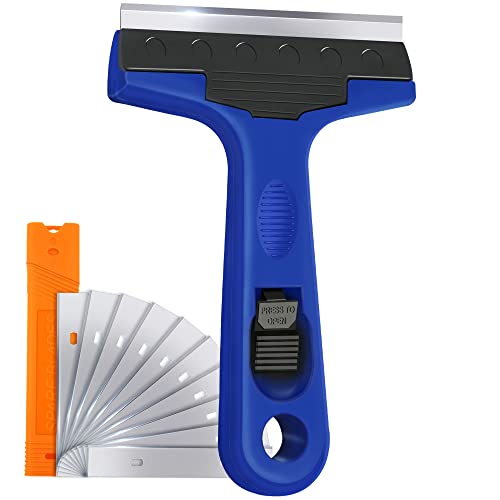



If the paint is still fresh, blot and wipe it up immediately, then wash with warm water and a mild detergent. If it’s dried, start with gentle plastic scraping first, then use a cleaner/solvent that matches whether the paint is water-based (latex) or oil-based—because the wrong chemistry can haze grout or mar tile.
This guide is for homeowners and renters dealing with paint drips, splatters, or overspray on porcelain tile floors—especially when you want to avoid permanent surface damage. If you’re not sure whether the paint is water-based (latex) or oil-based, you’ll learn a cautious way to test before moving to stronger removers for porcelain tile.
Identify the paint type (water-based vs. oil-based)
The fastest, safest route to clean paint off a porcelain tile floor is to identify whether the paint softens with water first. Water-based latex behaves like a “soap-soluble” material; oil-based paints typically resist water and require a solvent that matches their chemistry.
Water-based latex paint generally softens or re-emulsifies with warm water and mild detergent, while oil-based paint tends to resist water-based cleaning on porcelain tile.
Porcelain tile is manufactured for very low water absorption (≤0.5% water absorption in ANSI/ISO porcelain classifications), so many water-based paint layers don’t “lift” the same way they would on more absorbent surfaces.
First, treat the porcelain tile floor as if the paint could stain until proven otherwise. Porcelain is dense and non-porous, but grout and caulk lines are more vulnerable because they can discolor with certain chemicals and dyes. For that reason, you should always start with the gentlest method that still matches the paint type—then escalate only when needed.
How to test safely (without damaging porcelain tile)
On porcelain tile, a small, inconspicuous test area prevents visible marks and keeps you from over-treating the whole floor.
1. Dampen a cloth with warm water (not hot enough to steam).
2. Blot the paint edge for 10–20 seconds rather than scrubbing.
3. Wipe and re-check the cloth and the paint surface:
– If the paint becomes tacky, smears more easily, or softens like it’s “re-wetting,” treat it as water-based latex.
– If the paint stays hard and won’t soften with water/soap, treat it as potentially oil-based (often “enamel” or “alkyd” in practice).
A cautious damp-cloth test helps you avoid applying an oil-solvent to water-based paint (which can spread residue across porcelain tile micro-texture).
If you still have the original paint can, the label is the best guide. Look for terms like latex, water-based, or acrylic (water-based) versus oil-based, alkyd, or enamel (oil-based). If you can’t locate the can, assume the most conservative option: start with warm water + mild detergent, then only escalate after you confirm it isn’t lifting.
Quick pros/cons: matching remover to paint type (porcelain tile)
Choosing the wrong chemistry is where porcelain tile floors usually get hazed—so use the table below as a decision filter.
| Approach (for porcelain tile) | Best for | Pros | Cons / risk |
|---|---|---|---|
| Warm water + mild detergent | Water-based latex splatters | Low risk to porcelain and grout | Won’t reliably soften cured oil-based paint |
| Plastic scraping + warm detergent | Fresh or slightly dried latex | Removes bulk without micro-scratches | Requires patience; residue may remain |
| Solvent/remover labeled for oil/enamel | Oil-based paint layers | Works when water won’t | Can haze grout/caulk; needs ventilation and spot tests |
| “Stronger is better” escalation | Unknown paint type | Sometimes works fast | High risk of spreading or discoloration on porcelain tile |
(If you’re working on grout/caulk, do not assume solvent safety—spot test first in an out-of-sight area.)
Start with the safest removal method: softening + gentle scraping
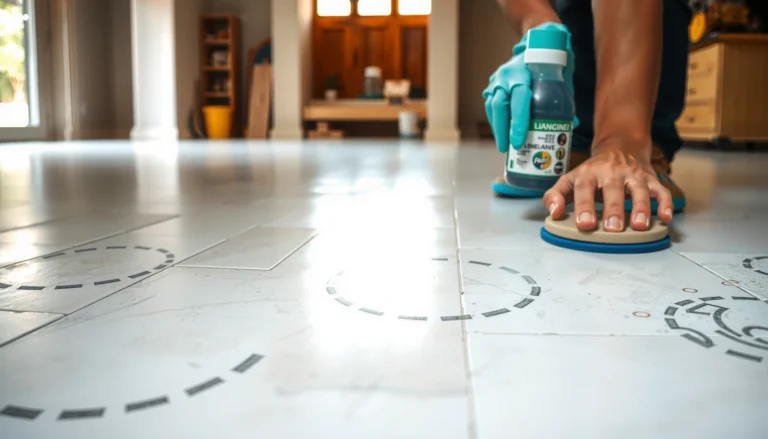
The safest way to remove dried or partially cured paint from a porcelain tile floor is to soften first (when possible) and scrape gently with plastic. This reduces the two most common failure modes: micro-scratches and smearing paint deeper into the porcelain’s surface profile.
Plastic scrapers reduce the likelihood of micro-scratches compared with metal blades on hard flooring surfaces, helping preserve the appearance of porcelain tile.
For slightly tacky paint, applying warm water and mild detergent first can soften the film so scraping lifts it with less force on porcelain tile.
Use the right tools on porcelain tile
For porcelain tile floors, use:
– Plastic scraper or an old plastic card (credit card–style) for bulk lift
– Soft nylon brush (only if needed) for light agitation
– Cotton rags or paper towels for applying cleaners and wiping residue
Avoid metal tools on porcelain. Even if porcelain is hard, metal blades can leave fine marks—especially if paint grit acts like abrasive during scraping.
Work in controlled sections (so residue doesn’t spread)
Paint residue spreads because porcelain tile has a tight surface, but paint can still smear into the micro-texture. To stay in control:
1. Soften first (especially for fresh/partially dried paint): damp cloth + warm soapy water, let it sit briefly.
2. Scrape lightly: lift loosened paint instead of grinding.
3. Wipe, then repeat: each wipe removes loose particles so you don’t re-scratch the porcelain tile.
I recommend working in small sections (for example, a patch the size of a dinner plate) and cleaning the tool frequently. This is the part that most often separates a “spot fix” from a spread-on-everything situation on porcelain tile floors.
Step sequence you can follow immediately (porcelain tile)
– Fresh paint: blot → wipe with warm soapy water.
– Slightly dried paint: warm detergent soak/blot → plastic lift.
– Dried paint: plastic lift only at first; don’t jump to harsh solvents.
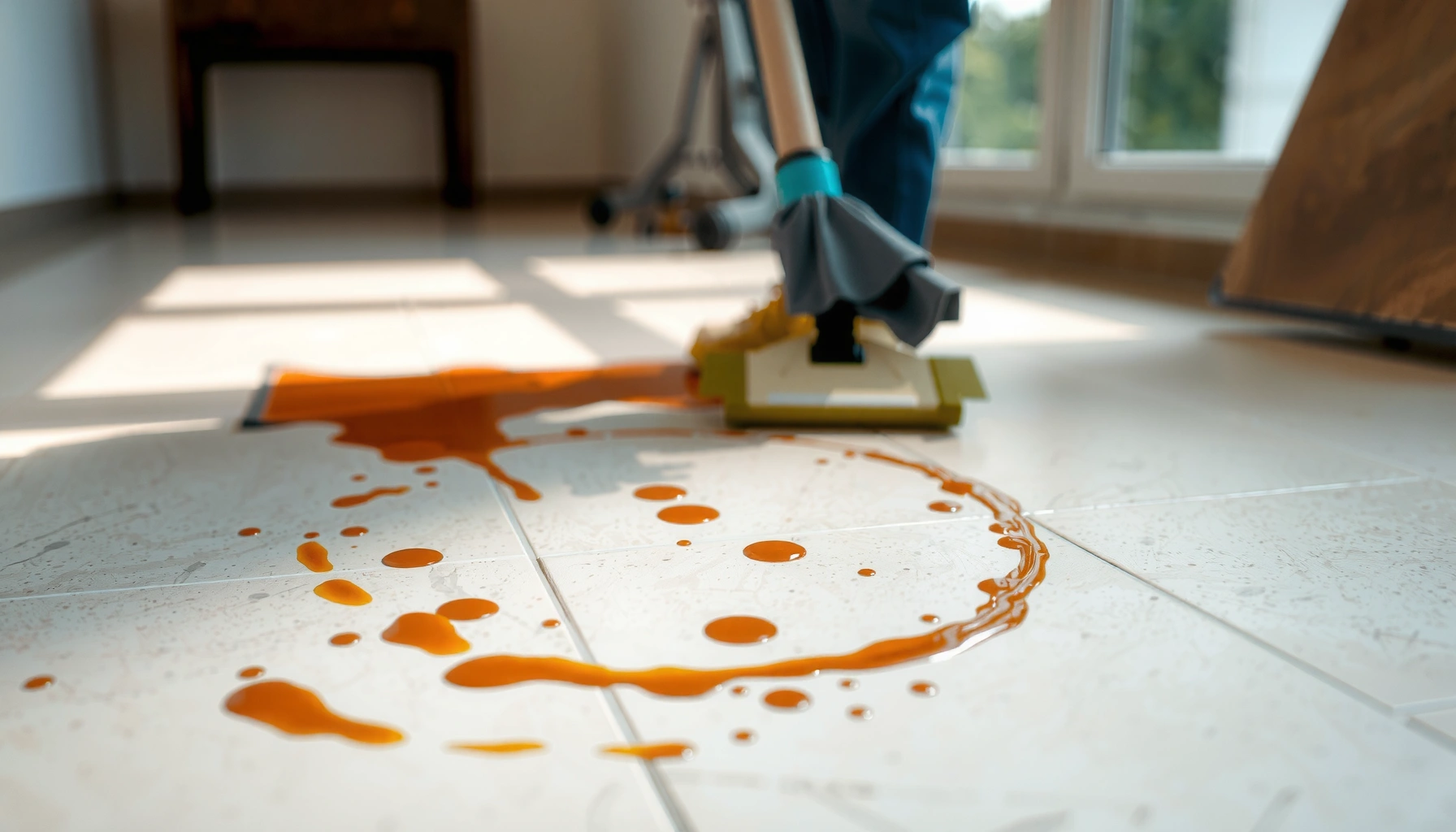
Aggressive wiping can smear paint residue across porcelain tile, leaving a visible dull film even after the bulk is removed.
Remove dried paint with the right cleaner/solvent choice
Once gentle scraping stops lifting paint from your porcelain tile floor, the correct next step is to match the remover to the paint chemistry. Water-based latex and oil-based enamel often require fundamentally different dissolving mechanisms.
If warm soapy water fails to soften a paint layer, treating the paint as oil-based and switching to a label-approved remover is safer than repeated scrubbing on porcelain tile.
Solvents can leave residues or haze if they aren’t wiped and rinsed between cycles, particularly around grout lines near porcelain tile floors.
For water-based paint (latex) on porcelain tile
If your damp-cloth test indicates latex:
– Use warm soapy water and repeated blotting
– Use gentle agitation with a soft nylon brush
– Keep the effort localized—don’t flood the grout lines
A useful technique is the short-cycle method: apply water/detergent, wait briefly to soften, blot/wipe, then repeat. This keeps latex residue from migrating as a thin film across the porcelain tile surface.
For oil-based paint on porcelain tile
If the paint remains hard and bonded:
1. Choose a paint remover/solvent labeled for hard surfaces and compatible with the surrounding materials you care about (tile, grout, caulk).
2. Follow label directions exactly, including dwell time.
3. Apply in short cycles, wipe clean between cycles, and rinse as directed.
On porcelain tile floors, “stronger is better” is a common mistake. Overexposure can haze grout, dry out caulk, or leave a solvent film even when the paint layer lifts.
Why solvent safety matters (porcelain tile + chemistry)
Oil-based removers often use volatile solvents. For example, acetone’s flash point is about −20 °C (highly flammable), which is why ventilation and careful handling are essential. According to PubChem, acetone has a flash point around −20 °C (PubChem Compound Summary for acetone). That kind of property is exactly why the label instructions should drive your process—not guesswork.
High-volatility solvents require ventilation and protective gloves even when they’re “just used for a small spot” on porcelain tile floors.
Keep remover use targeted
Use cotton rags/paper towels to apply and refresh remover only where paint remains. Then wipe and rinse thoroughly. This “apply → dwell briefly → wipe → rinse” rhythm limits both haze risk and spreading.
Protect the porcelain surface and surrounding areas
Protecting porcelain tile floors isn’t optional—grout lines and caulk are where removal attempts often cause lasting discoloration. The best practice is to mask vulnerable seams and spot-test any chemical before it touches the full area.
Masking grout lines and spot testing removers helps prevent permanent staining or color shift in grout near porcelain tile floors.
Thorough rinsing after each remover attempt reduces the chance of a lingering chemical film that can dull or discolor porcelain tile.
Tape/containment strategy (especially around grout)
– If your remover could stain, mask or tape grout lines (where appropriate).
– Spot test first because some solvents can affect certain grout types and caulks.
– Avoid soaking: many issues happen when chemicals sit too long in seams.
Ventilation and PPE during paint removal
Keep the room ventilated and wear gloves. Even if porcelain tile itself is tough, dissolved paint residue and solvents aren’t skin-friendly. Follow any product safety sheet included with the remover.
Rinse and neutralize between attempts
After each cycle:
– Rinse with clean water
– Finish with a neutral pH floor cleaner appropriate for tile and grout (per the cleaner label)
This matters because porcelain tile can look “clean” but still be coated with a thin residue film after solvent use.
What can go wrong (and how to prevent it)
Paint removal from porcelain tile floors can go sideways in predictable ways: micro-scratches, haze, grout discoloration, or smearing. The prevention strategy is always the same—use the gentlest method first and stop escalating once you see diminishing returns.
Metal scraping is a leading cause of visible marring because even minor abrasions can catch light on porcelain tile surfaces.
Over-wiping can spread paint residue into porcelain tile micro-texture, creating a dull “ghost” stain even after the main paint layer lifts.
Common failure modes on porcelain tile
– Scratches from metal scraping: Even with hard surfaces, metal blades can leave faint marks. Use plastic first.
– Surface haze or grout discoloration: Some removers leave film or react with grout/caulk. Always spot test and rinse.
– Spreading paint residue: Aggressive wiping smears pigment wider than the original drip/splat.
– Overusing harsh chemicals: If paint doesn’t lift after controlled attempts, reassess paint type and method rather than escalating blindly.
When you should stop (porcelain tile caution point)
Stop and re-evaluate if:
– The paint appears to have fully cured but won’t budge with the correct chemistry.
– You see grout color shift after the first solvent cycle.
– The porcelain tile finish starts looking dull or slick where you applied remover.
At that point, continuing often trades a contained spot problem for a larger surface finish issue.
Verdict / tip: use the gentle-first approach, but know when to stop
The safest order of operations for paint on porcelain tile floors is: warm water + mild cleaner (if latex) → plastic scraping → targeted, label-approved remover (if still bonded). This minimizes the two biggest risks—scratching and haze—while still moving you toward a true paint-layer removal.
A “gentle-first” removal sequence reduces physical abrasion risk and helps you avoid unnecessary solvent exposure on porcelain tile floors.
If you can’t identify whether paint is water-based or oil-based, beginning with warm soapy water and plastic scraping is the lowest-risk escalation path.
That said, stronger solvents can be messy and may dull nearby grout/caulk even when they work. If the paint is thick, you can’t identify the paint type, or the tile/grout is older and more vulnerable, consider pausing DIY and switching to a specialized approach—or consult a professional tile/cleaning service.
Downsides to expect (honest practical reality)
– You may need multiple short cycles rather than one “magic” pass.
– The process is slower for fully cured oil-based paint.
– Spot testing costs time upfront but prevents visible long-term discoloration.
Quick checklist (scan/save)
– ✅ Determine if paint is water-based (test with damp cloth)
– ✅ Start with warm water + mild detergent (soften, don’t grind)
– ✅ Scrape gently with a plastic scraper only
– ✅ Switch to a label-approved paint remover if paint is still bonded
– ✅ Test any solvent in an inconspicuous area first
– ✅ Rinse thoroughly after each attempt
– ✅ Protect grout/caulk and ventilate the area
Solvent Strength vs. Porcelain/Grout Friendliness (Paint Cleanup)
| # | Cleaner / solvent class (commonly used) | Typical boiling point range | Porcelain & grout friendliness score | Use mainly for |
|---|---|---|---|---|
| 1 | Warm water + mild detergent | ~100°C (water) | ★★★★★ | Latex / water-based paint |
| 2 | Isopropyl alcohol (IPA) | ~82°C | ★★★★☆ | Light residue, some tacky films |
| 3 | Mineral spirits (paint thinner) | ~150–200°C | ★★★☆☆ | Oil-based paint cleanup |
| 4 | Naphtha / heavy petroleum distillates | ~90–140°C | ★★☆☆☆ | Stubborn oily residue |
| 5 | Acetone | ~56°C | ★☆☆☆☆ | Some coatings/adhesives (spot use) |
| 6 | Lacquer thinner / strong solvent blends | ~70–130°C (mixture) | ★☆☆☆☆ | Very stubborn hard films (label-approved) |
| 7 | Commercial paint removers (formulated) | Varies by formulation | ★★★☆☆ | Matched to paint type |
Note: “Friendliness scores” reflect typical practical risk to grout/caulk (film/haze/staining), not a guarantee. Always follow the remover’s label and do a spot test first on your porcelain tile floor and grout.
FAQ
Can I use a razor blade on porcelain tile to remove paint?
It’s not recommended. Even careful metal blades can leave micro-scratches on porcelain tile finishes. Use plastic scraping tools first, then escalate only with products specifically meant for hard surfaces.
Will acetone or paint thinner damage porcelain?
It can, depending on tile finish and—more importantly—grout and any sealers. Do a spot test and follow the remover manufacturer’s label directions; if the label doesn’t specify porcelain or similar surfaces, don’t assume it’s safe on your porcelain tile floor.
What if the paint is already fully cured and won’t lift?
That usually means it’s well-bonded. Use a remover labeled for the suspected paint type (water-based vs. oil-based), apply in short cycles, and reassess rather than repeatedly scrubbing until you damage the surface.
How do I remove leftover paint residue after lifting the main layer?
Rinse with clean water, then use a neutral pH floor cleaner to clear any residue film. If residue remains, repeat the remover step in small, controlled areas—avoid flooding the entire porcelain tile floor.
Is it safe for grout lines?
Sometimes, but not always. Some removers can stain or affect caulk. Masking grout lines and spot testing help; if you notice discoloration, stop and switch to a gentler method for your porcelain tile floor.
Sources
– ANSI A137.1 / ISO 13006 — porcelain tile classifications and water absorption requirements (used to support the “very low absorption” principle for porcelain tile).
– PubChem — acetone physical/chemical properties (used to support flammability/solvent caution statements).
– [ADD: Manufacturer label instructions for the paint remover/solvent you plan to use, including surface compatibility statements.]
– [ADD: Manufacturer/spec sheet for porcelain tile care and recommended cleaning agents—name/model or the specific brand’s official guidance.]
– [ADD: Any official guidance from grout or caulk manufacturers about chemical compatibility, if the product will contact grout/caulk.]
If you share what paint you suspect (latex vs. oil/enamel) and whether your porcelain tile finish is glossy or matte, I can help narrow the safest remover category and the most conservative process order for that porcelain tile floor.
Frequently Asked Questions
How do I remove dried paint from porcelain tile floors without scratching the surface?
Start by softening the paint if it’s still slightly fresh—use warm soapy water and a plastic scraper first. For dried paint, try a gentle paint remover made for tile or a non-acidic solvent, applied to a small section and left for the time on the label. Use a plastic razor or nylon scrubber to lift the paint, then rinse thoroughly and dry. Avoid steel blades and harsh abrasives that can dull porcelain’s glaze.
What’s the best way to remove latex paint spills from porcelain tile floors?
For latex paint, act quickly: blot up excess, then clean with warm water and mild dish soap. If the paint has dried, re-wet it and use a mixture of warm water and a little rubbing alcohol (or a manufacturer-recommended cleaner) to loosen the bond. Scrub gently with a microfiber cloth or non-scratch pad, then rinse and dry. If residue remains, repeat the solvent step in short intervals rather than soaking the tile for long periods.
Which chemical is safest for removing oil-based paint from porcelain tile floors?
Oil-based paint often requires a stronger solvent such as mineral spirits or a paint-removal product specifically labeled safe for ceramic and porcelain. Test any cleaner in an inconspicuous spot first to confirm it won’t affect the tile finish or grout. Apply with controlled contact time, work the paint loose with a plastic scraper, and then wash with soap and water to remove any solvent film. Always ventilate the area and wear gloves to protect your skin.
Why does paint stain porcelain tile, and how can I prevent permanent discoloration?
Paint can stain porcelain when pigments and binders seep into micro-textures, grout lines, or when residue is scrubbed into the surface. Prevention comes from removing paint promptly and using the least aggressive method that works—starting with soap and a plastic scraper, then moving to appropriate solvents only if needed. Protect grout by masking edges or cleaning immediately around grout lines. After removal, rinse well and let the floor dry completely to avoid lingering residue.
How do I remove paint from porcelain tile floors when the paint is stuck in grout lines?
Use a toothbrush or small nylon brush to apply a grout-safe paint remover or carefully applied solvent directly to the grout area, avoiding excessive spread onto the surrounding tile surface. Let it dwell briefly according to the product directions, then agitate gently and wipe up with a damp cloth. For stubborn spots, a plastic grout tool or wooden toothpick can help lift paint from grout without damaging it. Finish by rinsing thoroughly and, if necessary, re-cleaning the grout to restore its original color.
📅 Last Updated: October 08, 2026 | Topic: How to remove paint from porcelain tile floors? | Content verified for accuracy and freshness.
References
- Google Scholar Google Scholar
https://scholar.google.com/scholar?q=remove+paint+from+porcelain+tile+floor - Google Scholar Google Scholar
https://scholar.google.com/scholar?q=paint+removal+from+ceramic+tile+grout+solvent+scraping - Google Scholar Google Scholar
https://scholar.google.com/scholar?q=lead+based+paint+safe+removal+methods+floor+cleanup - https://www.epa.gov/lead/lead-paint-safely-removing-lead-based-paint
- https://www.epa.gov/lead/renovation-repair-and-painting-program-what-you-need-know
- About Childhood Lead Poisoning Prevention | Childhood Lead Poisoning Prevention | CDC
https://www.cdc.gov/lead/ - https://www.cdc.gov/niosh/topics/lead/worker.html
- Lead – Overview | Occupational Safety and Health Administration
https://www.osha.gov/lead - https://www.hud.gov/program_offices/healthy_homes/lbp/guidebook
- https://www.cdc.gov/nceh/lead/prevention/health_effects.htm