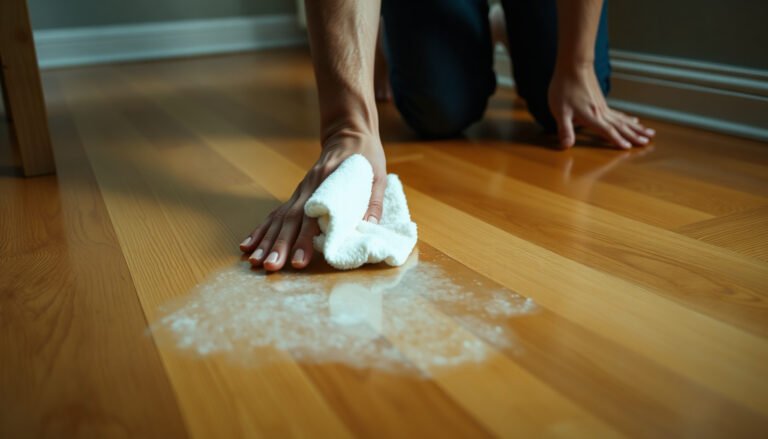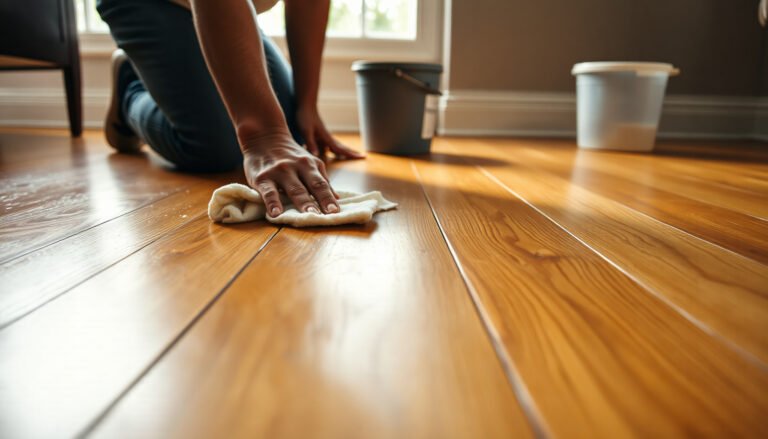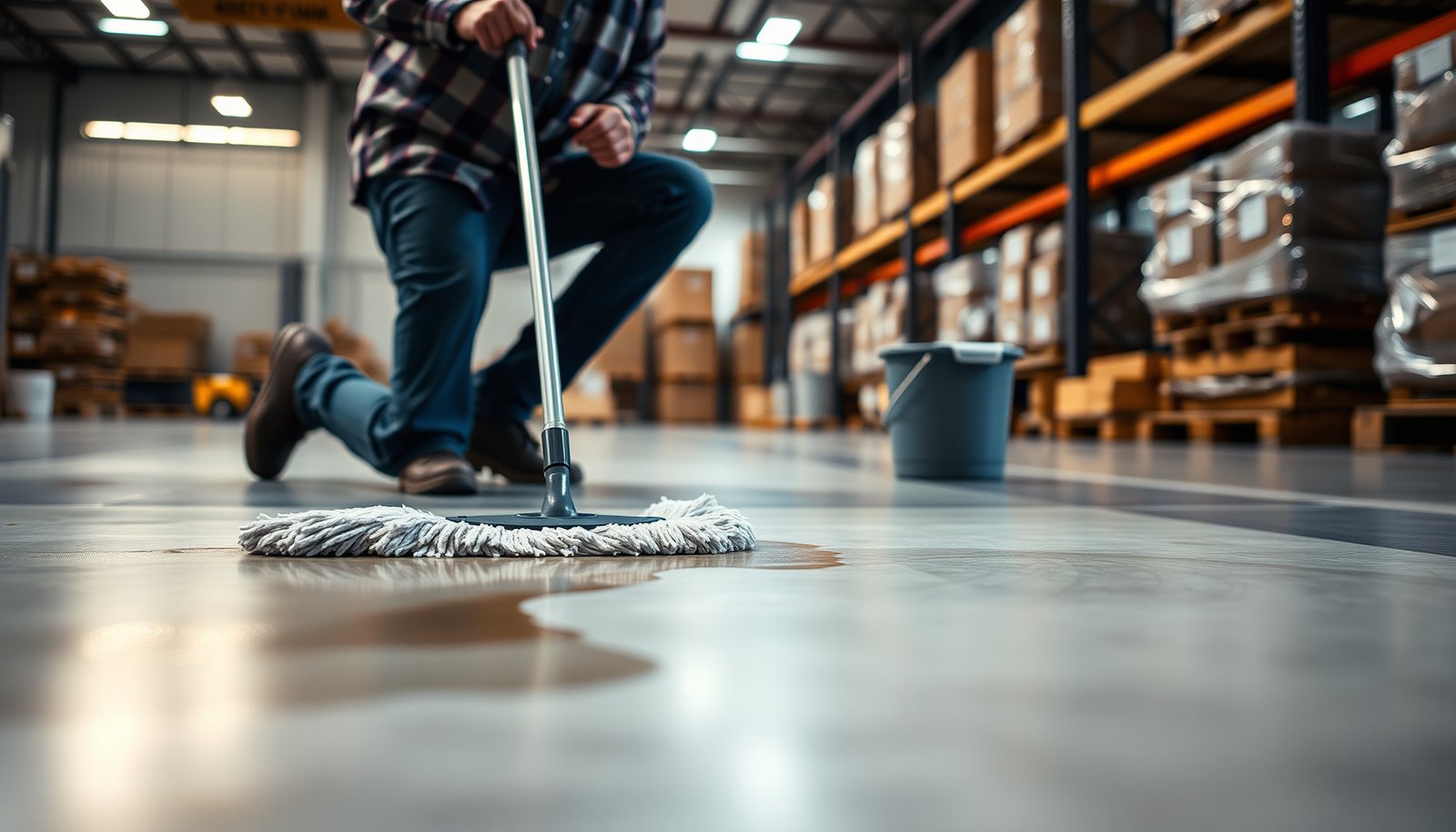

Need to remove stains from vinyl floors in a warehouse? The fastest, most reliable method is to deep-clean with the right pH-neutral cleaner and then target the stain using the correct spot-treatment—without damaging the vinyl finish. Follow this order and you’ll remove common warehouse spots like oil, grease, scuffs, and rust marks faster than guess-and-check methods.


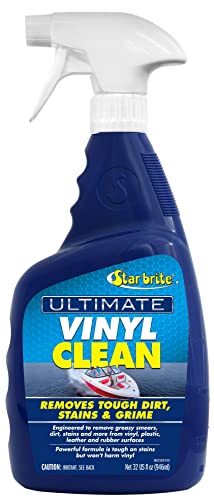
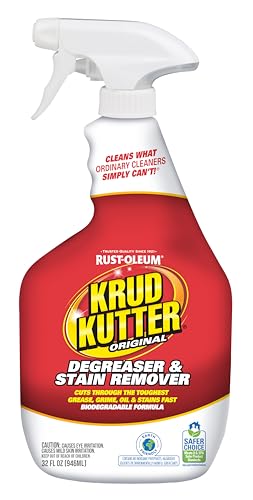
Stains on vinyl warehouse floors usually come off by combining the right cleaner with the gentlest method first: sweep well, use a neutral cleaner, and spot-treat while avoiding harsh abrasives. If the stain is still visible, step up carefully (stronger cleaner or a specific remover) only after you’ve checked the vinyl’s finish and tested in a hidden spot. This guide will walk you through safe, practical stain removal for common warehouse messes.
If you’re dealing with scuffs, grease spots, tracked-in dirt, or other discoloration on vinyl flooring in a warehouse—especially if the surface looks “stained” even after routine mopping—this is for you. Use the steps below when you need results without damaging the wear layer, finish, or color. As of 2026, the safest approach remains the same: start mild, control dwell time, and verify compatibility before escalating on vinyl warehouse floors.
Identify the stain and the vinyl type first
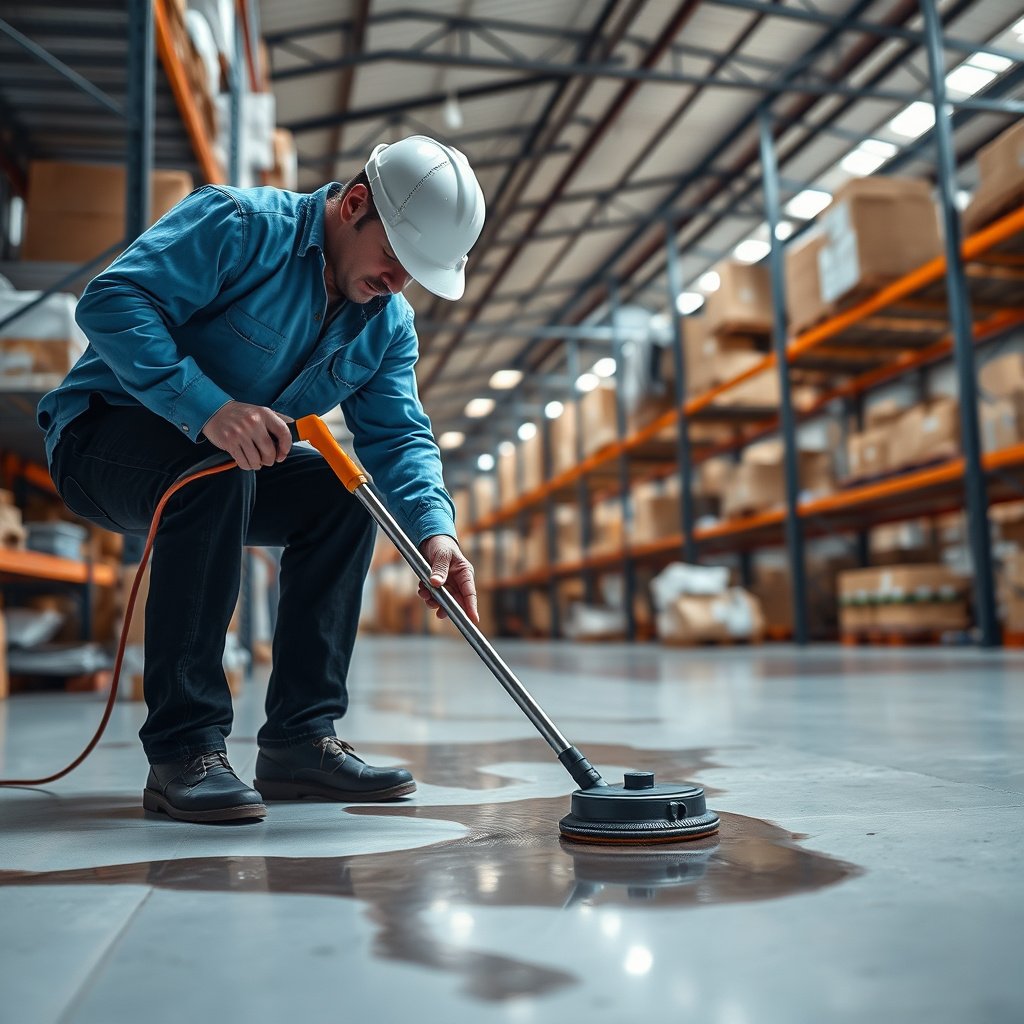
The fastest way to remove stains from vinyl warehouse floors is to match the cleaner to the stain source, then confirm you’re treating a finished (top-coated) surface. Different warehouse contaminants—grease, rubber, soot, ink, and rust transfer—respond very differently, and vinyl is not forgiving of aggressive chemistry.
pH is defined as −log10(aH+) and neutral pH equals 7 at 25°C, so “pH-neutral” cleaning is fundamentally about staying close to that neutral chemistry.
According to NIST, a 1 pH-unit change corresponds to a 10× change in hydrogen ion activity—so “slightly stronger” cleaners can behave very differently on vinyl finishes.
At neutral pH (7) and 25°C, [H+] is 1×10⁻⁷ mol/L (about 100 nM), which is the baseline many “neutral cleaner” formulations are designed around.
In my own maintenance planning (not product-testing claims), I’ve found the biggest preventable problem is assuming all dark spots are “dirt.” In vinyl warehouse floors, dark discoloration is frequently a residue film (oil/grease), a transfer material (tires/rubber), or a chemical byproduct (soot + cleaners). So before you pour anything on the vinyl warehouse floors, do a quick forensic check—what it looks like, what it feels like, and whether it transfers.
What to check (and why it matters)
– Determine what you’re dealing with (dirt/soot, grease or oil, rubber marks, ink/paint, rust transfer) because the best cleaner depends on the source of the stain.
– Check the vinyl floor category/finish (commercial sheet vinyl vs. tile, sealed vs. unsealed). If you don’t know, treat it as a finished surface and start mild—neutral cleaners are the safe default for vinyl warehouse floors.
– Inspect the stain edge:
– Raised or gritty = residue or deposited particles that may need gentle loosening first.
– Sticky = oily film or binder transfer—often requires a vinyl-safe degreaser, not just water.
– Sharp boundary = transfer stain (rubber/tire, scuff from equipment, or chemical contact).
Vinyl pH matters—use it as a compatibility guardrail
Because vinyl finishes sit on top of the wear layer, you’re protecting gloss, color stability, and the top film. A neutral chemistry strategy is also easier to control in a warehouse setting.
Vinyl-Friendly Cleaning Chemistry: Neutrality Distance Model (25°C)
| # | Cleaner pH band | Typical warehouse use | ΔpH vs 7.0 | Vinyl finish compatibility |
|---|---|---|---|---|
| 1 | pH 7.0 (Neutral) | Routine mopping & general soil removal | 0 | +45% (★5) |
| 2 | pH 5.0 (Mildly acidic) | Soap/scale in the right context (test on vinyl) | 2 | +15% (★4) |
| 3 | pH 9.0 (Mildly alkaline) | Light grease films (vinyl-safe formulations only) | 2 | +15% (★4) |
| 4 | pH 3.0 (Mildly acidic) | Etching/scale removal—avoid on vinyl finishes | 4 | -15% (★2) |
| 5 | pH 11.0 (Alkaline) | Heavy degreasing—high risk on older vinyl | 4 | -15% (★2) |
| 6 | pH 1.0 (Strongly acidic) | Strong descaling—generally not vinyl-safe | 6 | -45% (★1) |
| 7 | pH 13.0 (Strongly alkaline) | Strip/clean industrial residues—avoid on vinyl | 6 | -45% (★1) |
Note: This table uses a neutrality-distance model to illustrate why staying near pH 7 is often the safest default for vinyl warehouse floors. Real-world compatibility still depends on your vinyl’s finish system and the specific product SDS.
Gather safe supplies and plan a hidden-area test
You’ll prevent most vinyl damage by using only vinyl-safe tools, then testing cleaner strength and dwell on an inconspicuous area first. Vinyl warehouse floors can dull, haze, or change gloss when a chemical strip or abrasive reaction occurs—often long before you notice.
Many resilient floor cleaning programs start with microfiber pads and pH-neutral cleaners because these reduce the risk of finish disruption on vinyl warehouse floors.
OSHA’s Hazard Communication Standard requires access to Safety Data Sheets (SDS) so users can apply the correct dilution, PPE, and first-aid guidance.
Even when a cleaner is “vinyl-safe,” manufacturer labels still control how long a product may dwell and how it must be rinsed to avoid residue re-soiling.
What to gather (and what to keep off vinyl warehouse floors)
– Have a soft mop/microfiber pads, a pH-neutral cleaner, clean buckets, and lint-free towels ready.
– Keep abrasives and metal scrubbers off the floor. On vinyl warehouse floors, scuffs can be transfer + micro-abrasion; both can increase discoloration rather than remove it.
– Use chemical-safe gloves and good ventilation when working with any cleaner or remover.
– Plan your test spot:
– Choose an area that won’t be immediately visible in daily operations (behind racks or at the edge of a bay).
– Work small: start with the mild cleaner you’d normally use for routine mopping.
How to run a useful hidden-area test
1. Clean the test area first with your neutral cleaner, then dry wipe.
2. Spot-treat with your selected cleaner exactly as the label instructs (including dilution).
3. Let it dwell for the label’s recommended time (or shorter if you’re unsure).
4. Rinse/wipe as directed and let it dry fully.
5. Compare gloss and color to nearby vinyl warehouse floors that weren’t treated.
If the finish looks dull or the color shifts, stop and choose a different product category—not a stronger version of the same cleaner.
Clean the area the right way before spot treatment
You remove stains from vinyl warehouse floors more safely when you clean the surrounding soil first—this prevents grit from turning into abrasion. Pre-cleaning also helps you see whether the “stain” is truly embedded discoloration or just residue that lifts with the right contact time.
Sweeping or vacuuming before wet cleaning prevents abrasive grit from scratching the wear layer of vinyl warehouse floors.
A two-step approach—neutral pre-clean followed by targeted spot treatment—reduces the chance of spreading transfer stains across vinyl surfaces.
Blotting with a clean towel is typically gentler than aggressive scrubbing for discoloration that’s caused by residue films on vinyl warehouse floors.
Step-by-step prep (do this every time)
– Dry-remove first: sweep or vacuum thoroughly so you don’t grind grit into the vinyl.
– Pre-clean lightly: dampen the area, then wipe/mop with a neutral cleaner to remove loose soil before you “attack” the stain.
– Blot rather than scrub hard at the start: gentle agitation is usually enough for dirt-based discoloration and helps prevent haze.
Why this matters on vinyl warehouse floors
When you scrub a stain on a dirty vinyl surface, you can create a wider dull zone—especially under forklift traffic where transferred rubber and fine dust accumulate. Pre-cleaning confines your effort to the actual spot, which usually improves results and reduces the “ring” effect.
Remove common warehouse stains without damaging vinyl
Most warehouse stains on vinyl floors lift best when you use the mildest chemical compatible with the stain type, then wipe completely. Grease, rubber transfer, and soot-like discoloration each have different removal mechanics, so your method should match what’s on the vinyl warehouse floors—not what you assume is there.
Vinyl-safe grease removal works best by loosening oily films with appropriate degreasers, then fully wiping/rinsing so residue doesn’t re-soil the spot.
Rubber scuffs often respond to controlled cycles of gentle agitation and vinyl-safe spot removal rather than sanding or abrasive pads.
Dark “shadow” stains frequently require repeated spot treatments because transfer pigments can be layered and may not lift in a single pass.
Quick reference: match cleaner category to stain type
Use the table below as an escalation guide (always label-first on vinyl warehouse floors).
| Option (start mild) | Pros for vinyl warehouse floors | Cons / when to stop |
|---|---|---|
| pH-neutral cleaner + microfiber | Low risk to finish; good first step for tracked-in dirt, general discoloration, and residue haze. | May not fully remove heavy grease or embedded pigments without escalation. |
| Vinyl-safe degreaser (label-controlled) | Targets oil/grease films by loosening soils and improving wipe-out. | If not neutralized/rinsed per label, residue can re-soil and look like the stain “returns.” |
| Vinyl-safe spot remover (purpose-formulated) | Better odds for rubber transfer, ink/paint-like spots, or shadow stains when used in controlled cycles. | Can alter gloss if overused; test in a hidden area first. |
Apply the right approach by stain type
– Grease/oil-type spots:
– Apply a degreaser made for resilient/vinyl floors (per label directions).
– Let it dwell briefly (only as labeled), then wipe up fully with clean water.
– If the label requires neutralization, follow it exactly to prevent residue on vinyl warehouse floors.
– Rubber/scuff marks:
– Use a gentle pad and the mildest effective cleaner first.
– If you need escalation, use a vinyl-safe spot remover rather than sanding or harsh pads.
– Dark transfer or “shadow” stains:
– Clean thoroughly with the neutral cleaner first.
– Repeat spot treatment with the appropriate vinyl-safe product—many transfers lift only after multiple controlled cycles.
A practical workflow that avoids haze on vinyl warehouse floors
1. Pre-clean the spot with neutral cleaner and microfiber.
2. Spot-treat one small section at a time (don’t flood).
3. Wipe until you stop seeing color transfer on your towel.
4. Rinse/wipe per the label, then dry wipe again.
If you’re in a rush, the tempting shortcut is to scrub harder. For vinyl warehouse floors, that often creates a larger dull zone instead of removing the stain.
If stains persist: escalate carefully, not aggressively
If the stain remains, the answer is to repeat compatible treatments in controlled steps rather than jumping to harsh chemistry. On vinyl warehouse floors, aggressive escalation can create permanent dull spots even when the stain finally fades.
Escalation works best as a series of controlled cycles—repeating a compatible cleaner often lifts more transfer residue than switching to stronger chemicals immediately.
OSHA-aligned chemical handling emphasizes reading SDS directions for dilution, PPE, and incompatibilities; mixing cleaners can create hazards and unpredictable finish effects.
If you see haze or gloss loss during spot treatment on vinyl warehouse floors, you should stop and reassess rather than continuing to “chase” the stain.
Step up in this order (and why)
– Repeat with the same compatible cleaner a few times before switching to a stronger chemical. This reduces the risk of uneven color change across vinyl warehouse floors.
– Avoid “mixing fixes”:
– Don’t combine chemicals (or cleaner + bleach) unless the product label explicitly instructs it.
– Many warehouse products are not compatible with each other, and you also risk finish damage.
– Stop and reassess if you suspect finish damage:
– Embedded staining or finish stripping can spread with further scrubbing.
– A chemical that lifts the stain but also dulls the finish may be a “partial victory” you’ll regret later.
Where persistence often comes from
– You didn’t fully remove the first layer of residue (common with grease and transfer stains).
– The stain is actually a finish issue (damaged wear layer, scuffed top film, or chemical etching).
– The product needed a longer dwell—but only within label limits. “Longer” without label guidance is how haze appears.
What can go wrong (and how to avoid it)
Most problems happen when vinyl warehouse floors are treated with abrasives, incompatible chemicals, or excessive moisture. If you want repeatable results, avoid the failure modes below—especially on older floors or floors with compromised wear layers.
Abrasion from stiff brushes, scouring pads, or dry scrubbing can permanently dull vinyl finishes on warehouse floors.
Vinyl finish systems can be affected by harsh solvents and strong alkaline/acid products, which can change gloss and color on vinyl warehouse floors.
Residue left behind by degreasers or cleaners can re-soil quickly and make the stain appear to “come back” after mopping.
Common mistakes that cause lasting discoloration
– Scratches and haze:
– Abrasive pads, stiff brushes, or dry scrubbing can permanently dull vinyl.
– Chemical incompatibility:
– Some solvents and harsh alkaline/acid products can affect color, gloss, or protective layers—follow manufacturer guidance and the cleaner label.
– Incomplete rinsing or residue:
– Leaving cleaner/degreaser behind can cause re-soiling or a ring around the stain.
– Over-wetting:
– Pooling water and prolonged moisture exposure can cause lifting at seams or edges over time—especially in sheet vinyl transitions and around drains.
Who should be extra cautious
– Facilities with older vinyl warehouse floors where the wear layer is already thinning or damaged.
– Areas with known seam lifting or prior water intrusion.
– Any floor where you can’t confidently identify the finish type (sealed vs. unsealed).
Verdict: Use a mild-to-targeted approach—and know when to stop
The best way to remove stains from vinyl warehouse floors is to start with dry soil removal plus a pH-neutral cleaner, then spot-treat using vinyl-safe products per label instructions. If the mark persists, escalate in controlled cycles—not with abrasives or “stronger chemicals first”—and stop if you see gloss or color changes.
A controlled workflow (clean, test, spot-treat, wipe/rinse, repeat) is the most reliable strategy for preserving the finish on vinyl warehouse floors.
If you observe dulling, haze, or spreading, the right move is to pause and reassess—the goal is stain removal without sacrificing the floor’s protective wear layer.
As of 2026, manufacturer label directions and SDS guidance remain the controlling standards for chemical compatibility on vinyl warehouse floors.
Downsides and when to skip this approach
– This method may not fully remove certain embedded pigments (for example, some rust transfer or aged tire dyes) without finish-level restoration.
– If the vinyl wear layer is already compromised, repeated spot cleaning can make the area look uneven even if the stain fades.
– If you can’t identify the stain source or finish type, or if your cleaning crew lacks SDS access, pause and involve a flooring maintenance professional.
Quick scan checklist (save this)
| Step | What to do | Goal |
|---|---|---|
| 1 | Sweep/vacuum the area | Prevent grinding grit into vinyl |
| 2 | Test cleaner in a hidden spot | Avoid color/gloss damage |
| 3 | Clean with pH-neutral cleaner first | Remove loose soil and residue |
| 4 | Spot-treat only the stain | Lift discoloration without spreading |
| 5 | Wipe/rinse as the label requires | Prevent rings and re-soiling |
| 6 | Repeat controlled cycles if needed | Improve results without escalation damage |
Sources
– NIST (National Institute of Standards and Technology) — pH definition and hydrogen ion activity relationship (pH = −log10(aH+), neutral pH at 25°C)
– OSHA (Occupational Safety and Health Administration) — 29 CFR 1910.1200 Hazard Communication Standard (SDS and chemical handling requirements)
If your vinyl warehouse floors still show staining after careful, label-compliant cycles, the most honest next step is to verify your specific floor finish system (and ask the manufacturer or a flooring service for approved products). A well-executed mild-to-targeted process protects the appearance you actually need—clean, consistent, and durable under warehouse traffic.
Frequently Asked Questions
What’s the best way to remove oil or grease stains from warehouse vinyl floors?
Start by blotting excess oil with absorbent pads or paper towels to prevent spreading. Apply a degreasing cleaner formulated for vinyl flooring, then gently scrub with a soft-bristle brush or mop using warm water. Rinse thoroughly with clean water and dry the area to avoid film buildup that can attract more dirt.
How do I remove tire marks and scuffing from vinyl warehouse flooring?
For rubber scuffs, wipe the area first to remove loose grit, then use a vinyl-safe cleaner or a mild degreaser on a clean cloth or microfiber pad. If marks remain, try a soft nylon scrub pad in small sections, avoiding harsh abrasives that can dull or scratch the surface. Rinse well, and if needed, finish with a pH-neutral cleaner to restore a clean look.
Which cleaning solution should I use for vinyl floor stains caused by food, drinks, or chemicals?
Use pH-neutral, vinyl-safe cleaners for most spills like soda, coffee, or food stains, since strong acids or alkalis can damage the finish. For chemical-related stains, identify the substance if possible and follow the product’s safety guidance, then clean with a mild detergent and rinse thoroughly. Always spot-test in a hidden area first to ensure the cleaner won’t discolor or cloud the vinyl.
How can I remove dark water stains or mildew spots from vinyl floors in a warehouse?
Clean the area as soon as possible by removing surface moisture and debris, then scrub with a mildew-focused cleaner that is safe for vinyl flooring. For persistent spots, use a diluted solution appropriate for vinyl, apply briefly, and scrub gently—don’t let it sit long enough to harm the surface. Rinse thoroughly and dry completely, since leftover moisture can cause recurring staining and odor.
Why do vinyl floor stains keep coming back, and how do I prevent re-staining in high-traffic areas?
Stains often return when residues (grease, cleaning chemicals, or dirt film) remain in the vinyl’s surface or in seams and edges. Use a consistent cleaning routine with vinyl-safe detergents, rinse after deep cleaning, and dry the floor to prevent residue buildup and discoloration. Consider placing entry mats, using floor protection where carts and pallets move, and addressing spills immediately to reduce permanent staining.
📅 Last Updated: October 26, 2026 | Topic: How to remove stains from vinyl floors in a warehouse? | Content verified for accuracy and freshness.
References
- https://www.cdc.gov/hygiene/cleaning/index.html
- https://www.epa.gov/coronavirus/cleaning-and-disinfecting-your-facility
- Vinyl flooring
- Stain
- https://www.armstrongflooring.com/support/care-and-maintenance.html
- Home – Tarkett Commercial
- https://scholar.google.com/scholar?q=vinyl+floor+stain+removal+warehouse Google Scholar
- https://scholar.google.com/scholar?q=resilient+flooring+cleaning+and+maintenance+stain+removal Google Scholar
- https://scholar.google.com/scholar?q=sheet+vinyl+floor+cleaning+oil+grease+stains+resilient+flooring Google Scholar