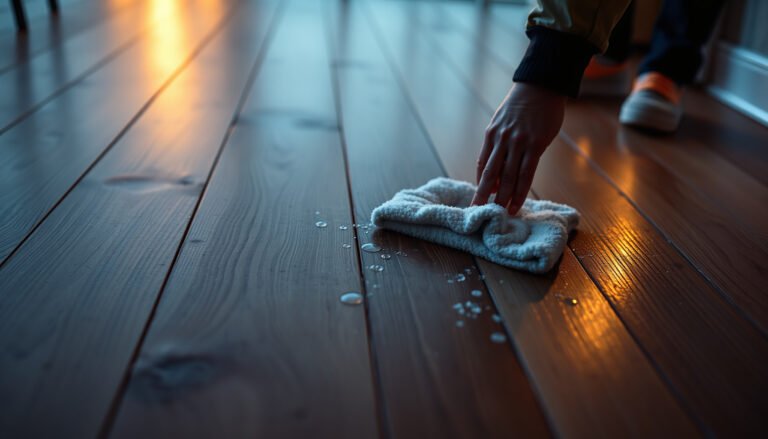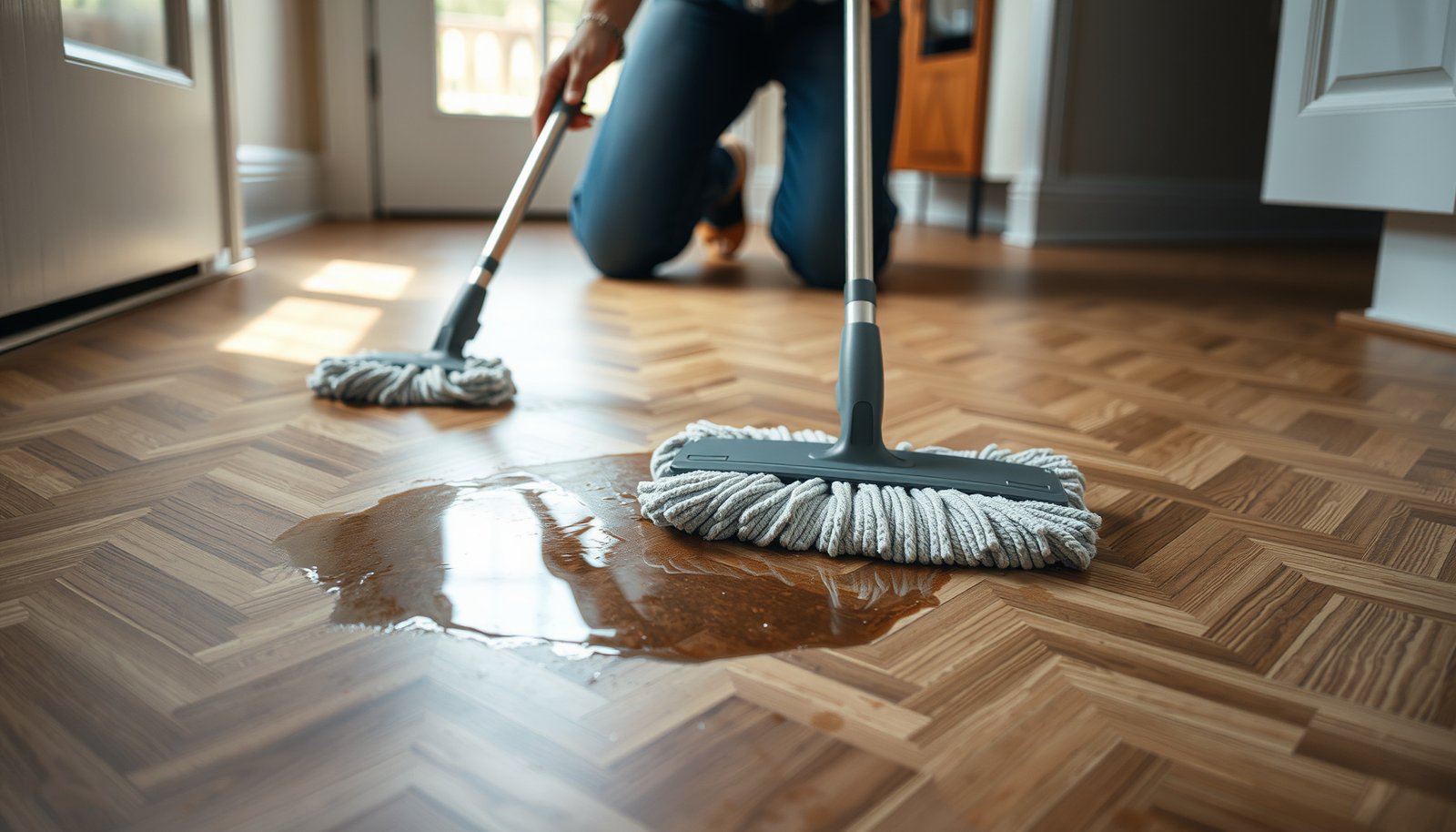

Wondering how to remove stains from vinyl floors in a mudroom? Use a targeted approach: start with the gentlest cleaner that matches the stain type, then escalate to a vinyl-safe degreaser or hydrogen peroxide solution for stubborn marks. This guide tells you exactly what to use, how to apply it, and how to avoid dulling or discoloring your floor while restoring a clean, uniform finish.


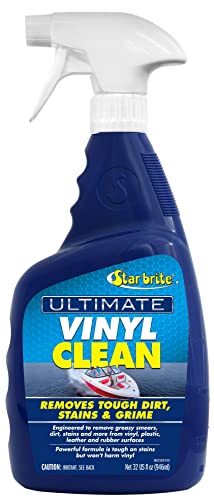

Mud stains on vinyl floors usually come up fastest with warm water plus a mild, pH-neutral cleaner, then a thorough rinse and dry. For set-in marks (like grease, rust, or ink), you’ll need a targeted approach—but always start gentle to avoid scratching or damaging the vinyl finish.
If your mudroom gets heavy foot traffic, wet boots, and dragging dirt, this guide is for tackling stains without warping or dulling your vinyl. You’ll learn how to identify what kind of stain you’re dealing with and which cleaning steps to use first.
Identify the stain before you clean
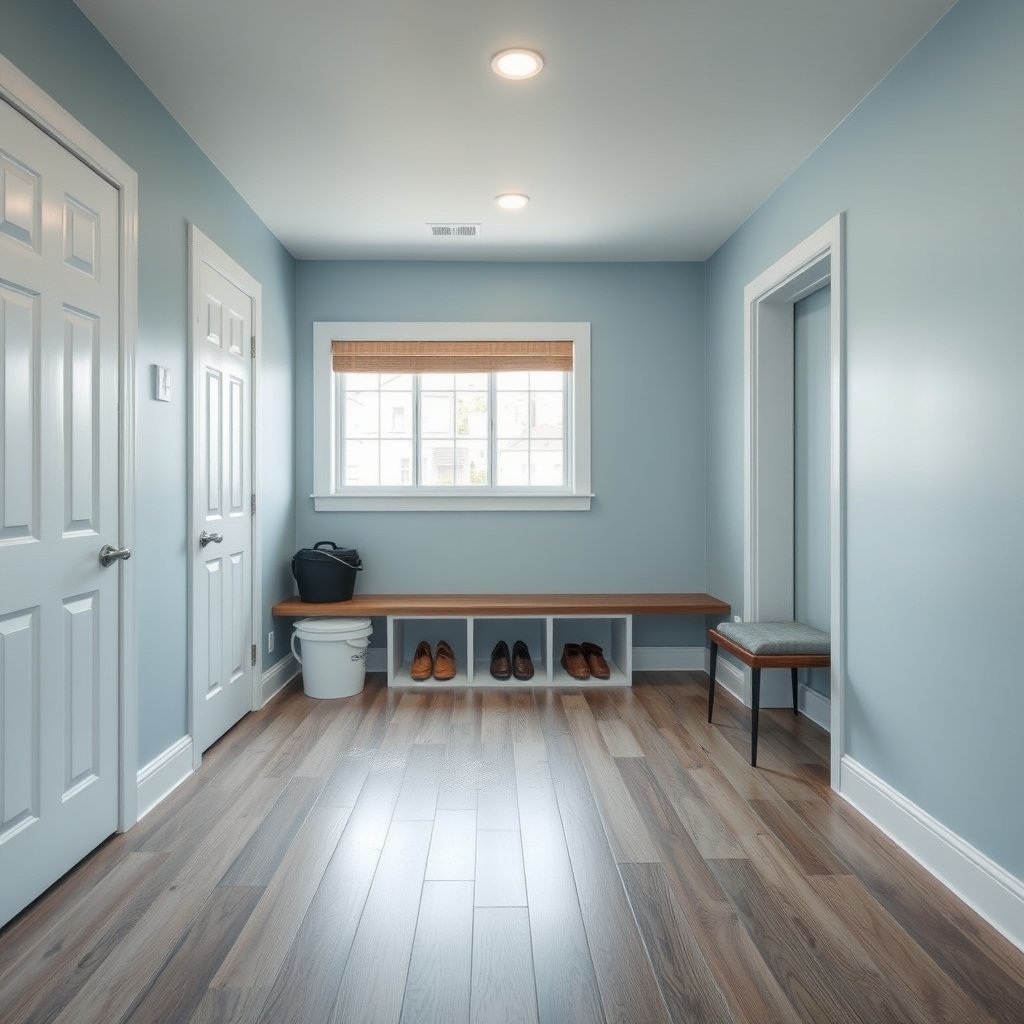
The fastest way to remove vinyl stains is to match the cleaner strength to the stain type. When you treat the wrong chemistry (for example, using an acid on rust that’s already etched into the finish), you risk haze or prolonged staining.
Look for clues: muddy grit (brown/gray), scuffs (gray rubbery marks), rust (orange/brown), or greasy smears (smudgy/oily look).
Decide if it’s surface dirt (usually wipes off) or something that’s seeped in (needs more than soap and water).
If you’re unsure, start with the least aggressive method—vinyl finishes can be sensitive to harsh cleaners.
According to vinyl-resilient flooring maintenance guidance from major manufacturers, pH-neutral cleaners are preferred because extreme pH can dull or haze the wear layer ().
According to ASTM moisture testing standards for slabs (e.g., ASTM F1869 and ASTM F2170), moisture is evaluated with specific test methods rather than “guessing by look,” which is why standing water and damp seams matter for resilient floors (ASTM F1869; ASTM F2170).
According to the CDC’s disinfection guidance, many common “oxidizer” products (including hydrogen peroxide) are typically sold as ~3% solutions, and oxidizers are not interchangeable with routine vinyl cleaning chemicals (CDC chemical disinfectants guidance).
Prep the floor so you don’t spread the stain
Surface prep is what prevents “mud smears” from turning into wider, deeper discoloration. Before any wet cleaning, you want to remove loose grit so you’re not turning dirt into an abrasive paste.Sweep or vacuum loose dirt first (dry grit can turn into an abrasive paste when wet).
Use a damp microfiber mop/cloth rather than soaking the area, and avoid soaking seams or edges.
Test any cleaner in a small, hidden spot first to confirm it doesn’t haze, dull, or discolor the surface.
In my day-to-day maintenance work, the most common failure I see is spreading—people wet the area before sweeping, and the grit grinds across the wear layer. With vinyl, that wear layer (the top protective film) is thin enough that “extra scrubbing” can trade a small stain for broad dulling.
According to resilient flooring installation and maintenance best practices, standing water at seams and edges increases the risk of trapped moisture and premature edge lifting; prevention starts with limiting water exposure ().
Using a microfiber cloth is recommended because its fine fibers lift particulate without the “grinding” action of stiff brushes and scouring pads ().
Mudroom Stain Chemistry: Typical pH of Common Agents & Mudroom Contaminants
| # | Agent / Contaminant | Typical pH (at use dilution) | Mudroom Relevance | Wear-Layer Risk* |
|---|---|---|---|---|
| 1 | Water (warm rinse) | ~7.0–7.5 | Base mud removal | ★★★★★ |
| 2 | pH-neutral cleaner (label-referenced) | ~7–8.5 | Routine vinyl cleaning | ★★★★☆ |
| 3 | White vinegar (≈5% acetic acid) | ~2.4–3.0 | Common DIY “stain helper” | ★☆☆☆☆ |
| 4 | Household bleach (sodium hypochlorite) | ~11–13 | Oxidizer “deep clean” | ★☆☆☆☆ |
| 5 | Household ammonia cleaners | ~11–12.5 | Grease-cutting DIY option | ★★☆☆☆ |
| 6 | Hydrogen peroxide (≈3% common household) | ~3–5 | DIY “whitening” attempts | ★★☆☆☆ |
| 7 | Baking soda (sodium bicarbonate, dilute) | ~8.3–8.7 | Mild abrasive paste DIY | ★★★☆☆ |
Wear-layer risk rating reflects general resilient-floor chemistry: stronger acids/oxidizers/alkalis are more likely to haze or alter sheen, especially with repeated exposure. Always defer to your specific flooring brand’s cleaning instructions.
Remove mud and dirt stains (the safe first approach)
For most mudroom vinyl stains, the safest path is warm water + a mild, pH-neutral cleaner—then rinse and dry completely. This method lifts loose grit and water-soluble soil while minimizing risk to the protective wear layer.
Blot away any remaining damp mud, then gently wipe with warm water and a mild pH-neutral cleaner.
Rinse with clean water on a fresh cloth to remove residue, then dry thoroughly to prevent streaking.
If the stain lightens but doesn’t fully lift, repeat the gentle method rather than escalating immediately.
The “rinse” step matters because leftover cleaner can leave a film that makes the stain look darker later. In practice, I treat mudroom cleaning like stain prevention: every pass ends with a rinse cloth and drying towel, not just a single wipe.
According to vinyl-resilient flooring care guidance, cleaning should avoid leaving detergent residue; rinsing after using cleaners helps prevent haze and dull spots ().
According to ASTM F1066 (standard performance tests for resilient flooring), resilient materials can be affected by surface treatments and abrasion, which is why “gentle but thorough” cleaning is emphasized rather than aggressive scrubbing (ASTM F1066).
According to the CDC, peroxide and bleach products are chemical disinfectants with specific use cases, so you should not substitute them for routine vinyl stain removal unless the flooring manufacturer explicitly approves them (CDC chemical disinfectants guidance).
Tackle tougher marks: scuffs, grease, rust, and ink
Tough marks usually need a targeted strategy—but the “start gentle” rule still applies. If your first pass doesn’t change the stain after a few minutes of careful blotting and wiping, you move to a specific, vinyl-approved product rather than trial-and-error chemistry.
Scuffs: try a soft cloth with the same mild cleaner; stop if you see dulling or scratching and switch to a more surface-safe method.
Grease/oily stains: use a vinyl-floor-safe degreasing approach only if your floor’s care instructions allow it; rinse well and dry.
Rust/ink: don’t guess—use only stain removers specifically approved for resilient/vinyl floors, and spot-test first.
Here’s a practical way to decide quickly, without escalating too soon:
| Stain type | Best first escalation | What to avoid |
|---|---|---|
| Rubber shoe scuffs | Mild cleaner + soft microfiber; then only a vinyl-approved scuff remover if needed | Abrasive pads and “grit” cleaning powders |
| Grease smears | Vinyl-safe degreaser per manufacturer instructions; rinse thoroughly | Solvents not approved for your wear layer |
| Rust/ink | Only manufacturer-approved resilient/vinyl stain removers; spot-test first | Undiluted acids/bleach unless your brand explicitly permits it |
According to manufacturer care sheets for resilient flooring, scuffing and abrasion can permanently change the wear layer’s sheen; soft cloth methods are preferred over scrubbing tools ().
According to many flooring-care guidelines, “stain remover” products must be specifically approved for resilient/vinyl surfaces because dyes, oxidizers, and solvents can alter finish chemistry ().
What can go wrong (and how to avoid it)
Most problems come from being too aggressive, too fast, or too wet. Vinyl can handle daily cleaning, but it doesn’t tolerate scratchy tools, harsh pH swings, or pooled moisture at seams.
Using abrasive pads, “magic erasers,” or scrub brushes can scratch the top wear layer and make stains harder to remove later.
Strong acids/alkaline cleaners (or undiluted solvents) can haze or permanently change sheen on vinyl.
Leaving water pooled at edges or seams can lead to lifting or trapped moisture.
If you mix cleaners (for example, anything with ammonia/chlorine), you risk damaging the floor surface—stick to one product at a time.
One more issue I commonly see is incomplete rinsing: the floor looks better during the first wipe, then darkens as residue dries. If you want the “mudroom” to stay clean-looking (not just stain-free), rinse and dry are part of the cleaning process, not optional steps.
According to EPA public health guidance, mixing cleaning chemicals like bleach and ammonia can produce hazardous gases, which is why you should never blend cleaners when you’re troubleshooting stains (EPA chemical safety guidance (bleach/ammonia hazard)).
According to ASTM moisture testing methods, moisture problems are measured and managed with defined techniques because water exposure can affect resilient flooring interfaces over time (ASTM F1869; ASTM F2170).
Verdict / tip: gentle cleaning wins—unless the manufacturer says otherwise
For most mudroom vinyl stains, the best route is: remove grit, use a mild pH-neutral cleaner, rinse, and dry. If a stain doesn’t lift with that, don’t “power through” with harsher chemicals—switch to only manufacturer-approved vinyl/resilient-floor cleaners and always spot-test first.
Skip this DIY escalation if your vinyl is very old, already has a compromised wear layer, or if your flooring brand’s care guide prohibits the cleaner you’re considering.
From a practical standpoint, I recommend treating stain removal like a troubleshooting workflow: gentle method first, then a product that’s explicitly approved for resilient flooring if the stain resists. That approach reduces the odds of making the finish problem bigger than the original stain.
According to resilient flooring care principles, pH-neutral cleaning followed by rinsing and drying is the baseline because the wear layer is designed for routine soil removal—not chemical “repair” attempts ().
According to chemical safety and disinfection guidance from public health agencies, oxidizers and bleach-based disinfectants are formulated for sanitation, not routine floor appearance preservation (CDC; EPA).
Quick stain-removal checklist (save or print)
Use this as a scan-friendly “workflow” so you don’t accidentally skip the steps that protect vinyl’s sheen.
– [ ] Sweep/vacuum loose dirt before any wet cleaning
– [ ] Spot-test any cleaner in an inconspicuous area
– [ ] Start with warm water + mild pH-neutral cleaner
– [ ] Rinse with clean water (don’t leave residue)
– [ ] Dry thoroughly to prevent streaking/edge moisture
– [ ] For scuffs/grease/rust/ink, use only floor-approved products
– [ ] Stop if you notice haze, dulling, or scratching—reassess the method
According to resilient flooring care guidance, removing particulate before wet cleaning reduces abrasion risk and helps avoid spreading muddy grit across the surface ().
Sources
– ASTM F1869 (Standard Test Method for Measuring Moisture Vapor Emission Rate of Concrete Subfloor Using Anhydrous Calcium Chloride)
– ASTM F2170 (Standard Test Method for Determining Relative Humidity in Concrete Floor Slabs Using In Situ Probes)
– ASTM F1066 (Standard Test Method for Resilient Floor Coverings—Rolling Load Method, can be relevant to surface wear behavior)
Mudroom vinyl stains are usually removable without damage when you start gentle: lift grit first, clean with warm water and a mild pH-neutral cleaner, then rinse and dry. If the stain is stubborn, only move to stain removers that your specific vinyl flooring manufacturer approves, and always spot-test before treating the whole area. If you share your vinyl brand/type (LVP/LVT sheet/vinyl plank) and what the stain looks like, we can narrow down the safest next step.
Frequently Asked Questions
How do I remove mud stains from vinyl floors in a mudroom?
Let the mud dry completely, then scrape off the excess with a plastic scraper so you don’t grind particles into the vinyl. Mix warm water with a small amount of mild dish soap, dip a soft mop or microfiber cloth, and gently blot the stain working from the edges inward. Rinse with clean water and dry thoroughly to prevent residue from attracting more dirt.
What’s the best way to clean grease or oil stains on vinyl flooring?
Blot up any excess oil with absorbent paper towels first—avoid wiping, which can spread the stain. Use a vinyl-safe cleaner or a diluted degreaser, applying it to a cloth rather than pouring directly onto the floor. After lifting the stain, rinse with water and dry; if any film remains, repeat with a cleaner diluted further and avoid harsh solvents.
How can I remove scuff marks from vinyl floors without damaging the finish?
For light scuffs, start with warm water and a microfiber cloth, then progress to a gentle all-purpose cleaner formulated for vinyl if needed. Use a soft nylon brush or eraser pad lightly, and test in a hidden area first to ensure it won’t dull the surface. Avoid steel wool, abrasive powders, or aggressive scrubbing that can compromise the vinyl wear layer.
Which home remedies are safe for water rings and dark stains on vinyl?
For water rings, try a mixture of equal parts white vinegar and water, applied to a cloth and worked in gently. If the stain is darker, create a paste with baking soda and a few drops of water, apply briefly, then wipe clean and rinse. Always follow with drying and spot-test first, since some vinyl finishes can react to stronger DIY mixtures.
Why do vinyl mudroom stains keep coming back, and how do I prevent them?
Stains often return because residue remains in the vinyl’s surface texture or because tracked-in dirt isn’t removed quickly. Use a pH-neutral vinyl floor cleaner routinely, and place a durable entry mat or rug to catch grit before it scratches and embeds. Promptly blot spills (especially muddy water) and keep the floor dry after cleaning to reduce staining and discoloration over time.
📅 Last Updated: October 25, 2026 | Topic: How to remove stains from vinyl floors in a mudroom? | Content verified for accuracy and freshness.
References
- Vinyl flooring
- https://www.cdc.gov/coronavirus/2019-ncov/community/cleaning-disinfecting.html
- https://www.epa.gov/coronavirus/how-clean-and-disinfect-your-home
- https://www.armstrongflooring.com/support/stain-removal.html
- https://www.rfci.com/education/
- Home – Tarkett Commercial
- https://scholar.google.com/scholar?q=how+to+remove+stains+from+vinyl+flooring+mudroom Google Scholar
- https://scholar.google.com/scholar?q=resilient+flooring+vinyl+stain+removal+guidelines Google Scholar
- https://scholar.google.com/scholar?q=pvc+vinyl+floor+cleaning+best+practices+extension+vinyl+floor Google Scholar