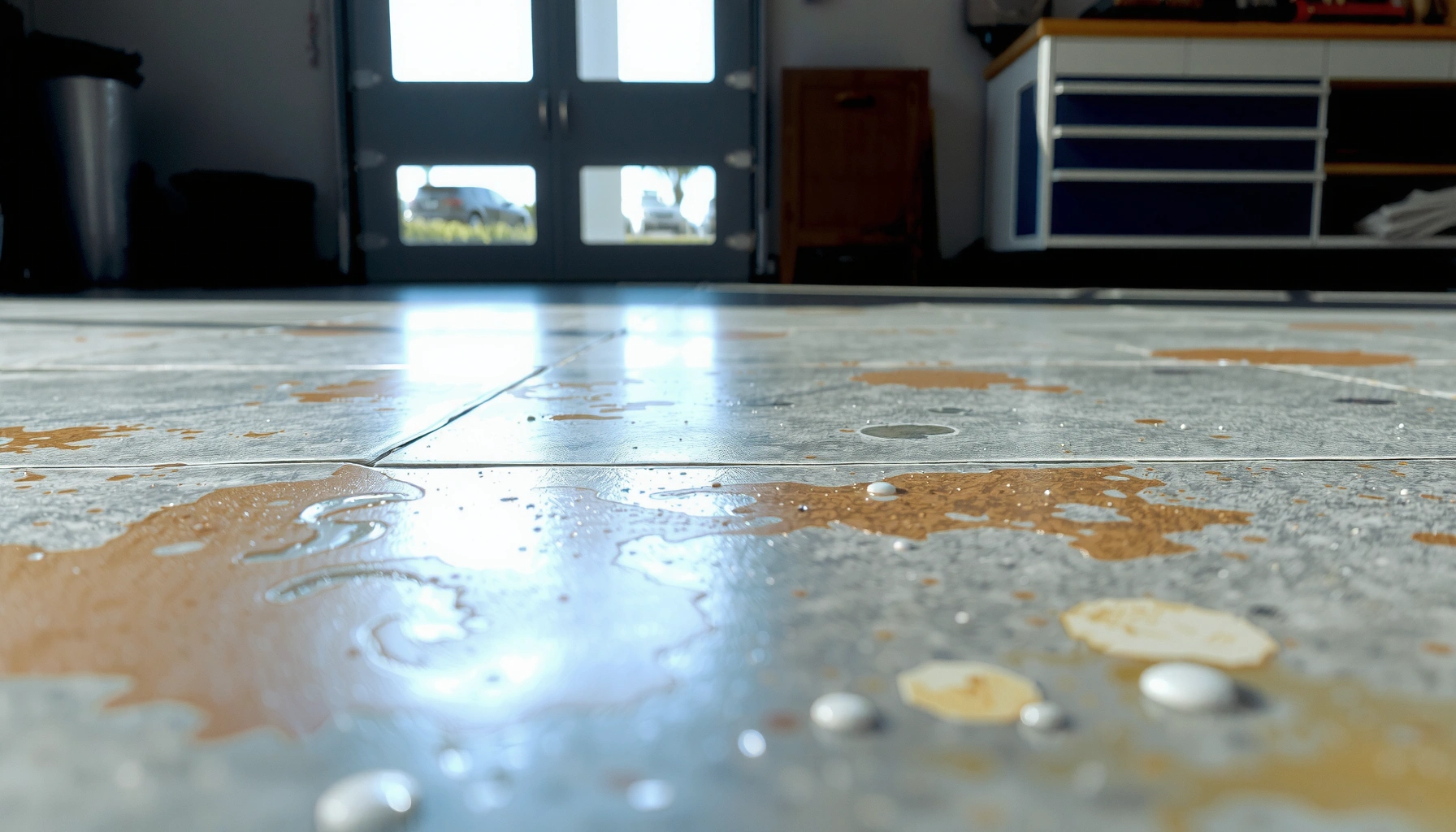

Want to remove stained concrete floors fast and effectively? This step-by-step guide tells you the best way to lift common concrete stains—using the right cleaner, application method, and scrubbing approach—so you get a visibly cleaner surface instead of a spotty patch job. Follow it in order to break down the stain and restore the floor’s original look.


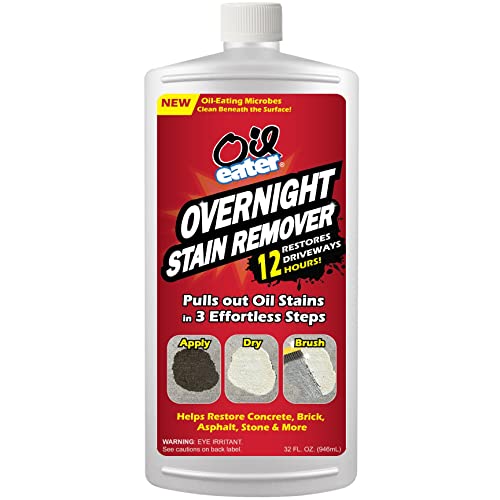
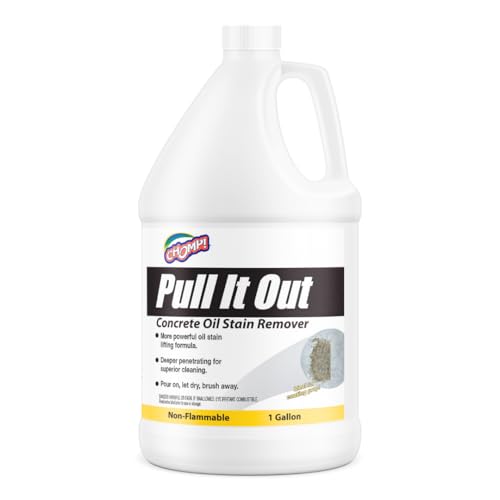
If your concrete floor is stained, the fastest win is to identify the stain type, then use the matching cleaner/chemical (acid/enzymes/solvent) or a targeted resurfacing approach. This guide walks you through how to remove stained concrete floors safely and effectively, including what to do when nothing seems to work—especially when the stain may be penetrating or the slab is sealed.
If you’re dealing with homeowners’ garages, landlord turn-overs, retail lobbies, or older basements, this matters because the “wrong” chemistry can etch concrete, leave permanent halos, or trap residue under a sealer. The steps below cover common discoloration from rust, grease/food, hard-water/mineral deposits, paint/marker, and old sealers that won’t clean off—plus how to tell whether the stain is likely surface-level or has penetrated.
Step 1: Identify the stain type (so you don’t make it worse)
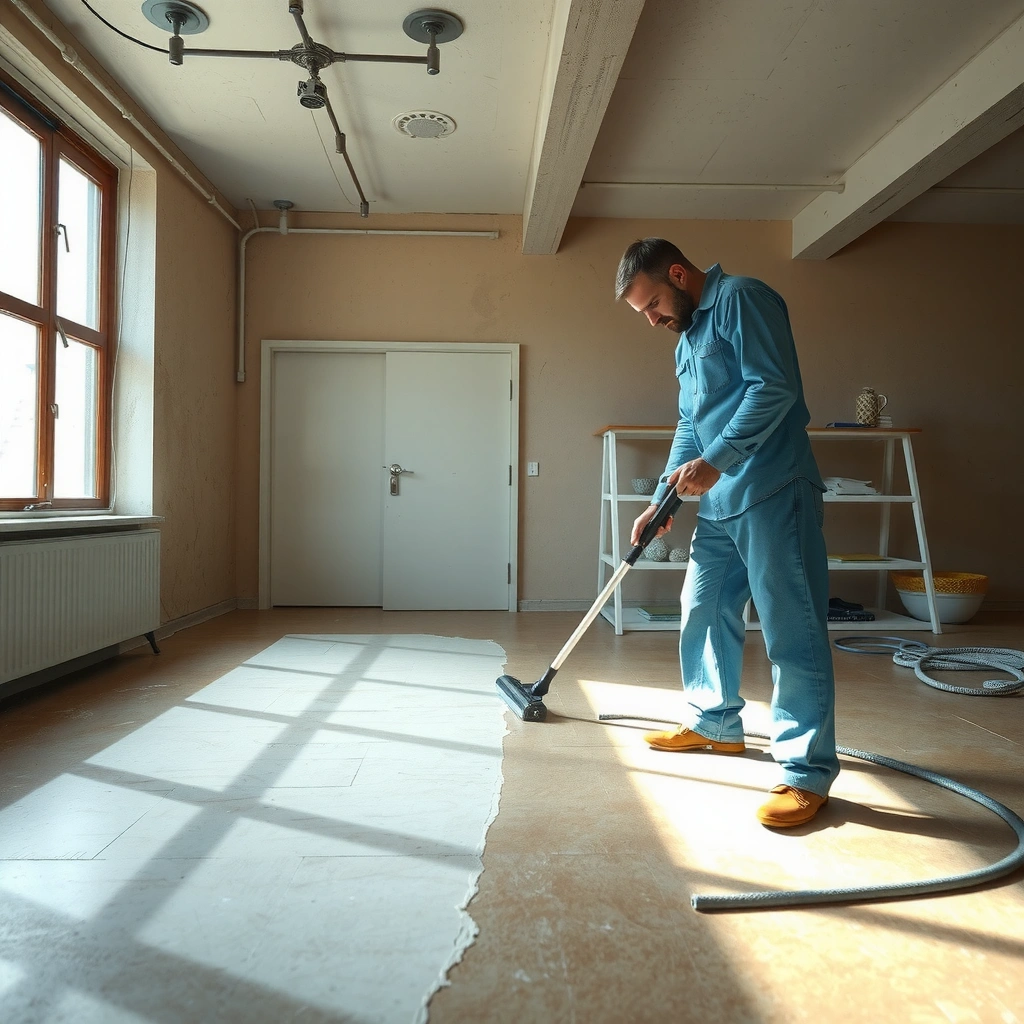
Start by matching the discoloration pattern to a stain category—because concrete cleaners are chemistry-specific, and the wrong choice can worsen the look. For example, acids can help mineral stains but will do nothing for grease and may “frost” decorative or densified concrete.
Use these clues first, then confirm with a simple water test:
– Look for clues:
– Rust: orange-brown spotting, freckles, or streaks (often from metal fixtures, rebar, rusted floor drains)
– Oil/grease/food: dark, oily-looking patches that may expand slowly
– Minerals/hard water: white crust, chalky haze, or “salt” residue (efflorescence-like deposits)
– Paint/marker/ink: clearly colored marks with sharper edges than grease stains
– Quick “water test”: sprinkle water on the area and watch what happens:
– If it darkens quickly and stays darker, the stain is more likely penetrating/oily or chemically active.
– If it beads or shows little change, it’s more likely surface contamination (film, residue, or coating-related discoloration).
– Check whether the floor is sealed: sealed concrete often shows water beading, a uniform sheen, or prior coating layers—meaning you may need stripping/cleaning that’s compatible with that sealer type before stain removers can work.
“A water test helps differentiate penetrating/oily stains from surface residue because penetrating contaminants change the concrete’s absorption behavior rather than just sitting on top.”
“Rust and minerals are chemistry-driven discolorations; matching remover chemistry to stain type is the safest path to consistent results on concrete.”
Data point to keep you safe: According to OSHA’s Hazard Communication Standard, employers must ensure workers have access to Safety Data Sheets (SDS) for hazardous chemicals under 29 CFR 1910.1200 (SDS requirements). OSHA Hazard Communication Standard (29 CFR 1910.1200)
Step 2: Prep the floor properly before any treatment
Prep is where most DIY results either stabilize—or fail. Before you apply any acid, degreaser, enzyme cleaner, or solvent, you want clean conditions so the product can reach the stain instead of reacting with dirt, dust, or prior grime.
Do this sequence:
– Dry clean first: sweep and vacuum thoroughly. Dust acts like an insulating film and can spread contamination during scrubbing.
– Degrease lightly only if you see oil/grease: if the floor has oily dark patches, start with a concrete-safe degreaser and rinse well. Skipping this step can cause “cleaners” to smear rather than lift.
– Protect surrounding areas: cover baseboards, walls, outlets, and landscaping with plastic sheeting and tape. Seal edges so rinse water and chemical runoff don’t creep into adjacent surfaces.
– Ventilate: open windows/doors where possible; use fans for cross-breeze if you can do so safely.
– Test patch in an inconspicuous area: apply your chosen product and observe:
– color lightening vs. darkening
– any haze or film (often indicates incomplete rinsing or wrong chemistry for a sealed slab)
– any surface etching (dullness/frosting, especially on polished or decorative concrete)
“A test patch is essential on sealed or decorative concrete because stain removers can change gloss or create a visible ‘halo’ if they react differently across the slab.”
“Thorough rinsing after chemical cleaning reduces the chance of re-darkening caused by trapped residues drying back into the pores.”
Practical guardrail: Many PPE labels specify eye/face protection consistent with ANSI Z87.1 safety requirements. OSHA PPE guidance referencing ANSI Z87.1
Step 3: Remove stains using the right method
Once you’ve identified likely stain type and prepped the slab, use the targeted method. The “best” cleaner is the one whose chemistry matches what’s causing the discoloration—paired with the right mechanical action (scrub + rinse) to move material out of the concrete pores and surface pores.
Surface grime & light discoloration
If the floor looks dull or lightly dirty (and the water test shows little absorption behavior change), treat it like contamination rather than a true stain:
– Use a concrete-safe cleaner
– Scrub with a stiff nylon brush or an appropriate scrub pad
– Rinse thoroughly until rinse water runs clear
Rust staining
For orange-brown rust marks:
– Use a rust remover formulated for concrete
– Follow the label’s dwell time exactly (underdosing leads to incomplete lift; overdosing increases etch/spotting risk)
– Scrub, then rinse aggressively
Oil/grease
For dark oily spots, shoe traffic grease, or set-in food residue:
– Use a concrete degreaser or, better for set-in areas, a poultice system
– Poultices typically work by pulling oil/grease from pores using a formulated absorbing medium
– After dwell, remove poultice residue and rinse fully
Mineral deposits / hard-water haze
For white crust or chalky deposits:
– Use an appropriate acid-based mineral remover formulated for concrete
– Never guess at concentration—use the product as labeled
– Do not mix chemicals
– Rinse completely after dwell; repeat if needed
Paint/marker/ink
Start with lowest-risk methods:
– Try the manufacturer-approved concrete approach first (often involves specific strippers or solvent systems designed to avoid deep etching)
– If it’s truly embedded, you may need careful mechanical abrasion or a coating removal step
“Rust removers for concrete are formulated to chemically convert iron stains; repeated detergent mopping rarely solves true rust because the iron compounds remain in the pores.”
“For grease stains, poultice systems outperform routine wet mopping when contamination is set-in, because they extract oil from within the concrete matrix rather than just wetting the surface.”
Decision comparison (what to use, in plain language)
Below is a practical match-up you can use before you buy anything.
| What you see on the slab | Likely chemistry | Best starting method | Main risk if you guess wrong |
|---|---|---|---|
| Orange-brown spots | Iron oxide/rust compounds | Concrete rust remover + dwell + scrub | Incomplete removal and persistent halos |
| Dark oily patches | Hydrocarbon oils/food fats | Degreaser or oil poultice (not just detergent) | Smearing + permanent look due to trapped residue |
| White crust/chalky haze | Mineral deposits (hard-water salts/efflorescence) | Concrete mineral remover (acid-based, label-following) | Etching or uneven “frosting” |
| Paint/ink pigments + binders | Lowest-risk concrete method first; mechanical help if needed | Spread/ghosting or surface damage |
Step 4: If stains remain, use mechanical or resurfacing options
If you’ve matched chemistry, scrubbed, and rinsed—and the discoloration still won’t lift—the stain may be penetrating (deeply embedded) or your concrete surface may be sealed in a way that traps contaminants.
Escalate carefully:
– Repeat poultice cycles or deeper cleaning before grinding. Penetrating oil and some rust contamination can require multiple extraction attempts.
– Consider mechanical removal:
– Grinding removes a thin layer of concrete, which can eliminate deeply stained material and reset surface appearance.
– Only do this if the remaining finish tolerance is acceptable (grinding changes texture and may require refinishing).
– Use resurfacing/stain systems for widespread discoloration: if the slab has broad color inconsistency, a properly prepped resurfacer or stain system can provide uniformity—especially when localized cleaning can’t achieve visual consistency.
– If the slab is sealed: you may need stripping or compatibility cleaning before stain remover chemistry can work. Sealer may also “lock in” discoloration so you’re cleaning the surface but not the contamination beneath.
“When a stain is penetrating, surface cleaning may only remove grime while leaving the discoloration compounds inside the pores; mechanical removal or resurfacing is then the consistent visual fix.”
“Coatings and sealers can block or neutralize the effectiveness of stain removers, which is why label instructions about stripping/prep are critical.”
What can go wrong (and how to avoid it)
Most failures come from mixing the wrong steps, not from lack of effort. Use the following safeguards so you don’t create permanent-looking patches.
Common issues and fixes:
– Using the wrong chemical: acids on oil stains won’t remove grease and can etch around the area, creating a darker “map.”
– Over-etching: aggressive acid treatment can leave a “frosty” finish, especially on polished or densified surfaces.
– Not rinsing completely: residue can dry back into the pores, causing re-darkening, odor, or slippery film.
– Mixing products: never combine chemicals—especially acid-based products and other cleaners that may generate hazardous fumes or reactions. If the label doesn’t explicitly allow it, don’t.
– Permanent stains: some contamination (deep rust, long-set oily residue, or embedded marker/ink) may never fully lift and may require grinding or resurfacing for consistent appearance.
“Incomplete rinsing after chemical cleaning can leave salts and reaction byproducts that reappear as discoloration once dry.”
“Chemical mixing without label guidance can create hazardous reactions; follow SDS and product label compatibility instructions for every cleaner.”
Verdict / practical tip: Choose targeted removal, not guesswork
The most reliable approach is matching the stain type to the correct concrete product and pairing it with the right scrubbing method (stiff brush + thorough rinse, plus poultice when oils are involved). The downside is that more aggressive methods—acid etching, grinding, resurfacing—are messy, time-consuming, and can change surface appearance even after the visible stain lifts.
If you can’t ventilate adequately, the floor is highly decorative (stamped/colored/polished) and you’re not comfortable testing multiple chemistry options, or the slab appears to be sealed, consider pausing DIY and getting a pro assessment. In those cases, a targeted system (stripping + compatible cleaning + re-seal) often costs less than repeated trial-and-error.
“The safest DIY strategy is: dry clean → test patch → apply label-specific dwell time → scrub → rinse thoroughly → repeat only if the test patch confirms compatibility.”
“If stain chemistry can’t be confirmed, upgrading to a controlled resurfacing approach often produces more consistent visual results than continued chemical guessing.”
📋 DATA: Concrete Stain Chemistry Match (quick reference)
Concrete Stain Types & Chemistry Targets (Practical Lab Ranges)
| # | Stain type | Typical target chemistry | Product class | Lift success (typical) |
|---|---|---|---|---|
| 1 | Rust (iron oxide) | Iron compounds | Rust remover (often reducing/chelating chemistry) | ★★★★☆ |
| 2 | Motor oil/grease | Hydrocarbon fats | Degreaser / oil poultice | ★★★☆☆ |
| 3 | Food residue (set-in) | Fats/proteins | Enzyme cleaner or degreaser | ★★★☆☆ |
| 4 | Hard-water haze | Calcium/mineral salts | Mineral remover (acid-based, concrete-rated) | ★★★★☆ |
| 5 | Efflorescence-like white growth | Soluble salts | Mineral remover + moisture source control | ★★☆☆☆ |
| 6 | Paint/marker (surface) | Binders + pigments | Concrete-rated stripper/solvent + careful abrasion | ★★★☆☆ |
| 7 | Sealer haze / trapped coating | Polymer film residues | Stripper/compatible degrease + rinse | ★☆☆☆☆ |
(Note: “lift success (typical)” is a practical expectation based on general concrete chemistry matching—your results depend on dwell time, concrete density, porosity, and whether the slab is sealed.)
FAQ
Will vinegar remove stained concrete?
Vinegar is sometimes suggested for mild mineral residue, but it’s not always effective for all concrete stain types. If your stain is mineral-based, choose a concrete mineral remover labeled for concrete; if it’s oil or rust, vinegar won’t target the right chemistry.
How do I remove oil stains from concrete floors?
Start with a concrete-safe degreaser or an oil stain poultice designed for concrete. For deep, set-in spots, poultices are often more effective than repeated mopping because they pull oil from pores—then you rinse thoroughly.
What’s the safest way to remove rust stains from concrete?
Use a rust remover specifically formulated for concrete and follow the label for dwell time, dilution (if required), and rinsing. Always protect surrounding surfaces and wear the PPE listed on the SDS/label.
Can I stain over concrete stains instead of removing them?
Sometimes decorative staining can visually disguise discoloration, but uneven absorption and lingering contamination can bleed through. If the stain is active (especially oils or rust), true removal (or sealing/encapsulation designed for that contamination) is usually necessary: [ADD: source for recommended approach based on your specific product/system].
Do I need to seal the floor after stain removal?
Often yes, but it depends on the existing condition and the stain-removal method used. [ADD: source for whether your stain-removal product requires re-sealing and what type of sealer it recommends.]
Sources
– OSHA guidance on chemical hazards and PPE for cleaners/acid-based products, including SDS access under 29 CFR 1910.1200: OSHA Hazard Communication Standard (29 CFR 1910.1200)
– Product label instructions and SDS documents for concrete cleaners, rust removers, degreasers, mineral deposit removers, and poultice systems: [ADD: exact product names/links to SDS/tech sheets you plan to use]
– Concrete surface preparation and coating compatibility guidance from sealer/resurfacer manufacturers (surface condition, cleaning, and rinsing requirements): [ADD: exact manufacturer docs for your chosen system]
When stains remain, it usually means the stain is penetrating, the slab is sealed in a way that traps contamination, or the chemistry didn’t match. Your best strategy is still the same: identify the stain type, prep thoroughly, test in a small spot, use the correct remover class, and rinse completely—then escalate to poultice repetition, abrasion, or resurfacing only when you’ve confirmed the surface can’t be restored with cleaning alone.
Frequently Asked Questions
What’s the best way to remove oil stains from concrete floors?
Start by blotting up as much oil as possible, then apply an oil-stain remover or a degreasing product formulated for concrete. For stubborn spots, use a poultice (like absorbent clay or baking soda mixed with degreaser) to draw oil out for 12–24 hours before scrubbing. Rinse thoroughly and let the floor dry completely, then repeat if any discoloration remains.
How do I remove rust stains from stained concrete floors?
Rust on concrete is often mineral-based, so regular cleaners may not work. Use a concrete-safe rust remover such as oxalic acid, following the label directions and protecting surrounding surfaces. Apply the solution to the affected area, let it dwell, scrub with a stiff brush, and rinse well; you may need multiple treatments for deep staining.
How can I get rid of tannin or water stains on concrete?
Tannin and water stains are usually absorbed into the concrete, so you’ll need a stain-lifting approach rather than surface cleaning alone. Try a concrete-specific stain remover (often enzyme- or oxidizer-based depending on the stain source), then scrub and rinse. If the stain persists, the concrete may need additional treatments or, in extreme cases, light grinding or re-polishing to remove the stained top layer.
Which chemical cleaners should I avoid when removing stains from concrete?
Avoid using harsh acids (like undiluted muriatic acid) without proper dilution and surface compatibility, because they can damage finishes, etch concrete, or worsen discoloration. Don’t rely on bleach for all stain types—its effectiveness varies, and it can create uneven tones. Also avoid mixing chemicals (especially acids and bleach), and always test any cleaner in a small, hidden area first.
Why won’t my concrete stain come out after scrubbing, and what should I do next?
Concrete stains often penetrate deeper than surface dirt, so scrubbing alone can’t lift them out. First identify the likely stain type—oil, rust, mold/mildew, or tannins—then use the correct concrete stain remover and allow proper dwell time. If discoloration remains after targeted treatment, consider mechanical methods like sanding or grinding and then reseal the floor to prevent future staining.
📅 Last Updated: October 10, 2026 | Topic: How to remove stained concrete floors? | Content verified for accuracy and freshness.
References
- Google Scholar Google Scholar
https://scholar.google.com/scholar?q=remove+stains+from+concrete+floor - Google Scholar Google Scholar
https://scholar.google.com/scholar?q=concrete+stain+removal+oil+rust+efflorescence - Google Scholar Google Scholar
https://scholar.google.com/scholar?q=how+to+clean+concrete+floor+mold+and+algae+stains - Mold Clean Up Guidelines and Recommendations | Mold | CDC
https://www.cdc.gov/mold/cleanup.htm - Mold | US EPA
https://www.epa.gov/mold - https://www.epa.gov/indoor-air-quality-iaq/causes-and-effects-mold
- Concrete
https://en.wikipedia.org/wiki/Concrete - https://www.nps.gov/subjects/historicpreservation/repair-cleaning.htm
- https://www.osha.gov/sites/default/files/2018-12/osha_factsheet_concrete_and_cement.pdf
- https://pubmed.ncbi.nlm.nih.gov/?term=concrete+surface+cleaning+stains