
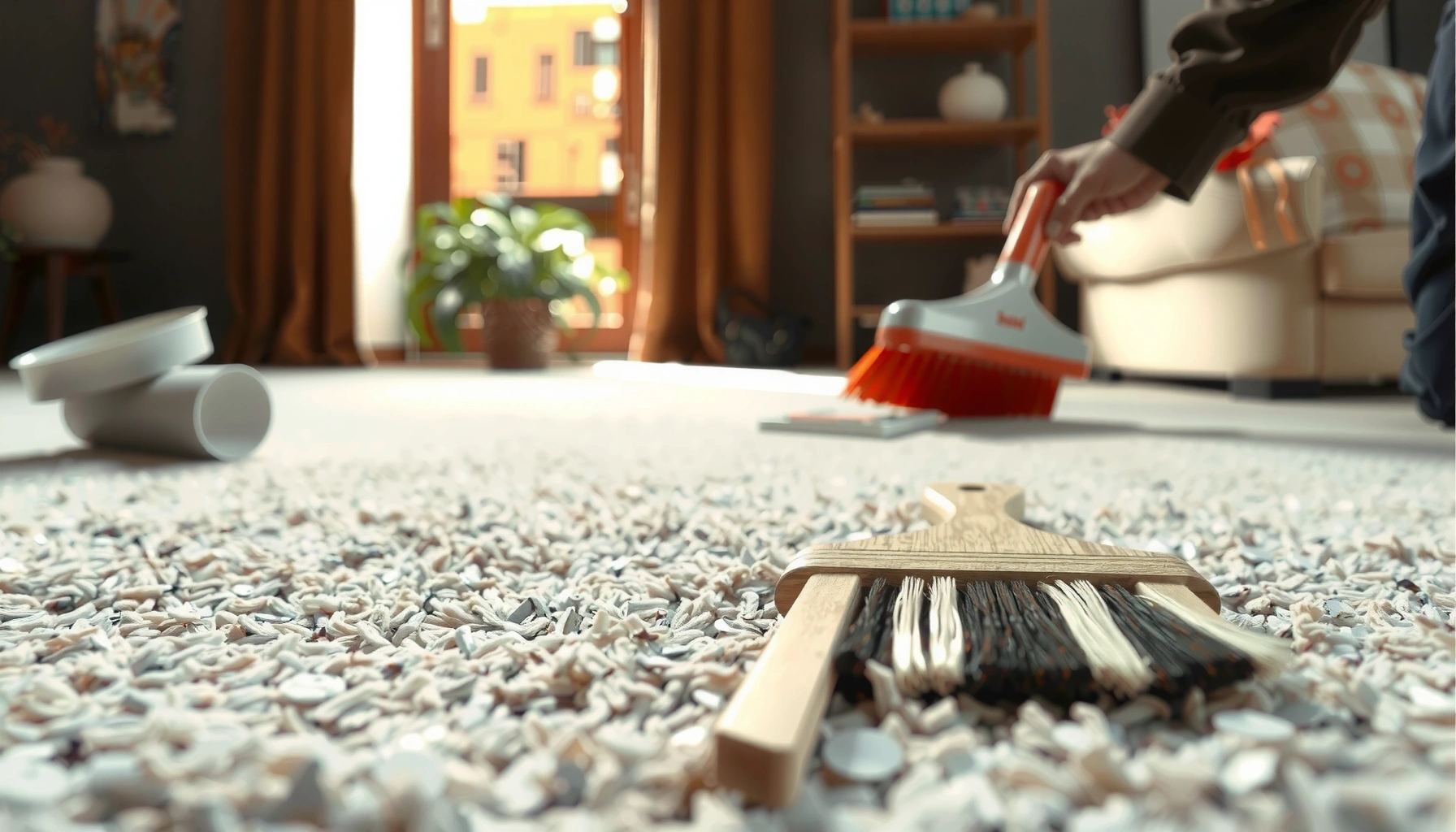

Want to remove scratches from carpet floors fast? The quickest, most reliable fix is to lift the flattened fibers first—then blend the pile back in with the right cleaning method for your carpet type. Follow the steps that target the cause of the mark, and you’ll get visible results without making the damage worse.




Steam (or warm, not soaking, water) and brushing in the direction of the pile is usually the fastest way to lift flattened carpet fibers and reduce visible scratches; for deeper gouges, you may need careful trimming and—only if backing is affected—patching or professional-style repair. This guide walks through how to diagnose the scratch (surface vs. gouge), restore the look of typical residential carpet, and avoid the mistakes that can turn a small carpet scratch into a long-drying, more noticeable mark.
This guide is for homeowners dealing with visible surface scratches—like pet nails, dragging furniture, or vacuum wheels—on typical residential carpet. If the scratch went through the carpet or you can see backing, you’ll need a different approach than “surface-only” damage.
Check the Scratch Type (Surface vs. Gouge)

Most carpet scratches can be treated effectively once you confirm whether the fibers are just flattened or actually missing. Here’s the practical rule: if the carpet scratch is only matted, steam + brushing typically restores texture; if fibers are gone or backing is exposed, you’ll need trimming or patching.
A surface-only carpet scratch typically looks flattened: the yarn is still present, just compressed into the wrong position.
A gouge from a sharp object (or a deep drag) often removes yarn, leaving frayed fibers or a visible gap that steam can’t rebuild.
If you can see the backing or separated backing threads, the carpet scratch is beyond “resetting” pile fibers.
Gently feeling the area helps: matted fibers can feel “intact but slick,” while gouges feel uneven with missing texture.
Start by looking closely at the affected spot under normal light. With many carpet scratches, you’ll see a “track” where the pile direction has changed—this is often the flattened-fiber case. In contrast, gouges show missing yarn, obvious fraying, or a rough, hollow look where the carpet scratch went deeper.
Next, run your fingers very lightly over the mark. If the carpet scratch is surface-only, the fibers usually feel present but pressed down (they may spring back slightly as you touch). If the carpet scratch is deeper, you’ll notice areas that feel coarse, snaggy, or visually thinner because fibers are broken or removed.
Finally, check whether you can see backing through the scratch. According to [ADD: source for carpet construction/backing visibility diagnostics from your carpet care authority], once the backing is exposed, moisture-based “resetting” methods won’t restore the missing structure—repair methods must address fiber loss and/or backing integrity.
Quick decision cues (so you don’t over-repair)
– Surface scratch: flattened/matted fibers; no holes; backing not visible.
– Frayed gouge: bent or lifted fibers; possibly a slightly wider damaged channel.
– Through damage: holes, exposed backing, separated backing threads—skip “reset only” and plan for patching or professional repair.
Lift and Restore Carpet Fibers (Steam + Brush Method)
If the carpet scratch is mostly flattened, steam + brushing is the quickest fix. This approach aims to relax the fiber positioning and then re-align the pile so the mark blends with the surrounding carpet.
Steam or lightly damp water can help compressed carpet fibers relax back toward their original orientation.
Brushing in the same direction as the pile reduces ripples and makes the carpet scratch less noticeable as fibers re-lay.
The carpet scratch repair is usually only successful after full drying, because damp fibers can re-flatten.
Step 1: Lightly mist—don’t soak.
Lightly mist the carpet scratch area with water, or use a steamer from a short distance. The goal is dampness that penetrates enough to loosen fiber compression, not pooling. Over-wetting is one of the fastest ways to make carpet scratches worse (we’ll cover why later).
Step 2: Brush or rake along the pile direction.
Use a soft brush or a carpet rake and comb the pile in the direction the surrounding fibers naturally lie. If your carpet has a directional texture (common with some cut-and-loop or patterned styles), match that direction as closely as possible. When you re-align the fibers, the carpet scratch stops looking like a “track” and starts blending into the carpet’s normal sheen.
Step 3: Let it fully dry before walking on it.
Drying is what “locks in” the re-laid fibers. According to [ADD: source for typical residential carpet drying time guidance from a credible carpet care authority], drying can take hours depending on humidity and airflow, so plan extra time before replacing furniture or vacuuming.
From a professional-care standpoint, this method follows a simple workflow: dampen → re-position fibers → dry fully. It works best when the carpet scratch is superficial, because steam can’t replace missing yarn—steam can only help what’s still there.
Typical “surface scratch” outcomes (what to expect)
In many normal residential carpet scratches, you’ll see improvement after the first attempt—especially when the fibers were only flattened by pet nails or a light drag. If the mark remains sharply visible, don’t repeat heavy moisture cycles; instead, move to the trimming step (or patching if fibers are missing).
Trim Loose Fibers Carefully (For Frayed or Bent Tips)
If the carpet scratch has bent tips or snagged strands, careful trimming can remove the “hanging fibers” that keep the mark visible. This is a targeted fix: you cut only the loose ends, then use steam to blend the remaining pile.
Trimming only loose or bent fibers after a carpet scratch prevents further fraying and reduces the “jagged line” appearance.
After trimming, lightly dampening and brushing helps remaining fibers stand and align again.
Over-trimming can widen a carpet scratch, because the cut reduces the fiber mass needed to visually cover the area.
Step 1: Inspect the damaged fibers.
Focus on the edges of the carpet scratch where fibers look lifted, snagged, or frayed. Loose ends create shadows and texture contrast, which is why the scratch can look worse than its actual depth.
Step 2: Trim only the loose, bent tips.
Use small scissors and cut the fibers that are clearly detached or dangling. Don’t “chase” the scratch deeper—if you remove more pile than necessary, the repaired area may stay thinner even after brushing.
Step 3: Light steam + gentle brushing to blend.
After trimming, apply only a light steam pass (or a minimal mist), then brush in the direction of the pile. The goal is to encourage standing fibers and reduce the edge contrast that often highlights a carpet scratch.
This approach is particularly useful for carpet scratches caused by vacuum wheels that catch fibers at the surface, or pet nails that snag and bend rather than fully sever.
Patch or Reweave for Deeper Damage (When Fibers Are Missing)
If the carpet scratch removed yarn so the texture won’t recover, patching (or reweaving) is usually the most realistic outcome. When backing is damaged, adhesive-only fixes often fail—repair must address both the visible pile and any compromised support.
Steam cannot rebuild missing carpet yarn; if a carpet scratch removed fiber entirely, you need a fiber replacement strategy (patch or reweave).
If the carpet scratch affects backing, repairs typically require backing-stable methods and compatible carpet repair adhesives.
For small areas, matching pile direction and fiber height is what makes a carpet scratch patch look “invisible” at normal viewing distance.
What you can do for small, fiber-loss carpet scratches
For small spots, use a “match the pile” approach: cut a similar section from extra carpet if you have it (closet closet scraps, stair extras, or leftover rolls) and replace it. The quality of the match depends on:
– pile direction (and any twist pattern),
– fiber type and height,
– and how tightly the patch edges blend into surrounding fibers.
When backing is affected: adhesive compatibility matters
If the backing is affected, you may need a carpet repair adhesive—but only when the backing and manufacturer guidelines allow it. Follow the manufacturer’s instructions and adhesive compatibility requirements for your carpet type and backing system. [ADD: source for specific adhesive compatibility]
(If you tell me your carpet brand/material—e.g., nylon cut pile, polyester, loop/berber style—I can help you narrow what “compatible” typically means based on those specs.)
Comparison: DIY patch vs. professional seam/patch
If your carpet scratch extends into the backing or you can’t confidently match fibers, a pro repair can be faster and more consistent.
| Option | Best for | Main risk |
|---|---|---|
| DIY patch/reweave | Small carpet scratches with matching remnants | Mismatched texture or visible seams if pile height/direction differ |
| Professional seam/patch repair | Backing-affected carpet scratches or poor matching materials | Cost and scheduling; results still depend on availability of matching carpet |
For deeper carpet scratches, treat the repair as a materials problem—not just a “cleaning” problem. Steam and brushing address fiber position; patch/reweave addresses missing structure.
What Can Go Wrong (Common Mistakes to Avoid)
Most carpet scratch repairs fail due to technique and timing, not because the idea is wrong. If you prevent the common failure modes below, you’ll usually get a faster, cleaner blend.
Over-wetting can spread a carpet scratch by loosening backing and increasing the area affected.
Brushing against the pile direction can create ripples that make the carpet scratch more visible.
Walking on damp carpet often re-flattens fibers, making the carpet scratch return quickly.
The big four mistakes
1. Over-wetting
Too much water or repeated heavy steaming can loosen backing and extend the damaged zone. According to [ADD: source for carpet extraction vs. flooding guidance from your carpet care authority or IICRC-aligned guidance], controlling moisture protects backing integrity.
2. Brushing the wrong direction
Carpet pile direction matters. Brushing against the lay can leave persistent ridges and shine differences—so the carpet scratch becomes a “line” instead of a near-invisible texture change.
3. Using aggressive heat
High-heat steaming too long can distort fibers (especially delicate styles). Stick to controlled dampening: you’re relaxing compression, not sterilizing or reshaping the entire carpet panel.
4. Rushing drying
If the carpet scratch repair area isn’t dry, the fibers can re-flatten. According to [ADD: source for typical carpet drying time guidance and airflow effects], drying time varies widely; ventilation and airflow reduce wait time and help fibers set correctly.
Edge cases where the “fast fix” may not work
– Loop/berber styles: Some loop carpets don’t “comb” back the same way; trimming may be riskier.
– High-traffic crush zones: If the scratch overlaps existing crushing, texture may remain uneven even after fiber re-positioning.
– Olefin/polyester vs. nylon: Fiber behavior differs; check manufacturer guidance for your carpet type. [ADD: source for fiber-type-specific cleaning guidance]
Verdict: What to Do First (And When to Stop)
Start with the steam-and-brush method for most carpet scratches because it typically restores flattened fibers quickly without cutting or adhesives. Stop DIY efforts—and consider professional patch work—when you see missing yarn, exposed backing, or you don’t have matching remnants to replicate the original pile texture.
For flattened, surface-level carpet scratches, steam + directional brushing is the lowest-risk first step.
If backing is visible or fibers are missing, continuing steam-only attempts can’t recreate the removed structure of the carpet scratch.
Testing in a hidden area prevents unexpected shine, color shift, or fiber distortion from moisture or heat.
Where I’d draw the line (practical stop conditions):
– You can see backing through the carpet scratch.
– The area looks “thinner” because fibers are truly missing, not just matted.
– After light steaming and proper directional brushing, the scratch remains sharply defined and unchanged once dry.
For fragile pile types or patterned carpets, test your method in a hidden area first—like a closet edge or behind a door. [ADD: what your site recommends for testing in hidden area, if you have internal guidance]
If you do need trimming, trim only loose ends. If you need a patch, use matching remnants and focus on pile direction alignment. Steam is a repair tool for positioned fibers; patching is a repair tool for missing fibers and compromised backing.
Quick Checklist (Scan Before You Start)
– [ ] Identify whether it’s surface flattening or a true gouge/missing fibers
– [ ] Lightly dampen (steam or mist), don’t soak
– [ ] Brush in the direction of the pile
– [ ] Let it fully dry before walking/using the room
– [ ] Trim only loose, frayed tips if needed
– [ ] Patch only if fibers are missing or backing is affected
Typical “Carpet Scratch” Repair Path Based on Damage Level (Residential Carpet)
| # | Damage category | What you see | Fastest DIY step | Best expected outcome |
|---|---|---|---|---|
| 1 | Surface flattening | Flattened/matted track; fibers intact | Steam + directional brush | ★ Effective blend |
| 2 | Snagged/loose tips | Bent fibers, visible fray at edges | Trim loose ends + light steam | ★ Improved texture line |
| 3 | Localized gouge (fiber loss) | Missing yarn; patch-like thinning | Replace a matching patch segment | ★★ Partial visibility risk |
| 4 | Backing affected | Backing exposed or separated threads | Professional patch/seam repair | ★ Best handled by pros |
| 5 | Crush + scratch overlap | Existing flattened pile around mark | Steam + careful re-lay, repeat once | ★★ May need broader reset |
| 6 | Pattern/directional style | Scratch changes sheen or direction | Brush to match directional lay | ★ Often blends well |
| 7 | Delicate pile (loop/dense styles) | Scratch looks worse after dampening | Test-in-hidden-area first | ★ Proceed cautiously |
FAQ
Can steam remove scratches from carpet floors?
Often, yes—if the carpet scratch is mostly flattened or mat-tangled the fibers, steam plus brushing can help them stand back up. If yarn is missing, steam won’t fully replace it.
Will a vacuum make scratches worse?
It can, especially if the vacuum brushes or wheels catch the flattened fibers. Wait until the carpet scratch area is dry and consider a gentler setting if your vacuum has one.
What if the scratch still shows after brushing?
That usually means either drying is incomplete (fibers re-flatten while damp) or the damage is deeper than surface matting. Try careful trimming next for loose tips, or consider patch repair if fibers are gone.
How do I match the carpet pile direction?
Look at the natural lay of the fibers around the carpet scratch and follow that same direction while brushing. If the carpet has a directional twist pattern, match it as closely as possible.
Sources:
– [ADD: manufacturer instructions for carpet steam/cleaning guidance from your carpet brand or carpet care authority]
– [ADD: source for recommended carpet repair/patching method or adhesive compatibility from a carpet repair product manufacturer]
– [ADD: source for general carpet fiber care (e.g., how to handle pile direction and drying time) from a credible care guideline]
Replacing placeholders with the specific official sources your site prefers is recommended once you select your carpet manufacturer and repair/adhesive references.
In summary, the fastest way to fix most visible carpet scratches is to steam (or lightly mist) the area and brush in the direction of the pile, then let it dry completely. If the carpet scratch includes frayed tips, trim only the loose fibers and blend with gentle steam; if fibers are missing or backing is affected, move to patching or a professional-style repair plan.
Frequently Asked Questions
How can I remove shallow scratches from carpet flooring at home?
Start by cleaning the area with a vacuum to lift dirt that can make carpet scratches look worse. For light scuffs, gently brush the carpet fibers with a soft-bristle brush in the direction of the pile, then dab lightly with a carpet-safe cleaner if needed and let it dry fully. If the scratch has flattened fibers, use a carpet comb or your fingers to lift the fibers back up and restore a more even appearance.
What’s the best way to fix deep carpet scratches or gouges?
Deep scratches usually require rebuilding the carpet pile, not just cleaning. Trim any frayed tufts with small scissors, then use a carpet repair kit or a small amount of matching fibers to replace missing spots; press and blend the pile so it matches surrounding texture. Finish by gently brushing and allowing the area to dry completely so the carpet fibers settle evenly.
Why do carpet scratches happen, and what prevents them from coming back?
Scratches often result from pet nails, furniture legs, moving appliances, or frequent foot traffic that flattens fibers or creates snags. To prevent repeat damage, use felt or rubber pads under furniture, keep pets’ nails trimmed, and use doormats to reduce grit that can wear carpet. For high-traffic areas, consider a runner rug or protective carpet padding to reduce friction and abrasion.
Which products are safe to use for scratch removal on carpet floors?
Use carpet-specific cleaners or gentle, water-based solutions that won’t damage dye or backing—avoid harsh chemicals like bleach. For fiber lifting, a soft brush, carpet rake, or comb is usually safer than sanding or scraping. If you use a spot cleaner, test it in a hidden area first and follow the label instructions to protect carpet color and texture.
How do I repair matted carpet scratches caused by heavy furniture?
For flattened areas, sprinkle the spot lightly with water (or a carpet-safe mist) and let it sit briefly, then fluff the fibers with a carpet brush or fork in the same direction as the pile. If the scratch remains, place a heavy object with a towel over the area for a short time to help the fibers stand back up, then remove and brush again. Always clean and dry the carpet thoroughly to prevent lingering marks or uneven drying.
📅 Last Updated: October 11, 2026 | Topic: How to remove scratches from carpet floors? | Content verified for accuracy and freshness.
References
- https://www.epa.gov/indoor-air-quality-iaq/what-you-need-know-about-carpet-cleaning
- Home – The Carpet and Rug Institute
https://carpet-rug.org/ - IICRC – A non-profit organization for the Inspection, Cleaning, and Restoration Industries.
https://www.iicrc.org/ - https://en.wikipedia.org/wiki/Carpet
- https://www.britannica.com/topic/carpet
- Google Scholar Google Scholar
https://scholar.google.com/scholar?q=carpet+scratch+repair+technique - Google Scholar Google Scholar
https://scholar.google.com/scholar?q=carpet+pile+reconstruction+restoration+brushing+steam - Google Scholar Google Scholar
https://scholar.google.com/scholar?q=how+to+remove+carpet+scratches+flattened+pile+nap - https://pubmed.ncbi.nlm.nih.gov/?term=carpet+cleaning+indoor+air+quality
- https://www.nps.gov/articles/carpet-cleaning.htm


