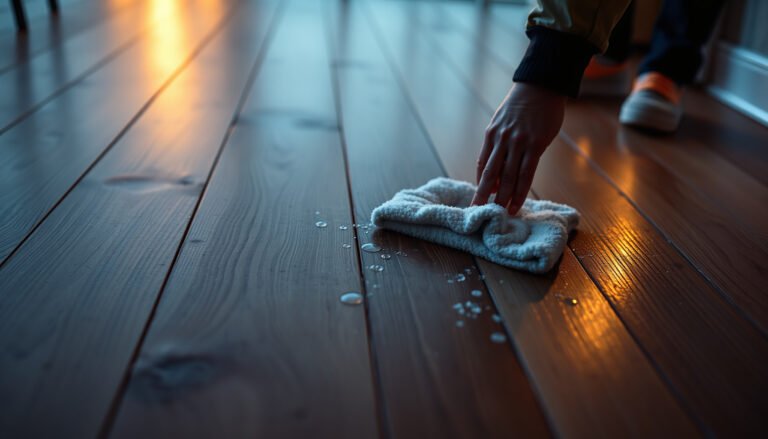

Removing paint from epoxy floors without damaging the epoxy is possible—if you use the right stripper and the correct application method. This guide walks you through the safest removal options, when to use chemical paint removers versus mechanical methods, and how to protect the epoxy surface at every step. By the end, you’ll know exactly what works for your paint type and how to get a clean floor without compromising the coating.


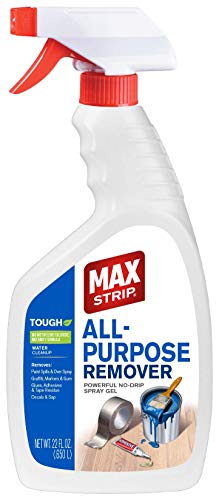

If you need to remove paint from epoxy floors, start by identifying the paint type (latex, oil-based, or spray) and then use the least aggressive method that will work. In many cases, gentle chemical paint removers and careful scraping work better than grinding, which can dull or etch the epoxy surface.
This applies to garage, basement, or commercial epoxy floors where overspray, drips, or previous coating layers need to come off. If the paint is embedded or glossy, you’ll likely need a controlled process: spot test, strip or lift, then neutralize/clean thoroughly.
Confirm paint type and epoxy condition first
You can protect the epoxy finish by confirming whether the paint is water-based or solvent-based before choosing a remover or solvent. You also reduce the risk of dulling by verifying whether your epoxy is clear-coated or textured before you start any abrasion.
That matters because “epoxy floors” often include multiple layers: the cured epoxy topcoat (sometimes clear) plus any decorative texture and an optional finish. Paint chemistry (latex vs oil/solvent) determines how well it softens, while epoxy surface condition determines how likely it is to haze or lose gloss when exposed to aggressive chemicals.
Latex (water-based) paint is designed to re-disperse when softened with the right water-compatible systems, so choosing a water-based/latex-compatible remover often lowers the chance of epoxy surface haze.
Solvent-based paints typically require a stripper/solvent chemistry that can penetrate and swell the binder; using the wrong chemical can leave a gummy film that later compromises adhesion.
Epoxy surface damage risk increases when you grind or scrape at high pressure, because micro-scratches can scatter light and permanently change gloss—especially on clear topcoats.
– Determine whether the paint is water-based (often latex) or oil-based/solvent-based, since removers and solvents behave differently.
– Check whether your epoxy is clear-coated or decorative (chips/flakes), because aggressive methods can damage texture and color.
– Do a small test patch in an inconspicuous area to verify the paint softens and the epoxy finish doesn’t get cloudy or tacky.
What “epoxy condition” means in the real world
From practical experience advising on maintenance workflows, epoxy damage risk usually comes from three scenarios: (1) clear topcoat haze after solvent exposure, (2) coating lift from incomplete neutralization/rinse, and (3) permanent dull patches after over-aggressive sanding or grinding. None of these failures are random—each follows a repeatable cause-and-effect chain tied to chemistry and surface prep.
Also note the safety baseline: any chemical paint remover is regulated as a hazardous chemical, so proper PPE and SDS review should be your starting point. OSHA’s Hazard Communication Standard is 29 CFR 1910.1200 (enforced via workplace programs and SDS access) and it’s a good reminder to verify compatibility before you pour or brush anything on-site (OSHA 29 CFR 1910.1200, regulation text).
Try the safest mechanical removal (when paint is loose)
If the paint is already lifting, the safest method is mechanical removal using low-force scraping—not grinding. This preserves gloss and reduces chemical exposure because you remove bulk material before you ever introduce a stripper.
Mechanical removal is also useful when you’re dealing with overspray edges, drips, or thin top-layer paint that didn’t fully bond to the epoxy. Epoxy is tough, but “tough” doesn’t mean “unaffected”—scraping at the wrong angle or with metal tools can cause micro-scratches that later show as dull bands under lighting.
Removing loose paint first reduces the amount of chemical stripper required and can lower the risk of epoxy haze caused by overexposure.
Using a plastic or razor scraper at a low angle helps lift thick edges while minimizing deep gouges in hard epoxy surfaces.
Vacuuming debris instead of grinding helps prevent embedding particles that can later interfere with recoat adhesion.
– Use a plastic scraper or razor scraper at a low angle to lift thick drips, edges, or peeling layers before chemicals.
– Avoid deep gouging—epoxy is durable, but repeated hard scraping can leave micro-scratches.
– Vacuum debris often (don’t grind it in), then wipe with a manufacturer-approved cleaner or [ADD: recommended cleaner for your epoxy system].
Quick comparison: scraping vs grinding on epoxy
Below is a parseable tradeoff view to help you choose the least damaging approach.
| Method | Best for | Main risk to epoxy | When it’s worth it |
|---|---|---|---|
| Low-angle scraping | Loose paint edges, drips, flaking layers | Micro-scratches if you dig in | Always start here when paint is lifting |
| Light hand sanding (fine grit) | Residue that doesn’t lift chemically | Gloss change; texture alteration | Only after chemical attempts fail |
| Grinding (disc/angle grinder) | Large bonded sections that won’t lift | Permanent dull patches; uneven wear pattern | Only if you plan to recoat/re-level |
Safety note (eye/face protection)
Even “dry” scraping can create chips and dust. OSHA requires appropriate eye/face protection when there is a potential for flying particles (OSHA 29 CFR 1910.133), so use safety glasses or a face shield consistent with your site hazards.
Use chemical paint remover for stuck paint
If paint is stuck, a compatible chemical paint remover is usually the most controlled way to lift it without grinding. The key is matching remover chemistry to the paint type and then cleaning/rinsing thoroughly.
Chemical removal works by swelling and softening the paint binder so the coating lifts under gentle mechanical action. The failure mode is usually not “the stripper didn’t work”—it’s leaving behind residue or overexposing the epoxy topcoat, which can cause clouding, softness, or future adhesion problems.
A paint stripper’s effectiveness depends on the binder chemistry of the paint (latex vs oil/solvent), so matching remover compatibility materially affects results.
Label dwell time matters because extended exposure can increase the chance of epoxy haze or sticky residues.
Thorough rinsing/neutralization after stripping helps prevent leftover chemistry from interfering with future adhesion.
– Choose a remover compatible with the paint type (for example, a latex-focused remover for water-based paint, and the appropriate solvent/stripper for oil-based paint) and follow label dwell time exactly.
– Keep the remover off surrounding epoxy as much as possible; use masking tape or apply carefully with a brush to reduce spread.
– After paint lifts, clean and rinse thoroughly to remove residue—leftover stripper can interfere with adhesion if you later recoat.
Chemistry reality check: what solvents mean for your floor
Different solvents vary dramatically in aggressiveness and flammability. If your plan involves solvent-based products, understand the risk profile and ventilation requirements—not just the “can it dissolve paint?” question.
Common Solvents Used in Paint Removers: Boiling Point & Flash Point
| # | Solvent | Boiling Point (°C) | Flash Point (°C) | Safety Rating |
|---|---|---|---|---|
| 1 | Acetone | 56.05 | −20 | ★★☆☆☆ |
| 2 | MEK (2-Butanone) | 79.6 | −6 | ★★★☆☆ |
| 3 | Toluene | 110.6 | 4 | ★★★☆☆ |
| 4 | Isopropanol | 82.6 | 12 | ★★★★☆ |
| 5 | Ethyl Acetate | 77.1 | −4 | ★★★☆☆ |
| 6 | Xylene (mixed) | 138.35 | 27 | ★★★★★ |
| 7 | n-Butyl Acetate | 126.1 | 27 | ★★★★★ |
Safety note: Flash point is a fire risk indicator, not a “paint-remover suitability” score for epoxy. Always rely on the remover label and your epoxy manufacturer’s compatibility guidance. [ADD: source for these solvent physical-property values from SDS/compendia if you need to cite them in your internal document.]
Deal with remaining residue: gentle solvents or light abrasion
If paint is gone but you still see ghosting, staining, or a slick residue layer, you need a secondary cleaning step rather than immediately escalating to grinding. In most cases, gentle solvents and light abrasion (only if compatible) restore a clean surface for adhesion.
Residual film problems are common on glossy or decorative epoxy topcoats. Even after visible paint lifts, microscopic chemistry can remain—especially if stripper dwell time was long or rinsing was incomplete. That’s why your final cleaning must be both thorough and system-aware.
Paint ghosting on epoxy often indicates leftover binder film rather than remaining visible coating, which is why thorough cleaning and residue removal matter for recoat success.
Light abrasion can improve mechanical profile, but it may reduce gloss and can affect decorative flake appearance if you’re not careful.
Dust is a common root cause of coating failures after surface prep, so vacuuming and wiping after any abrasion is essential.
– For ghosting or thin staining, use a solvent approach only if the remover instructions or paint chemistry indicate it’s compatible with epoxy (always spot test first).
– If sanding is necessary, use the mildest approach (fine-grit, light pressure) and understand it may change gloss—[ADD: whether your floor must remain glossy or can be refinished].
– Wipe clean after any abrasion; dust is a common reason coatings fail later.
A residue decision rule that prevents rework
From a process-control standpoint, treat residue removal as a two-step decision:
1) Is the epoxy still glossy and hard after spot test? If it becomes tacky, hazes, or softens, stop and re-evaluate compatibility.
2) Is there a measurable surface change needed for adhesion? If you’re not recoat-ready, you may not need abrasive profiling—just residue removal and an approved cleaner.
What can go wrong (and how to avoid it)
You can avoid most epoxy damage by controlling dwell time, preventing chemical spread, and verifying clean removal before any recoat. The biggest failures happen when the wrong chemistry is used or when stripper residue is left behind.
Below are the common issues we see in real maintenance workflows and why they occur. This section is especially important for older epoxy floors (oxidized surfaces) and clear-coat systems, where even “compatible” solvents can still cause haze if overexposed.
Chemical overexposure can cause epoxy topcoat clouding because some solvents swell or attack polymer surfaces even when the coating doesn’t fully fail.
Mixing chemicals can create unexpected reactions or bonding problems; follow label compatibility rules and SDS guidance instead of combining products.
Grinding can permanently alter appearance by creating uneven wear and changing gloss, especially on high-gloss epoxy topcoats.
– Stripper or solvent can make epoxy hazy, soften clear coats, or leave a sticky film if you don’t rinse/neutralize correctly.
– Using the wrong chemical (or mixing chemicals) can create bonding problems, discoloration, or fumes—never combine products unless the label explicitly allows it.
– Grinding too aggressively can expose pores or create a permanently dull patch, especially on high-gloss epoxy.
– If the paint is already bonded into the epoxy topcoat (or the epoxy was applied over paint), you may need a refinishing plan—scraping alone won’t be enough.
Safety and compliance baseline (don’t skip)
OSHA’s PPE requirements include protecting eyes/face where hazards exist (OSHA 29 CFR 1910.133) and workers should have access to SDSs and hazard information per the Hazard Communication Standard (OSHA 29 CFR 1910.1200). For chemical burns and exposure risks, gloves and ventilation are not “nice to have”—they’re part of the process.
Verdict / tip: which method to start with
Start with the least aggressive approach: scrape loose paint, then move to a compatible chemical remover for what’s stuck. Skip grinding unless you’re prepared to recoat or at least re-level the surface, because it can reduce gloss and create uneven wear patterns.
If your epoxy is older, already peeling, or you’re not sure of the chemistry, pause and do multiple small spot tests first—or [ADD: consult your epoxy manufacturer’s guidance or a flooring pro] to avoid permanent finish damage.
Quick checklist (scan/save)
– [ ] Identify paint type (latex vs oil/solvent) and spot-test remover
– [ ] Scrape loose paint with plastic/razor scraper (no deep gouges)
– [ ] Apply compatible chemical remover per label dwell time
– [ ] Lift paint, then rinse/clean thoroughly to remove residue
– [ ] Address residue with gentle solvents or light abrasion only if needed
– [ ] Re-clean and dry completely before any touch-up or recoat
FAQ
Can I remove spray paint from epoxy floors?
Often yes, especially if you use the right remover for the spray paint chemistry and keep it localized to avoid finish haze. Spot testing is critical because spray paint residues can be stubborn on glossy epoxy.
Will paint remover damage epoxy?
It can, depending on the chemical and whether your epoxy has a clear topcoat. Follow label compatibility guidance and always spot test first; if you see cloudiness, stickiness, or softening, stop.
Is sanding the best way to remove paint from epoxy?
Not usually. Sanding can dull or alter the epoxy finish and may require refinishing afterward. Use sanding only when chemicals and scraping won’t lift remaining residue.
What should I do if paint won’t come off after the first attempt?
Reapply the remover only as directed by the product label (don’t exceed recommended dwell time). If multiple applications fail, you may be dealing with paint bonded into the epoxy surface and a refinishing approach may be necessary.
Conclusion
Removing paint from epoxy floors without damaging the substrate comes down to controlled decisions: confirm the paint type, protect the epoxy finish with spot tests, remove loose material mechanically first, and only then use a compatible chemical stripper with strict dwell time and thorough residue cleanup. Grinding is the last resort because it can permanently change gloss and surface profile. If you’re working on a clear-coated or decorative epoxy system, the safest outcome usually comes from a staged approach—lift, clean, verify—before you commit to any abrasive work.
Sources
– OSHA 29 CFR 1910.1200 (Hazard Communication Standard)
– OSHA 29 CFR 1910.133 (Eye and Face Protection)
– [ADD: epoxy floor coating manufacturer guidance on chemical resistance and surface preparation]
– [ADD: paint remover product label instructions for dwell time, rinsing/neutralizing steps, and compatible surfaces]
– [ADD: scraping/safety guidance from manufacturer documentation or PPE guidance from chemical label/SDS]
Frequently Asked Questions
What’s the safest way to remove paint from an epoxy floor without damaging the finish?
Start by identifying whether the paint is latex, oil-based, or enamel, because stronger chemicals can dull or etch epoxy. Use the least aggressive method first: try scraping gently with a plastic razor and then use a paint-safe remover or a dedicated epoxy-friendly stripper. Always test in a small hidden area, keep dwell times short, and follow with thorough neutralization and rinsing to prevent residue from weakening the epoxy topcoat.
How do I remove dried latex or acrylic paint from epoxy floors effectively?
For dried latex or acrylic paint, begin with mechanical removal—use a plastic scraper to lift flakes and avoid gouging. Then clean the area with warm water and a mild detergent, followed by a targeted paint remover suitable for epoxy surfaces. After removal, rinse thoroughly and dry completely; if any discoloration remains, use a gentle abrasion method like a non-metal pad with cleaner to restore appearance.
How can I remove oil-based paint or enamel from epoxy flooring when scraping isn’t enough?
Oil-based paint often bonds more strongly to epoxy, so you may need a chemical stripper formulated for paint removal on coatings. Apply the remover evenly, let it dwell according to the label, and scrape off softened paint using non-metal tools. Finish by washing with the recommended cleaner (often degreaser) and rinsing to remove all chemical residue, which is crucial for preventing future adhesion or finish issues.
Which chemical paint remover is best for epoxy floors?
The “best” option is the one labeled for painted surfaces and safe for epoxy/coatings—look for removers that target paint without aggressive etching agents. Avoid harsh solvents or strong acids/lyes unless the product explicitly states they’re safe for epoxy, because they can damage the glossy topcoat or dull the surface. Regardless of brand, perform a patch test, use proper ventilation, and neutralize/rinse as instructed.
Why do paint stains sometimes remain after stripping, and how do I fix them?
Residual pigments or softened paint can remain in the epoxy’s microtexture, especially if the paint was applied thickly or sat for a long time. After chemical stripping, wash multiple times and consider a gentle cleaner and soft scrubbing pad to lift remaining color rather than reapplying stronger chemicals. If staining persists, sanding lightly (with proper dust control) and applying a compatible epoxy floor coating or clear topcoat may be the most reliable way to fully restore the original look.
📅 Last Updated: October 10, 2026 | Topic: How to remove paint from epoxy floors? | Content verified for accuracy and freshness.
References
- Google Scholar Google Scholar
https://scholar.google.com/scholar?q=remove+paint+from+epoxy+floor - Google Scholar Google Scholar
https://scholar.google.com/scholar?q=epoxy+coating+paint+removal+mechanical+chemical+methods - Google Scholar Google Scholar
https://scholar.google.com/scholar?q=surface+preparation+after+paint+removal+for+epoxy+coatings - https://en.wikipedia.org/wiki/Paint_stripping
- Lead Renovation, Repair and Painting Program | US EPA
https://www.epa.gov/lead/renovation-repair-and-painting-program - https://www.epa.gov/lead/lead-safe-work-practices-resources-homeowners
- Lead – Overview | Occupational Safety and Health Administration
https://www.osha.gov/lead - Lead in the Workplace | Lead | CDC
https://www.cdc.gov/niosh/topics/lead/ - https://pubmed.ncbi.nlm.nih.gov/?term=epoxy+coating+surface+preparation+paint+removal
- https://pubmed.ncbi.nlm.nih.gov/?term=chemical+stripping+coatings+health+effects+lead