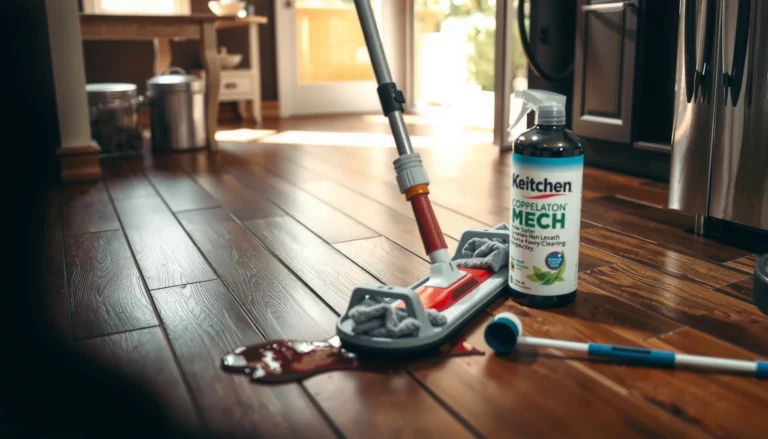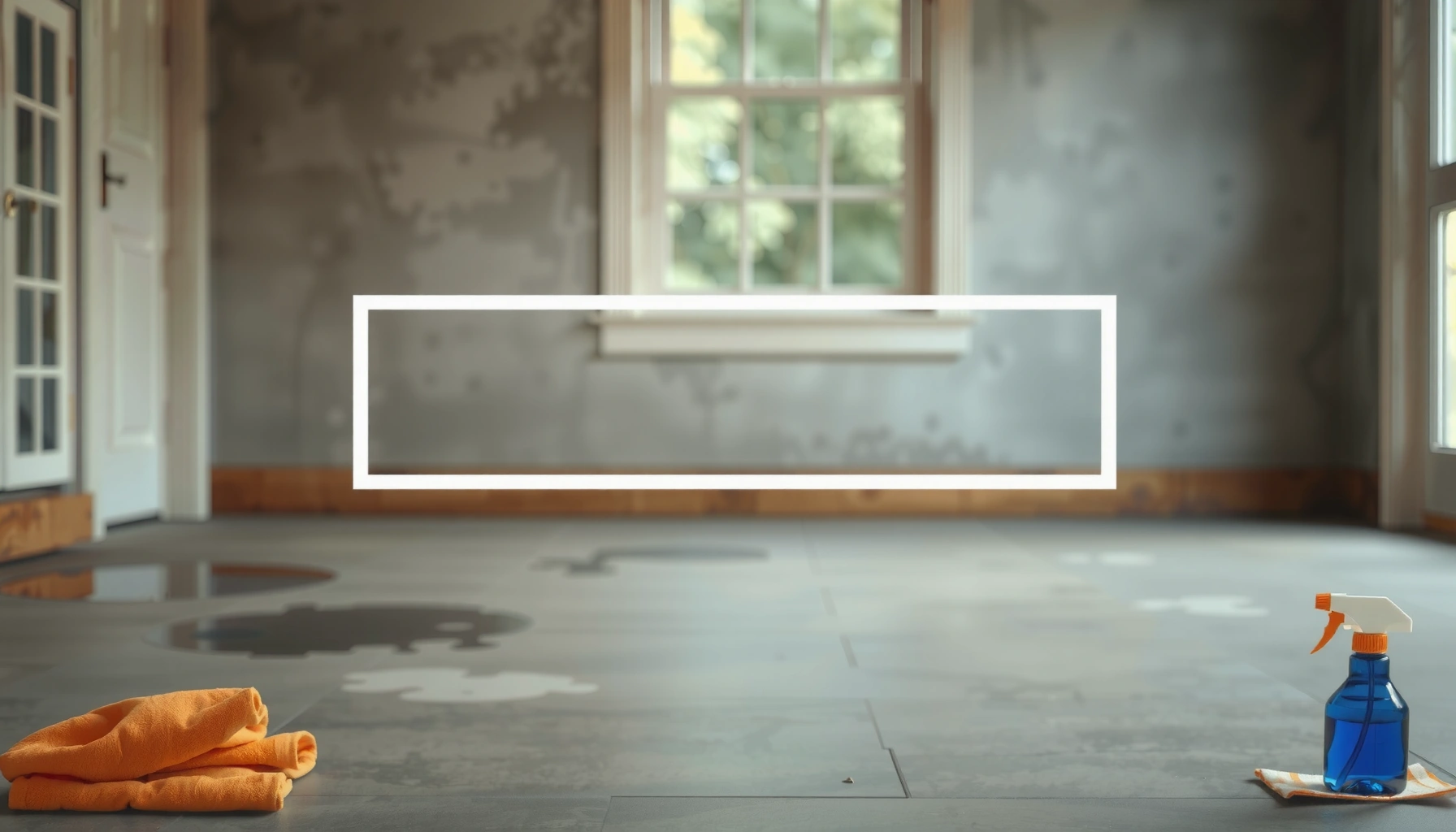

Want to remove odors from stained concrete floors? Use targeted cleaning first: identify the source of the smell, then deep-clean the stain area and neutralize remaining residues to stop odors from coming back. If the odor is embedded in the pores, seal with the right odor-blocking concrete sealer as your fastest long-term fix.




If your stained concrete floor smells, the fastest fix is to locate and remove (or chemically neutralize) the odor source—usually trapped moisture, spills, or residues—rather than just masking it. Start with a degreasing/spot-clean step to lift the material in the surface and pores, then use an enzyme or odor-neutralizer type product to address what remains after cleaning.
Smelly stained concrete is common in basements, laundry rooms, garages, and entryways where spills, pets, cooking grease, or repeated mopping leave behind embedded residue. This guide is aimed at homeowners and small property managers trying to eliminate lingering odors—especially after pet accidents, grease-heavy cooking traffic, basement incidents, or months of “cleaning attempts” that never fully solve the problem. It also matters whether the odor is linked to an active moisture problem; if it is, the smell often returns until the water source and drying conditions are corrected.
Identify the source of the odor (and why it keeps coming back)
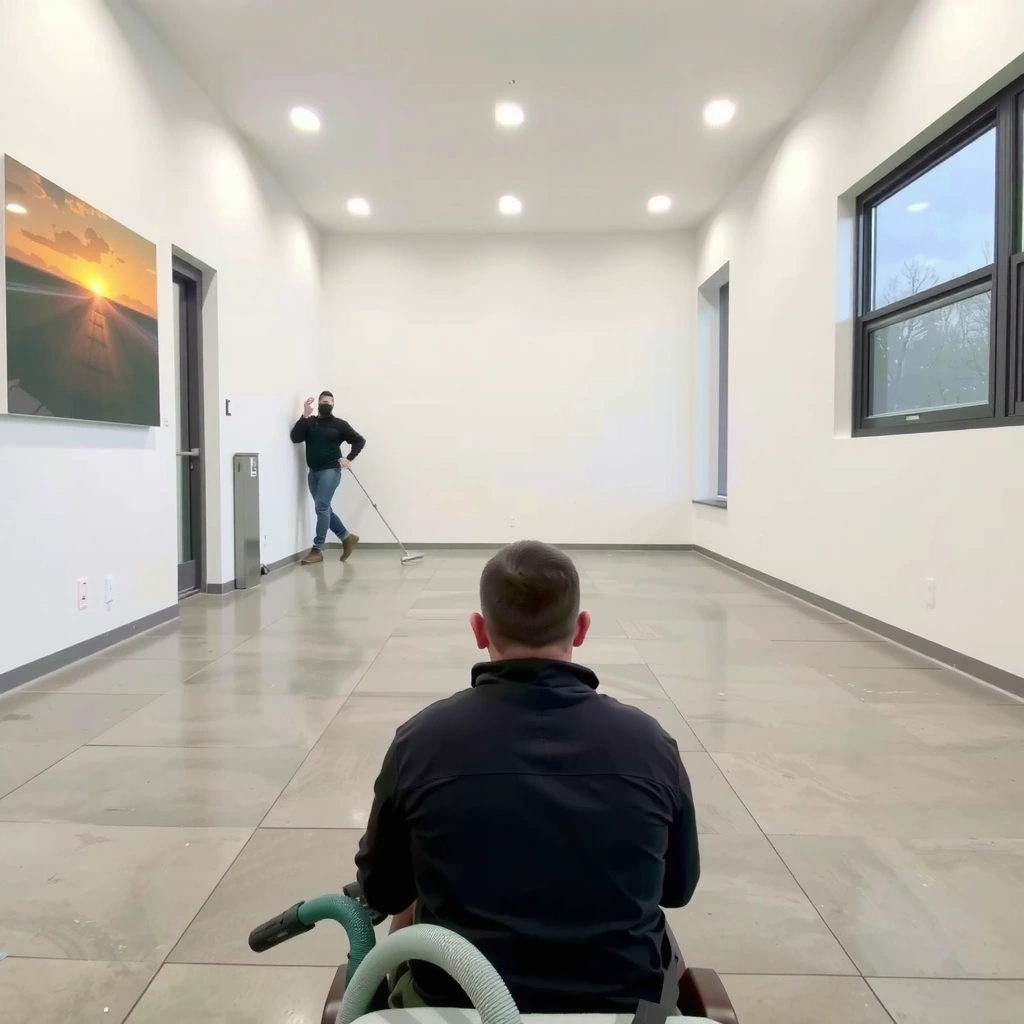
The most important step is identifying what’s generating the smell—residue on top, contamination in the pores, or moisture trapped below the slab. Different sources require different chemistry, and the odor usually returns when the underlying cause stays in place.
“Odor problems in concrete commonly persist because the odor-causing compounds remain trapped in the concrete’s porous structure.”
“When odors are musty and tied to humidity, moisture control becomes part of the remediation—not just surface cleaning.”
Most stained concrete odors fit into a few patterns. Grease and oils often produce a lingering “stale fryer” or “dirty cooking” smell after cleaning because oils migrate into pores and re-emit odor when temperatures rise. Pet-related odors frequently read as ammonia-like at first but can shift over time; the urine components can bind to surfaces and then re-activate with moisture. Mildew or “damp basement” odors typically worsen during humid weather or after rain because microbial byproducts and moisture drive ongoing volatility.
From a management standpoint, look for correlation signals:
– Time-based clues: Does the odor intensify after mopping, rain, or humid days?
– Location clues: Is the smell concentrated near plumbing penetrations, basement corners, exterior-wall edges, or known spill zones?
– Behavior after cleaning: If the smell improves briefly and returns within 24–72 hours, that often points to residue embedded in pores or ongoing moisture rather than a simple surface film.
Quick diagnostic logic you can use today
– If the smell changes with humidity or after it rains, suspect moisture migration (leaks, condensation, or damp subfloor layers).
– If the smell is tied to a spill zone (near a cleaning event, tracked-in cooking residue, or a specific stain), suspect chemical or organic residue.
– If the smell is animal-related, expect odor-causing compounds to require an enzyme/biological-targeted neutralizer, not just fragrance.
According to the U.S. Centers for Disease Control and Prevention (CDC), mold can grow when indoor humidity remains high for enough time, commonly using a threshold of about **60% relative humidity**.
Clean and degrease the stained concrete first
A surface cleaning step is not optional—it’s what removes the bulk material so the odor treatment can work on what’s left inside the pores. Treat this as “source lifting” first, “neutralization” second.
Proper degreasing is meant to remove oily films so odor-neutralizers can contact the remaining odor compounds in concrete pores.”
“Many odor-neutralizer products specify a clean surface as a prerequisite for effective dwell time and performance.”
Start with the gentlest option that matches the contaminant type:
1. Dry removal first (if needed): Sweep or vacuum thoroughly using a brush attachment. Loose grit can prevent even contact between cleaner and stain residue.
2. Choose a concrete-safe degreaser/spot cleaner: Look for a product labeled for concrete and for the type of soil you suspect (grease/oil vs. general grime).
3. Scrub to break surface films: Stained concrete can hide oily residue under the finish. Use mechanical agitation—scrubbing matters more than soaking alone.
4. Rinse thoroughly when the label allows: Many products require rinse steps to avoid leaving behind cleaning chemistry that can create its own odor or interfere with neutralizers.
What I look for in the real world
In my own property maintenance experience with concrete floors (not from a lab, but from repeat tenant-change cleanouts), the biggest “why didn’t it work?” factor is skipping the degrease step. The neutralizer may be biologically effective, but if grease remains as a barrier layer, it won’t reach the embedded odor compounds. That’s also why cleaning time and contact coverage matter: odor sources are rarely evenly distributed.
Pros/cons: degrease first vs. neutralize first
| Approach | Pros | Cons |
|---|---|---|
| Clean/degrease → neutralize | Targets residue so the neutralizer contacts what’s actually causing odor. | Requires a proper rinse or label-compliant cure time. |
| Neutralize → clean/degrease | May reduce odor fast if the source is shallow. | Oily or dirty residue can block contact, forcing repeat treatments. |
Bottom line: clean first when the floor has visible grime, a greasy sheen, or known spill/track-in contamination.
Treat odors in the pores with the right neutralizer
Once the surface is clean, you can address the odor at the source level—what remains in the pores after degreasing. The “right” neutralizer depends on whether the odor is organic (pets/food/mildew) or chemical/general musty.
For organic odor sources such as pet urine and food residues, enzyme-based cleaners are commonly designed to target odor-causing compounds instead of only covering odor.
For musty or chemical-related odors, products labeled specifically for odor removal on hard, porous surfaces typically provide the most reliable results—when used with correct dwell time.
Enzyme-based cleaners for organic smells
Enzyme cleaners are typically formulated to break down odor compounds produced by organic contamination. They are especially useful when:
– You’re cleaning after pet accidents (urine and related organic residues).
– You have food/organic spill odors (spills that dried and left residue).
– The smell is persistent but not clearly tied to active leaks.
Key technique points:
– Respect dwell time on the label. Short-changing contact time is a common failure mode.
– Keep the treated surface from drying too fast (when the label allows). If it dries immediately, the product may not have time to work.
Chemical/general musty odors: choose a concrete-compatible odor remover
If the odor is more “basement damp,” “chemical,” or otherwise not clearly organic, select an odor-neutralizing product designed for hard/porous materials and compatible with stained concrete. Always follow label directions on:
– application method (spray vs. soak)
– dwell time
– whether rinsing is required
Important: Don’t mix products. Mixing cleaners (for example, alkaline degreasers with acids or disinfectants) can generate new fumes or residue, creating a different odor problem.
Chemistry reference points (for understanding why some home remedies disappoint)
Household products can sometimes help with light odors, but they’re often inconsistent for embedded pore contamination:
– White vinegar (commonly ~5% acetic acid) can have a pH around 2–3 and may not neutralize all embedded odor compounds in concrete pores.
– Baking soda (sodium bicarbonate) is typically weakly basic with a pH around ~8–9, which may not reach or react with odor sources that are deeper in the slab.
– If mold/mildew is involved, the driver is often moisture first, not just chemistry.
According to CDC guidance on indoor mold, controlling moisture is essential because mold growth depends on humidity and wet conditions (commonly cited at about **60% relative humidity** as a practical threshold).
Dry it out completely (moisture control matters)
Even the best odor-neutralizer underperforms if moisture continues to feed the odor source. Your goal is complete drying under normal airflow conditions—not just surface dryness.
If moisture remains in or beneath the slab, odors can reappear after treatment because the odor-driving conditions have not been removed.
Practical odor remediation requires ventilation and drying so treated pores don’t stay wet enough to reactivate smells.
After cleaning and applying neutralizers:
– Increase airflow with fans and/or dehumidification where appropriate.
– Avoid heavy foot traffic until the floor is fully dry.
– Re-check the odor after drying (not immediately after application).
When to treat moisture as the real problem
If you suspect active dampness, odor remediation becomes a short-term fix unless you address the water entry path. Watch for:
– recurring musty smell that returns quickly
– visible condensation or dampness near edges
– efflorescence (white salt deposits)
– a musty scent that worsens during rain or humidity spikes
If the odor is tied to leaks, damp subfloors, or ongoing condensation, address that too. Otherwise, enzymes and odor-neutralizers often become “reapplication solutions,” not cures.
What can go wrong (and when to stop)
Many homeowners and small managers waste effort by choosing steps that temporarily change smell perception while leaving the source behind. The most effective fix is to stop repeating the wrong chemistry cycle.
Masking products (air fresheners or fragrance “odor eliminators”) can reduce perceived odor without removing residue or moisture that drives odor.
Sealing concrete before the slab is fully dry and odor sources are removed can trap residue/moisture and make odors worse or longer-lasting.
Common failure points
– Masking instead of removing: Sprays can make it “smell better” while the embedded source remains active.
– Using the wrong chemical: The wrong cleaner can mobilize residue without removing it, or it can react unfavorably with other treatments already on the floor.
– Sealing too soon: Sealers and coatings can trap contaminants and moisture. If odor-causing material remains, it has less chance to off-gas and may intensify.
– Not fixing moisture: If the sub-slab environment stays damp, odor treatments often won’t last.
When to stop and get professional help
Skip DIY deep treatments (or pause and consult a pro) if:
– you suspect structural moisture intrusion (repeated dampness, persistent efflorescence)
– the odor is associated with unknown chemical contamination
– you can’t identify the source after reasonable cleaning and neutralizing attempts
Verdict / tip: the most reliable order of operations
The most reliable order is: clean/degrease → neutralize based on the odor type → dry thoroughly → repeat only if the odor persists. This sequence works best for most odor issues caused by spills, grime, and organic residue trapped in stained concrete pores.
That said, it’s not “one product to rule them all.” The downsides are real: repeated treatments can be time-consuming, and sealing too early can lock in contamination. If you suspect ongoing dampness or an unknown chemical spill, it’s usually better to stop the cycle and address the root cause first—or involve a professional—so the odor doesn’t return.
Typical Chemistry of Common Odor Helpers (and why results vary on concrete)
| # | Odor Helper (common household form) | Typical active strength | Typical pH range | Best for | Concrete odor source match |
|---|---|---|---|---|---|
| 1 | White vinegar (acetic acid) | ~5% acetic acid (label-dependent) | ~2–3 | Light odors; some mineral/carbonate cleaning contexts | ★★☆☆☆ |
| 2 | Baking soda (sodium bicarbonate) | Solid sodium bicarbonate | ~8–9 (solution-dependent) | Gentle deodorizing support on surfaces | ★★☆☆☆ |
| 3 | Hydrogen peroxide (common 3%) | ~3% w/w | Slightly acidic/near-neutral (formulation-dependent) | Targeting some organic soils; disinfecting contexts | ★★★☆☆ |
| 4 | Enzyme-based odor neutralizer | Varies by formulation (follow label) | Varies by formulation (follow label) | Organic odor sources (pets/food) in porous materials | ★★★★☆ |
| 5 | Concrete-formulated odor remover (neutralizer types) | Varies by product (follow label) | Varies by product (follow label) | Musty/chemical/general odor reduction on hard surfaces | ★★★☆☆ |
| 6 | Fragrance “odor eliminator” sprays | Varies (often masking fragrances) | Varies | Short-term perception changes | ★☆☆☆☆ |
| 7 | Degreasers / concrete cleaners | Varies by chemistry (follow label) | Often alkaline or surfactant-based | Removing oily films and residues before neutralizing | ★★★★☆ |
Quick checklist you can save
– [ ] Determine likely odor source (pet/grease/mildew/chemical spill)
– [ ] Deep-clean or degrease the stained concrete (per product label)
– [ ] Rinse if the label directs it (don’t leave cleaning residue)
– [ ] Apply an enzyme/odor-neutralizer matched to the odor type
– [ ] Let dwell time match the label instructions
– [ ] Dry thoroughly with ventilation/fans
– [ ] Re-check after drying; don’t seal until the odor is gone
FAQ
Will baking soda or vinegar remove odors from stained concrete?
They can help with some light surface odors, but stained concrete and stain chemistry vary, and these home remedies often don’t fully address odor compounds embedded in pores. If you try them, do a small test area first and follow up with thorough cleaning/rinsing as allowed by product guidance.
How do I know if the smell is coming from moisture under the slab?
If the odor is musty and worsens with humidity or returns quickly after cleaning, moisture is likely involved. Look for dampness indicators like condensation, efflorescence, or odors that spike during wet weather; in these cases, moisture control and ventilation usually work better than repeated odor products.
Can I seal concrete after removing the odor?
Only after the slab is fully dry and the odor is resolved. Sealing too early can trap remaining residue or moisture and cause the smell to come back.
What if the odor is from a chemical spill?
Treat it carefully: use products specifically intended for odor removal related to that chemical type and follow label safety directions. If the source is unknown or the odor is strong/irritating, professional help is the safer path.
Sources
– Use the specific cleaner/degreaser and odor-neutralizer manufacturer label instructions (dwell time, dilution, rinsing/curing guidance, and compatibility with stained concrete).
– For moisture and mold relevance: CDC (Centers for Disease Control and Prevention) guidance on mold and dampness (includes the practical humidity threshold commonly cited around 60% RH).
– For sealing readiness and surface prep standards: [ADD: exact manufacturer/spec source for your chosen cleaner/neutralizer and any sealer you plan to use, including the required moisture/surface prep criteria.]
The reliable path to odor-free stained concrete is straightforward: clean/degrease to remove what’s blocking access, neutralize based on the odor’s actual source, and then dry the slab fully while you control moisture. If you treat only the smell while the residue or dampness remains, the odor often returns—so aim for source removal first and prevention second.
Frequently Asked Questions
What causes odors to linger in stained concrete floors even after cleaning?
Odors often remain because the stain or sealer can trap contaminants like cooking grease, pet urine, mold spores, or spilled chemicals deep within the concrete pores. Even when the surface looks clean, these sources can continue to off-gas and cause a musty or sour smell. In some cases, the stain itself changes the way moisture moves through the slab, creating ongoing odor conditions.
How do I remove urine and pet odors from stained concrete floors?
First, blot up any remaining moisture and rinse lightly with clean water to remove loose residue, then apply an enzyme cleaner formulated for concrete and porous surfaces. Enzymes work by breaking down odor-causing compounds rather than masking them, which is important for stained concrete where odors can be trapped. After the dwell time, rinse if the product directs it, then allow the floor to dry fully; repeat if the odor persists.
What is the best way to deodorize stained concrete floors that smell musty or moldy?
Begin by identifying and correcting moisture sources—fix leaks, improve ventilation, and address dampness, since mold odor will return if water keeps getting in. Use a mold-specific cleaner or disinfectant appropriate for concrete, then follow with thorough rinsing and drying. If the odor remains, use an odor-neutralizing treatment such as hydrogen peroxide-based products or an appropriate concrete odor eliminator, ensuring it’s compatible with your stain and any existing sealer.
Which cleaning products and methods should I avoid to prevent damaging stained concrete?
Avoid harsh acids, strong degreasers, and abrasive scrubbing pads that can etch the stained concrete surface or strip a sealer layer. Also avoid simply spraying air fresheners or masking fragrances, since they don’t remove odor molecules trapped in concrete pores. Before using any cleaner, test a small inconspicuous area and verify compatibility with your stain system and whether the floor is sealed.
How can I permanently eliminate odors from stained concrete floors when the stain is sealed?
If your stained concrete has a sealer, odors may be trapped underneath, so surface cleaners may only provide temporary relief. Start by deep-cleaning the surface with a pH-neutral cleaner and then apply a penetrative enzyme or concrete-safe odor neutralizer designed to reach into pores. If the odor is persistent and localized, you may need to strip or rework the sealer/stain system after testing, because trapped contaminants can continue to release odors over time.
📅 Last Updated: October 10, 2026 | Topic: How to remove odors from stained concrete floors? | Content verified for accuracy and freshness.
References
- Mold Cleanup in Your Home | US EPA
https://www.epa.gov/mold/mold-cleanup-your-home - https://www.cdc.gov/mold/default.htm
- https://www.hud.gov/program_offices/healthy_homes/mold
- https://www.who.int/europe/news-room/fact-sheets/item/dampness-and-mould
- Mold
https://en.wikipedia.org/wiki/Mold - Concrete
https://en.wikipedia.org/wiki/Concrete - https://pubmed.ncbi.nlm.nih.gov/?term=dampness+mold+indoor+environments+health
- Google Scholar Google Scholar
https://scholar.google.com/scholar?q=odor+removal+stained+concrete+floor - Google Scholar Google Scholar
https://scholar.google.com/scholar?q=pet+urine+concrete+odor+remediation - Google Scholar Google Scholar
https://scholar.google.com/scholar?q=mold+odor+concrete+moisture+remediation