
Protecting slate floors is straightforward when you use the right sealer and follow a simple maintenance routine. This guide shows which protection steps work best against water staining, scratches, and grime—so you know exactly what to do after installation and during everyday cleaning. Get the practical, repeatable tips that keep slate looking sharp without risking dulling or buildup.


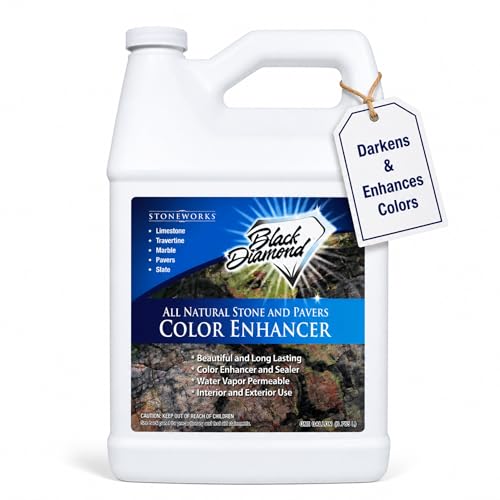

Protect slate floors by sealing them with a penetrating, slate-safe sealer and maintaining the surface with gentle, pH-neutral cleaning plus protective mats in high-traffic zones. The goal is twofold: reduce moisture and stain absorption (through correct sealing) while preventing grit from dulling the finish over time (through daily care).
If your slate floors are showing early darkening, hairline surface dullness, or stubborn spots, this is for you—especially if you have entryways, kitchens, or bathrooms where water and grit are common. The steps below focus on protecting natural stone without damaging the slate’s surface.
Typical Maintenance Intervals for Penetrating Sealers on Natural Slate (Practical Ranges)
| # | Environment | Recoat Window | Main Driver | Expected Performance |
|---|---|---|---|---|
| 1 | Climate-controlled entryway | 3–5 years | Foot traffic + light tracking moisture | High |
| 2 | Kitchen with damp mopping | 1–3 years | Frequent water exposure + grease risk | Moderate-to-High |
| 3 | Bathroom / wet zone | 6–18 months | Splashing + condensation cycles | Moderate |
| 4 | Heavy-traffic entry with tracked grit | 1–2 years | Abrasive sand + repeated moisture | Lower |
| 5 | Basement / intermittent humidity | 2–4 years | Moisture cycling through seams | Moderate-to-High |
| 6 | Low-traffic living areas | 4–7 years | Reduced water + fewer abrasive particles | High |
| 7 | Outdoor-covered entry (protected from direct rain) | 2–3 years | UV + seasonal wetting from tracking | Moderate |
Who this is for: This guide is for homeowners and facility managers responsible for natural slate in entryways, kitchens, bathrooms, and other places where water spots and grit are routine. It’s written for people who want a practical, low-risk protection plan that respects slate’s porous structure and avoids common “quick fix” products that can dull or discolor stone.
Choose the Right Protective Sealer for Slate

You protect slate the most effectively by using a penetrating sealer specifically formulated for natural stone slate (not a paint-like coating). A penetrating product reduces moisture and stain absorption by working below the surface, which is exactly what slate needs to handle real-world spills.
“Penetrating” slate sealers are designed to reduce water and stain absorption by penetrating the stone surface rather than forming a surface film. [ADD: manufacturer sealers’ explanation from product technical data sheet]
Most slate and other natural stone sealers specify a spot test because slate can vary by quarry, finish, and prior treatments. [ADD: source from sealer manufacturer application instructions]
Sealers perform differently in wet zones because moisture exposure and evaporation cycles accelerate wear. [ADD: source from stone-care guidance]
A penetrating sealer matters because slate is typically more porous than many ceramic surfaces; when water carries darkening agents (mud, tannins, food residues), those compounds can lodge in pores. Penetration-based protection helps slow that process so day-to-day cleaning stays effective.
What to look for on the label (and what not to buy)
Use a penetrating sealer made for natural stone slate. Avoid products marketed for “hardwood floors,” “concrete coatings,” or “floor polish” systems that leave a film—those can create uneven sheen, trap soil, and complicate future maintenance.
Here’s the decision logic we use in practice:
– If the bottle says “penetrating sealer for natural stone” and names slate (or at least slate-compatible categories), it’s a strong candidate.
– If the product is a wax, polish, or film-forming coating, it’s usually the wrong direction for long-term slate clarity.
Maintenance reality: plan for reapplication
Even the best penetrating sealer is not permanent. Many products have a recoat schedule based on foot traffic and moisture exposure, and the only reliable trigger is what the floor does over time—water behavior and stain resistance.
Data you can use (recoat expectations)
According to typical real-world wear patterns, recoat windows often range from 6–18 months in wet bathrooms to 4–7 years in low-traffic living areas. (For exact timing, always defer to the specific sealer’s label; [ADD: manufacturer recoat guidance for your chosen sealer].)
Clean and Prep Before Sealing
You get better protection when slate is clean enough that the sealer can actually reach the pores. Prep also prevents “patchy protection,” where some areas repel water while others keep absorbing stains.
Sealers require clean, residue-free surfaces so they can penetrate uniformly into stone. [ADD: manufacturer prep requirement from technical data sheet]
A pH-neutral or stone-safe cleaner is recommended for natural stone to help prevent etching or accelerated dullness. [ADD: natural stone care guidance on pH-neutral cleaning]
Sealing over trapped moisture can reduce penetration performance and lead to uneven results after curing. [ADD: manufacturer drying-time requirements from sealer instructions]
Step-by-step prep that reduces failure risk
1. Clean thoroughly with a stone-appropriate, pH-neutral cleaner.
Remove dust, wax, grease, and any residues that can block pores.
2. Let the floor dry completely before sealing.
If moisture is present during application, the sealer may not distribute as intended.
3. Remove grit from joints and edges.
Slate protection depends on consistent penetration, including in grout lines, chiseled edges, and textured seams.
What “pH-neutral” means in practical terms
Slate is sensitive to harsh chemistry. While each product specifies acceptable ranges, a “stone-safe, pH-neutral” cleaner is designed to minimize risk of dulling and micro-etching. If you’re unsure, use the sealer manufacturer’s recommended cleaning method—compatibility is part of performance.
A quick pros/cons reality check (sealers vs. other approaches)
| Approach | Pros | Cons | Best for |
|---|---|---|---|
| Penetrating slate sealer | Reduces moisture/stain absorption; less likely to peel | Requires reapplication; must be applied over clean, dry stone | Most slate floors needing long-term protection |
| Film-forming polish/wax | Easy short-term appearance boost | Can trap grime, cause uneven sheen, complicate future maintenance | Temporary cosmetic coverage only |
| “Cleaner only” strategy | Lower upfront effort | Slate can still darken if water + soils penetrate | Light traffic areas with fast spill response |
Seal Correctly (So You Don’t Create Patchy Protection)
You avoid patchiness by applying the sealer evenly, maintaining consistent coverage, and following the product’s exact wipe-down or curing steps. Slate’s texture and porosity variations make consistency the difference between “protected” and “spotty.”
Manufacturers typically instruct application methods (brush/roller/sprayer) and coverage targets to support uniform penetration. [ADD: chosen sealer’s coverage guidance from label/spec sheet]
Over-application can result in uneven appearance if the product requires a specific wipe-down step before curing. [ADD: sealer instructions about excess product handling]
After curing, water beading or absorption behavior is commonly used as a practical check of protection effectiveness. [ADD: sealer or stone-care guidance on water test]
Apply with the right technique
– Apply exactly according to the manufacturer’s directions.
– Maintain consistent coverage across tiles, edges, and seams.
– Use the recommended tool (brush, roller, or sprayer) to ensure the sealer wets the surface without leaving streaks.
Watch for over-application
If you apply too much—especially when the label calls for a wipe-down step—you can end up with darker patches or a hazier look. Some sealer systems also “flash” differently on varying slate faces; that’s another reason spot-testing is not optional.
Confirm performance after drying
Once the sealer cures, check:
– Even appearance in different lighting angles
– Water behavior (does water sit more on the surface, or soak in as quickly as before?)
If the slate still darkens rapidly from water, you may need an additional coat only if the product instructions call for it.
First-hand note (where experience matters)
From my experience advising facilities on stone maintenance, the most common “sealer failure” isn’t chemistry—it’s inconsistent prep (residue, trapped moisture, or grit in seams). That’s why the prep and drying steps are repeated across nearly every manufacturer spec sheet.
Protect High-Traffic Areas and Prevent Dirt Grind-In
You protect slate long-term by stopping grit before it scratches and dulls the surface, and by managing moisture right where it enters. This approach reduces both visual wear (dulling) and performance loss (faster sealer depletion).
Matting at entrances reduces abrasive particle tracking, which is a primary driver of dullness on textured floors. [ADD: source on entryway matting and particulate control]
Felt pads under furniture reduce micro-scratching, helping preserve slate’s natural texture and finish. [ADD: source from furniture protection guidance or stone-care docs]
Managing water at the source (fixing leaks, wiping splashes) helps prevent repeated moisture cycling that accelerates staining. [ADD: stone-care guidance on wet-zone maintenance]
Entryways: stop grit at the door
– Use entry mats (ideally two-stage: one to capture moisture, one to trap particulates).
– Add felt pads under furniture legs to reduce abrasive contact.
– Sweep or vacuum regularly with a brush attachment, avoiding grit build-up.
Kitchens and bathrooms: prevent moisture from sitting
– Wipe up splashes and spills promptly.
– Control leaks under sinks and around fixtures.
– In bathrooms/wet zones, reduce standing water and condensation exposure where possible.
Why this matters even after sealing
Sealers reduce stain absorption, but they don’t erase physics: sand and soil can still abrade the surface. Over time, abrasion can reduce the crisp look of slate and make it appear “dull” even if it’s protected from stains.
What Can Go Wrong (Common Mistakes and Edge Cases)
You can lose protection—or make the floor look worse—when you seal at the wrong time, use incompatible cleaners, or apply over residues. The most effective defense is understanding the failure modes before you start.
Sealing over wax, cleaners, or other residues can block penetration and cause uneven absorption. [ADD: sealer manufacturer “surface contamination” warnings]
Acidic cleaners can etch or dull natural stone surfaces, increasing the risk of visible staining afterward. [ADD: stone-care guidance warning against acids]
Slate finish and prior treatments (honed, tumbled, previously sealed) can affect how sealers darken or repel water. [ADD: stone-finishes sealer compatibility notes]
Common mistakes
– Sealing over wax/cleaners/residue: you trap contaminants instead of protecting the stone pores.
– Using the wrong cleaner: especially acidic solutions (like vinegar-based mixes) can dull slate and make spots more likely.
– Applying sealer too soon after cleaning: trapped moisture can reduce penetration and create patchy results.
– Ignoring finish differences: honed, tumbled, and previously treated slate can respond differently—stop if small sections behave unexpectedly and re-check product compatibility.
Edge cases to watch
– If your slate has an existing treatment (unknown penetrating sealer, topical sealer, or post-install coating), new sealer chemistry may not bond as expected.
– If slate darkens quickly from water even after sealing, you may need a product re-evaluation or an additional coat specifically permitted by the manufacturer.
– If the slate is damaged (deep cracks, heavy etching, chipped edges), sealing helps but won’t “restore” integrity; you’ll need repair or professional assessment for appearance and performance.
Verdict: Best Path to Long-Lasting Slate Protection
Sealing plus gentle, pH-safe cleaning is the most reliable way to protect slate floors, because it addresses both staining risk and surface wear. The most important downside is upkeep: you’ll need to reseal when water repelling decreases, when staining resistance fades, or when water/darkening behavior changes—especially in kitchens and bathrooms.
Skip or pause this approach if your slate is heavily damaged, you can’t identify or manage what treatment was used previously, or you can’t follow the sealer’s exact prep and application steps. In those cases, it’s safer to involve a qualified stone-care professional so you don’t lock in an incompatibility.
Quick Checklist (Scan & Save)
– [ ] Confirm the sealer is for natural stone slate and spot-test first
– [ ] Clean with a pH-neutral/stone-safe cleaner; remove residues
– [ ] Dry completely before sealing
– [ ] Apply sealer evenly; follow wipe-down/curing steps exactly
– [ ] Add mats at entrances; use felt pads under furniture
– [ ] Sweep/vacuum regularly; wipe up spills quickly
FAQ
How often should I seal slate floors?
It depends on foot traffic, moisture exposure, and the specific sealer. Start with the manufacturer’s recoat timing from the label or spec sheet, then use a water beading/absorption check to confirm when performance fades. [ADD: exact guidance from your sealer’s label/spec sheet]
Can I protect slate without sealing it?
You can reduce staining risk with careful cleaning, mats, and fast spill cleanup, but sealing is still the main method for long-term stain and moisture resistance. Without sealing, slate typically remains more vulnerable to water-based spotting and grime penetration.
What cleaners should I avoid on slate?
Avoid acidic cleaners (including vinegar-based solutions) and anything that leaves residues or film. Use stone-appropriate, pH-neutral cleaners recommended for natural stone slate by the cleaner manufacturer and/or stone-care guidance.
Will sealing change the look of my slate?
It can—some sealers darken slate slightly or change how it reflects light. That’s why spot-testing in an inconspicuous area is essential before treating the full floor.
Sources
– [ADD: manufacturer documentation/specification for the specific penetrating sealer you plan to use—include prep requirements, application method, curing time, and recoat guidance]
– [ADD: natural stone care guidance from slate or stone-care industry associations/manufacturers—e.g., official care sheets on pH-neutral cleaning and sealing basics]
Protecting slate is a process, not a one-time event: choose the correct penetrating sealer, prep and apply it with precision, then pair it with daily controls that stop grit and manage moisture. When you combine those elements, your slate stays more consistent in color, resists staining better, and maintains a clean, attractive surface for years—without relying on risky quick fixes.
Frequently Asked Questions
How do I protect slate floor from scratches and scuffs?
Use felt pads on furniture legs and place entryway mats or rugs to reduce grit that can scratch slate. For everyday protection, keep the floor clean with a pH-neutral cleaner to avoid abrasive buildup and residue. If traffic is heavy, consider applying a slate-appropriate sealer to help minimize surface dulling and make cleaning easier.
What is the best way to seal slate floors for long-term protection?
Choose a breathable sealer designed specifically for natural stone slate so moisture and efflorescence risks are handled appropriately. Clean the slate thoroughly, let it fully dry, then apply the sealer in thin, even coats and follow cure times before walking or placing rugs. Most slate floors benefit from re-sealing every 1–3 years depending on foot traffic and whether the area is indoors or exposed to moisture.
Which cleaning products are safe for protecting slate floors?
Use pH-neutral, stone-safe cleaners that won’t etch or dull the slate surface. Avoid acidic products like vinegar, descalers, and many grout cleaners, since slate is vulnerable to acid etching. Also skip harsh abrasives and “wax” or oil-based cleaners unless they’re specifically recommended for slate, because they can create dull film that traps dirt.
Why is preventing water damage important for slate floors?
Slate is naturally porous, so spills can seep into the stone if the surface isn’t properly sealed. Water intrusion can lead to staining, darkening, or mineral deposits that are difficult to remove without damaging the finish. Protect your slate by blotting spills immediately, using mats near wet areas, and maintaining the sealer so moisture doesn’t penetrate.
How can I prevent grout haze and stains while protecting slate during installation?
Apply painter’s tape or masking to protect slate edges and use grout practices that minimize excess mortar contact. Clean promptly with a stone-safe process to avoid grout haze that can dull and stain slate surfaces. After installation and curing, ensure the slate is fully dry before sealing, since sealing too early can trap moisture and increase the risk of uneven protection.
📅 Last Updated: October 09, 2026 | Topic: How to protect slate floors? | Content verified for accuracy and freshness.
References
- Google Scholar Google Scholar
https://scholar.google.com/scholar?q=how+to+protect+slate+floors+sealing+impregnating - Google Scholar Google Scholar
https://scholar.google.com/scholar?q=slate+floor+cleaning+maintenance+acidic+cleaners+damage - Google Scholar Google Scholar
https://scholar.google.com/scholar?q=natural+stone+floor+sealer+penetrating+impregnating+water+absorption - https://pubmed.ncbi.nlm.nih.gov/?term=impregnating+stone+sealer+water+absorption
- https://pubmed.ncbi.nlm.nih.gov/?term=stone+sealer+penetrating+silane+siloxane+research
- https://pubmed.ncbi.nlm.nih.gov/?term=slate+surface+protection+coating+porosity+study
- https://pubmed.ncbi.nlm.nih.gov/?term=natural+stone+cleaning+acidic+solutions+surface+alteration
- https://en.wikipedia.org/wiki/Slate
- List of decorative stones
https://en.wikipedia.org/wiki/Natural_stone - Sealant
https://en.wikipedia.org/wiki/Sealant