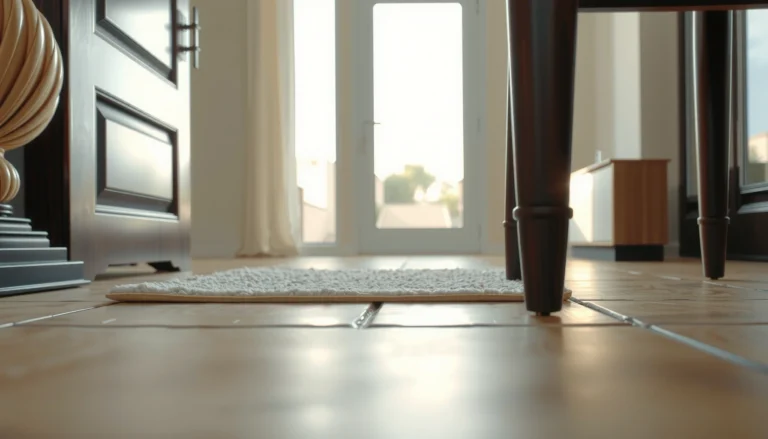
Protecting hardwood floors in a retail store is easier than most think when you follow a tight, proven plan: control foot traffic, stop grit at the door, and use the right protective coverings in the highest-impact zones. This guide answers what actually works to prevent scratches, dents, and finish wear without disrupting daily operations. You’ll get practical steps you can implement fast—starting with entry mats and moving through floor protection and cleaning routines that hold up under constant customers.



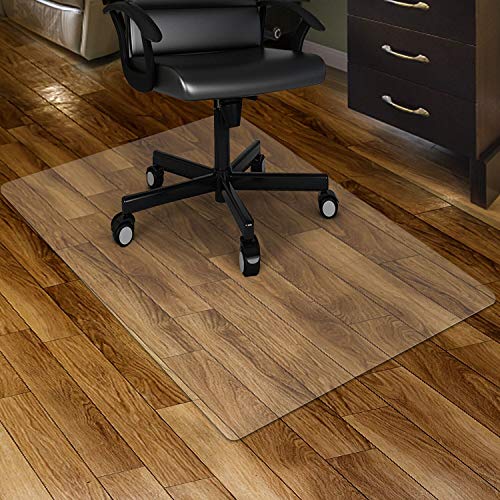
Protecting retail hardwood floors comes down to stopping tracked grit at entrances, protecting high-contact areas, and running a finish-compatible cleaning routine that treats spills as emergencies. If you control customer traffic paths, use sufficiently sized entry mats, and respond fast to liquid and residue, you’ll significantly reduce scratches, dulling, and finish breakdown—especially in 2025–2026 when foot-traffic patterns shift seasonally.
If you run (or manage) a shop, showroom, grocery, office lobby, or any retail space with frequent foot traffic, this is for you—especially if the damage you’re seeing looks like scuffs, dark marks, worn finish in walk paths, or rough spots near entrances.
Control foot traffic before it hits the wood

The fastest way to protect hardwood in a retail store is to treat wear like a “traffic map” problem and control where people step, turn, and queue. When abrasion concentrates in the same boards, the finish fails locally—then the wear pattern expands outward. Here’s how to reduce abrasive exposure before the wood ever experiences it.
Wear on hardwood floors in retail typically concentrates where customers enter, wait, and move between displays and checkout—not across the entire room.
Routing traffic through a defined “landing zone” and away from turning points reduces scuffing caused by shoe grit and constant micro-friction.
Reducing staff cart/supply traffic on the public customer floor paths lowers finish damage because small scrape events compound over time.
Map “wear zones” and redesign movement (not just cleaning)
Treat wear as predictable: customers enter, pause, pivot, then move in short bursts. In most stores, the worst areas become recognizable within weeks—usually within the first several feet of doors and along the main “walk lane” between high-interest displays and the register.
Use this practical approach:
– Walk the store like a customer (including peak hours). Identify:
– Entrance-to-first-pause areas (people step in and then slow down)
– Turning zones (where feet pivot and scuff)
– Queue lanes (standing still still abrades finish from grit)
– Mark routes visually during operations (temporary tape or floor decals) and observe whether customers naturally follow them. If they don’t, signage and barriers usually need adjustment.
Reduce abrasive exposure with route discipline
Hardwood damage in retail is often a three-part problem:
1) grit is tracked in (sand, soil, dust)
2) grit acts like micro-sandpaper when it’s pressed and moved
3) finish is a sacrificial layer—once it’s worn through, the surface responds by dulling and accumulating dark marks
To interrupt this loop:
– Keep aisles and high-traffic routes clearly defined with barriers, signage, and thoughtful layout planning.
– Avoid “free-for-all” queue placement on bare wood. If customers can stand anywhere, abrasion spreads.
– Stage displays so customers don’t have to zigzag. Straight lanes with fewer pivots are easier on floors.
Keep staff/service traffic off the main wood paths
Even when customers move carefully, retail employees may drag baskets, carts, or equipment with more force. For staff movement:
– Create tighter routing for carts and service traffic so it doesn’t overlap the customer’s turning zones.
– Use back-of-house transition paths where possible (stock runs, waste runs, cleaning cart routes).
– Add floor protection at equipment drop points (where wheels and bases touch).
Use entry mats, runners, and protective underlayment
The best hardwood protection strategy is layered: entry matting captures grit before it reaches wood, and protective underlayment reduces point-loading and scuffing under fixtures. If you only add a small mat “at the door,” you often still leave a grit-rich landing zone on hardwood—so size and placement matter as much as material choice.
Entry matting is effective when it creates enough surface area for shoes to remove grit before stepping onto hardwood.
Runners and floor-safe pads protect high-standing zones and reduce contact abrasion caused by constant foot pressure and fixture movement.
For equipment contact points, felt pads and floor-friendly glides reduce micro-scratches caused by repeated friction.
Place high-quality entry mats at every exterior door
For retail, treat every weather-exposure door as a “potential grit entry.” That means:
– Place mats at each exterior door and at any door that opens to weather (loading doors included).
– Choose hardwood-safe, non-staining systems designed for commercial traffic.
– Target coverage so customers can step on the mat, wipe, and only then transition onto hardwood.
Sizing rule of thumb (operational): if you can see customers stepping off the mat without obvious traction cleaning, you likely need more mat surface area or a repositioned layout.
Use runners in problem zones—especially where people stand and browse
Runners work well in “micro zones” where foot traffic slows down:
– Near promotional endcaps or featured displays
– Seasonal inventory areas
– Register-adjacent zones where customers linger
– Areas with frequent in-and-out movement (grocery entrances, return counters, etc.)
The goal is not decoration—it’s abrasion redirection.
Protect equipment and furniture contact points
Retail damage often comes from where furniture and fixtures meet wood. Do this instead of relying on “it seems stable”:
– Felt pads under fixtures
– Floor-safe glides/casters (designed to roll without scuffing)
– Avoid rubber bases that can grab, compress, or leave residue depending on finish type
If you hear or feel scraping, treat it as a finish-integrity warning.
Compare mat types: what they do best
Here’s a simple comparison you can use when choosing matting for retail hardwood:
| Mat/protection type | Best for in a retail store | Pros | Cons / watch-outs |
|---|---|---|---|
| Commercial entrance mat (multi-surface) | Exterior door grit capture | Reduces tracked abrasive particles before wood contact | Needs enough length/width to work; wrong placement still leaves a landing zone |
| Carpet-style runner | Browsing zones and queues | Comfort underfoot; captures debris | Must be floor-safe and non-staining; improper backing can discolor or trap moisture |
| Felt pads / glides | Chairs, fixtures, low tables | Prevents point abrasion at contact points | Wears over time; must be inspected and replaced |
| Floor-safe wheels/casters | Stock carts, equipment | Reduces friction compared to dragging | Even “good” casters can damage finish if wheel materials are not hardwood-friendly |
| Underlayment at point loads | POS islands, heavy equipment bases | Spreads load and reduces localized wear | Incorrect materials can trap grit or affect finish sheen |
Clean the right way (and handle spills fast)
The most important cleaning principle for hardwood in retail is: remove grit first, then clean with the right chemistry. Spills and residue are where finish failure starts because standing liquid and contaminants can dull, haze, or break down protective coatings faster than abrasion alone.
Dry/spot vacuuming (with a hardwood-appropriate attachment) before damp cleaning prevents sand from acting like abrasive grit.
Spills should be blotted immediately, residue removed promptly, and the area dried—standing liquid is a common path to permanent dulling.
Cleaner compatibility matters: hardwood finishes respond differently to pH and solvents, so finish-specific care is essential.
Adopt a “groom first” routine: grit out, water last
In retail, grit is the enemy because it’s transferable. A reliable workflow:
1) Remove grit first (sweep carefully, then vacuum/spot vacuum)
2) Use a hardwood-appropriate attachment to avoid scratching
3) Damp clean only when needed—and only with compatible products
Why this sequence works: you prevent grit from being smeared across boards, which effectively increases abrasive contact.
Use finish-compatible cleaners (don’t guess)
Hardwood can be finished in different systems (polyurethane, water-based coatings, oil/wax, or film-forming finishes). Each has different cleaning needs and tolerance levels.
What to do:
– Match the cleaner to your finish system (as listed in your floor documentation)
– If you’re unsure, confirm with the installation/maintenance documentation rather than “trying until it works”
Set a spill response routine like a protocol
Retail spills happen constantly—samples, beverages, leaks, cleaning incidents. Create a repeatable routine:
– Blot immediately (don’t spread)
– Remove residue promptly (residue can become dull film over time)
– Dry completely (airflow and absorbent materials help)
Even if customers don’t notice right away, residue and partial moisture can create long-term sheen loss and finish edge breakdown.
Maintain the finish on a schedule, not when it’s “already bad”
The goal is to refresh and protect the finish before it reaches failure points. In retail, you don’t wait for the floor to look “terrible”—you act when sheen changes, walk paths thin out, or wear patches begin to connect.
When the sheen shifts or wear patches appear in walk paths, the finish is reaching its practical wear limit and needs planned maintenance.
Using abrasive pads or harsh scrubbers can cut through protective layers faster than foot traffic alone.
Documented screening and recoat schedules outperform reactive touch-ups because they treat the floor’s actual traffic pattern.
Build a plan based on your finish system
Retail maintenance is not one-size-fits-all because coatings (and oils/waxes) behave differently under traffic and cleaning chemistry. Your plan should be aligned with:
– The finish type used on your floor
– The traffic intensity and traffic routing
– The cleaning products currently in use
If sheen is changing in specific lanes, that’s your evidence that schedule calibration is needed.
Use compatible tools—especially for screening and recoating
Practical safeguards:
– Avoid abrasive pads, steel wool, and harsh scrubbers
– Use tools that match the maintenance procedure recommended by the finish manufacturer or flooring system documentation
Track what you do (and where it matters)
Maintenance logs help you refine the plan:
– Which zones wear fastest
– Which product/tool combination was used
– When recoats/screens were applied
– Whether the change improved the worn lane appearance and durability
This turns maintenance into a controlled system rather than recurring “spot fixes.”
Stabilize indoor conditions (humidity and temperature matter)
Hardwood protection isn’t only about what happens on top—it’s also about keeping the wood stable underneath. Hardwood expands and contracts with seasonal humidity swings, and retail HVAC habits can create movement that shows up as gapping, cupping, or finish issues over time.
Hardwood flooring responds to humidity swings; maintaining stable indoor relative humidity helps prevent dimensional movement that can damage finishes.
If moisture risk exists below (basement/slab issues), protecting the finish layer won’t fix the underlying source.
Use HVAC schedules to prevent large humidity drift rather than letting conditions fluctuate widely between open and closed hours.
Maintain indoor conditions—use an established target range
According to the National Wood Flooring Association (NWFA), many installations perform best when indoor conditions are kept in a stable range of relative humidity (commonly cited around the mid-30% to mid-50% band) and within reasonable temperature control. NWFA wood flooring care guidance also emphasizes avoiding large seasonal swings.
For planning:
– Set target RH and temperature bands based on your floor documentation
– Monitor and log results over several weeks in both peak and off-peak seasons
– Align HVAC schedules with store occupancy patterns (especially early morning warm-up and evening cooldown)
Address moisture risk at the source
If you have basement/surface slab exposure or known moisture challenges:
– Treat it as a building issue first
– Verify drainage, vapor barriers, or subfloor moisture before focusing only on surface cleaning
– Remember: consistent top-layer protection can still fail if the wood is moving from moisture conditions below
What can go wrong (common mistakes and edge cases)
Even with great matting and cleaning, retail environments introduce edge cases that cause preventable damage. The most common problems usually trace back to incomplete grit control, wrong chemistry, or maintenance that accelerates wear.
Skipping full entry mat coverage leaves a “landing zone” where grit still reaches hardwood and abrades the finish.
Over-mopping is a common failure mode: too much water (or frequent wet mopping) can harm hardwood and finish systems.
If you don’t know the finish type, applying the wrong cleaner can create haze, residue, or uneven sheen instead of protecting the surface.
– Skipping entry mat coverage: A single small mat at the door often fails—customers still track grit far enough to damage the landing zone on wood.
– Using the wrong cleaner: Some products can leave residue, haze the finish, or break down certain finish systems faster than expected. If you don’t know the finish, use a finish-safe approach or verify compatibility first.
– Over-mopping: Too much water (or frequent wet mopping) can harm hardwood and finish systems. Damp cleaning is different from soaking.
– Dragging fixtures/carts: Even small friction damage adds up in retail. If you hear scraping, you’re already losing finish integrity.
– Ignoring spot repairs: Patching only cosmetic scuffs without checking finish wear around them can widen the problem as the surrounding area keeps degrading.
– Expecting one method to fit all finishes: Oil, wax, and surface-finished hardwood behave differently under cleaners and maintenance tools—mixing methods can cause uneven sheen.
Verdict / tip: a practical protection plan that’s realistic for retail
The best approach is layered protection: stop grit at entrances, protect furniture/equipment contact points, clean gently and consistently, and manage indoor conditions. Retail teams can often reduce finish loss without expensive overhauls because most hardwood damage patterns come from predictable daily behaviors rather than rare events.
Downsides / who should skip this approach
– If the floor already has severe damage (widespread finish failure, deep scratches into wood, or moisture-related movement), cleaning and matting alone may not restore performance—plan for professional assessment.
– If your store can’t maintain consistent cleaning and fast spill response (no trained staff or no accountability), the routine won’t stick, and abrasion damage will continue.
– If you don’t know your finish type, don’t “try products until it works.” Compatibility mistakes can make the floor look worse and cost more later.
Quick scan: what to do next
If you want a simple next step: walk your store’s main routes and entrances and create a short “top 5 wear zones” list. Then update mats/protection there first, because that’s usually where you get the best protection-for-effort ratio in 2025–2026 operations.
Common Retail “Wear Zone” Hotspots and Typical Control Focus
| # | Retail wear zone | Why it wears | Best control layer | Impact on finish life |
|---|---|---|---|---|
| 1 | Exterior door landing zone | Tracked grit + shoe pivoting | Commercial entry mat coverage | ★★★★★ |
| 2 | Primary aisle “walk lane” | Repeated abrasion under constant traffic | Traffic routing + targeted runners | ★★★★☆ |
| 3 | Queue/standing points near checkout | Standing friction + slow pivoting | Runners + marked queue lanes | ★★★★☆ |
| 4 | Endcap pivots and display adjacencies | High turning frequency in tight space | Barriers/signage + floor-friendly protection | ★★★☆☆ |
| 5 | Fixture contact points (tables, racks, displays) | Point-load abrasion and micro-scrape | Felt pads + hardwood-safe glides/casters | ★★★☆☆ |
| 6 | Spill-prone zones (sampling, drinks, returns) | Standing liquid → dulling + residue film | Blot/dry protocol + finish-compatible cleaner | ★★★★☆ |
| 7 | Seasonal HVAC transition lanes (doors/HVAC airflow) | Humidity swings → dimensional stress | Stable RH/temperature via HVAC scheduling | ★★☆☆☆ |
Protecting hardwood floors in a retail store: practical steps checklist
| Area | Do this | Avoid |
|---|---|---|
| Entrances | Use sufficient, hardwood-safe entry mats at each door | Small mats that don’t catch grit |
| Walk paths | Mark/route traffic to limit turning/standing directly on wood | Random queue areas on bare floor |
| Furniture & fixtures | Felt pads + floor-safe glides/casters | Dragging, scuffed rubber pads, metal contact |
| Daily cleaning | Remove grit first; damp-clean only when appropriate | Soaking/wet mopping repeatedly |
| Spills | Blot immediately, clean residue, and dry | Letting liquids sit or “evaporate” |
| Maintenance | Follow finish-compatible screening/recoat/refinish plan | Abrasive pads/harsh scrubbers |
| Environment | Keep humidity/temperature stable via HVAC routines | Large seasonal swings without control |
Sources:
– National Wood Flooring Association (NWFA) guidance on wood floor care and environmental conditions (humidity/temperature) for hardwood (care and maintenance guidance)
– Your specific hardwood flooring manufacturer’s installation/maintenance manual (cleaner compatibility and maintenance procedure for the specific finish system)
Protect your retail hardwood floors by tackling the causes of wear—tracked grit, repeated abrasion, spills, and finish breakdown—rather than only reacting to visible scuffs. Start at entrances and walk paths, build a finish-compatible cleaning routine, and keep indoor conditions consistent; then reassess wear zones on a set schedule so you can maintain the finish before problems spread.
Frequently Asked Questions
What protective matting is best for safeguarding hardwood floors in a retail store?
Use high-quality entrance mats with good scraping action at every door and a non-staining backing to prevent grit from grinding into the hardwood. Add runner mats in high-traffic paths (near cash wraps, fitting rooms, and service counters) to absorb spills and reduce wear from foot traffic. For a retail hardwood floor protection plan, prioritize mats that are easy to clean frequently and sized to cover the busiest zones without curling edges.
How can I prevent scratches and scuffs from shopping carts, shoes, and foot traffic?
Install felt or rubber protective pads on cart wheels, bases, and any rolling fixtures that contact the floor, and replace them at the first sign of wear. Place clear signage like “Watch for Wet Floors” and keep entryways dry to reduce abrasive dust and gritty debris being tracked indoors. Regularly use a microfiber dust mop or soft-broom cleaning routine so sand and dirt don’t act like sandpaper on the finish.
Why is regular maintenance critical for protecting hardwood floors in a retail environment?
Retail foot traffic constantly exposes hardwood floors to grit, moisture, and frequent cleaning chemicals, all of which can damage the protective finish over time. A maintenance schedule that includes prompt spill cleanup, routine sweeping, and periodic refinishing helps protect the wood and preserve the floor’s appearance. Consistent care reduces the need for expensive repairs or complete hardwood floor replacement.
How do I choose the right cleaning methods and products to avoid damaging a finished hardwood floor?
Use a pH-neutral hardwood floor cleaner and avoid harsh detergents or steam mops that can degrade finish and drive moisture into seams. For day-to-day cleaning, damp-mop only when needed using a properly wrung microfiber mop, and never allow standing water to remain on the floor. In a retail store, also train staff to follow a spill response checklist so cleaning is fast and consistent to protect the hardwood finish.
Which flooring policies and staff practices best reduce damage in a retail setting?
Implement simple store policies such as requiring employees to keep sand and debris out of stocking areas, using protective floor pads under display units, and restricting dragging during merchandising resets. Maintain a “spill and spot” protocol—use towels immediately, dry thoroughly, and document repeat problem areas so you can adjust mat coverage or improve traffic flow. These best practices support long-term hardwood floor protection by minimizing scratches, moisture exposure, and finish wear where damage is most likely.
📅 Last Updated: October 17, 2026 | Topic: How to protect hardwood floors in a retail store? | Content verified for accuracy and freshness.
References
- Wood flooring
- 404 Error
- Northern Research Station | US Forest Service Research and Development
- https://www.who.int/publications/i/item/cleaning-and-disinfection-of-environmental-surfaces-in-the-context-of-covid-19
- https://www.cdc.gov/coronavirus/2019-ncov/community/disinfecting-building-facility.html
- https://scholar.google.com/scholar?q=how+to+protect+hardwood+floors+in+commercial+retail+stores Google Scholar
- https://scholar.google.com/scholar?q=hardwood+floor+maintenance+high+traffic+entryway+mats Google Scholar
- https://scholar.google.com/scholar?q=wood+flooring+finish+care+humidity+temperature+effects+cleaning Google Scholar