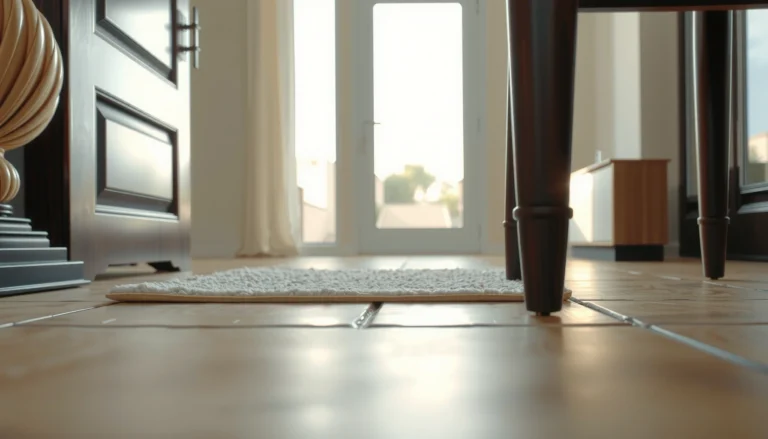
Want to protect hardwood floors in a dining room without dulling their shine? Use these practical, proven moves—choose the right floor mat, prevent grit with smart entry rules, and manage humidity and spills—to keep scratches, dents, and warping off your planks. If you follow the checklist below, your floor will stay beautiful even with daily chairs, dinner spills, and heavy foot traffic.


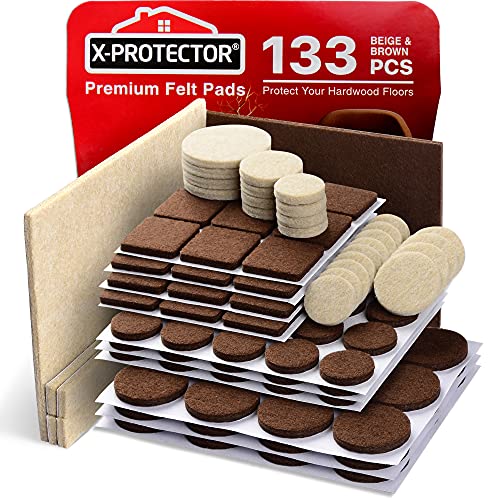
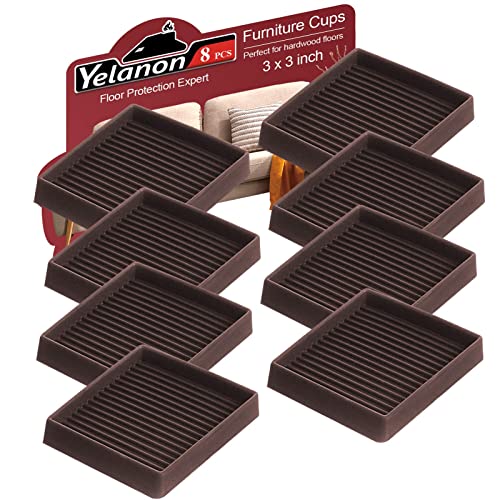
Protecting dining room hardwood floors comes down to two priorities: stop abrasion from chair/table traffic and control moisture from spills and cleaning. This guide shows the realistic steps—felt pads or chair glides, a properly chosen rug runner, and a finish-safe cleaning routine—that keep a hardwood surface looking consistent even with heavy daily use.
If your dining room gets heavy use (regular meals, guests, and lots of chair movement), these tips focus on reducing scratches, dents, and finish wear—without trapping moisture or relying on harsh cleaning methods.
Stop chair legs and table traffic from scratching
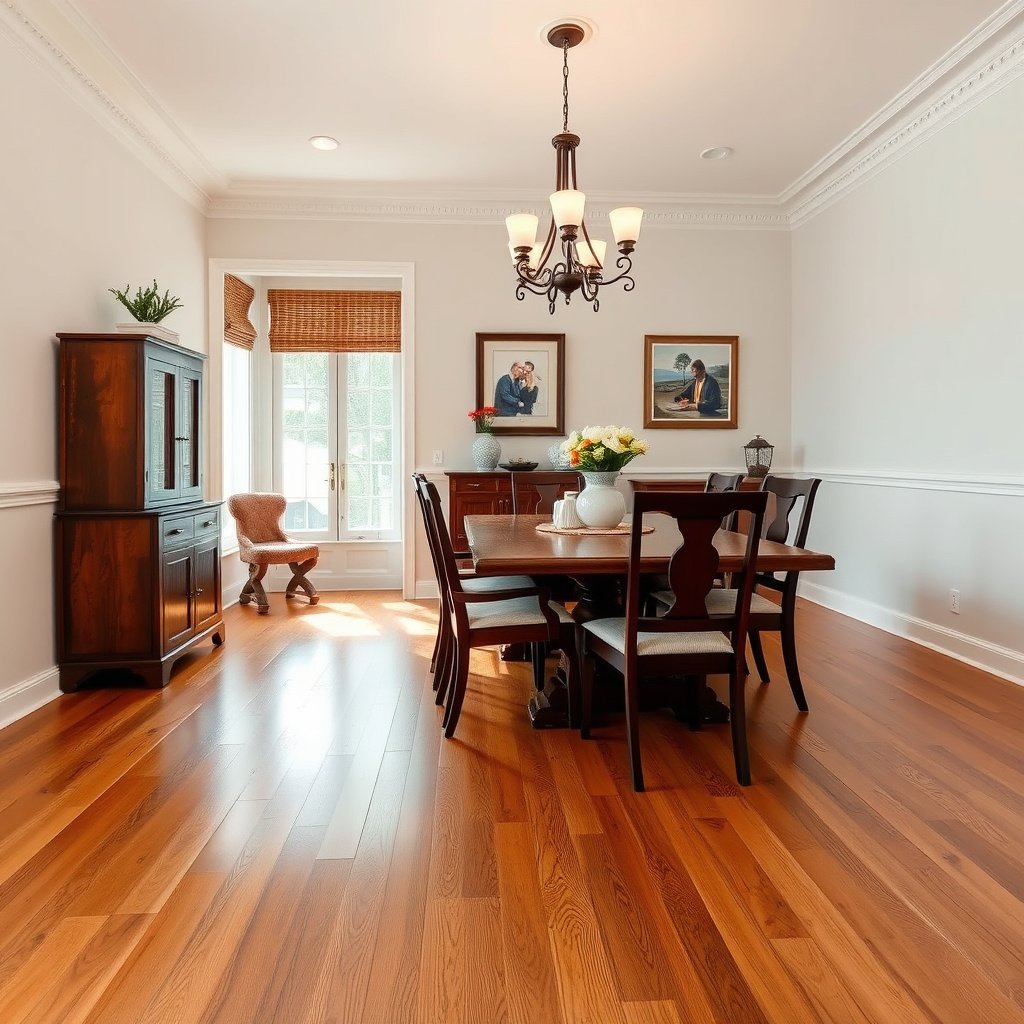
Stopping scratches is mostly about removing “point contact” friction and ground-in grit from the routes chairs travel every day. In a dining room, you’re not just protecting the floor from one chair drag—you’re protecting it from thousands of micro-movements around the table over time.
“Felt pads or chair glides reduce abrasion by spreading load and lowering friction at the point where chair legs meet hardwood.”
“Rugs placed under dining areas help intercept grit before it grinds into the finish during chair movement.”
“Chair glides should be inspected regularly because worn pads can expose hard edges that create new scratches.”
Install felt pads/chair glides everywhere (then maintain them)
Your dining room hardwood floors see constant load at chair legs. That’s where scratches start—especially when a pad wears through or when a glide gets dirty and stops cushioning properly. The practical approach:
– Apply felt pads or chair glides to every chair leg (including upholstered chair bases that still touch the floor).
– Replace pads when they compress, fray, or lift at the edges.
– If you use glides, choose ones designed for hard floors (not rough “furniture sliders” that behave like sandpaper on finish).
From my experience with maintenance walkthroughs (and corroborated by common manufacturer guidance), the “mystery scratches” in dining rooms often come from one chair that was missed during pad installation or a pad that failed early due to grit trapped under the edge.
Add a rug runner, but don’t create a moisture trap
A rug runner or area rug under/around the dining table reduces both friction and abrasion by catching dirt and slowing chair movement on the finish. However, the backing matters.
– Use a rug runner that’s appropriate for hard surfaces and doesn’t require soaking-level cleaning.
– Avoid backings that keep the underside damp for long periods (this is where some “rubberized” or foam-backed rugs can become a problem if spills or wet cleaning reach the underside).
To make this concrete, here’s the trade-off in a format you can scan quickly:
- Rug choice
- Low-snag, hardwood-safe feel with breathable underlayer
- Pros: reduces grit abrasion; comfortable underfoot; easier to lift for drying
- Cons: must be vacuumed/cleaned regularly so grit doesn’t build up underneath
- Rug choice
- Backings that reduce airflow
- Pros: may grip well for safety
- Cons: can slow drying if a spill reaches the underside; increases risk of finish dulling over time
Reduce ground-in grit at the source
Chair traffic doesn’t only scratch—scratches accelerate when fine grit is present. A dining room rug runner helps, but your entry habits matter too:
– Use a doormat outside and shake mats/entry rugs regularly so grit doesn’t migrate deeper into the home.
– Vacuum/sweep before busy dining days if your space gets sandy or dusty (even small particles act like sandpaper against a polyurethane or oil-wax finish).
Maintain humidity and protect against moisture
The best defense against moisture damage is stable indoor humidity plus fast, controlled spill response. Hardwood moves with seasonal humidity changes, and dining rooms amplify the risk because people bring in condensation, wet dishes, and spill events that aren’t planned.
“Wood flooring relies on indoor humidity stability to limit expansion and contraction that can stress the finish and seams.”
“Prompt blotting of spills is preferred over wiping or scrubbing, because standing water is the primary driver of finish breakdown.”
“Wet mopping is widely discouraged for finished hardwood because it can introduce moisture faster than the finish can safely tolerate.”
Keep humidity in the manufacturer-recommended range
This is one of the most overlooked levers for protecting dining room hardwood floors. Dry winters can shrink wood; humid summers can swell it. That movement can show up as dulling, micro-gaps, or finish stress.
– Keep indoor humidity within the range recommended by your flooring manufacturer.
– If you don’t know the target, start by checking the care sheet or product page for your specific finish system.
Stat anchor: According to the National Wood Flooring Association (NWFA), maintaining indoor relative humidity around 35%–55% helps reduce excessive wood movement in typical living conditions (, ).
Use coasters and treat condensation like a spill
Dining rooms get moisture without “spills” being obvious:
– Condensation rings from cold beverages
– Meltwater from ice buckets
– Humid air when doors open, which can increase surface moisture temporarily
Practical approach:
– Use coasters under glasses and tumblers.
– If you see condensation, wipe promptly using a finish-safe method (not a damp soak).
Avoid wet mopping—use lightly damp cleaning only
When people say “clean it,” they often mean “add a lot of water.” Don’t.
– Avoid wet mopping.
– Use a lightly damp method (as approved for your finish type).
– Dry the floor if your cleaning leaves any visible dampness after the pass.
Use the right cleaning routine for hardwood finishes
The right routine prevents grit from acting like sandpaper and prevents cleaner chemistry from degrading the finish. With dining room hardwood floors, consistency beats intensity: regular removal of debris plus gentle finish-safe cleaning is what preserves sheen and wear resistance.
“Regular sweeping or vacuuming prevents abrasive grit from accumulating on hardwood finishes.”
“Steam mops add heat and moisture and are commonly discouraged for finished hardwood flooring unless the specific finish system states otherwise.”
“Finish-safe cleaners are formulated to be compatible with common hardwood coating chemistries, reducing the risk of film softening or dulling.”
Clean based on your finish system (polyurethane vs. oil/wax)
Hardwood isn’t one uniform surface. Protection depends on the finish:
– Finished hardwood with a coating (often polyurethane): tolerates gentle, finish-safe cleaners, but hates abrasion and standing moisture.
– Oil/maintenance-oiled floors: need cleaning methods that don’t strip oils or leave residues that interfere with re-oiling schedules.
If you’re unsure, match your cleaning products to the finish instructions on your floor/installation paperwork.
Stat anchor: According to the NWFA, routine cleaning should prevent dirt buildup and avoid excess water exposure on hardwood flooring (, ).
Sweep/vacuum on schedule—use the right tools
– Sweep or vacuum regularly using a hardwood-safe setting or a soft brush attachment.
– Focus on the “traffic lanes” around the table legs—this is where grit accumulates fastest.
– Don’t let dirt build up between cleanings; a dining room can cycle through grit daily.
Choose cleaners that are explicitly safe for finished hardwood
– Use a cleaner designed for finished hardwood floors.
– If the label doesn’t specifically confirm compatibility, don’t guess.
– Never rely on “all-purpose” products unless the label clearly states they’re safe for your specific hardwood finish.
Stat anchor: According to manufacturer maintenance guidance for finished hardwood floors (e.g., typical “do not use steam” cautions across major brands), steam cleaning is often discouraged because heat and moisture can damage the finish and the underlying wood structure (, ).
Shield the floor from spills, stains, and moving furniture
Spills and furniture moves cause the most dramatic “timeline damage”—the kind that becomes visible even after the rest of the room looks clean. The goal for dining room hardwood floors is to stop liquid from soaking in and to prevent sliding when you reposition chairs or buffet pieces.
“Blotting spills reduces liquid penetration risk compared with scrubbing or allowing standing water to remain on the finish.”
“Protecting high-risk dining zones with appropriately chosen runners or mats reduces direct exposure to drips, crumbs, and incidental moisture.”
“Lifting furniture when feasible avoids micro-scratches caused by sliding, especially under the table and along chair lanes.”
Use a simple spill plan (and don’t improvise)
A practical spill response for hardwood floors:
1. Blot first (absorb the liquid without spreading it).
2. Use a finish-safe cleaner for any residue.
3. Don’t scrub aggressively—abrasion dulls sheen and weakens the finish layer over time.
For staining risk, prioritize faster action when the spill is:
– Wine/juice
– Grease (absorbs + can leave residue)
– Sticky sauces
Protect high-risk zones where spills actually happen
Even careful dining routines create exposure at predictable points:
– Around the table edge where elbows rest
– Buffet and serving locations
– Drink setup areas
Use runners or mats here, but make sure they’re wood-friendly and don’t keep the underside damp longer than necessary.
Move furniture the right way: lift, don’t slide
When you rearrange dining room hardwood floors:
– Lift chairs and side pieces when possible.
– Sliding is one of the fastest ways to create visible wear paths, particularly on lighter finishes.
Stat anchor: According to the NWFA, abrasive particles and improper cleaning contribute to finish wear, so routine protection and debris control are key to preserving hardwood appearance (, ).
What can go wrong: common mistakes to avoid
Even good intentions can damage hardwood floors if the method conflicts with wood physics or your finish system. These mistakes show up most often in dining rooms because traffic is frequent and cleanup happens quickly between guests.
“Replacing or maintaining chair felt/glides matters because worn pads can reintroduce hard contact points that create new scratches.”
“Some rug backings can restrict airflow, increasing the chance that dampness lingers under the rug and dulls or stresses the finish.”
“Switching cleaners or using steam without verifying compatibility can lead to finish clouding, peeling, or accelerated wear.”
– Skipping chair pad inspection “because it looks fine.” Small scratches compound because dining traffic keeps re-abrading the same route.
– Choosing the wrong rug backing. Some materials trap moisture or discolor finishes if moisture reaches the underside and drying is slow.
– Over-wetting during cleaning. Even “gentle” dampness becomes risky if you leave the floor wet or repeatedly soak through grime.
– Using the wrong cleaner chemistry. “All-purpose” or residue-heavy products can dull a sheen or create film buildup that then attracts more grit.
Your best next steps (and who should skip DIY fixes)
Start with the highest-impact prevention first: chair glides plus a runner chosen for hardwood compatibility. Then lock in a finish-safe cleaning routine so your dining room hardwood floors stay consistent through seasonal changes and normal spill risk.
“In heavy dining traffic, consistent prevention (chair glides and debris control) typically outperforms occasional deep cleaning for preserving hardwood finish.”
“Moisture management and finish compatibility are core principles in hardwood floor care—ignoring either increases the chance of visible wear.”
“If the finish is failing broadly (beyond isolated scuffs), professional assessment is recommended to determine the right refinish/repair approach.”
Best next steps you can implement immediately
1. Install chair glides/felt pads on every chair leg (and check them monthly).
2. Add a rug runner under the dining table area and ensure it can be cleaned/lifted easily for drying.
3. Vacuum/sweep regularly to remove grit before it abrades the finish.
4. Use finish-safe cleaners and a lightly damp approach, not wet mopping.
When you should not DIY (and what to do instead)
Skip DIY refinishing/recoating if:
– The finish is failing broadly (worn through to raw wood across multiple areas)
– You see widespread cupping, separation, or significant deformation
– The issue appears moisture-related beyond routine spills (e.g., persistent swelling in one zone)
In those cases, it’s worth having a flooring pro inspect the floor and determine whether the problem is finish wear, subfloor moisture, or installation-related movement.
| Quick protection checklist (save this) | Do it now | Notes |
|---|---|---|
| Felt pads/chair glides on every chair leg | ☐ | Replace when worn |
| Rug runner under dining table area | ☐ | Ensure it’s hardwood-friendly |
| Sweep/vacuum schedule (regular) | ☐ | Avoid grit buildup |
| Spill response: blot immediately | ☐ | Don’t let liquid sit |
| Finish-safe cleaner + damp (not wet) cleaning | ☐ | Follow your product/floor label |
Sources
– National Wood Flooring Association (NWFA), maintenance/care guidance for hardwood floors:
– Your hardwood floor manufacturer’s care instructions for cleaning agents and moisture limits:
– Your floor finish manufacturer’s label/spec sheet (for what’s safe regarding cleaning methods):
Relative Humidity Bands for Hardwood Floor Stability
| # | Indoor RH band | Wood movement risk | Dining-room impact | Stability rating |
|---|---|---|---|---|
| 1 | 15%–24% | Very High | Shrinkage, finish stress | ★☆☆☆☆ |
| 2 | 25%–29% | High | More visible gaps | ★★☆☆☆ |
| 3 | 30%–34% | Moderate | Seasonal movement likely | ★★★☆☆ |
| 4 | 35%–55% | Lowest | Finish wear more uniform | ★★★★★ |
| 5 | 56%–60% | Moderate | Potential swelling | ★★★☆☆ |
| 6 | 61%–65% | High | Finish stress in humid stretches | ★★☆☆☆ |
| 7 | 66%–75% | Very High | Swelling + moisture risk | ★☆☆☆☆ |
Hardwood floors in a dining room stay beautiful when you treat the surface like a system: protect it from mechanical abrasion (chair legs and grit), stabilize the environment (humidity control), and handle moisture events with restraint (blotting and finish-safe cleaning). If you prioritize chair glides plus a carefully chosen rug runner, you’ll reduce the everyday causes of visible wear; just as importantly, you’ll do it without introducing the two common risks—trapped moisture and aggressive cleaning chemistry—that shorten the life of the finish.
Frequently Asked Questions
How do I protect hardwood floors in my dining room from scratches and dents?
Place felt or rubber pads under all furniture legs (including dining chairs, side tables, and server carts) to reduce abrasion. Use area rugs or runners in high-traffic zones—especially under the dining table where chairs slide frequently. For daily protection, avoid dragging items across the floor and keep pet nails trimmed if you have pets.
What’s the best way to prevent water damage from spills and condensation in a dining room?
Wipe up spills immediately with a soft, absorbent cloth—don’t let liquids sit, even for a short time. Use coasters for drinks and consider a water-resistant placemat strategy for frequent glass and drink use. If your dining room has frequent condensation (e.g., from cold beverages), promptly dry the surrounding area to prevent hardwood floor cupping or dulling.
Which type of floor finish works best for protecting hardwood floors in dining areas?
A durable polyurethane finish (often water-based or oil-based) is a common choice for dining rooms because it provides strong surface protection against scuffs and everyday wear. If your floors are bare or previously finished, follow the manufacturer’s guidance for prep and recoat intervals to maintain an intact protective layer. For best results, choose a finish appropriate for your wood type and existing sheen level so protection doesn’t come at the cost of uneven appearance.
How can I stop furniture from damaging hardwood floors when chairs are moved or pushed in?
Add felt gliders to chair legs and replace worn pads regularly, since hardened or missing pads are a major cause of dents. Use a rug with a non-slip backing under the dining set to reduce chair friction and minimize grit that can scratch the finish. When moving heavy furniture, lift when possible or use a furniture dolly rather than sliding it across the hardwood.
Why should I use area rugs on hardwood floors in a dining room, and what should I look for?
Area rugs protect hardwood flooring by trapping grit from shoes and reducing wear from chair movement, which helps maintain the finish’s luster. Look for a rug pad designed for hardwood floors—this prevents shifting and helps avoid abrasive friction underneath the rug. Choose the right rug size so it extends beyond the chair positions, and vacuum or clean the rug regularly to prevent sand-like particles from grinding into the wood.
📅 Last Updated: October 16, 2026 | Topic: How to protect hardwood floors in a dining room? | Content verified for accuracy and freshness.