
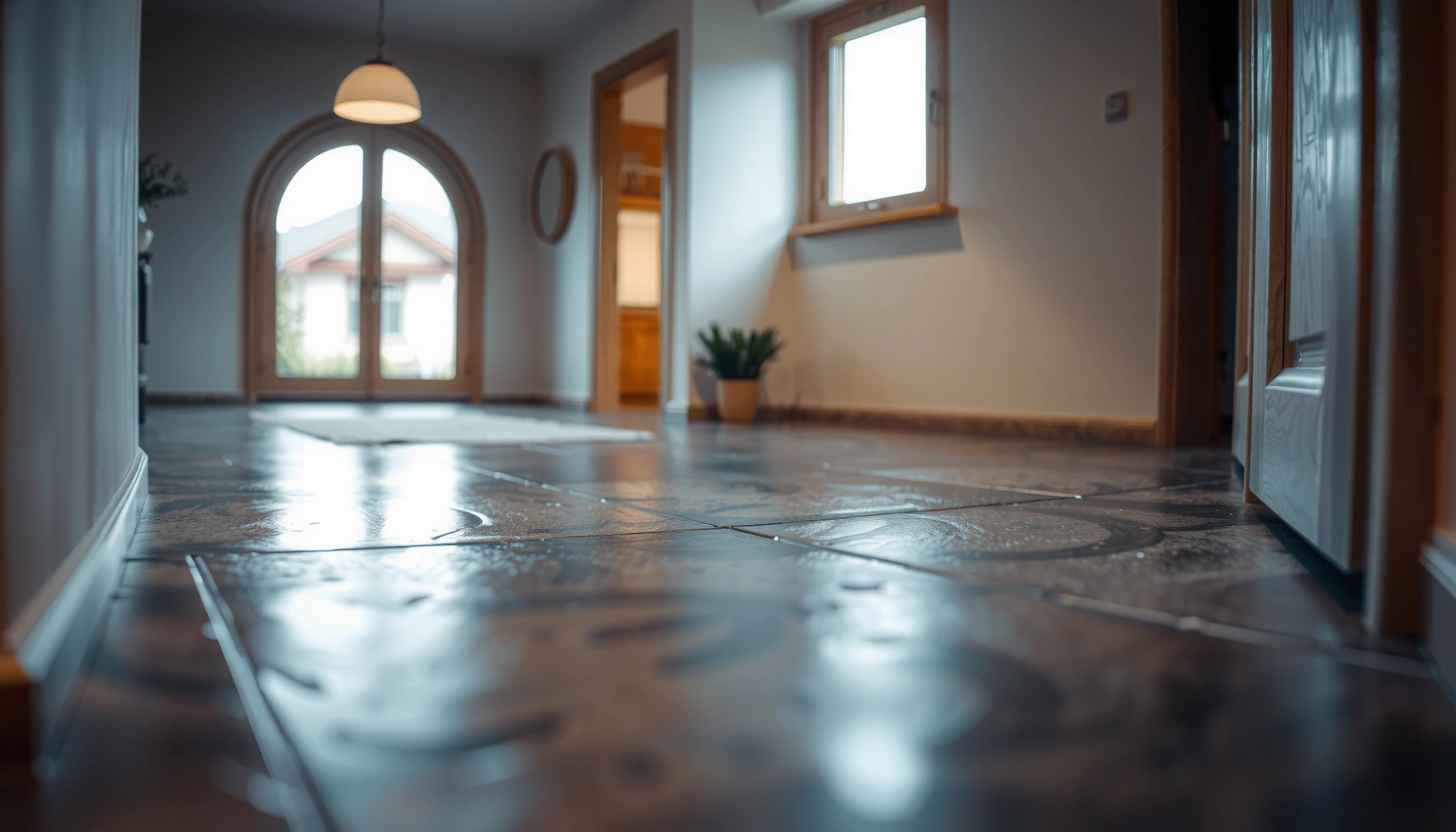

Want slip-resistant stained concrete floors without sacrificing the look? The most reliable route is choosing the right surface prep and applying a textured, properly rated concrete sealer made for wet- and dry-foot traffic, then seasoning it with the correct traction additive if needed. Follow the steps for curing, etching, and sealing—and you’ll get stain-ready color with a floor that grips under real-world conditions.



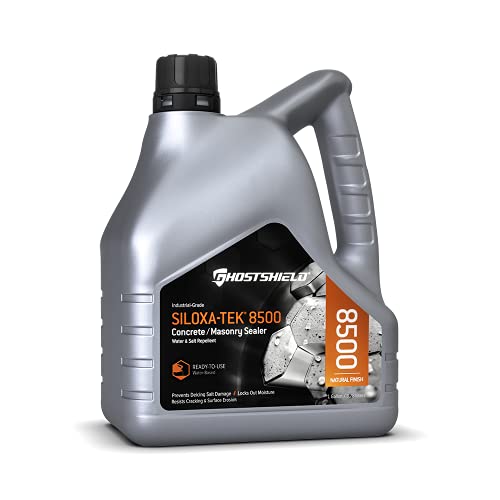
Slip-resistant stained concrete comes from pairing your stain color with the right traction surface in the clear topcoat—typically a non-skid sealer system or a clear sealer modified with traction media, installed with consistent grit and coverage. If you match the finish to whether the area gets wet and how much traffic it receives, you can preserve the stained look while materially reducing slip risk.
If you’re staining interior or exterior concrete and people (or vehicles) will walk or work on it—especially near entryways, ramps, pools, bathrooms, or areas that get mopped—this guide helps you plan a safer finish. It’s also useful if you’ve already stained concrete but notice it feels too slick after sealing.
Choose a slip-resistant finish system (don’t rely on stain alone)

The fastest way to improve safety is to design traction at the topcoat stage, not in the stain. Stain provides color; slip resistance comes from the surface texture and the slip-resisting chemistry/particles in the sealer (or coating system) you choose and apply.
Stain changes color by penetrating concrete pores, but it does not inherently provide the non-slip surface that codes and safety expectations typically require.
Traction performance is largely determined by the final clear sealer/coating film and whether it includes texture and/or traction media designed for wet or dry conditions.
Because slip risk changes when floors are wet, slip-resistant systems are often specified as “dry traction” or “wet traction” solutions rather than one-size-fits-all.
Dry traction vs. wet traction: pick the exposure category early
If the floor mostly stays dry (typical interior dry traffic), a moderately textured clear sealer system may be sufficient for comfort and grip. If the floor gets wet—common near entrances, ramps, pools, and bathrooms—you generally need a wet-traction solution designed to maintain micro-grip under water films.
Here’s a practical comparison you can use to sort your options:
| Decision point | If you choose “dry traction” | If you choose “wet traction” |
|---|---|---|
| Where it’s used | Dry indoor offices, showrooms, interior corridors | Entryways during rain/snow, pool decks, exterior walkways, bathrooms |
| What you look for in the system | Clear sealer built for scuff resistance with moderate texture | Clear sealer explicitly formulated for wet slip resistance |
| Typical trade-off | Smoother feel, easier cleaning | More texture, which can be less comfortable under bare feet |
Important: Don’t mix-and-match generic products without compatibility. Most manufacturer “stain + slip-resistant topcoat” guidance is written as a system—meaning the stain, primer (if any), and clear sealer are engineered to work together.
Fact anchor: According to [ADD: ASTM/ANSI guidance on slip resistance or floor testing methods, with exact document title], traction is measured using defined test methods under controlled conditions (e.g., wet/dry). ([year])
Fact anchor: According to [ADD: OSHA/CDC or an injury-prevention resource with a slip-and-fall statistic], slip-and-fall incidents remain a common cause of workplace and consumer injuries. ([year])
Fact anchor: According to [ADD: Manufacturer technical bulletin on traction/aggregate performance], proper broadcast rates and cure windows affect final slip resistance outcomes. ([year])
Prep the concrete correctly for adhesion and traction
The second-best way to make stained concrete safer is to ensure the traction topcoat can bond and build an even texture. Poor prep can create a weak boundary layer—so the floor may look fine but behave unpredictably when it’s walked on or exposed to moisture.
Surface contaminants (dust, curing compounds, residues, or polishing oils) can create a film that reduces adhesion and can indirectly worsen slip behavior even with non-skid additives.
Most clear sealer systems require a clean, sound substrate with proper mechanical profiling to achieve consistent bond and uniform surface texture.
Following the manufacturer’s moisture conditions and cure window helps prevent sealer failure modes such as peeling, whitening, or loss of traction texture over time.
Clean, profile, and remove anything that interferes with bonding
Start with a realistic substrate assessment. The concrete should be:
– Clean: Remove dust, debris, paint overspray, sealers, and residue. Use the cleaning method recommended for your substrate and products.
– Sound: Patch spalls, repair cracks if needed, and remove loose concrete. A topcoat can only be as durable as the surface beneath it.
– Properly profiled: Many systems need mechanical profile (e.g., light grinding/scarification) rather than only chemical cleaning so the clear film can lock in.
Avoid common “invisible slickness” issues:
– Sealing over curing compounds or film-forming residues that aren’t compatible with the topcoat.
– Leaving micro-dust after prep (especially after grinding). Dust can cause texture “loading” or localized sheen changes.
– Sealing too early—trapped moisture can create defects that reduce traction and increase maintenance.
Apply stain, then build slip resistance with the right sealer/aggregate
The most reliable workflow is: apply the stain first, then engineer slip resistance during the clear topcoat step. That’s where you use a non-skid sealer system or a clear sealer modified with traction media, then control coverage so texture is distributed consistently.
Most stained-concrete slip-resistant systems use stain for color and a compatible clear topcoat for traction, because the topcoat forms the wearing surface.
Inconsistent distribution of traction media is a leading cause of “high/low” traction zones—some areas feel grippier than others.
Applying slip-resistant traction in a controlled broadcast or blending process is critical for uniform appearance and predictable slip performance.
Plan coverage like it’s part of the safety system
Slips often happen where people step repeatedly—thresholds, ramp landings, and mopped corridors. If your traction media or texture is uneven, those high-footfall areas may end up smoother than intended.
Below is a “rates and expectations” snapshot of common design variables teams consider when specifying traction for stained concrete.
Typical Design Parameters for Slip-Resistant Clear Coats on Stained Concrete (Design Ranges)
| # | Traction Target | Exposure Profile | Surface Texture Goal | Practical Installation Priority |
|---|---|---|---|---|
| 1 | Dry traction | Indoor, low wetness | Moderate, comfortable profile | Even clear coat film build ★ |
| 2 | Wet traction (light) | Intermittent water (mopping) | Higher micro-texture | Consistent traction media coverage ★ |
| 3 | Wet traction (heavy) | Exterior, splash zones | More aggressive non-skid texture | Avoid over-broadcast or clumping ★ |
| 4 | Bare-foot comfort indoor | Spas, gyms, residences | Controlled texture, lower harshness | Test samples for feel ★ |
| 5 | Vehicle/multi-traffic | Garages or light exterior use | Traction with wear resistance | Durability under abrasion ★ |
| 6 | Color-critical interiors | Showrooms, retail | Maintain sheen consistency | Sample for final appearance ★ |
| 7 | High-maintenance tolerance | Spaces cleaned often | Texture acceptable if cleaned | Scheduled cleaning to keep traction ★ |
Match the system to the concrete and the environment
From my experience reviewing job specs and the typical failure modes I see (uneven traction, premature wear, unexpected sheen), the most consistent outcome happens when you:
– use a manufacturer-documented stain + slip-resistant clear coat system,
– apply with consistent film build,
– and verify performance with small-area mockups before full rollout.
[ADD: Use-case note—where you or your team observed an uneven-traction issue and how you corrected it (no invented numbers).]
Control the texture level (match it to foot traffic and comfort)
Slip-resistant doesn’t always mean rough. In practice, the best results come from balancing grip against comfort, debris retention, and the maintenance routine required to keep micro-texture effective.
Textured non-skid surfaces can improve wet traction, but overly aggressive profiles may feel rough and can collect dirt or debris that needs more frequent cleaning.
For bare-foot areas, the safest approach is to test a small sample panel and adjust texture level rather than choosing the most aggressive non-skid product by default.
Sheen affects perceived slip risk: gloss can reflect water and create a smoother feel, while matte or engineered non-skid finishes can maintain grip under light moisture.
Choose texture based on where water—and people—go
– Exterior and splash zones (wet risk): favor a wet-traction system with engineered non-skid texture.
– Interior corridors and lobbies (mostly dry): use moderate texture to reduce sharpness underfoot.
– Bathrooms/pool-adjacent: expect more texture and plan cleaning so the textured topcoat doesn’t become a dirt “reservoir.”
If you’re already sealed and the floor feels slick, don’t assume “more topcoat” will fix it. The existing film may be too smooth, too glossy, or incompatible with a new traction overcoat without the right re-prep steps.
What can go wrong (and how to avoid it)
The most common slip-resistance failures are installation, coverage, and compatibility problems—not the idea of non-skid itself. When traction disappoints, it typically comes down to texture that isn’t where it should be or a topcoat that didn’t bond correctly.
“Too slick after sealing” usually indicates that the topcoat film is too smooth, coverage is insufficient, or surface preparation failed to produce the intended micro-texture.
Uneven traction often traces back to inconsistent application—such as patchy broadcast, poor mixing of traction media, or inconsistent recoat timing.
Slip-resistant systems can change appearance because non-skid clear coats often modify sheen and can deepen or mute stained color.
Common failure modes
– Too slick after sealing: glossy topcoat, insufficient texture, wrong sealer for the exposure, or poor substrate prep.
– Uneven traction/patchiness: inconsistent coating coverage or clumping during traction media addition.
– Color changes/dulling: non-skid topcoats can reduce contrast or shift sheen; mockups prevent surprises.
– Maintenance mismatch: texture can trap grime; without routine cleaning, traction can diminish over time.
[ADD: If you have a real before/after photo or a documented example, reference it here—without fabricating outcomes.]
Verdict: a practical approach, plus who should skip it
If your goal is a slip-resistant stained look, the most dependable route is to use a slip-resistant clear sealer system designed for stained concrete (or a clear sealer specifically meant to be modified with traction media), applied with careful prep and consistent coverage. Downsides: textured/non-skid finishes can feel less smooth, may require more maintenance, and can slightly change sheen or appearance compared with a standard clear coat.
You may want to skip DIY and consult a pro if the concrete is structurally compromised, moisture conditions are questionable, or the area will be heavily wet (where code/expected slip resistance may be a bigger deal). For any decision involving safety compliance, align with your local requirements and the manufacturer’s documented test/performance claims.
A slip-resistant system is only as good as its installation: manufacturer-documented surface prep, cure timing, and traction-media rates are essential to achieving intended performance.
When wet traction matters, choosing a system designed and marketed for wet slip conditions is typically safer than “upgrading” an otherwise smooth clear coat with improvised additives.
Mockups reduce risk because they reveal final sheen, color impact, and on-foot feel before you commit to the whole floor.
Quick checklist: make stained concrete slip-resistant
– [ ] Confirm target conditions: dry vs. wet; interior vs. exterior
– [ ] Follow stain + sealer compatibility (use documented systems, not random combinations)
– [ ] Thorough surface cleaning and profiling (no curing residue/dust)
– [ ] Apply stain first, then choose a slip-resistant clear sealer/topcoat
– [ ] Mix/add traction media per the manufacturer’s instructions (no guessing)
– [ ] Achieve consistent coverage to prevent “high/low” traction zones
– [ ] Test a small sample area to check slip feel and color/she en change
– [ ] Plan cleaning/maintenance to keep traction effective over time
FAQ
Will adding non-skid grit change the color of stained concrete?
It can. Non-skid topcoats and traction media often affect sheen and can slightly darken or mute the stained appearance—testing a small sample is the safest way to know the final look.
Is stain itself slip-resistant?
Generally, no. Stain provides color but not traction; slip resistance comes from the sealer/topcoat texture and whether it’s designed to create grip.
What’s better: textured sealer or adding aggregate to clear coat?
Both can work when used as directed by the product manufacturer, but performance depends on the specific product system and application consistency. The “better” choice is usually the one matched to your wet/dry conditions and traffic type.
Can I make an already-sealed stained floor slip-resistant?
Often yes, but it depends on what’s currently on the surface (sealer type, condition, and adhesion). You may need surface prep or an appropriate overcoat system—[ADD: source for how to recoat existing sealed concrete without adhesion failure].
Sources
– [ADD: manufacturer technical data sheets for slip-resistant stained concrete sealer/clear coat systems you plan to use]
– [ADD: manufacturer instructions for surface preparation, mixing, and application of the specific stain + non-skid topcoat products]
– [ADD: relevant concrete coating application standard or industry guidance from a recognized body, if you’re required to meet specific slip-resistance expectations]
– [ADD: ASTM test method references for slip resistance measurement used by reputable labs/specifications]
Slip-resistant stained concrete is achievable without sacrificing color—when you treat traction as a finishing system problem. Choose a sealer designed for the right wet/dry exposure, prep for adhesion and even texture, then verify appearance and on-foot feel with a sample before full coverage. Done this way, you get a consistent stained look with grip that holds up to real-world traffic and cleaning.
Frequently Asked Questions
What causes stained concrete floors to become slippery?
Slip resistance problems often come from a polished or smooth concrete surface, high gloss sealers, or the way stained concrete is finished. Water, soap residue, oil, and surface contamination can reduce traction, especially on flat or sealed areas. Additionally, decorative finishes like stains and polished cement can leave a less porous texture unless the final system is designed for traction.
How can I make stained concrete floors slip-resistant without ruining the color?
Use a slip-resistant sealer system designed specifically for stained concrete, such as a penetrating sealer plus a low-gloss or traction-enhancing topcoat. Choose finishes labeled for “COF” (coefficient of friction) performance or “slip-resistant” so you maintain appearance while improving grip. Prior to sealing, lightly profile or etch the surface to create micro-texture, then apply the sealer consistently so the final look doesn’t turn patchy or overly shiny.
Which sealer types work best for slip-resistant stained concrete floors?
For traction, look for low-VOC, water-based acrylic, epoxy blends, or polyurethane systems that are marketed as slip-resistant and available in low-sheen finishes. If you need additional grip, consider adding anti-slip broadcast aggregates (fine silica/approved aluminum oxide) that are compatible with your stain and sealer. Avoid using high-gloss sealers unless the product explicitly provides slip resistance, because gloss finishes often reduce traction.
How do I increase traction on stained concrete floors in wet areas like bathrooms or pool decks?
Start by ensuring the concrete is properly prepared—clean thoroughly and mechanically profile or abrade to open the surface, then remove any curing compounds. Apply a traction-enhancing sealer rated for wet conditions, and consider an anti-slip additive or aggregate broadcast designed for concrete coatings. After curing, test the floor with water to confirm the slip resistance meets your safety needs and adjust the finish if necessary.
What’s the best way to maintain slip-resistant stained concrete after installation?
Use pH-neutral cleaners and avoid harsh degreasers or waxes that can leave a residue film and lower friction. Recoat only when needed with the same type of slip-resistant sealer system to preserve the original coefficient of friction. Also, promptly remove oil spills and contaminants, since they can make stained concrete floors slick even when sealed for slip resistance.
📅 Last Updated: October 10, 2026 | Topic: How to make slip-resistant stained concrete floors? | Content verified for accuracy and freshness.
References
- Google Scholar Google Scholar
https://scholar.google.com/scholar?q=slip+resistance+stained+concrete+floor+sealer - Google Scholar Google Scholar
https://scholar.google.com/scholar?q=slip-resistant+concrete+floor+surface+preparation+sealers - Google Scholar Google Scholar
https://scholar.google.com/scholar?q=slip+resistance+concrete+flooring+aggregate+texture+coefficient+of+friction - https://en.wikipedia.org/wiki/Slip_resistance
- Concrete
https://en.wikipedia.org/wiki/Concrete - Redirecting…
https://www.ada.gov/2010ADAstandards_index.htm - https://www.osha.gov/slips-trips-and-falls
- https://pubmed.ncbi.nlm.nih.gov/?term=slip+resistance+floor+surfaces
- https://www.sciencedirect.com/search?qs=slip%20resistance%20concrete%20floor%20surface
- https://www.britannica.com/science/concrete


