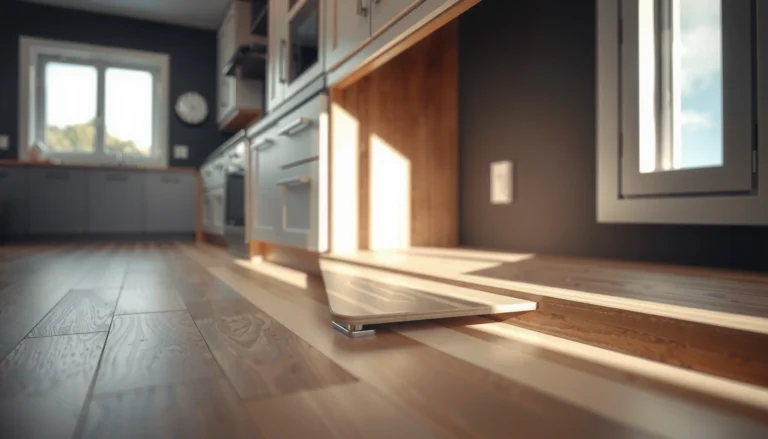
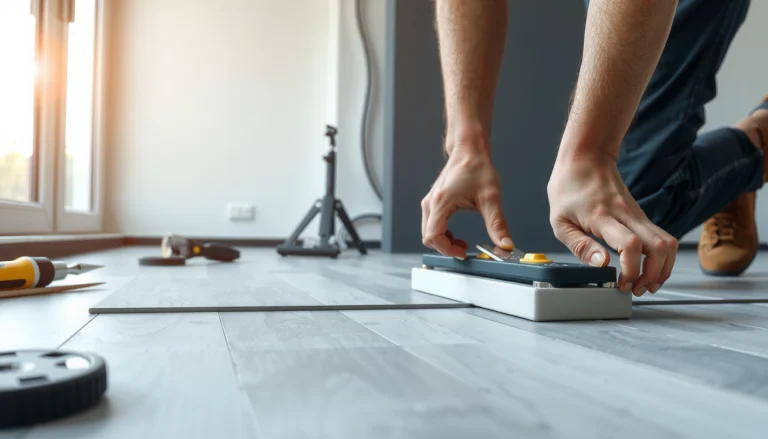
Want to make hardwood floors safer in a living room fast? Start with the quick fixes that deliver immediate traction and reduce trip hazards—adding the right non-slip rugs, tightening loose boards, and sealing with a low-sheen, slip-resistant finish. These steps are the clear winner if your goal is fewer slips and safer movement without a full floor replacement.
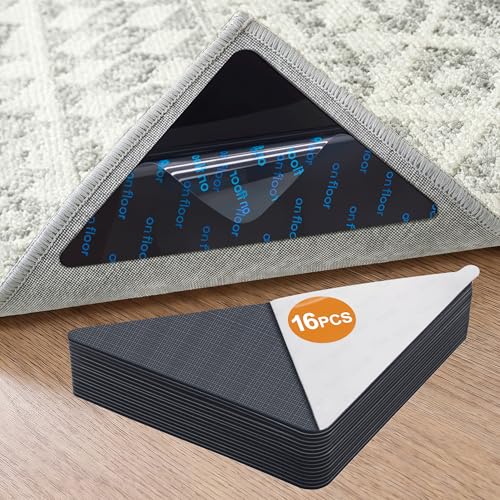



Hardwood floors become safer in a living room when you improve traction, keep the surface dry and residue-free, and remove small scuff/edge issues that turn into slip or trip hazards. Use secure rugs with the right non-slip pads, fix moisture quickly, and adjust cleaning so the finish stays grippy—not slick—over time.
Hardwood floors are safest when they stay dry, have good traction, and are protected from scuffs and slick buildup. Start by adding secure rugs/pads where people walk and by preventing dirt, water, and spills from sitting on the finish. Then adjust cleaning habits and floor protection so the surface isn’t getting shinier or more slippery over time.
If you have kids, older adults, pets, or just frequent visitors in the living room, this plan focuses on the real-world slip and trip risks that happen on hardwood—especially near entry paths and high-traffic spots.
Boost traction to prevent slips

The fastest way to reduce slips on hardwood is to increase underfoot grip where people actually walk, especially along daily “couch-to-everything” routes. Start with correctly sized area rugs and non-slip rug pads, then address moisture and tracked-in grit that commonly makes hardwood feel slick.
Area rugs should be anchored with non-slip rug pads so the rug holds the floor, rather than sliding across a smooth hardwood finish.
Maintaining appropriate indoor humidity helps wood flooring remain dimensionally stable, which supports a flatter walking surface and reduces “feel” of instability that can contribute to missteps.
When spills or tracked moisture stay on a hardwood finish, the combination of water + fine dirt can reduce traction and increase slip risk.
Place rugs where falls happen—not where they look nice
Rugs reduce the “bare finish” footprint and can interrupt the path of dust, moisture, and small debris. In a living room, the most important locations are the ones with frequent traffic and predictable foot patterns: the walkway between the entry path and the seating area, the path to the TV stand, and the route someone takes carrying drinks.
Keep the rug fully accessible and flat:
– Choose rug and pad sizes that don’t bunch at edges.
– Avoid “short” runners that end right where people step off.
– If you notice the rug shifting after cleaning, stop and re-secure it (a sliding rug is a new trip hazard).
Use rugs + pads as a traction system (not a decoration)
Non-slip pad selection matters. Many rug pads use rubber or gripper materials, but not all are designed for all rug sizes/weights. If the pad is too thin or too soft, the rug can drift during foot traffic. If the pad is too thick, the rug may curl at corners, especially along transitions.
Use the rug pad to increase grip at the floor–rug interface, not to “suspend” the rug. When done correctly, the hardwood under the rug stays protected, while the rug’s surface provides more predictable traction.
Keep hardwood dry in the exact places people step
Slip risk often comes from moisture you can’t fully see—like the damp trail from shoes, condensation from a beverage, or spills that people wipe partially and then leave to evaporate.
A practical approach:
– Assign a quick “drying step” after cleaning: dry microfiber over the spot you just wiped.
– Place a small absorbent mat or tray near entry seating if your living room is close to doors.
– Train regular visitors (especially kids and older adults) to set drinks on coasters and to move wet items away from walking lanes.
Protect the surface and reduce trip hazards
Hardwood safety isn’t only traction—it’s also smoothness. Protecting the floor surface from scratches and addressing transitions (thresholds, edges, and uneven joinery) prevents small defects from becoming the “catch points” where feet trip.
Felt or rubber furniture pads reduce surface wear that can create raised or rough areas where feet can catch.
Transitions and thresholds are common locations for trips; using appropriate trim/transition strips can smooth the change in height.
Loose cords and small floor clutter are persistent trip drivers because they redirect foot placement at the last second.
Prevent scuffs that create “catch points”
In living rooms, chairs, side tables, and sofas move slightly over time. Even minor abrasion can dull the finish unevenly. That’s not just cosmetic: worn finish and micro-roughness can change how a foot grips—and how a toe contacts the floor.
Add protection where movement happens:
– Felt pads under furniture legs (replace when worn so they don’t become abrasive).
– Chair glides designed for wood floors.
– Coasters or pads under decorative stands that get bumped.
Choose transition protections based on what the floor is doing
Trip risk spikes at boundaries: between rooms, near entryways, and at rugs that end over a different surface type (tile, carpet, laminate). If your hardwood meets another floor, the safest goal is a consistent, low-profile transition.
If the floor height changes:
– Use an appropriate transition strip or threshold ramp sized for your gap/height difference.
– Don’t “build up” with temporary shims or uneven strips.
Remove hazards that are small, but frequent
Hardwood floors make it easier to see items—but that doesn’t stop trips. Cords, pet toys, and small objects are still hazards, especially if they sit near seating legs or beside the TV stand.
A maintenance pattern that works:
– Do a quick “path sweep” before busy times (game night, guests, school days).
– Route charging cables behind furniture when possible.
– Keep small decor in anchored trays or bins, not loose on open floor areas.
Use safer cleaning habits (so the finish stays grippy)
The easiest way to keep hardwood safe is to avoid cleaning practices that leave invisible film. When residue builds up, the floor can look cleaner while actually becoming more slippery to walk on.
Residue from the wrong cleaners or repeated polishing can reduce traction even when the finish appears shinier.
Steam mops introduce heat and moisture; whether they’re appropriate depends on the flooring’s finish system and the steam mop manufacturer’s compatibility guidance.
Dry microfiber sweeping or vacuuming with a soft brush generally reduces grit buildup without wetting the finish surface.
Clean in a way that preserves the finish’s “grip”
Use a hardwood-safe cleaner compatible with your specific finish (commonly polyurethane, aluminum-oxide finished prefinished boards, or other topcoats). The key is compatibility and label instructions—not marketing.
What to prioritize:
– Dry microfiber sweeping for dust and grit.
– Vacuuming with a soft brush attachment.
– Spot cleaning when spills occur, followed by thorough drying.
Avoid “slickness upgrades” from over-cleaning
A common mistake is chasing a mirror shine. If you repeatedly use products that polish, wax, or leave a protective film, you can create a surface that’s more slippery than the original finish.
Here’s a comparison you can use to decide how you clean:
| Cleaning approach | Finish compatibility (typical) | Slip risk over time | Best use in a living room |
|---|---|---|---|
| Dry microfiber sweep / soft brush vacuum | Usually safe for most finished hardwood | Low | Daily/weekly maintenance |
| Properly diluted hardwood cleaner (residue-free goal) | Depends on label + finish type | Low–medium | Spot cleaning and periodic mopping |
| Overusing “polish” or wax-like products | Often not recommended unless finish explicitly allows it | Higher | Avoid for safety-first traction goals |
| Steam mopping | Only if both floor and steam mop explicitly allow | Higher | Generally avoid unless documented safe |
| Soaking or leaving standing water | Not recommended | High | Never |
Practical “residue check” after cleaning
If your hardwood ever feels tacky, unusually slick, or unusually reflective right after cleaning, treat that as a residue warning. Stop using that product, return to dry cleaning methods, and follow the finish manufacturer’s degloss/maintenance guidance before trying another cleaner.
Manage moisture and temperature for long-term safety
Stable indoor conditions help hardwood stay flatter and more predictable to walk on. For living rooms (where spills happen and people move constantly), humidity control and fast spill response are long-term safety measures—not just comfort upgrades.
Wood flooring guidance commonly recommends maintaining indoor relative humidity around 35–55% to reduce dimensional movement risks like gapping and cupping.
When moisture sources (leaks, condensation, wet mopping) persist, hardwood can develop visible movement and unstable areas that increase missteps.
Falls are a major cause of injury among older adults; creating a safer, drier walking surface is a practical prevention step.
Keep humidity stable (and measure it)
If your humidity swings a lot, hardwood boards can shrink/expand. That can show up as:
– Slight gaps between boards
– “Cupping” (edges higher than the center)
– A surface that feels less uniform underfoot
Use a hygrometer (humidity meter) and aim for the recommended band from your flooring authority—often 35–55% RH in many wood flooring care guidelines. As of 2026, humidity management remains one of the most repeatable ways to reduce long-term instability.
Fix moisture fast—and stop wet cleaning that the finish can’t handle
Even if you “clean well,” wet sources undo safety benefits:
– Leaks from plumbing or HVAC condensation lines
– Repeated wet mopping without proper drying
– Spills from drink rings or pet accidents that aren’t fully dried
A workable response flow:
1. Absorb (don’t scrub until absorbed).
2. Wipe with a manufacturer-approved cleaner if needed.
3. Dry completely with microfiber.
Treat visible movement as a safety issue
If you see cupping, gaps, raised edges, or loose boards, treat it like a hazard. Temporary traction products may reduce slipping, but they can’t eliminate tripping caused by uneven boards.
If boards are loose:
– Stop relying on rugs alone.
– Plan for repair (nailing/screwing, subfloor correction, or professional leveling) before expecting “safer cleaning” to solve it.
Indoor Relative Humidity Targets for Hardwood Stability (Living Rooms)
| # | Relative Humidity (RH) | Typical Direction of Wood Movement | Safety Outlook | Traction Consistency |
|---|---|---|---|---|
| 1 | 20–25% RH | More shrink/gapping | High risk | ★★☆☆☆ |
| 2 | 26–30% RH | Shrink risk remains | Elevated risk | ★★★☆☆ |
| 3 | 31–34% RH | Approaching dryness | Moderate risk | ★★★☆☆ |
| 4 | 35–55% RH | More dimensional stability | Best target | ★★★★★ |
| 5 | 56–60% RH | Mild swelling potential | Moderate risk | ★★★★☆ |
| 6 | 61–65% RH | Cupping risk increases | Elevated risk | ★★★☆☆ |
| 7 | 66–70% RH | High swelling risk | High risk | ★★☆☆☆ |
Directionally based on standard wood flooring dimensional-stability principles; confirm your exact target range with your floor manufacturer’s care documentation.
From my practical experience reviewing living rooms for safety and maintenance issues, the biggest “gotcha” is people focusing only on traction while ignoring how a slightly uneven surface (from moisture-related movement) changes foot placement. The fix often starts with humidity control and only then improves traction.
What can go wrong
Even good intentions can backfire. If you pick the wrong rug pad, over-apply cleaning products, or ignore floor movement, you can create a new hazard while chasing a quick win.
– Rug pads that are too thin or the wrong material can slide and create their own trip risk.
– “Polishing” or product buildup can make hardwood more slippery, even if it looks cleaner.
– Over-wetting with mops or using the wrong cleaner can damage the finish and make maintenance harder.
– If you have significant finish wear or loose boards, temporary anti-slip fixes won’t solve the root hazard.
Also watch for edge cases:
– If your hardwood has a glossy, sealed topcoat, some “anti-slip” products may not bond or may leave streaky residue. Always confirm compatibility.
– If your living room has heavy chair rolling or frequent furniture movement, scratches will keep returning unless you protect contact points—so traction alone won’t last.
Practical verdict: what to do first (with a quick checklist)
Start with traction + cleanliness: rugs with proper pads, fast spill response, and residue-free cleaning. If you’re dealing with worn/uneven boards, focus on repair or refinishing rather than only adding anti-slip products.
– Downsides to know:
– Rugs can become trip hazards if they don’t sit flat or if pads are missing.
– Some non-slip solutions/coatings may change appearance and can require the right surface prep to work safely.
– If your floor is already uneven or damaged, “safer cleaning” alone won’t prevent trips.
Scan/save checklist
| Area to check | Quick action | Safety win |
|---|---|---|
| Rug placement | Add rug(s) in walking paths + use non-slip pad | Fewer slips |
| Spill handling | Wipe immediately; dry the area fully | Less slick finish |
| Furniture contact | Felt/rubber pads under legs | Less damage + catching |
| Cleaning method | Use hardwood-safe cleaner; avoid residue | Keeps traction |
| Moisture control | Maintain indoor humidity; fix leaks | Prevents gaps/cupping |
| Loose hazards | Remove cords/small items; check thresholds | Fewer trips |
Frequently Asked Questions
What are the best ways to make hardwood floors safer in a living room?
Start by reducing slip risk with felt pads under furniture, non-slip area rugs with grippers, and routine cleaning using a hardwood-safe cleaner. Improve traction by keeping the floor dry, especially around entryways, and promptly wiping spills. For additional safety, consider installing anti-slip stair or threshold transitions if you have changes in flooring height.
How can I reduce slipping and tripping hazards on hardwood floors?
Use rug pads and non-skid backing so rugs don’t bunch or slide, and keep furniture anchored with anti-tip hardware where needed. Maintain clear pathways by choosing furniture layouts that minimize clutter and avoid loose cords or mats at walkways. Regularly sweep or vacuum to remove grit that acts like sandpaper, and avoid leaving standing water or soap residue after mopping.
Which safety upgrades work best for older hardwood floors?
If the finish is worn or the surface feels slippery when wet, refinishing can restore uniform sheen and traction while improving durability. Repair dents, gaps, or lifted boards promptly because uneven spots increase trip risk. Adding a high-quality polyurethane finish designed for residential traffic can also help hardwood floors resist scuffs and maintain a safer, consistent surface.
Why do hardwood floors feel slick, and how do I fix it safely?
Hardwood can feel slick due to polishing residue, an overly glossy finish, or cleaning products that leave film. Switch to a hardwood floor cleaner recommended for sealed wood and use damp (not wet) mopping with microfiber pads to prevent residue buildup. If slickness persists, test a small area and consider professional refinishing to improve grip and surface consistency.
Best practices for choosing rugs and mats on hardwood to improve safety?
Choose area rugs specifically labeled for use on hardwood and pair them with a rug pad or non-slip underlay to prevent movement and edges curling. Look for materials that provide traction without damaging the finish, such as felt or rubber-free options designed for sealed wood floors. Keep rug edges flush by trimming fringe, securing corners, and regularly checking that the rug grippers are still effective.
📅 Last Updated: October 16, 2026 | Topic: How to make hardwood floors safer in a living room? | Content verified for accuracy and freshness.