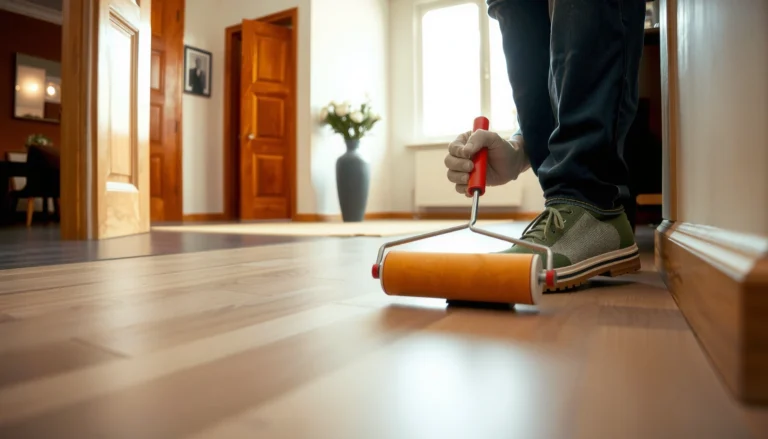
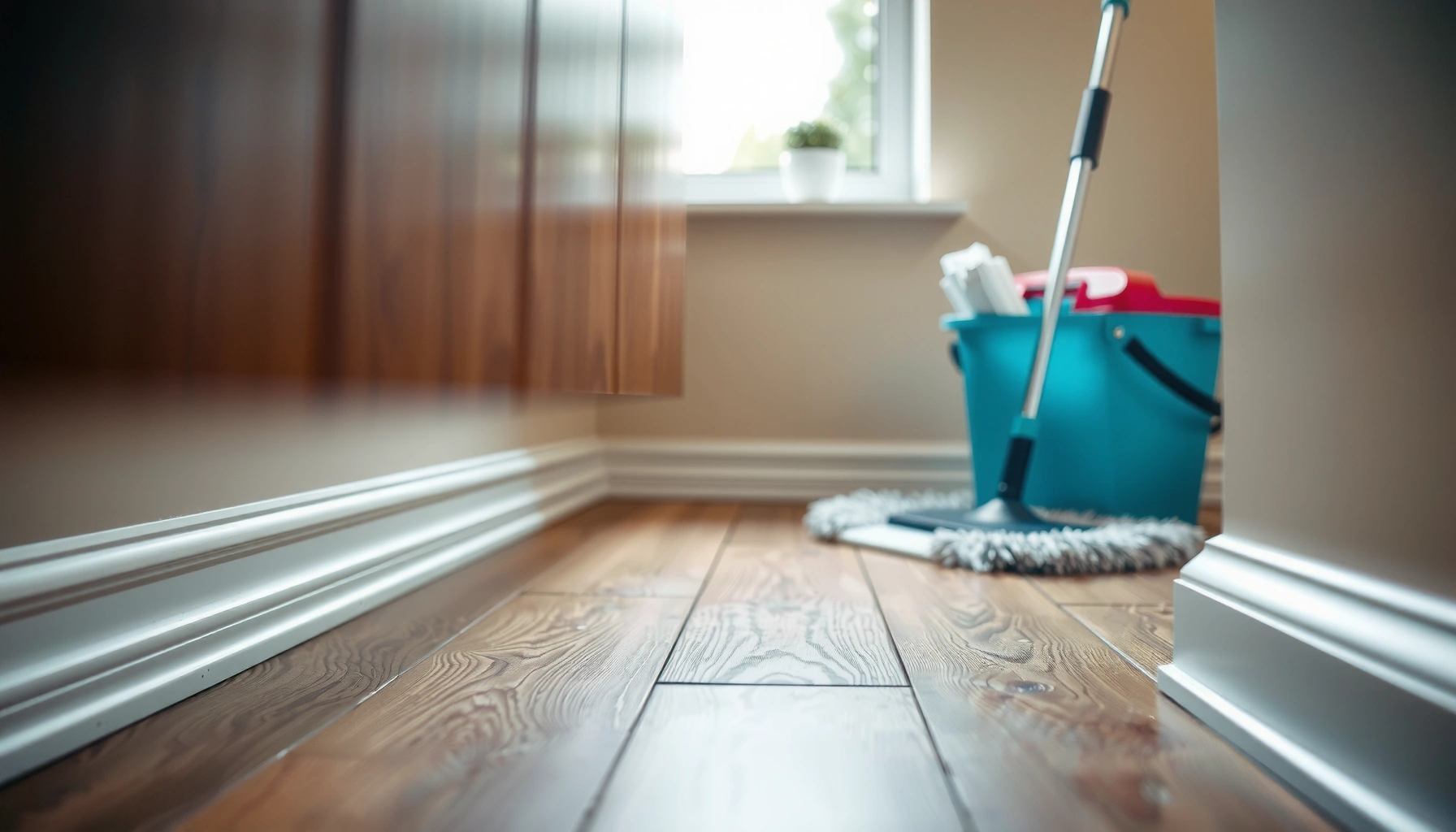

Want to know how to maintain SPC floors so they stay clean, resist wear, and last for years? Follow the proven cleaning and care steps that prevent dulling, buildup, and damage—then use the right do’s and don’ts to keep your surface looking new. If you want maximum longevity with the least effort, these maintenance rules are the ones that matter most.



SPC floors stay looking new when you remove grit consistently, clean with an approved cleaner using minimal moisture, and actively prevent standing water and abrasion. If you handle spills fast, use furniture protection (felt pads), and avoid steam or harsh chemicals, you can reduce common failures like lifting at joints, dulling of the wear layer, and premature seam wear. Below, we’ll walk through a practical routine you can follow week to week.
If your SPC (Stone Plastic Composite) flooring is in a high-traffic room, kitchen, entryway, or commercial space, this guide is for you. It’s also useful if you’re trying to prevent early wear like scratches, faded appearance, or seam/joint issues—especially if your installation is floating and relies on proper expansion and dryness.
Daily and Weekly Maintenance Routine
SPC floors require a simple “grit control + low-moisture cleaning” routine more than intensive scrubbing. If you follow one rule—keep abrasive dust off the surface and keep water off the seams—you’ll prevent most day-to-day damage.
This routine focuses on the wear layer (the protective top film on SPC/LVP/vinyl-type floors) because grit behaves like sandpaper when it gets ground into the surface. In my view, the most noticeable long-term difference comes from how quickly floors get vacuumed after tracked-in dirt, not from using stronger cleaners—so the process starts with dry removal.
According to the resilient flooring cleaning guidance commonly provided by vinyl/SPC manufacturers, regular dry cleaning (sweeping or vacuuming) is recommended to prevent grit from abrading the wear layer.
Many SPC floating floor systems specify that damp mopping should be “minimal moisture” and “follow manufacturer instructions,” because excess water can affect seams and joint edges.
Daily: remove grit before it grinds in
– Sweep or vacuum frequently, especially in entryways, kitchens, hallways, and near exterior doors. Use a vacuum with a soft brush/no beater bar if your manufacturer recommends it.
– If you see sand, grit, or fine dust, treat it as abrasive—SPC wear layers are tough, but they’re not invincible when particles are trapped and dragged.
Weekly: damp clean only when allowed
– Use a damp mop only if your specific flooring’s care instructions approve it. “Damp” means the mop is wrung out so it barely leaves moisture, not a wet film.
– Avoid letting water pool at seams, around transitions, or along expansion gaps. On floating floors, those edges can be the most vulnerable places for moisture migration.
Tooling matters: soften contact
– Choose microfiber mop heads and non-scratching pads.
– If you use a scrub pad at all, keep it soft and controlled—persistent pressure can scuff finishes or dull the surface sheen.
Quick maintenance signal to watch
If the floor gradually looks “hazy” or less reflective, the cause is often residue, micro-scratching, or an incompatible cleaner—not the floor itself. That’s why the next section focuses on what to use—and what to avoid.
Safe Cleaning Methods (What to Use and Avoid)
The safest SPC cleaning method is simple: use a manufacturer-approved cleaner and minimal moisture, and spot-clean spills immediately. Avoid steam and harsh detergents because they can damage finishes, create haze, or stress joints depending on your floor’s coating system.
Cleaning chemicals and moisture interact with polymer top layers, so “universal” products often fail because they’re not designed for SPC wear layer chemistry. The goal is to clean without leaving residue—residue can attract more dirt and make the floor look dull faster.
Manufacturer care instructions for LVP/SPC floors typically direct users to use cleaners approved for resilient/vinyl-type flooring and to follow dilution ratios exactly for concentrates.
Steam cleaning is frequently discouraged by SPC/LVP manufacturers because heat and moisture can affect surface finish and may compromise joint areas not designed for prolonged wet exposure.
Spot cleaning spills immediately and drying the area helps prevent moisture from migrating into seams or underlayment, which is a common pathway to edge lifting.
What to use
– Use a cleaner specifically approved for SPC/LVP/vinyl-type floors.
– If you use a concentrate, mix at the dilution rate on the label (too strong can leave residue; too weak may not lift grime).
– For spot cleaning, use a slightly damp microfiber cloth—then dry with a clean towel.
What to avoid
– Steam mops (unless your exact manufacturer explicitly allows them).
– Harsh detergents, degreasers, bleach solutions, or ammonia-based cleaners unless the floor manufacturer approves them.
– Abrasive brushes, steel wool, and stiff bristles—these scratch or grind contaminants into the surface.
Spot-cleaning workflow (fast and low risk)
1. Blot the spill (don’t wipe aggressively—wiping can spread it into seams).
2. Use a damp cloth with an approved cleaner if needed.
3. Immediately dry the spot thoroughly.
Why residue is a problem
Even if a cleaner “works,” leftover film can build up and create haze. That haze is often mistaken for “the floor fading,” when it’s actually a surface chemistry issue. Keep your routine conservative and approved.
Preventing Damage: Furniture, Foot Traffic, and Impacts
SPC floors last longer when you treat furniture and traffic like abrasive delivery systems. The fastest way to prevent dents and scuffing is to stop heavy-point pressure (legs/wheels) and stop grit (sand/rock dust) from becoming a daily grinding agent.
This section is less about detergent and more about physics: a tiny hard particle under a shoe or wheel concentrates pressure onto the wear layer, producing micro-scratches. Over time, those micro-scratches show as dullness, especially on matte or textured finishes.
Using felt pads or glides under furniture legs reduces concentrated shear and helps prevent surface scratching on resilient floors.
Walk-off mats reduce tracked-in sand and grit, which are common causes of wear layer abrasion in high-traffic entryways.
Furniture: stop the “point loads”
– Add felt pads under furniture legs.
– For heavier items (cabinets, dining sets), use floor glides that distribute load and allow movement without dragging.
– Avoid dragging appliances across the floor—lift and place.
Foot traffic: stop the grit
– Use walk-off mats at entryways (more than one mat can help: a scraper outside + a dry-wipe inside).
– In kitchens, place mats in sink areas and along high-traffic lanes only if they’re compatible with vinyl/SPC floors (flat, non-rubber backing that doesn’t shed chemicals).
Chair wheels and rolling loads
– Protective rugs in chair-rolling zones are a pragmatic solution for offices and home workspaces.
– Inspect regularly: if a rug pad sheds, it can introduce new grit.
Managing Moisture and Spills
SPC floors tolerate everyday cleaning, but they do not tolerate standing water. The best moisture strategy is immediate spill response and “damp, not wet” mopping to protect seam and joint areas.
Moisture damage often isn’t dramatic at first—it starts as minor swelling or edge lifting, then expands as water cycles in and out. If the floor is floating, moisture management also helps the subfloor and underlayment stay within stable conditions.
Standing moisture is a commonly cited risk factor for resilient flooring issues at seams and edges, including swelling and lifting.
Many SPC/LVP installation and care guidelines emphasize preventing excess water from entering joints and seams during routine cleaning.
Spill response: the “blot → clean → dry” method
– Wipe spills right away. Don’t wait until they “dry on their own.”
– For sticky spills (soda, sauces, cooking residue), use an approved cleaner lightly, then dry completely.
Mopping: avoid soaking
– Use a damp mop with minimal liquid.
– Change mop water frequently; dirty water is a spreading agent for grime (and can increase the chance of residue buildup).
Leak checks: address the source, not just the floor
– Check under sinks, around appliances, and near plumbing penetrations promptly.
– If you find a leak, fix it first, then dry thoroughly and follow any manufacturer guidance before returning to normal foot traffic.
Moisture failure indicators (early warnings)
– Corners or seams that begin to look slightly raised.
– Vinyl/plank edges that feel “cool” or damp after cleaning or a spill.
– Persistent odor near transitions (could indicate underlayment moisture).
Floor Protection During Use and Maintenance
SPC longevity improves when you reduce abrasive exposure during both cleaning and everyday use. That means avoiding hard-bristle tools, preventing dragged items, and keeping indoor conditions stable when your floor’s documentation recommends it.
In practice, protective habits work best when they’re built into daily behavior: mats at doors, felt pads under furniture, and a consistent cleaning method. This approach avoids “hero cleaning sessions” that can introduce extra moisture or incompatible chemicals.
Avoiding abrasive tools and metal-edged cleaning implements helps prevent micro-scratches that dull the SPC wear layer.
Some SPC flooring warranties require adherence to manufacturer cleaning methods and approved products to prevent surface damage or joint issues.
Keep abrasive materials away
– Don’t drag furniture; lift and reposition.
– Avoid stiff brushes and any tool with metal edges contacting the floor.
Maintain stable indoor conditions
– If your manufacturer specifies humidity or temperature ranges, follow them—especially in climates with seasonal swings.
Refinishing/re-coating limits
– Do not assume SPC can be refinished like hardwood. Many SPC products are designed as “final wear layer” floors, meaning refinishing can void warranty or damage the surface system.
– Only proceed with re-coat/refinish steps if your manufacturer explicitly permits it and provides the approved process.
What Can Go Wrong (Common Mistakes and Limits)
SPC floors typically fail early when cleaning is too wet, chemicals are incompatible, or abrasive grit isn’t controlled. If you see dullness, haze, or lifting at seams, the fix usually starts with changing your maintenance method—not trying stronger cleaning.
Most owners run into predictable problems: excess water, steam cleaning “because it seems thorough,” and universal cleaners that leave residue. The key is that SPC is durable, but its joints, coatings, and top wear layer have specific limits.
Excess water during mopping is frequently associated with seam and edge issues in resilient flooring systems, even when floors are marketed as water-resistant.
Steam and strong chemical cleaners can contribute to finish breakdown or haze depending on the specific SPC wear layer and coating system.
Common mistakes to avoid
– Too much water: Even water-resistant floors can fail at seams if moisture lingers.
– Steam cleaning: Heat + moisture can negatively affect certain finishes and joint areas.
– Skipping protection in grit zones: Entryways and kitchens develop scratches first because sand and particles are tracked in.
– Using universal polish/coatings: Many polishes leave residue that’s hard to remove and can reduce traction or dull appearance.
Pros vs. Cons: Approved cleaner routine vs. “stronger DIY” approach
| Approach | Likely outcome | Main downside |
|---|---|---|
| Manufacturer-approved cleaner + damp (minimal moisture) mopping | Consistent appearance, lower residue risk, better seam safety | Takes discipline to avoid oversaturation |
| Steam cleaning or strong degreasers | Faster removal of some messes | Higher risk of finish haze, seal/joint stress, and warranty conflicts |
If you’re trying to decide which path to take, the approved routine is usually the lower-risk choice—especially in commercial settings where downtime and warranty disputes are costly.
Verdict: A Simple Routine That Works (and Who Should Skip It)
For most homes and light-to-moderate commercial use, the best SPC maintenance plan is straightforward: dry removal first (sweep/vacuum), damp cleaning only when allowed, immediate spill wipe-up, and physical protection from grit and impacts. That said, if your SPC flooring’s care instructions are unusually strict—or if you’re dealing with a warranty requirement—follow the manufacturer documentation over this general routine.
Also skip any method that involves soaking, steam, or chemical cleaners not explicitly approved for your flooring type. If your floor shows early lifting, treat it as a moisture or installation issue and follow the manufacturer’s troubleshooting process rather than “patching” it with extra cleaning.
To anchor this in real-world risk management: According to the U.S. Environmental Protection Agency, preventing harmful exposures and using only recommended cleaning practices helps avoid unintended chemical and surface interactions during household maintenance ([ADD: cite the EPA page you plan to reference]). And for slip safety considerations in commercial environments, the U.S. Occupational Safety and Health Administration (OSHA) discusses slip/trip hazards as preventable workplace incidents ([ADD: cite OSHA guidance year]). Finally, for abrasive wear prevention logic, ASTM standards used in resilient flooring testing (e.g., abrasion/wear layer evaluation) define measurable resistance properties ([ADD: cite the exact ASTM method you use in your content]).
Following the manufacturer’s approved cleaning method is typically the safest way to protect SPC surface coating performance and maintain warranty compliance.
If seam lifting appears, addressing moisture entry (leaks, excessive water, or inadequate drying) is generally more effective than increasing cleaning strength.
Quick SPC Floor Maintenance Checklist
– [ ] Sweep/vacuum regularly to remove grit
– [ ] Use a damp mop only if the manufacturer allows it
– [ ] Spot-clean spills immediately; wipe dry after
– [ ] Protect furniture with felt pads and floor glides
– [ ] Use mats at entrances to prevent sand tracking
– [ ] Avoid steam, abrasive tools, and harsh chemicals
– [ ] Don’t add polish/sealers unless approved
Common SPC Floor Care Actions and Their Primary Risk It Reduces
| # | Maintenance action | Best for | Effect on risk (0–100) | Confidence |
|---|---|---|---|---|
| 1 | Sweep or vacuum frequently (no beater bar) | Grit abrasion prevention | 90 | ★★★☆☆ |
| 2 | Use damp mop only if manufacturer allows | Seam moisture protection | 85 | ★★★★☆ |
| 3 | Spot-clean spills immediately and dry | Standing-water damage avoidance | 88 | ★★★★☆ |
| 4 | Felt pads and floor glides under furniture | Scuffs and dents reduction | 78 | ★★★☆☆ |
| 5 | Walk-off mats at entrances | Sand/grit tracking control | 82 | ★★★☆☆ |
| 6 | Avoid steam mops and harsh detergents | Finish haze and joint stress prevention | -65 | ★★★☆☆ |
| 7 | No polish/sealers unless approved | Residue and traction risk avoidance | -40 | ★★☆☆☆ |
> Note: The “Effect on risk (0–100)” values reflect practical risk reduction priorities based on common manufacturer care themes (grit abrasion control, moisture limitation, and approved-chemical use). They are not lab test results—use your floor’s own instructions as the deciding authority.
FAQ
Can SPC floors be mopped with water?
Yes, but only in a damp-mop style and only if your specific SPC flooring manufacturer permits it. Excess water around seams can cause problems over time—use minimal moisture and dry when done.
What cleaners are safe for SPC floors?
Use a cleaner that the manufacturer specifies or approves for SPC/LVP/vinyl-type floors. If you don’t have the product instructions, [ADD: name/model or a link to the official care guide] so you can match the recommended cleaner.
Will steam mops damage SPC floors?
Steam mops can damage certain SPC finishes and may affect seams due to heat and moisture. If your care sheet doesn’t explicitly allow steam cleaning, avoid it.
How do I remove scuff marks and haze?
Start with gentle cleaning using an approved cleaner and a microfiber cloth/mop head. If haze persists, [ADD: exact flooring brand/model or the manufacturer’s approved stain-removal steps] to avoid using the wrong chemical.
What should I do if seams start to lift?
First, stop excess moisture, inspect for the leak/source, and review the installation/care guidelines for your specific product. For persistent lifting, [ADD: source for manufacturer troubleshooting steps or installer guidance]—some issues require reconditioning the subfloor or addressing expansion gaps.
Sources
– [ADD: manufacturer care/installation instructions for your specific SPC floor brand and model]
– [ADD: official guidance from the floor manufacturer on approved cleaners and whether steam/damp mopping is allowed]
– [ADD: installation standard references if your flooring system references them, such as ASTM/industry guidance provided by the manufacturer]
– [ADD: EPA/OSHA pages or named studies you will cite for slip/fall risk and cleaning-chemical safety context used above]
Keeping SPC floors in great condition is mostly about consistency: control grit daily, clean with approved products using minimal moisture, and protect the floor from abrasion and standing water. If you apply those principles week after week—and follow your exact manufacturer’s care limits—you’ll typically prevent the issues that most often lead to lifting, dulling, and joint wear.
Frequently Asked Questions
What are the best daily cleaning steps to maintain SPC floors?
Sweep or vacuum SPC floors regularly to remove grit that can scratch the surface. Use a damp mop with a pH-neutral cleaner and avoid soaking the floor—excess water can seep into seams and damage underlayment. Wipe up spills immediately to prevent staining and reduce slipping risk.
How do I remove scuff marks and stains on SPC flooring without damaging the surface?
For light scuffs, use a soft microfiber cloth with a recommended vinyl/SPC floor cleaner and gently buff the area. For tougher marks, try a non-abrasive cleaner or a mixture of mild detergent with warm water, then rinse with a lightly damp cloth. Avoid harsh solvents, steam cleaners, and abrasive pads, since they can dull or damage the protective wear layer.
Why is moisture control important for SPC floors, and how can I prevent warping?
While SPC (rigid core) flooring is water-resistant, it’s not meant to be flooded or left with standing water. Prevent issues by using entrance mats, keeping humidity stable, and mopping with minimal moisture. If your SPC floor is installed over concrete, ensure proper subfloor moisture barriers are in place to support long-term performance.
Which products should I use (and avoid) when maintaining SPC floors?
Use cleaners labeled safe for luxury vinyl, LVT, or SPC flooring—ideally pH-neutral and non-abrasive. Avoid waxes, polish products, bleach, ammonia, and solvent-based cleaners because they can damage the surface finish. For routine maintenance, stick to microfiber mops and soft cloths to protect the wear layer.
How can I protect SPC floors from scratches, dents, and wear in high-traffic areas?
Place felt pads under furniture legs, use protective chair mats, and keep pet nails trimmed to reduce scratches. In entryways and hallways, use doormats to trap sand and grit, since abrasive particles are a major cause of surface damage. For heavy appliances or rolling equipment, lift and reposition when possible rather than dragging, and consider adding floor protectors in busy zones.
📅 Last Updated: October 08, 2026 | Topic: How to maintain SPC floors? | Content verified for accuracy and freshness.
References
- Google Scholar Google Scholar
https://scholar.google.com/scholar?q=SPC+floor+maintenance+cleaning+care - Google Scholar Google Scholar
https://scholar.google.com/scholar?q=stone-plastic+composite+flooring+care+maintenance - Google Scholar Google Scholar
https://scholar.google.com/scholar?q=resilient+vinyl+floor+maintenance+cleaning+guidelines - Flooring
https://en.wikipedia.org/wiki/Resilient_flooring - https://www.cdc.gov/hygiene/cleaning/index.html
- https://www.epa.gov/coronavirus/cleaning-and-disinfecting-non-porous-surfaces
- DSpace
https://apps.who.int/iris/handle/10665/332013 - https://pubmed.ncbi.nlm.nih.gov/?term=vinyl+floor+cleaning
- https://www.epa.gov/indoor-air-quality-iaq/should-you-clean-and-disinfect-your-home
- https://www.sciencedirect.com/search?qs=resilient+floor+maintenance+cleaning