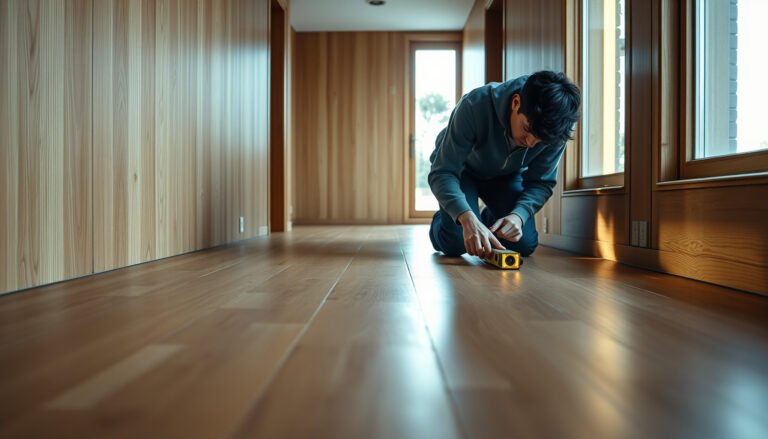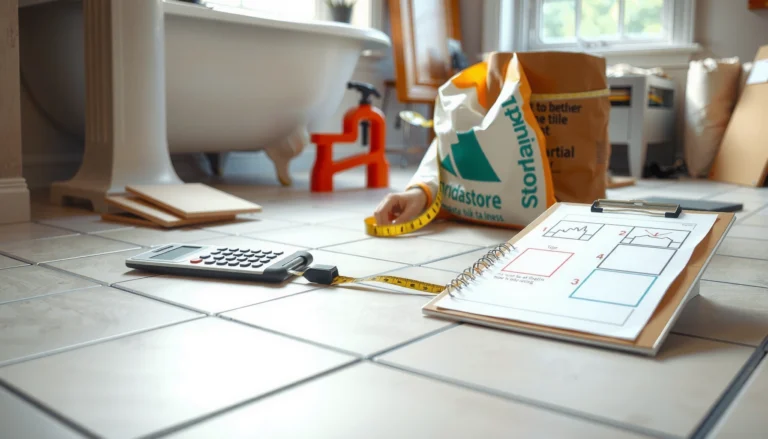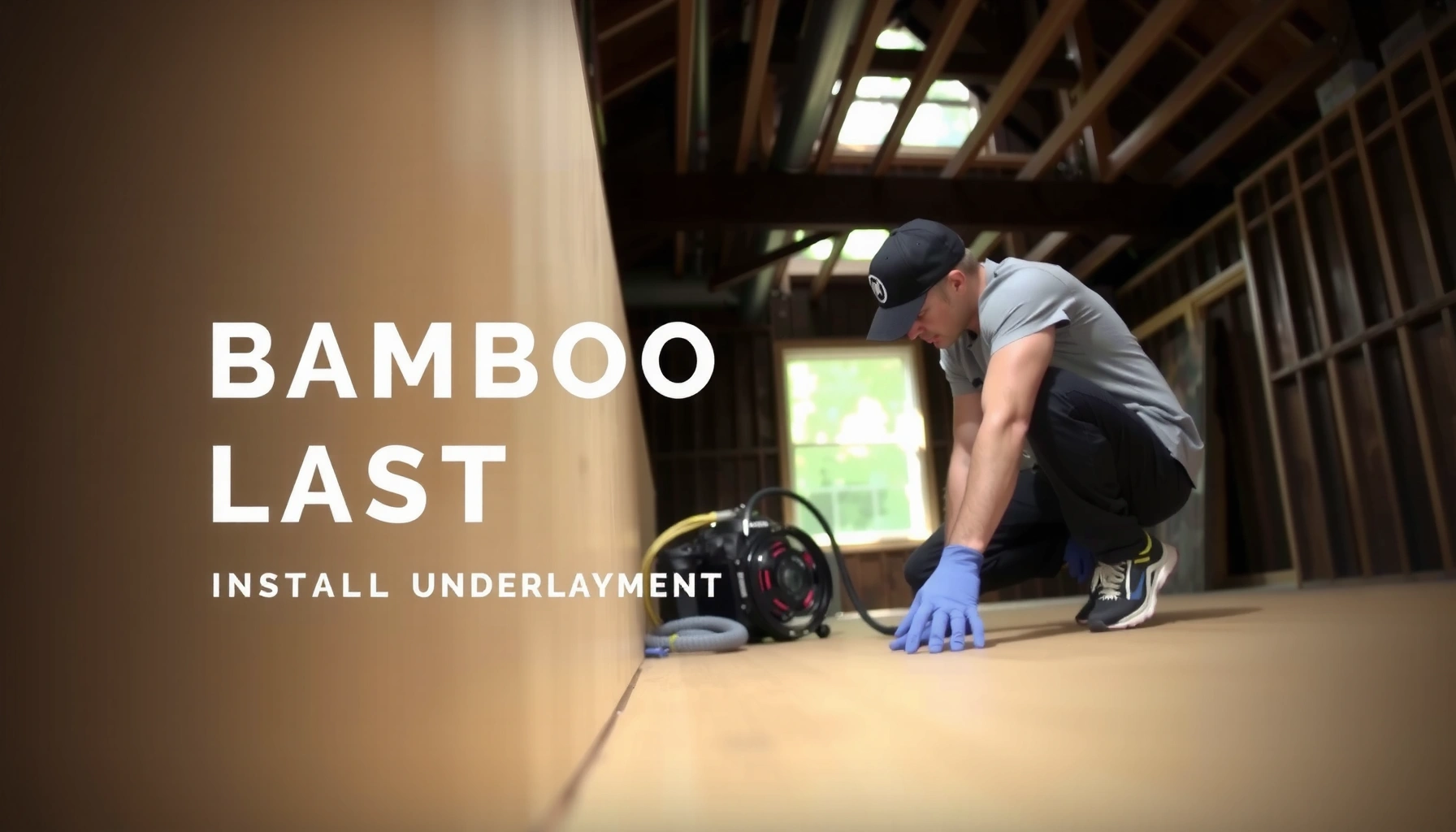

Installing underlayment under bamboo floors is a straightforward job when you follow the right sequence—prep the subfloor, lay the underlayment correctly, and tape seams for a flat, quiet finish. This step-by-step guide tells you exactly which underlayment to choose for your bamboo type and subfloor, then walks you through each installation step so it won’t shift, buckle, or squeak. If you want a clean, durable installation the first time, follow these instructions start to finish.



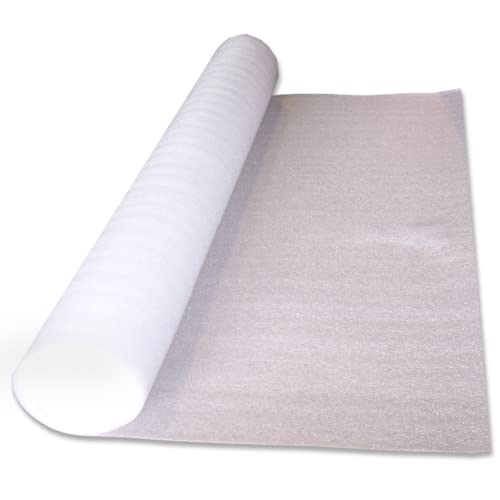
Underlayment goes between the bamboo flooring and the subfloor to control moisture, reduce noise, and smooth minor imperfections. Start by confirming whether your bamboo is click-lock floating or nail-down/adhesive, check whether your bamboo already includes an attached pad, and then pick the correct underlayment thickness and vapor barrier approach before you install the first row.
If your goal is a stable, quiet bamboo floor that doesn’t trap moisture, you’re in the right place. This guide walks you through what to verify, how to choose underlayment (including vapor barrier), how to tape seams, and how to avoid the installation failures that show up months later.
Check Your Bamboo Flooring Requirements First
Before buying or rolling out any underlayment, confirm your bamboo installation method and whether the manufacturer already specifies (or restricts) what goes underneath. The underlayment job is supporting moisture and noise control—not compensating for an unstable or wet subfloor—so your floor’s requirements determine the correct system.
“The underlayment requirements for floating floors and direct-glue/direct-nail floors are not interchangeable; always follow the bamboo manufacturer’s approved underlayment list.”
“If a bamboo product includes an attached pad, adding a second underlayment layer can violate the manufacturer’s thickness/softness limits.”
“Subfloor type (concrete vs. plywood/OSB vs. existing flooring) drives whether you must install a vapor barrier.”
Verify click-lock vs. nail-down/adhesive
Click-lock (often called “floating”) bamboo typically needs a separate underlayment that allows the floor to move slightly while still controlling moisture. Nail-down or adhesive installations often have stricter rules about underlayment placement because airflow and bond/fastener performance can be affected.
Check whether the pad is attached
Many bamboo products include an integrated pad or pre-attached underlayment film. If yours does, your best next step is to locate the “Requirements/Installation” section of your bamboo’s manual and find wording like:
– “Approved underlayments”
– “Do not install additional underlayment”
– “Maximum combined thickness”
– “Vapor barrier required over concrete”
Confirm your subfloor type and condition
Underlayment choice changes substantially across:
– Concrete slab (usually the biggest moisture risk)
– Plywood/OSB subfloor (still must be dry and flat)
– Existing flooring (may require removal depending on height and stability)
Concrete and wood subfloors can both fail without a flat base. Underlayment generally addresses minor unevenness—not dips, humps, or structural movement.
At-a-glance reliability note: According to ASTM guidance commonly referenced in flooring work, vapor emission and moisture management are critical over slabs; your specific acceptance criteria should come from your flooring system documentation. [ADD: source for moisture/vapor control criteria referenced in your flooring or ASTM standard]
Choose the Right Underlayment (Including Vapor Barrier)
In most installs, the “right” underlayment is the one that your bamboo manufacturer approves for your subfloor and moisture conditions—and that matches the required vapor barrier strategy. If you’re over concrete or near a crawlspace, prioritizing vapor control is often more important than cushioning.
“On concrete slabs, many flooring systems require a vapor retarder (vapor barrier) in addition to or integrated within the underlayment.”
“Underlayment thickness affects click-lock performance because excess softness can increase joint stress.”
“Use only moisture-appropriate materials (e.g., polyethylene vapor retarder or approved composite systems), not a generic foam pad.”
Moisture-first selection over concrete
If you’re installing over a concrete slab, look for an underlayment system that either includes a vapor barrier or is explicitly paired with one. A common approach is:
– Underlayment (for noise/comfort and minor smoothing)
– Vapor retarder (for moisture control)
A typical 6-mil polyethylene vapor retarder is widely used in flooring builds and is often specified around 0.06 perm class performance at 75°F/50% RH conditions, but the correct specification depends on your system and environment. [ADD: source for polyethylene perm rating and test conditions]
Choose thickness within manufacturer limits
Underlayment thickness is not just comfort—it impacts floor stability. If your bamboo installation manual lists a maximum underlayment thickness (or a “minimum rigidness” requirement), treat it as a hard limit.
This is one reason “it feels fine in the store” underlayment can still cause failure later: soft underlayments can increase movement at seams and joints.
Match underlayment material to room risk
– Basement / ground-level rooms: choose products designed for moisture exposure (per product documentation).
– Crawlspace-adjacent installs: treat humidity risk as real even if the slab/wood “looks dry.”
– High-humidity climates: prioritize vapor control and proper HVAC/house humidity management.
Practical moisture anchor: According to manufacturer installation guidance for many flooring systems, testing concrete moisture (often using in-situ methods) is required before installation. Your actual test method and acceptance values must come from your bamboo and underlayment documents. [ADD: source for your flooring’s moisture test method and acceptance criteria]
Quick pros/cons comparison: underlayment system types
Below is a practical decision frame based on common installation requirements (always defer to your bamboo’s manual for approval):
| Underlayment approach | Best for | Main upside | Main risk if used incorrectly |
|---|---|---|---|
| Foam underlayment (often 1–3 mm) | Dry, approved wood subfloors for click-lock | Noise reduction, minor smoothing | Too soft can cause flex and seam stress |
| Composite underlayment with attached vapor retarder | Concrete or higher moisture-risk areas (when approved) | Moisture control + cushioning in one system | If unapproved, vapor barrier performance may not meet requirements |
| Separate polyethylene vapor barrier + underlayment | Slabs where a separate vapor retarder is required | Clear moisture retarding layer | Wrong overlap/taping or punctures can fail the barrier |
| Cork (often used as underlayment where approved) | Some click-lock/float systems that permit it | Natural resilience and sound control | Thickness/softness may exceed limits or trap moisture if misused |
Prep the Subfloor for a Flat, Clean Base
Before laying underlayment, you need a subfloor that is clean, dry, and acceptably flat. Underlayment can handle minor texture, but it cannot correct major unevenness or structural movement.
“Underlayment cannot compensate for subfloor movement; structural flatness and stability are required before installation.”
“Removing debris and adhesive residue reduces telegraphing—underlayment and flooring defects that show through after installation.”
“Moisture control starts before underlayment: the subfloor must be dry enough to meet the flooring manufacturer’s requirements.”
Clean and verify flatness
Start by removing:
– Dust, drywall compound, and grit
– Old nails/screws that create bumps
– Peaked or loose adhesive residue
Then address high spots and low spots according to what your bamboo manual allows. Some systems permit filling/leveling within a certain range; others require sanding only or full re-leveling.
Ensure subfloor stability
If your plywood/OSB is flexing, the installation will telegraph problems—click-lock joints can separate over time. Fix subfloor movement before proceeding (e.g., tighten and reinforce as required by your floor system documentation).
Plan your layout
Correct seam alignment starts before the first sheet of underlayment:
– Decide your direction of runs
– Locate expansion gap needs at walls
– Plan transitions (doorways, hallways, and stairs)
A straight starting line prevents “snowball” misalignment later.
Install Underlayment Correctly (Seams, Overlap, and Tape)
With the subfloor prepped, underlayment installation becomes a precision task: orientation, seam strategy, and expansion-gap control determine whether the floor stays stable. The two biggest failure points are wrong seam direction and seams that aren’t sealed the way the product requires.
“Underlayment seams must be installed according to the flooring and underlayment instructions; products can differ on overlap and taping methods.”
“Keep flooring expansion gaps unobstructed; wedging underlayment into gaps can restrict movement.”
“Tape compatibility matters: using the wrong tape can prevent a vapor retarder from functioning as intended.”
Orientation: perpendicular to the boards (as directed)
Many floating floors call for underlayment laid perpendicular to the bamboo plank direction (follow both manuals). This reduces seam alignment issues and helps limit ridges.
Overlap and seam staggering
– Stagger underlayment seams (avoid continuous lines).
– Avoid bunching or stretching.
– Seal seams only as specified—some systems require specific tape types and minimal overlap; others require full seam sealing.
Maintain edge and wall gaps
Most bamboo floating floors require an expansion gap at walls and fixed edges (commonly around the perimeter). Underlayment should stop where the gap begins so it doesn’t “bridge” and restrict floor movement.
Compliance reminder: “attached pad” systems
If your bamboo has an attached pad, you may still add a thin vapor layer (in some systems) but you cannot assume you can double up on cushioning. The bamboo manual’s “max thickness” language is the controlling rule.
Lay Bamboo Flooring Without Trapping Problems
Now you move from moisture management to floor performance. Proper installation prevents trapped moisture, reduces bounce, and keeps click-lock joints engaged (or keeps nail/adhesive systems within their constraints).
“Floating click-lock floors require the underlayment to stay flat and stable so the expansion gap remains unobstructed.”
“For nail-down or adhesive bamboo, underlayment restrictions can apply; violating them can affect fastening, bonding, or airflow requirements.”
“Early inspections help: correcting underlayment shifting or joint mismatch immediately prevents widespread rework.”
For click-lock (floating) bamboo
– Confirm the underlayment doesn’t shift during plank placement.
– Keep the underlayment aligned and wrinkle-free.
– Watch for “telegraphing” (underlayment ridges showing through) and stop if you see it.
If the floor feels excessively springy while you walk on it, that’s a strong signal your underlayment softness or thickness is out of spec.
For nail-down/adhesive bamboo
– Follow the bamboo manual precisely on which underlayment types are allowed.
– Don’t improvise around bonding/fastener plans.
– Ensure nail-down instructions about acceptable moisture levels and subfloor flatness are met before starting.
Check as you go
During installation:
– Verify plank locking engagement (for click-lock).
– Monitor for small gaps forming along joints.
– If seams drift, stop and re-align; don’t continue “because it’ll settle.”
What Can Go Wrong (Common Mistakes to Avoid)
Most underlayment issues trace back to moisture control mistakes, underlayment compatibility, or an unstable base. If you want fewer headaches, prioritize correct system selection and installation discipline.
“Moisture/vapor control errors over slabs can lead to cupping, odor, and microbial growth risks even if the floor initially looks fine.”
“Using underlayment that is too thick or too soft can increase floor bounce and joint stress in click-lock systems.”
“Improper seam overlap or incorrect tape can create vapor migration paths through underlayment seams.”
“Installing over an uneven subfloor causes telegraphing and localized joint failure—underlayment is not a substitute for leveling.”
Common failure modes
– Skipping vapor control on slabs: Later symptoms include cupping, discoloration, or odor.
– Wrong thickness or double-layers: Added softness increases movement at joints.
– Seam mistakes: Overlap gaps or unsealed seams can undermine moisture control.
– Uneven substrate: You’ll see ridges, rocking planks, or inconsistent joint lines.
Limits of this advice
This guide covers typical best practices and system logic. However, every bamboo manufacturer’s approved underlayment list and thickness limits override general recommendations. If you can’t verify the vapor barrier requirements from your documentation, pause and confirm before installing.
Verdict / Tip: Use Manufacturer Specs, Not Guesswork
The most dependable approach is to choose an underlayment system that matches your bamboo manufacturer’s written requirements for your subfloor and moisture conditions. The upside is straightforward installation and fewer long-term risks; the downside is that “similar” underlayments can be incompatible in ways that only become obvious after months of expansion cycles or moisture exposure.
If your subfloor is actively damp, damaged, or structurally unstable, or if you can’t confirm vapor barrier requirements from your bamboo and underlayment documentation, skip this DIY path and get a flooring professional—or at least consult the manufacturers’ technical support.
Underlayment & Vapor Retarder System Targets Used in Bamboo/Hardwood Installs
| # | System Type (Common in Approved Builds) | Typical Thickness (mm) | Common Vapor Retarder Form | Moisture Control Fit* |
|---|---|---|---|---|
| 1 | Foam underlayment alone (dry subfloor use only) | 1.5–3.0 | None / underlayment-only | Low |
| 2 | Composite underlayment with integrated vapor layer | 1.0–2.5 | Integrated film | Medium–High |
| 3 | 6-mil polyethylene vapor retarder + underlayment | Underlayment 1.0–2.0 | 6 mil poly sheet | High |
| 4 | 10-mil polyethylene vapor retarder + underlayment | Underlayment 1.0–2.0 | 10 mil poly sheet | High |
| 5 | Cork underlayment (only if bamboo permits) | 2.0–4.0 | Often none (system-dependent) | Medium |
| 6 | IXPE-type foam + vapor film composite | 1.0–2.5 | Integrated film | Medium–High |
| 7 | Underlayment with pre-taped seams (system-dependent) | 1.0–2.0 | Integrated film + taped seams | Medium–High |
“Moisture control fit” is a practical fit-category based on common system roles; final approval must come from your bamboo flooring and underlayment manufacturers. [ADD: sources for typical thickness ranges and vapor retarder thickness/perm behavior]
Quick Checklist (Scan Before You Start)
– Confirm: click-lock vs. nail-down/adhesive, and whether underlayment is already attached
– Match underlayment to subfloor type (especially concrete/moisture conditions)
– Prep: clean, stable, and acceptably flat subfloor
– Install: correct direction, seam layout, and overlap/tape method
– Keep expansion gaps clear at walls and edges
– Stop if underlayment shifts, floor flex feels excessive, or seams don’t stay aligned
FAQ
Do bamboo floors always need underlayment?
Not always. Some bamboo products include an attached pad and specify whether additional underlayment is allowed—check the manufacturer instructions before adding extra layers.
Can I use any vapor barrier under bamboo flooring?
No. Vapor barrier requirements depend on your subfloor (especially concrete) and your specific bamboo flooring system. Use the vapor barrier approach described in your flooring and underlayment documentation.
Should I overlap underlayment seams?
Often yes, but the exact overlap amount and whether to tape seams depends on the underlayment product—follow the manufacturer’s instructions rather than guessing.
How thick should underlayment be for bamboo floors?
Use only the thickness range approved by the bamboo flooring manufacturer (and the underlayment spec). Too-thick underlayment can cause bounce and joint stress.
Is it okay if the underlayment wrinkles or has small gaps?
Small issues may be fixable before flooring goes down, but wrinkling, gaps, or uneven installation can lead to movement and floor defects—replace/reinstall if it won’t lay flat as required.
Sources
– [ADD: Source for bamboo flooring underlayment/vapor barrier requirements — cite the specific manufacturer’s installation guide for your bamboo product]
– [ADD: Source for underlayment installation details (seam overlap, tape requirements, allowed thickness) — cite the specific underlayment manufacturer’s technical data sheet/installation instructions]
– [ADD: Source for moisture/vapor barrier requirements over concrete subfloors — cite the underlayment manufacturer and/or flooring manufacturer guidance]
A successful bamboo install comes down to one principle: treat underlayment as part of an approved system, not a generic cushion. If you verify your bamboo type, pick an approved underlayment/vapor barrier solution for your subfloor, prep for flatness, and install seams and expansion gaps exactly as specified, you substantially reduce the risk of trapped moisture, joint failure, and long-term floor instability.
Frequently Asked Questions
How do I install underlayment under bamboo floors step by step?
Start by preparing the subfloor: it should be clean, dry, flat, and free of debris. Lay the underlayment under bamboo flooring according to the manufacturer’s direction (typically with seams overlapped or taped), then cut around vents, posts, and edges for a tight fit. If you’re using a moisture barrier, ensure the barrier layer is oriented correctly and overlap seams so water vapor can’t migrate. Finish by installing the bamboo planks, leaving any required expansion gap at walls and fixed surfaces.
What type of underlayment is best for floating bamboo floors?
For floating bamboo floors, a good underlayment for bamboo flooring usually includes impact reduction and moisture protection, often using foam with an attached vapor barrier or a separate 6-mil plastic sheet. Look for underlayment labeled for “floating floors” and compatible with bamboo click-lock systems, since thickness and compression properties affect performance. If your subfloor has higher moisture or you’re on a concrete slab, prioritize an underlayment with vapor barrier coverage to help prevent cupping and buckling. Always follow the bamboo flooring manufacturer’s specs for approved underlayments and maximum thickness.
Why do I need a moisture barrier under bamboo flooring, especially on concrete?
Bamboo is sensitive to moisture fluctuations, and vapor migration from concrete can cause swelling, gapping, or premature wear. A moisture barrier under bamboo floors helps limit humidity reaching the underside of the planks, which is especially important with slab-on-grade installs. For proper protection, overlap vapor barrier seams and seal them with tape, then extend the barrier at least to the height specified by your flooring instructions. Skipping the moisture barrier is one of the most common causes of underlayment failure.
Which underlayment thickness should I choose for bamboo flooring to avoid problems?
Choose underlayment thickness based on the manufacturer’s maximum allowable thickness for your bamboo floor system. Too thick can reduce locking mechanism stability, cause excessive bounce, and lead to joint separation, while too thin may not provide adequate sound and impact reduction. Many installers aim for a balanced combination of comfort and rigidity, using the approved product recommended for bamboo floating floors. If you’re unsure, confirm the floor’s installation guide requirements before buying underlayment.
How do I handle underlayment seams, edges, and overlap when installing under bamboo floors?
When laying underlayment, stagger seams when possible and overlap the edges according to the underlayment’s installation instructions, then tape seams with the recommended tape to maintain continuity. Keep the underlayment flat and avoid stretching it, which can create ridges that show through and affect plank alignment. At the perimeter, maintain the required expansion gap and trim excess underlayment so it doesn’t interfere with baseboards or transitions. For best results, check that doorways, corners, and undercut trim areas are neatly fitted so the bamboo flooring can expand and contract freely.
📅 Last Updated: October 11, 2026 | Topic: How to install underlayment under bamboo floors? | Content verified for accuracy and freshness.
References
- Underlayment
https://en.wikipedia.org/wiki/Underlayment - https://en.wikipedia.org/wiki/Bamboo_flooring
- Google Scholar Google Scholar
https://scholar.google.com/scholar?q=how+to+install+underlayment+under+bamboo+flooring - Google Scholar Google Scholar
https://scholar.google.com/scholar?q=bamboo+flooring+moisture+barrier+underlayment+concrete+subfloor - Google Scholar Google Scholar
https://scholar.google.com/scholar?q=bamboo+floor+installation+floating+floor+underlayment+acoustic+vapor+barrier - Floating floor
https://en.wikipedia.org/wiki/Floating_floor - Vapor barrier
https://en.wikipedia.org/wiki/Moisture_barrier - https://en.wikipedia.org/wiki/Engineered_wood
- https://www.nwfahq.org/education-resources/technical-documents
- Mold | Mold | CDC
https://www.cdc.gov/mold/