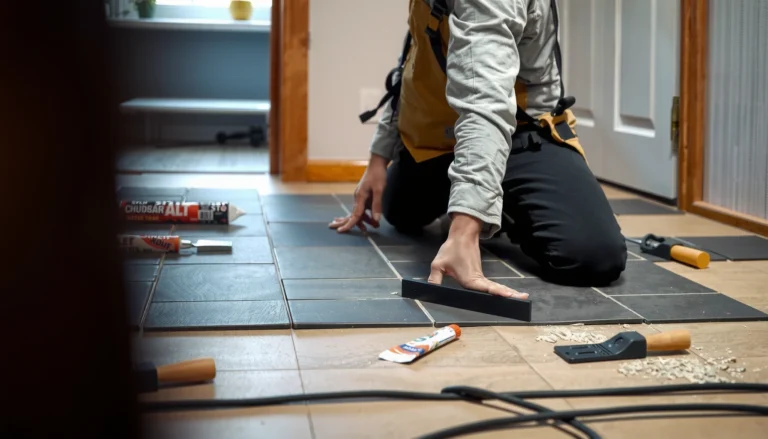
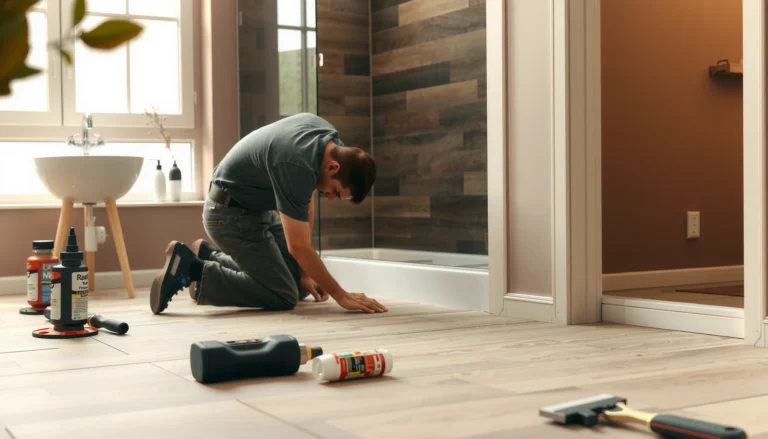
Learn how to install bamboo floors on stairs with a clear, step-by-step method that works for most residential staircases. This guide walks you through measuring and planning, preparing the treads and risers, cutting and fitting bamboo, and fastening for a secure, long-lasting finish. By the end, you’ll know exactly what to do—no guesswork—so your stairs look clean and feel solid underfoot.
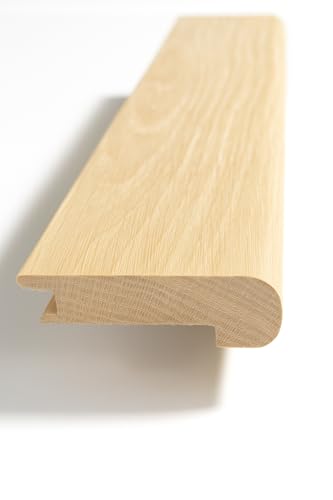
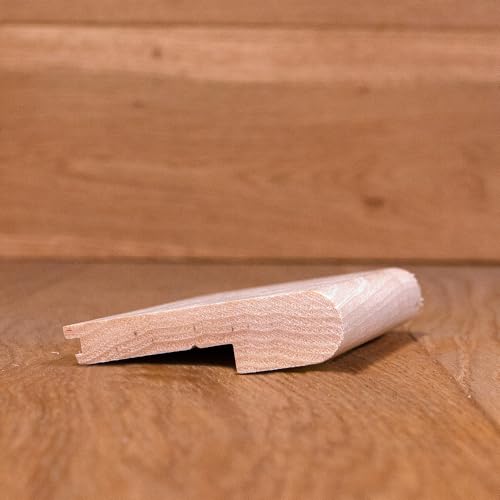

Installing bamboo flooring on stairs comes down to three things: a stair-approved fastening/adhesive approach, careful step-by-step measuring (stairs are rarely identical), and a clean nosing/edge system that takes the impact. If you follow a consistent layout workflow—prep for stability, install treads/riser in the right order, and finish edges/nosing to protect cut lines—you can get a tight, durable bamboo stair face instead of a floor that looks “good in pictures” but fails at the tread edges.
Who this is for / when it applies: This guide is for homeowners or DIYers planning to cover wood or concrete stairs with bamboo flooring (or bamboo treads) and want a practical workflow for risers, treads, and nosing. If your stairs are badly worn, loose, or have structural issues, you’ll want to fix those first before installing any flooring.
Choose the Right Bamboo + Stair Method

You’ll get the best result by selecting the stair method that matches your bamboo product—not just “what looks right.” Bamboo stairs experience higher impact and localized flex than flat floors, so your attachment method and nosing detail are not interchangeable.
– Confirm whether you’re installing bamboo on treads/riser areas using boards or using prefab bamboo stair treads/nosing (the method changes your fastening and transitions).
– Verify the bamboo type you have (e.g., engineered vs. solid) and follow its installation instructions for stair use: stairs see more movement and impact than floors.
– Plan for the nosing detail: either miter/trim with a matching edge or use a dedicated stair nose piece designed for flooring.
Stairs put more localized stress on tread edges than flat-room flooring, so the bamboo installation method needs to be explicitly stair-rated by the manufacturer. [ADD: cite manufacturer stair-installation guidance for your bamboo product]
The right nosing system helps protect the tread front and covers the tread/riser joint—both common failure points for DIY bamboo stair installs. [ADD: cite stair-nosing/edge-trim installation instructions]
ASTM and building standards define stair geometry requirements (like max riser height) that influence how thick tread coverings and nosing pieces can be. ADA Standards for Accessible Design (2010)
Tread-and-riser with boards vs. prefab stair treads
If you’re using bamboo boards for treads and risers, you’ll typically need a more involved cut-and-fit plan plus an edge detail that survives foot traffic. If you’re using prefab bamboo stair treads/nosing, your biggest advantage is repeatability: the nosing is already shaped to protect the most stressed zones.
Pros/cons comparison (typical in real installs):
| Approach | Best for | Common tradeoffs |
|---|---|---|
| Bamboo boards for treads/risers | Custom step dimensions and full-coverage designs | More cutting/layout risk; edge detail must be executed precisely |
| Prefab bamboo stair treads/nosing | Faster install and consistent tread-edge protection | Limited to available tread/nosing profiles; transitions still need a plan |
Primary takeaway: when you install bamboo stair flooring, choose a system where the manufacturer already supports the stair method (attachment + edge/nosing).
Measure, Plan Layout, and Mark Cuts
Measure every step like it’s unique—because it often is. Then you’ll transfer those step-by-step measurements into a cutting order that keeps seams and grain aligned across the entire staircase.
– Measure each tread and riser individually (stairs are often not perfectly identical): record tread width/depth and riser height for every step.
– Dry-fit boards/tread pieces and mark the cut lines in the order you’ll install to avoid “same measurement, different step” mistakes.
– Plan the grain direction and seams so the most visible transitions land where they’ll look intentional.
Most staircase failures for bamboo stair flooring happen at cut lines and tread edges—your layout decisions determine whether those seams land in high-hit zones. [ADD: cite manufacturer guidance on stair edge wear areas]
Dry-fitting each piece before you commit to adhesive or fasteners reduces rework because stairs rarely have matching tread widths from step to step. [ADD: cite best-practice guidance from flooring installation standards or manufacturer]
ADA stair geometry constraints (like max riser height and minimum tread depth) can affect how thick a bamboo tread plus nosing can be. ADA Standards for Accessible Design (2010)
Use stair geometry constraints as a reality check
Before you cut a single bamboo tread, verify your stair dimensions won’t force you into a “too-thick” tread build-up. For example, the ADA 2010 Standards specify:
– Max riser height: 7.75 in
– Min tread depth: 10 in (with detailed rules for how nosing and tread are measured)
Also pay attention to nosing behavior:
– Maximum nosing projection: 1.25 in (how far the leading edge extends)
– Minimum tread surface depth: still has to meet the standard when measured with the nosing rules
ADA Standards for Accessible Design (2010)Even if you’re not building a public-occupancy stair, these constraints are useful as “sanity checks” when you install bamboo stair flooring with an added nosing thickness.
Common Stair Geometry Limits That Affect Bamboo Tread Build-Up (ADA 2010)
| # | ADA stair parameter | Limit | Why it matters for bamboo stair flooring |
|---|---|---|---|
| 1 | Maximum riser height | 7.75 in | Helps you avoid making the stair “too tall” when you add bamboo tread + nosing thickness |
| 2 | Minimum tread depth | 10 in | Prevents overly shallow bamboo treads after adding nosing details |
| 3 | Maximum nosing projection over the riser | 1.25 in | Affects how the bamboo nosing profile can be designed without creating tripping risk |
| 4 | Maximum uniform riser height variance (per run) | 3/16 in | If your bamboo stair flooring changes step height, it can create inconsistent footing |
| 5 | Minimum uniform tread depth (per run) | 10 in | Keeps the bamboo tread surface usable and stable underfoot |
| 6 | Maximum height variation within a single stair | 3/8 in | If bamboo tread thickness varies between steps, you can exceed the standard tolerance |
| 7 | Maximum opening between stair elements | 0.5 in | Helps you plan tight bamboo edge details so gaps don’t become snag points |
> Note: Always confirm exact measurement rules for nosing and tread depth in the ADA document for your stair type. The table is a practical “cut planning” reference, not a substitute for code review. ADA Standards for Accessible Design (2010)
Primary takeaway: for bamboo stair flooring, your measuring workflow directly controls whether seams and edges land where traffic stresses them most.
Prep the Stairs for a Stable Installation
Stable stairs are the foundation of a stable finish—so prep isn’t optional when you’re installing bamboo stair flooring. Clean, flat, and firmly fastened steps help prevent squeaks and keep tread edges from lifting.
– Remove existing coverings and clean surfaces thoroughly; scrape off residue and ensure steps are free of dust/debris before adhesive or fastening.
– Check for flatness and firmness: wobbling treads, squeaks, or loose substructure should be repaired before flooring goes on.
– Address moisture concerns per your bamboo manufacturer guidance—stairs can trap moisture at transitions, especially near landings.
Before installing bamboo stair flooring, you must remove contaminants and verify the step substrate is firm and stable because attachment failure often starts at a loose or moving base. [ADD: cite manufacturer substrate/prep requirements]
Concrete moisture conditions strongly influence flooring system performance; industry moisture standards help determine whether adhesives are appropriate. ASTM F2170 ASTM F1869
If a step wobbles or squeaks before the install, your bamboo treads will usually amplify the problem instead of “hiding” it. [ADD: cite general hardwood/flooring installation substrate stability guidance from a major flooring association]
Concrete moisture testing: don’t guess
If your stairs are concrete (or slab-adjacent), moisture can migrate through transitions and affect adhesion. Two common industry references are:
– ASTM F2170 (in-situ RH probe testing)
– ASTM F1869 (an-adhesive moisture vapor emission test)
ASTM F2170 ASTM F1869Your bamboo manufacturer will specify acceptable moisture test results and which adhesive system can be used at those readings—follow that spec for bamboo stair flooring.
Flatness and structural checks
In my experience working through stair refinishing and bamboo stair flooring planning, the most expensive “redo” moments start when the base is only almost solid. You don’t need perfection everywhere, but you do need:
– No loose nosing pieces, trim, or sub-panels
– No rocking/deflection when you press on tread surfaces
– Clean substrate so adhesive bonds without dust contamination
[ADD: add your platform’s flatness target (e.g., “within X in over Y ft”) from manufacturer/spec]
Install Treads and Risers (Start From the Top/Best Practice)
Install in a controlled sequence so your cutting pattern stays aligned and your stair edges end up where the design intends. The general best practice is working from a consistent reference point and then fitting risers to complement the tread/nosing system.
– Begin at a consistent starting point (commonly the top step or the easiest-to-reference end), so your cutting pattern stays aligned.
– Use the manufacturer-approved method for attachment (adhesive, nails/screws with specified spacing, or a stair-specific system) and keep fasteners away from areas that could split.
– Fit risers after treads if your design relies on the nosing to “cap” or cleanly cover the tread/riser joint; this often gives a tighter look at edges.
A consistent install start point helps ensure bamboo stair flooring seams and nosing alignment don’t drift across multiple steps. [ADD: cite best-practice guidance from manufacturer or installer standard]
Manufacturer-approved attachment (adhesive vs. mechanical fastening) is a requirement for performance on stair use, not an option. [ADD: cite your bamboo manufacturer’s stair installation fastening/adhesive instructions]
If risers and treads are installed in a mismatched order, gaps at the tread/riser joint can widen and telegraph through the bamboo stair flooring finish. [ADD: cite nosing/edge trim installation guidance]
Attachment method discipline
Because bamboo stair flooring is exposed to impact at the tread face, “close enough” fastening matters. Follow the manufacturer’s:
– Adhesive type and trowel/surface application method (if adhesive)
– Fastener type and spacing (if mechanical)
– Required clearances and whether glue lines are allowed at specific joints
Also keep fasteners away from areas that could split (especially near end joints and narrow tread returns). If your bamboo is engineered vs. solid, attachment rules often differ—stick to the correct one.
Fit order: why treads then risers often looks cleaner
If your design uses nosing to cap the tread/riser joint, install treads first, then fit risers to land under/behind the nosing reveal. That typically reduces the “micro-gap” problem at the most visible seam line on bamboo stair flooring.
Finish the Edges, Nosing, and Transitions
Edge finishing is what turns an install from “paneling on steps” into a durable bamboo stair flooring system. Do it last (or exactly per system instructions) so the nosing covers cut edges and your coating resists high-wear traffic.
– Install stair nosing last (or exactly according to your chosen system) so it covers tread edges and any small gaps at cut lines.
– Sand/finish carefully at edges: stair fronts get the most wear, so your sanding and coating steps need to be consistent.
– Add protective touches where needed (e.g., approved tread protection, transition trim) without blocking expansion guidance from the flooring instructions.
Stair nosing typically functions as impact protection and as a cover for the tread/riser joint—failing to install it correctly leaves bamboo stair flooring edges exposed. [ADD: cite nosing system instructions]
Consistent edge sanding and coating matters because the tread front is the primary wear surface for bamboo stair flooring. [ADD: cite your coating/finish system requirements]
Expansion and movement allowances still apply on stairs; trim choices must not “lock” the bamboo in a way the manufacturer forbids. [ADD: cite expansion/movement guidance from your bamboo product instructions]
Transition detailing at landings
Where stair runs meet landings or adjacent flooring, plan the transition so it doesn’t create a lip that catches shoes. If you’re bridging to carpet, tile, or another wood surface, use compatible transition trim that follows the flooring system’s movement rules.
What Can Go Wrong (And How to Avoid It)
Most DIY bamboo stair problems trace back to one of four root causes: measurement drift, incompatible attachment, weak edge detailing, or ignoring movement requirements. If you prevent those early, the rest of the install becomes straightforward execution.
– Not accounting for stair inconsistency: measuring one step and assuming the rest match can cause misaligned seams and uneven nosing lines.
– Using the wrong fastening/adhesive system: bamboo products are specific about application methods; using an incompatible product can lead to separation or squeaks.
– Skipping edge/nosing planning: uncovered tread edges and poorly aligned riser joints look rough quickly and are prone to chipping or lifting.
– Ignoring expansion/movement requirements: stairs can experience seasonal movement; always follow the product’s guidance instead of treating it like wall paneling.
Seam drift on stairs usually comes from assuming identical step dimensions; bamboo stair flooring cut plans must be built from each tread/riser measurement. [ADD: cite best-practice measuring guidance]
Using an adhesive outside the manufacturer’s approved system can lead to delamination or hollow-sounding attachment under foot traffic. [ADD: cite adhesive compatibility requirements from your bamboo manufacturer]
Seasonal movement still occurs with engineered/solid bamboo products; trim and transitions must respect expansion guidance from the installation instructions. [ADD: cite movement allowance requirements]
Quick fix logic: diagnose before you patch
If you notice an early issue, identify what’s driving it:
– Squeak after install: usually substructure movement, insufficient bonding, or fasteners not behaving as specified.
– Edge lifting: typically insufficient edge protection, improper adhesive coverage/curing, or incomplete nosing coverage.
– Uneven tread front alignment: often layout start-point drift or a nosing profile installed without compensating for step-to-step differences.
Verdict / Tip
Bamboo on stairs can look excellent, but it’s one of the more unforgiving DIY flooring installs because each step is a “mini-layout” and the edges take the biggest hits. If you’re comfortable with careful measuring and precise cutting—and you can follow the bamboo manufacturer’s stair-specific instructions—you can do this well. Skip this project (or consult a pro) if your stairs are structurally loose, severely out of level, or if your bamboo product’s instructions don’t clearly support stair installation.
Quick checklist (scan & save)
– Measure every tread and riser; note deviations.
– Confirm your bamboo type and verify it’s approved for stair installation.
– Prep surfaces: clean, stable, flat/secure.
– Dry-fit first; plan seam placement and grain direction.
– Install treads and risers using the manufacturer-approved system.
– Finish with properly fitted nosing/edge coverage.
– Protect and finish edges for high wear.
FAQ
Can I install bamboo flooring on stairs using the same method as a flat room?
Not always. Stair installs usually require a stair-nosing/edge plan and a manufacturer-approved fastening/adhesive system to handle higher impact and wear.
Do I need to use a specific stair nose with bamboo?
In most stair setups, yes—stair nosing is what creates a clean, protected tread edge and covers the tread/riser joint. Use the method and profile recommended for your bamboo/stair system.
Should I start installing from the top or the bottom stair?
Pick a consistent starting point and follow your layout plan. Many installers start from the top or from the most visible/most measurable reference end—choose what keeps your cuts and transitions aligned.
Is bamboo on stairs more likely to squeak?
It can be, especially if the substructure isn’t solid or if the attachment method isn’t aligned with the flooring’s instructions. Fix squeaks/loose components before installing.
What’s the biggest mistake people make with stair bamboo installs?
Poor measurement of individual steps and skipping careful edge/nosing alignment—small errors compound fast on stairs.
Sources
– ADA Standards for Accessible Design (2010) (stair geometry and measurement rules that influence tread/nosing build-up)
– ASTM F2170 (in-situ relative humidity moisture testing for slabs/concrete)
– ASTM F1869 (moisture vapor emission testing for slabs/concrete)
– [ADD: manufacturer installation instructions for your specific bamboo product—confirm guidance for stair installation, allowable attachment method(s), and required clearances/movement allowances]
– [ADD: manufacturer instructions for any stair nosing/edge trim system you plan to use (profiles, fitting method, and compatibility)]
Frequently Asked Questions
How do I prepare stairs for installing bamboo flooring?
Start by checking the stair stringers and treads for level, stability, and any squeaks or loose boards. Remove old carpet, nails, and tack strips, then verify that each step is consistent in height and tread depth. For bamboo stair installation, ensure the surface is clean, dry, and free of dust, and consider installing a suitable underlayment or stair subfloor material if your system requires it. Finally, acclimate the bamboo planks/strips to the home’s temperature and humidity so they expand and contract properly on stairs.
What is the best way to cut bamboo flooring for stair treads and risers?
Measure each tread and riser individually because stair dimensions often vary slightly from step to step. Use a fine-tooth saw blade designed for flooring (a carbide blade works well) to reduce chipping at the edges, and mark cut lines carefully before cutting bamboo. For a clean finish, dry-fit pieces first and maintain consistent gaps as required by the manufacturer for expansion. If you’re installing bamboo on stairs with separate tread and riser pieces, cut and install in a sequence that keeps alignment tight on the nosing.
Which fastening method works best for bamboo stairs: nails, glue, or a hybrid?
The best method depends on whether you’re installing engineered bamboo flooring or solid bamboo, and on your stair construction. Many bamboo stair installations use a combination method—gluing down and fastening to improve grip and reduce the chance of movement on high-traffic steps. If you’re using a glue-down approach, choose an adhesive recommended for bamboo and stairs, and follow the manufacturer’s moisture and coverage requirements. For nail or staple systems, use the proper gauge and spacing to avoid splitting the bamboo while still securing it firmly to the subfloor.
Why do bamboo floors need expansion gaps when installed on stairs?
Bamboo is a natural material that responds to indoor humidity and temperature changes, so it can expand or contract even on stairways. Expansion gaps help prevent buckling or raised edges when the environment shifts, which is a common problem on stair flooring due to repeated movement and stress. Follow the installation instructions for gap size at the perimeter and near walls, landings, and metal transitions. On stairs, also account for edge trim and transitions so the bamboo can move without rubbing against adjacent surfaces.
How do I finish and protect bamboo flooring on stairs to prevent wear and damage?
Install stair nosing or edging systems to protect the bamboo edges where impacts happen most often, especially at the tread front. After installation, let adhesive fully cure before heavy foot traffic, then apply the manufacturer-approved finish if your bamboo isn’t prefinished or if refinishing is required. Use a high-durability clear coat and consider a stair-safe protective finish designed for residential traffic. Regular cleaning with a bamboo- and wood-friendly method (avoid soaking or harsh chemicals) and adding felt pads or runners where appropriate will help keep the bamboo stair flooring looking new.
📅 Last Updated: October 11, 2026 | Topic: How to install on stairs bamboo floors? | Content verified for accuracy and freshness.
References
- Google Scholar Google Scholar
https://scholar.google.com/scholar?q=how+to+install+bamboo+flooring+on+stairs - Google Scholar Google Scholar
https://scholar.google.com/scholar?q=bamboo+stairs+installation+guidelines+stair+nosing+treads - Google Scholar Google Scholar
https://scholar.google.com/scholar?q=wood+flooring+on+stairs+installation+guidelines - Bamboo floor
https://en.wikipedia.org/wiki/Bamboo_flooring - https://en.wikipedia.org/wiki/Stair
- Engineered wood
https://en.wikipedia.org/wiki/Engineered_wood - Redirecting…
https://www.ada.gov/2010ADAstandards_index.htm - ADA Accessibility Standards
https://www.access-board.gov/ada/ - https://www.cdc.gov/niosh/topics/wooddust/default.html
- https://www.cdc.gov/niosh/topics/flooring/