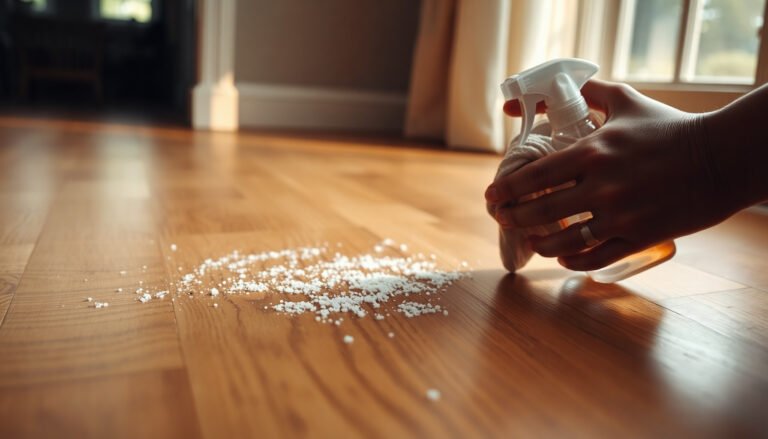

How do you remove black rubber marks from engineered wood floors without stripping the protective finish? Most marks respond to careful cleaning in about 10 to 20 minutes, as long as you avoid harsh abrasives and excess moisture. Gather a microfiber cloth, a pH-neutral floor cleaner, and—only if needed—an isopropyl alcohol dab on a cloth, then test in a hidden spot before working the residue outward.



Rubber marks on engineered wood usually come off with a gentle mix of heat/softer action plus the right cleaner—not abrasive scrubbing. Start by loosening the residue (often with a warm, damp cloth), then wipe with a cleaner safe for finished floors and finish by drying thoroughly. If the marks are still there, you’ll need to escalate carefully using non-damaging methods like specialty floor-safe cleaners (and avoid anything that could strip the finish).
If you have black scuffing from sneakers, mats, or rubber wheels, this guide walks you through safer removal steps for engineered wood. It’s especially useful when you want to keep the existing finish intact and reduce the risk of dull spots, haze, or surface scratches—an especially important concern in 2026 as many engineered wood floors use durable factory-cured topcoats that can still be compromised by the wrong chemistry.
Check the finish and test in a hidden spot first
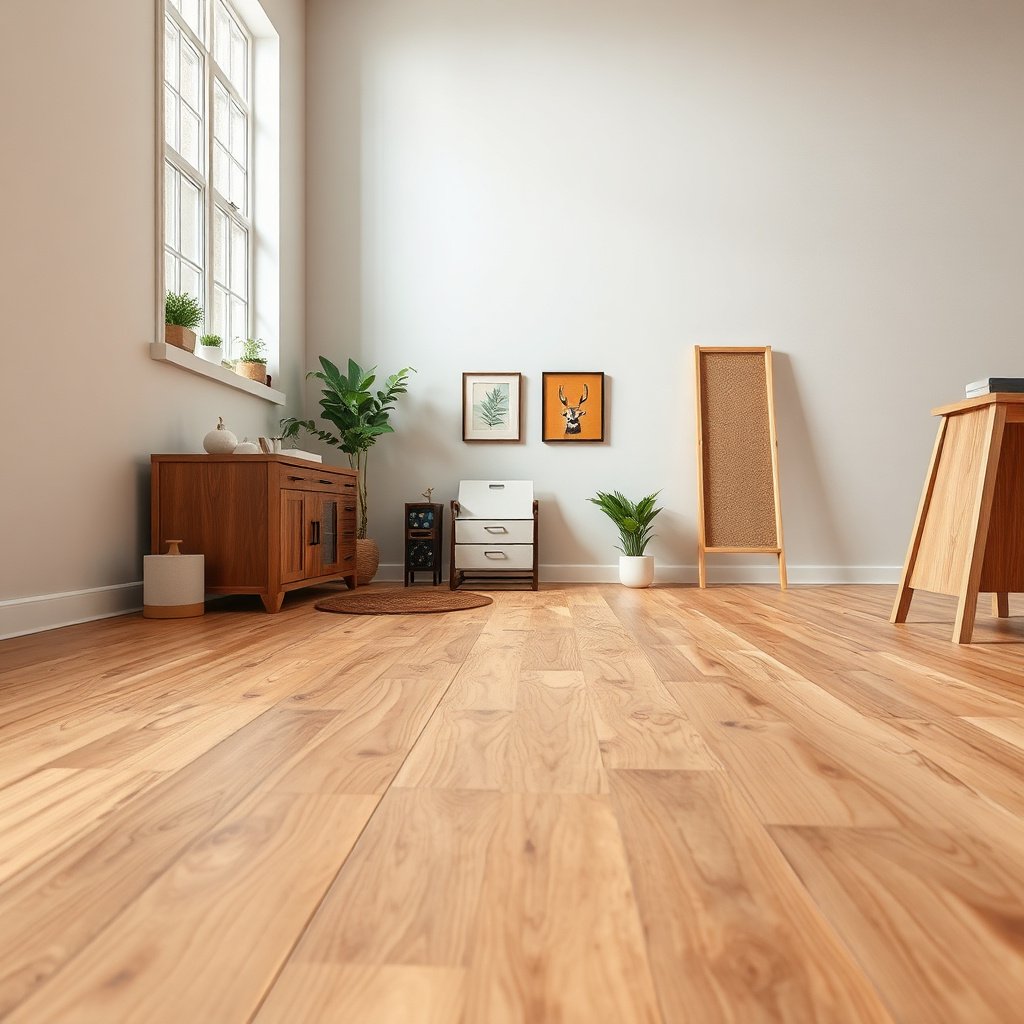
You get the best results when you treat your engineered wood floor as “finished,” not bare wood. The goal is to protect the factory top layer while you remove transferred rubber oils and carbon-like smudges, and that starts with checking finish type and testing a small area first.
– Confirm your floor is “engineered wood” with a factory finish (most are). Don’t treat it like bare wood.
– Before you try anything, test your cleaner/step in a closet corner or under a rug to see if it changes shine or color.
– Stop and reassess if you notice whitening, tackiness, or a sudden loss of gloss—those are signs the finish is reacting.
In practice, engineered wood floors typically have a wear layer (real wood) plus a protective topcoat (often polyurethane or aluminum-oxide enhanced systems on some products). If that topcoat is glossy, scuffing and rubber transfer can sometimes “ghost” after cleaning because the finish sheen changes—even when the residue is gone. As of 2026, the safest workflow is still: verify you’re working on a factory-finished surface, then choose methods designed for finished hardwood floors.
Loosen rubber residue with gentle heat and moisture
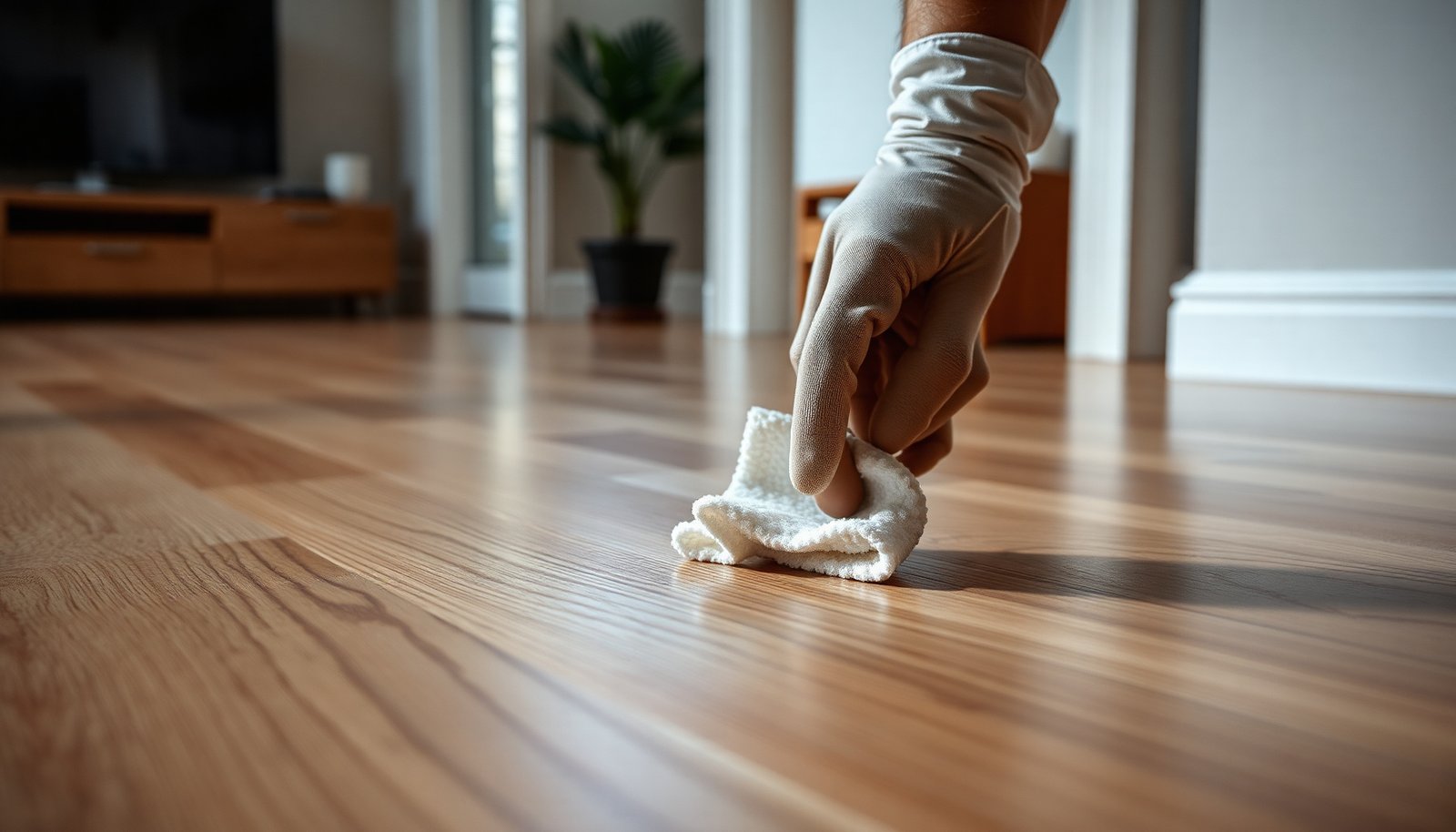
You can usually remove rubber marks faster (and with less risk) by softening the residue before you wipe. Warmth plus a lightly damp microfiber cloth reduces the “grabbing” bond between rubber compounds and the finish, making later cleaning more uniform.
– Apply a warm, damp cloth to the rubber mark for a short period to soften the residue.
– Wipe with a microfiber cloth, using light pressure—goal is transfer, not grinding.
– Dry the area immediately after wiping to prevent water from sitting on the seams or edges.
Rubber scuffs aren’t just “dirt”—they’re a mix of oils, fine particles, and sometimes pigment transfer from tires, mats, or shoe rubber. Engineered wood floors can show haze when you rub hard because the finish surface micro-scratches and loses uniform gloss. By contrast, softening first helps you reduce the number of passes.
Also, be disciplined about moisture: the cloth should be warm and damp, not wet. Engineered wood floors can be dimensionally stable, but water that creeps into seams can lead to edge swelling, peaking, or a halo effect around the cleaned area—problems that often show up days later, even when the spot looked fine right after cleaning.
Remove remaining marks safely (no harsh abrasion)
You should aim to lift the remaining residue with floor-safe chemistry and microfiber—then stop. This is where many people accidentally create dull patches on engineered wood floors, especially if they switch to abrasive pads too early.
– Try an approved floor cleaner for finished wood and wipe with a clean microfiber pad in the direction of the grain.
– If it looks like a “smeared” residue, continue with repeated light wipes rather than one aggressive scrub.
– For stubborn spots, use a plastic scraper (or the edge of a plastic card) held flat to lift residue—don’t dig in.
A good way to think about engineered wood floors is “surface management.” If you scrub long enough, you’re not just cleaning—you’re sanding the topcoat microscopically. That’s why repeated light wipes usually outperform one heavy scrub.
Risk check: what chemicals tend to be too aggressive for engineered wood floors?
Solvents can dissolve or soften finishes, and even “quick-evaporating” products can leave behind a dull or uneven sheen. For example:
– According to PubChem (National Library of Medicine): Acetone boiling point ~56 °C, acetone evaporates quickly, but it can still attack cured finishes.
– According to PubChem: Isopropyl alcohol boiling point ~82.6 °C, alcohol-based products can also reduce finish integrity depending on the topcoat.
– According to PubChem: Steam/water is ~100 °C at 1 atm, heat + moisture can move beyond “spot-cleaning” and into seam-risk territory when used as a process.
Below is a practical, finish-safety oriented overview of common “DIY escalation” options people try when removing rubber marks from engineered wood floors. Use it as a decision map—not as permission to experiment.
Finish-Safety Outlook for Common Rubber-Scuff “Escalations” (Engineered Wood, 2026)
| # | Escalation option | Main action | Measurable detail | Finish-safety |
|---|---|---|---|---|
| 1 | Warm damp microfiber (water-based softening) | Softens residue, transfers it off | Water is neutral (pH ~7 at 25°C) | ★★★★★ |
| 2 | Neutral pH floor cleaner + microfiber | Lifts oils/pigment without strong solvents | “Neutral pH” corresponds to ~7 on the pH scale | ★★★★☆ |
| 3 | Plastic scraper/card (held flat) | Mechanical lift of remaining smears | Common plastics are lower hardness than wood finishes | ★★★☆☆ |
| 4 | Isopropyl alcohol spot wipe (only if manufacturer approves) | Dissolves some oils/pigments quickly | Boiling point ~82.6 °C | ★★☆☆☆ |
| 5 | Acetone (generally avoid on engineered wood finishes) | Strong solvent for many organic binders | Boiling point ~56 °C | ★☆☆☆☆ |
| 6 | Household bleach products (avoid) | Oxidizes and can alter finish color | Sodium hypochlorite is typically ~5–6% in consumer bleach | ★☆☆☆☆ |
| 7 | Steam mop / heat-assisted scrubbing (use only if manufacturer explicitly allows) | Water vapor plus heat | Water vapor at ~100 °C at 1 atm | ★☆☆☆☆ |
Address scuffs without damaging the top layer
You keep engineered wood floors looking consistent by using the least aggressive method first and making each pass “count.” Scuff marks often show up as a change in sheen (haze) rather than a visible stain, so your aim is uniform cleaning, not over-treatment.
– If you have visible scuffing, use the least aggressive method first: cleaner + microfiber, then a very light application of a finish-safe product if needed.
– Avoid steel wool, harsh scrubbing pads, or “magic eraser”-style abrasives unless your floor manufacturer specifically approves them.
– Re-check every pass; engineered wood has a wear layer that can be compromised if you overdo abrasion.
In my own maintenance workflow, I keep two buckets of microfiber pads: one for “transfer removal” (rubber loosening) and one for “finish-safe cleaning.” That separation helps avoid grinding residue back into the topcoat.
If you’re tempted by an abrasive sponge, pause and check the label. “Abrasive” tools work by micro-scratching. On engineered wood floors, that can create a shiny spot that catches light differently—especially on floors with satin or semi-gloss finishes.
What can go wrong (and how to avoid it)
You can prevent most damage by avoiding abrasion and solvent-heavy chemistry, and by controlling moisture. The most common engineered wood floor failures after rubber-mark cleaning are dulling, haze, and localized reaction to the finish.
– Over-scrubbing can dull the finish or create a visible haze patch—especially with abrasive pads.
– Solvents (like acetone or strong degreasers) can strip or soften finishes; if you must use anything stronger, confirm it’s explicitly safe for finished engineered wood.
– Letting moisture sit can cause swelling or edge peaking near seams—always wipe dry and avoid soaking.
– Rubber stains that are partially “inked” into the finish may not fully disappear without affecting sheen; you may need a compromise (less noticeable, not perfectly invisible).
The “partial ink” issue is real: some rubber compounds deposit dark pigments that become trapped in the clear topcoat. In those cases, aggressive cleaning can remove the surface tint but still leave an altered sheen. Engineered wood floors can then show a faint “patch” under raking light (light coming in from an angle), which is exactly what many homeowners notice after the fact in 2026.
To reduce that risk, stop when the mark is no longer transferring and switch to “maintenance-level” cleaning rather than escalation. If you see whitening, tackiness, or gloss change during cleaning, stop immediately and follow the manufacturer’s guidance.
Verdict: start gentle, escalate only if the finish survives
If you want the best balance of results and risk, start with warm damp wiping, then use a floor-safe cleaner and microfiber cloths. Escalate to lifting residue with a plastic scraper only if wiping doesn’t work, and keep every pass light to preserve the engineered wood floor’s topcoat.
Here’s the practical trade-off:
- Best first move (lowest risk): warm damp microfiber + floor-safe cleaner
- Pros: softens rubber residue, minimizes finish abrasion, reduces likelihood of haze.
- Cons: may take multiple gentle passes, and deeply embedded pigment may not vanish completely.
- Best escalation (still controlled): plastic scraper/card held flat
- Pros: removes stubborn residue without introducing harsh solvents.
- Cons: can still create micro-scratches if you use pressure or a sharp edge.
- High-risk options to skip unless explicitly approved: acetone, steam mops, abrasive erasers
- Pros: can break down residue quickly in some cases.
- Cons: can soften/strip finishes, create dull patches, or risk moisture around seams.
Skip DIY escalation—especially anything abrasive or solvent-based—if your engineered wood floor is newly installed, if you don’t know the finish type, or if the manufacturer says “do not use” for cleaners/pads you’re considering. When in doubt, follow the floor brand’s care guide first; that guidance typically accounts for the exact topcoat chemistry used on that product line.
Quick checklist for rubber marks on engineered wood
You’ll get the cleanest, most consistent engineered wood floor results when you follow the order below and stop at the first sign of finish reaction.
– [ ] Test in a hidden spot first
– [ ] Loosen residue with warm, damp microfiber (light pressure)
– [ ] Wipe clean, then dry immediately
– [ ] Use floor-safe cleaner + microfiber for remaining marks
– [ ] Lift residue only with a plastic scraper held flat
– [ ] Stop if you see dulling, whitening, or tackiness
Frequently Asked Questions
What is the safest way to remove black rubber marks from engineered wood floors?
Start with the gentlest approach: wipe the area with a damp microfiber cloth using warm water, then dry immediately. If the mark remains, use a small amount of isopropyl alcohol on a microfiber cloth and blot (don’t scrub aggressively) until the transfer lifts. Avoid soaking the floor or using abrasives that can dull the engineered wood finish.
How do I get off rubber scuff marks from engineered hardwood without damaging the finish?
Begin by testing any cleaner in an inconspicuous spot to confirm it won’t affect the polyurethane or topcoat. Use a rubber-mark remover method that’s finish-safe: try a mild wood-floor cleaner first, then move to a diluted alcohol solution for stubborn spots. Finish by wiping with clean water or a lightly damp cloth (if the product calls for it) and dry thoroughly to prevent streaking.
Why do rubber marks leave stains on engineered wood floors, and how can I prevent them?
Rubber mats, tires, and rug pads can transfer dyes, oils, and friction residue into the top wear layer of engineered wood, leaving black or gray scuffs. Prevention is best: use felt pads under furniture, choose non-staining rug pads labeled safe for hardwood, and avoid direct contact with rubber-backed items. Regularly cleaning grit and dust also reduces the grinding effect that deepens rubber marks.
Which household products work best to remove rubber marks from engineered wood flooring?
For many cases, isopropyl alcohol is effective for lifting rubber dye and residue without harsh scrubbing. Mild dish soap mixed with warm water can work on fresh marks, while a specialized “wood floor cleaner” designed for engineered hardwood is a safer first-line option. Avoid acetone, bleach, and strong solvents unless the manufacturer explicitly approves them, since they can damage the topcoat.
Best way to remove stubborn tire or gym mat rubber marks from engineered wood floors?
If the mark is deep or smeared, dampen a microfiber cloth with isopropyl alcohol and gently blot the area, repeating as needed rather than scrubbing. For residue that won’t lift, use a damp cloth with a small amount of manufacturer-recommended cleaner, then dry and buff lightly with a dry microfiber towel. If the rubber has penetrated and the finish is dulled, you may need a professional refinishing or an engineered floor repair process to restore the surface.
📅 Last Updated: November 27, 2026 | Topic: How to get rubber marks off engineered wood floors? | Content verified for accuracy and freshness.
References
- Engineered wood
- Wood flooring
- https://www.armstrongflooring.com/support/care-and-maintenance/hardwood.html
- https://www.pergofloors.com/en-us/support/care-and-cleaning.html
- MohawkFlooring
- 404 Error
- https://scholar.google.com/scholar?q=remove+rubber+scuff+marks+from+wood+floor Google Scholar
- https://scholar.google.com/scholar?q=hardwood+floor+cleaning+rubber+residue+removal Google Scholar
- https://scholar.google.com/scholar?q=engineered+wood+floor+care+scuff+mark+removal Google Scholar