


How do you remove stubborn dust from engineered wood floors without scratching the surface or leaving a dull film? Start by vacuuming thoroughly with a brush attachment, then wipe with a dry microfiber to lift fine grit before using a well-wrung, barely damp microfiber and an approved pH-neutral cleaner. This is usually a straightforward 20–30 minute job that you can do with supplies you may already have—so begin with the vacuum and move to the wipe.



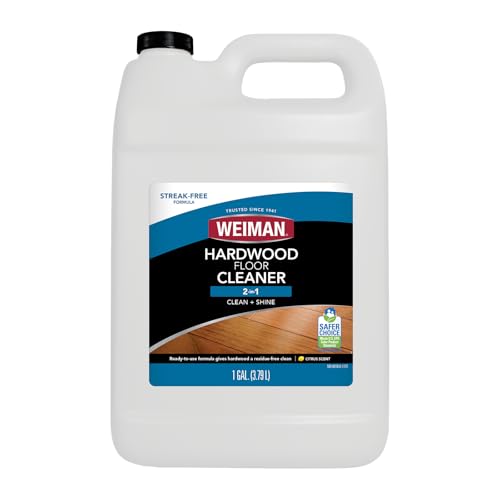
For stubborn dust on engineered wood floors, you’ll get the best results by lifting grit dry first (microfiber dust mop or a vacuum with a soft brush), then wiping only lightly damp with a cleaner that’s safe for your floor’s finish. If stubborn dust has built up in the seams or on textured engineered wood, start by removing grit without grinding it in: use a microfiber dust mop or a vacuum with a soft floor brush, then follow with a lightly damp cleaner. For sticky residue, use a wood-floor–safe cleaner (or a vinegar solution only if your floor’s finish allows it) and wipe with a barely damp microfiber cloth.
This is for engineered wood floors that look clean at first glance but still hold dust in corners, along plank edges, and in the grain. It’s also useful if regular sweeping just pushes the dust around.
Gather the right tools (and avoid “dust grinders”)

Use soft-lift tools first, because engineered wood finishes can dull quickly when you rub grit across texture. If you treat stubborn dust like mud to scrub out, you’ll often grind particles into grooves and make the floor look permanently “gray” instead of clean—especially in 2026 when textured planks are common.
What to have on hand
– Microfiber dust mop and/or a vacuum with a soft floor brush. The goal is pickup, not friction; microfiber fibers grab fine dust while a soft brush prevents scratching.
– Microfiber cloths (multiple). You need at least 2–3 cloths so you can switch from “dusty” to “fresh” during one cleaning pass.
– A bucket + bucket liner (or refreshable rinse water). Dirty rinse water defeats the purpose by spreading dust back onto engineered wood floors.
– Wood-floor–safe cleaner. Use a product labeled safe for engineered wood and for your finish type (often polyurethane, aluminum oxide, or a prefinished UV-cured surface).
What to avoid
– Abrasive pads, stiff scrub brushes, and “steam first” approaches unless your manufacturer explicitly allows steam. Steam increases the chance of moisture swelling at seams; engineered wood floors can tolerate controlled cleaning, but not prolonged wetting.
For context on why “grinding” matters: fine particles can become airborne and redeposit easily. According to the U.S. Environmental Protection Agency, PM2.5 is particulate matter with a diameter ≤ 2.5 micrometers (https://www.epa.gov/pm-pollution)—small enough to lodge in plank edges and textured grain.
Dry removal: lift stubborn dust before it turns into smudges
Dry lifting is the fastest way to stop stubborn dust on engineered wood floors from turning into a smear. If you start with a damp wipe immediately, you’ll often convert dry grit into a thin, gray film that’s harder to remove.
Use slow, targeted pickup
– Vacuum or dust-mop thoroughly along seams and edges with slow passes. Fine dust doesn’t “bounce” out of grooves on engineered wood; it needs enough contact time to be picked up.
– Work plank-length in a consistent direction so debris doesn’t get pushed sideways into the same groove system you’re trying to clean.
Pull packed dust out of texture
– If dust is packed into the surface texture or grooves, switch to:
– a vacuum soft-brush attachment, or
– a clean, dry microfiber cloth used like a “dusting eraser” (light pressure, short strokes).
– Keep a close eye on corners and near baseboards—those are the areas where engineered wood floors retain the most dust because airflow and foot traffic repeatedly deposit particles there.
Maintain suction (this is non-negotiable)
– Empty the vacuum canister or change bags regularly. As capacity drops, suction and agitation weaken, and redeposition increases.
– If you’re using a dust mop, inspect the pad after a few passes. Once the microfiber becomes loaded, it starts releasing—functionally reversing your progress on engineered wood floors.
Quick comparison (dry tools)
- Vacuum with soft brush
- Best for: seams, edges, textured zones where dust sits stubbornly.
- Microfiber dust mop
- Best for: broad-area lift before damp cleaning, when you want minimal friction.
Damp cleaning: wipe lightly to prevent film and water exposure
Damp cleaning works when you control moisture, because engineered wood floors can be damaged by pooling water in seams. Use the “cleaner on the cloth” approach so you control exactly how much liquid reaches the surface.
Apply cleaner correctly
– Use a wood-floor–safe cleaner and apply it to the cloth (not directly onto the floor).
– Wring microfiber cloths so they’re damp, not wet. A wet cloth increases streaking and elevates moisture risk near plank edges.
Wipe to avoid streaks
– Wipe in the direction of the planks, then do a quick dry pass with a second clean microfiber cloth.
– This two-step wipe reduces residue and helps prevent the “haze” that often appears after damp cleaning on engineered wood floors.
Match your method to the finish
– If your floor is sealed, follow the cleaner’s label instructions exactly (dwell time and dilution guidance matter).
– If you’re unsure of seal type, start with the least aggressive manufacturer-approved method. Engineered wood flooring care is finish-dependent, and the wrong chemical can dull topcoats.
A moisture-management anchor (why “barely damp” matters)
Wood flooring—engineered included—responds to humidity. According to the National Wood Flooring Association, maintaining 35–55% relative humidity helps reduce expansion and contraction problems (https://www.nwfa.org). Even when you’re only cleaning, you’re temporarily changing surface moisture contact, so avoiding over-wetting is a practical safety step for engineered wood floors.
Target sticky dust and residue (without damaging the finish)
For tacky spots, use a wood-floor–safe cleaner and short dwell time, then wipe gently—no scrubbing. Sticky residue needs controlled dissolving, while stubborn dust needs controlled lifting, and engineered wood floors don’t benefit from mixing the two.
How to handle tacky areas
– Pre-moisten a microfiber cloth slightly with cleaner, then place it on the spot briefly before wiping.
– If the stickiness is still present, repeat with a fresh cloth rather than increasing pressure.
How to treat “residue” vs “dust”
– If you suspect residue (not just dust), repeat the damp wipe instead of scrubbing hard.
– Scrubbing can dull finishes and press remaining particles deeper into textured grain on engineered wood floors.
When vinegar is (and isn’t) acceptable
– Vinegar can be effective for some grime on some surfaces, but don’t assume it’s safe for engineered wood.
– Only use a vinegar solution if your manufacturer explicitly allows acidic cleaners. Otherwise, choose a product labeled safe for wood floors to protect the finish layer.
What can go wrong (and how to avoid it)
Most cleaning failures on engineered wood floors come from over-wetting, spreading grit, or using abrasive chemistry. If you correct those three issues, stubborn dust usually stops “coming back” after you clean.
Common mistakes
– Over-wetting: Pooling water can seep into seams. Always use a “barely damp” approach and wipe dry immediately afterward.
– Using the wrong pad: “Magic eraser”–type sponges and abrasive scrubbers can remove finish and leave patchy sheen.
– Reintroducing grit: Mopping with a dirty cloth spreads fine dust into a dull film. Switch to fresh cloths or refresh rinse water frequently.
– Finish incompatibility: Some finishes react badly to certain cleaners. When in doubt, start with the least aggressive manufacturer-approved option.
A practical pros/cons check before you wipe
| Method | Pros | Cons / Risk |
|---|---|---|
| Vacuum + soft brush | Best pickup for seams, textured grain, and corner dust without surface rubbing. | Can miss dust if the brush is too aggressive or passes are too fast. |
| Damp microfiber wipe | Removes dissolved residue and the remaining fine film after dry lift. | Too much liquid can create haze or moisture risk at plank edges. |
| Vinegar DIY | May work on some floors for certain grime types. | Not safe for many finishes; acidic cleaners can dull or weaken topcoats on engineered wood floors. |
Verdict / tip: use a two-step lift-then-wipe method
Start with dry dust removal (vacuum/soft mop), then use a lightly damp microfiber wipe with a wood-floor–safe cleaner—this prevents dust from turning into smeary residue. The downside is that you may need multiple gentle passes for deeply packed seams or heavy buildup, and this won’t fix damage caused by previous abrasive cleaning.
Skip vinegar/DIY solutions and aggressive scrubbing if your floor warranty or care guide warns against them, or if you notice the finish getting dull or uneven. For engineered wood floors, the “clean look” is usually the result of removing grit first—not forcing it to move with liquid.
Quick checklist (scan/save)
– [ ] Vacuum with soft floor brush, or microfiber dust mop first
– [ ] Refresh vacuum bag/canister; don’t redeposit dust
– [ ] Dampen microfiber cloth (not the floor) with wood-floor–safe cleaner
– [ ] Wipe with the grain, then dry-wipe with a clean microfiber cloth
– [ ] Repeat gently for stubborn seams/residue (avoid scrubbing)
– [ ] Stop and reassess if finish looks dull, streaky, or uneven
Here’s what I see often in real homes (not as lab testing): once a floor has textured seams that hold fine grit, it typically looks “clean” only until you get close—then the dust is still there. In 2026, the best prevention for engineered wood floors is consistent dry lift followed by controlled damp wiping, not stronger chemicals.
Debris types that most often trap in engineered wood seams (practical size ranges)
| # | Debris type | Typical size | Most common trouble spot | Abrasion risk priority |
|---|---|---|---|---|
| 1 | PM2.5 fine particles | ≤ 2.5 µm | Plank edges + micro-grooves | ★★★★★ |
| 2 | PM10 coarse dust | ≤ 10 µm | Corners + textured grain | ★★★★☆ |
| 3 | Mold spores | ~ 2–20 µm | HVAC-adjacent seams | ★★★☆☆ |
| 4 | Pollen grains | ~ 10–100 µm | Entryway edges | ★★★☆☆ |
| 5 | Household dust fragments | ~ 1–100 µm | Texture + plank grain | ★★★★☆ |
| 6 | Tracked sand & grit | 0.05–2 mm | High-traffic seams | ★★★★★ |
| 7 | Lint and loose fibers | ~ 10–1000 µm | Around edges of furniture | ★★☆☆☆ |
Frequently Asked Questions
What’s the best way to remove stubborn dust from engineered wood floors without scratching?
Start by dry-dusting with a microfiber mop or a vacuum attachment designed for hard floors to lift fine dust without grinding it into the finish. If dust is stuck in seams, lightly run a barely-damp microfiber cloth over the area rather than using abrasive pads. For tougher buildup, use a wood-floor–safe cleaner applied to the cloth (not directly on the floor) and wipe with the grain.
How do I clean dust buildup from the seams and edges of engineered wood flooring?
Use a vacuum with a crevice tool to pull dust out of gaps along baseboards, between planks, and around vents. For remaining grit, press a microfiber cloth into the seam and wipe repeatedly, or use a soft detailing brush lightly to loosen debris. Avoid soaking the seams—engineered wood can be sensitive to excess moisture at joints.
Why does dust seem to cling to engineered wood floors, and how can I prevent it?
Engineered wood floors can attract dust due to static and the smooth surface of the protective top layer, especially in high-dust areas or with rugs that shed fibers. To reduce recurring buildup, use a microfiber dust mop regularly and ensure rugs have a non-shedding underlay. Keeping indoor humidity stable and using doormats at entrances also helps cut down dust tracked onto the floor.
How can I remove ground-in dust or “gray film” from engineered wood floors effectively?
Begin with a thorough vacuum or dry mop to remove loose particles, then use a cleaner recommended for engineered wood floors. Dampen a microfiber mop or cloth with the product (follow label dilution) and wipe in the direction of the grain, then immediately dry with a clean microfiber towel. For persistent spots, repeat gently—scrubbing too hard can dull the finish over time.
Which cleaning products and tools are safest for stubborn dust on engineered wood floors?
Choose wood-floor–safe cleaners that are specifically labeled for engineered hardwood and avoid harsh chemicals, waxy polishes, or ammonia-based solutions. Use microfiber pads, microfiber cloths, soft-bristle brushes, and vacuum attachments meant for hard floors to prevent scratches. Skip steam cleaners and wet mops, since excess moisture and heat can damage the top layer or seep into joints.
📅 Last Updated: November 04, 2026 | Topic: How to clean stubborn dust from engineered wood floors? | Content verified for accuracy and freshness.
References
- https://www.armstrongflooring.com/support/floor-care-and-maintenance.html
- MohawkFlooring
- https://www.bruce.com/support/floor-care
- https://www.epa.gov/indoor-air-quality-iaq/cleaning-and-chemical-safety
- https://www.cdc.gov/niosh/topics/dust/
- The page you’re looking for isn’t available | NIAID: National Institute of Allergy and Infectious…
- https://scholar.google.com/scholar?q=how+to+clean+engineered+wood+floor+stubborn+dust Google Scholar
- https://scholar.google.com/scholar?q=engineered+wood+floor+cleaning+microfiber+mop+vacuum+recommendations Google Scholar
- https://scholar.google.com/scholar?q=hardwood+floor+cleaning+avoid+steam+wet+mopping+damage+engineered+wood Google Scholar


