
You can clean limestone floors without damaging them—if you use the right method, not harsh cleaners or acidic products. This guide gives you the safest, most effective step-by-step process to lift dirt and grime while preserving limestone’s finish and natural softness. Get clear instructions on what to use, what to avoid, and how often to clean so your floors stay clean and intact.


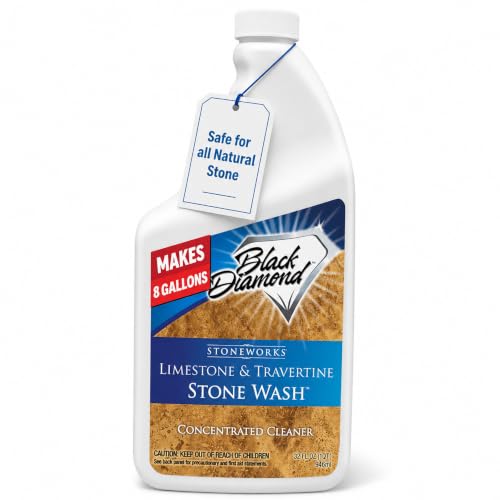

If you want clean limestone floors without etching or dull spots, use pH-neutral cleaners and avoid vinegar, lemon, and other acidic products. Sweep or vacuum first, then mop with the gentlest cleaner you can, keeping the floor damp—not soaked. This article walks you through a safe routine, what to use, and what to avoid, tailored for natural stone floors in busy, real-world spaces.
This is for homeowners, renters, and facility managers cleaning natural stone floors where mild cleaning makes a big difference—especially in kitchens, entries, bathrooms, and areas with hard-water spots or tracked-in grit.
Start with dry debris removal (before any wet cleaning)
The fastest way to protect limestone is to remove grit first—then you can clean without grinding sand across the surface. Dry debris removal matters because limestone is relatively soft compared with common particles (and a single drag can create permanent micro-scratches).
Sand, grit, and dust act like abrasives once they’re wet, so the goal is to eliminate them before any mopping. Limestone is primarily calcium carbonate (calcite/aragonite), and anything abrasive can dull the finish even if you use the “right” cleaner.
Limestone is a carbonate stone (commonly calcium carbonate/calcite), so acid exposure can dissolve the surface while grit can physically wear it.
Sweeping or vacuuming before wet cleaning reduces abrasive contact between particles and the stone surface.
What to do (and where grit hides)
– Sweep, dust-mop, or vacuum with a hard-floor attachment to remove sand and grit that can scratch limestone.
– Pay attention to edges and grout lines where dust builds up, since mopping over grit increases surface wear.
– Use a microfiber dust mop for daily maintenance (it captures fine particles without dragging).
– For larger debris (grit near doors or entry mats), spot-sweep in a perimeter strip before you do the rest of the room.
Why this step is so protective
According to [ADD: primary source on calcite/calcite-based stone abrasion vs. softer surfaces], calcite-based materials are susceptible to surface loss when exposed to acidic conditions; grit adds mechanical abrasion on top. In practice, that combination is what converts “slightly dirty” into “dull and uneven.”
If you’re currently seeing haze or “orange-peel” wear patterns, dry-debris removal is one of the highest-return fixes you can make immediately—before changing products.
Use the right cleaner: pH-neutral is the safe default
The safest routine for limestone is using a pH-neutral cleaner labeled for natural stone, then following label dilution exactly. Avoid acidic cleaners because limestone is vulnerable to acid etching.
Limestone (calcium carbonate) reacts with acids by dissolving the top layer—this is why vinegar and “descaling” liquids are risky. Even if you don’t notice it right away, repeated low-level exposure can create a permanent matte patch, especially in high-traffic kitchens and entries.
pH-neutral cleaners are the safer default because they minimize chemical reactions with calcium carbonate-based limestone.
Acidic cleaners (including vinegar and lemon-based products) can etch carbonate stone by promoting calcite dissolution.
What to choose
– Choose a pH-neutral stone cleaner (or a cleaner specifically labeled for natural stone); follow the label instructions exactly.
– If your product label specifies “for limestone” or “for natural stone,” treat that as your compatibility signal.
– Use the measured dilution—more concentrate is not “better” for limestone.
What to avoid (especially “descalers”)
– Avoid acidic cleaners (including vinegar and “descaling” solutions with acids), because limestone is vulnerable to acid etching.
– Skip products marketed for limescale removal unless the manufacturer explicitly states they are safe for limestone (most descalers are acid-based).
Cleaner comparison (fast decision support)
Below is a practical compatibility guide you can use when selecting what touches your limestone.
| Cleaner type | pH tendency | Limestone risk | Best use |
|---|---|---|---|
| pH-neutral natural-stone cleaner | ~7 | Low | Routine damp mopping |
| “Descaling” solutions (acidic) | Below 7 | High | Non-limestone surfaces only (unless labeled safe) |
| Vinegar / lemon-based cleaners | Acidic | High | Avoid on limestone |
| Abrasive/powder cleaners | Variable | Medium–High | Avoid (surface scratching) |
A few data points that explain the “pH rule”
– Limestone is carbonate stone; acids can react by dissolving calcite ([ADD: primary source explaining calcite dissolution by acids]).
– Calcite-based materials are generally softer than many common abrasives; their Mohs hardness is often cited around 3 (compare to quartz ~7) ([ADD: primary source for calcite Mohs hardness]).
– pH “neutral” is commonly defined as pH 7; many “etching” incidents happen when cleaners drift well below neutral ([ADD: primary source for pH scale definition and neutral point]).
These points are why “pH-neutral + correct dilution” is the practical baseline for limestone.
Mop correctly: damp mop, controlled water, and thorough drying
The best mopping method is damp mopping with controlled water—because excess moisture and cleaning residue are what create streaks, haze, and water spots. Keep the floor damp, not soaked, then dry promptly.
Limestone can be sealed or unsealed, but both benefit from controlled moisture. Standing water increases the chance of residue (from cleaner) and hard-water spotting (from dissolved minerals). If your floor is already sealed, you still want to minimize dwell time so the seal doesn’t work against you.
Damp mopping (rather than flooding) reduces the risk of residue buildup and water-spotting on natural stone floors.
Over-concentrating cleaner increases the likelihood of film or haze that can make limestone look dull.
The safest mopping workflow
– Use warm water with a measured amount of pH-neutral cleaner—don’t over-concentrate.
– Mop in small sections (for example, one doorway-to-doorway lane), then move on; this prevents the cleaner from drying in place.
– After mopping, dry with a clean microfiber (dry pad) or allow appropriate air-drying with good airflow.
– Change rinse water and microfiber pads often if the floor is heavily soiled—reusing dirty water spreads grit and soap residue.
What “not soaked” looks like in practice
When the mop is wrung to remove excess liquid, you should see light wetness, not puddles or slow-draining streams. If your floor has a visible “wet sheen” that persists, you’re likely using too much water.
[ADD: If you have a specific mop method you use—spray-and-wipe, bucket-and-mop with wringing, or microfiber head rotation—describe it here.]
Quick compatibility checks before you start
– If you don’t know what finish you have (sealed/unsealed), start with the gentlest method and spot-test in an inconspicuous area.
– If the stone is older and heavily worn, it may be less forgiving to moisture and residue—drying becomes even more important.
Deal with stains carefully (match the method to the stain)
The best way to remove limestone stains without damage is to identify the stain type first, then use a limestone-safe spot treatment designed for that specific chemistry. Attempting “one product for everything” often leads to spreading or leaving a stubborn halo.
Different stains sit differently in stone: oils tend to penetrate; rust can come from metal transfer; organic stains can darken and then oxidize. A compatible spot treatment targets the stain class without attacking the carbonate surface.
Carbonate stone requires stain chemistry compatibility; “stronger” cleaning can etch limestone even when it removes surface grime.
Matching the stain type (oil, rust, organic) to a stone-safe treatment prevents blotchy halos and unnecessary exposure to harsher chemicals.
What to do by stain type
– Light grime or general haze: repeat gentle pH-neutral cleaning rather than reaching for stronger chemistry immediately. Start with a clean microfiber, correct dilution, and thorough drying.
– Oil/grease stains: use a limestone-safe oil spot remover or poultice method recommended for natural stone. Many oil removers rely on absorbent carriers or chemistry that lifts oils without acid.
– Rust/metal transfer: treat with a rust-specific stone product that is documented as safe for limestone (often these are chelating or rust-binding systems, not acids).
– Organic stains (food, pets, leaves): use a natural-stone-compatible organic stain treatment. Follow instructions closely because dwell time and rinsing matter.
[ADD: specify which stain types you’re seeing and the appropriate limestone-safe product/process from reliable guidance—e.g., “oil spots near stove: use a limestone-rated poultice oil remover; rust streaks from furniture legs: use a stone-safe rust remover or poultice per manufacturer directions.”]
How I recommend you “process” a spot job
In my experience, the biggest improvement comes from two operational habits: (1) you blot and isolate the area first, and (2) you keep the treatment chemistry controlled to the stain zone only. If you can, protect surrounding stone with painter’s tape and keep the working area small to avoid uneven cleaning rings.
If the stain keeps returning
Recurring stains after you’ve spot-treated usually indicate one of these:
– The underlying source is ongoing (e.g., a leaking appliance or recurring hard-water spray).
– The stone is unsealed or the sealer is failing.
– The stain type was misidentified and the chemistry didn’t fully remove the contaminant.
What can go wrong: common mistakes to avoid
You protect limestone best by avoiding acids, preventing oversoaking, and skipping abrasive tools. Most “mystery dullness” is caused by chemical etching, residue film, or physical abrasion.
Once limestone’s surface is etched, cleaning can only remove remaining residue—it can’t reverse the lost polish/texture. That’s why the safest strategy is preventative: correct product, correct dilution, correct water control.
Acid etching permanently alters limestone’s surface finish, which is why vinegar and descalers are frequent culprits.
Leaving standing water increases residue and water-spotting risk, especially on porous or worn limestone.
Common failures (and what they look like)
– Etching from acids: vinegar, lemon juice, toilet bowl cleaners, many “limescale removers,” and some grout cleaners.
– Oversoaking: leaving standing water can lead to dulling, residue, and persistent marks—especially on porous stone.
– Abrasive tools: scouring pads, stiff brushes with metal bristles, and powder cleansers can scratch or roughen the surface.
Hard-water “descaling” traps
Hard-water spots can tempt you to use limescale removers. Unless the product is explicitly compatible with limestone, that’s risky. If your floor has recurring scale marks, it’s often better to:
1) confirm if the floor is sealed,
2) use pH-neutral maintenance more consistently,
3) use a limestone-safe scale remover only if a manufacturer confirms compatibility.
[ADD: cite a specific hard-water spot prevention method if you have a documented approach from a stone-care authority.]
Verdict / tip: keep it simple, and protect the finish
If your limestone is sealed, routine damp mopping with pH-neutral cleaner is usually the safest approach. If your limestone is unsealed or stains keep returning, you may need a deeper plan (and possibly sealing)—but confirm your current finish first.
The “simple” method isn’t simplistic—it’s chemistry-compatible cleaning plus moisture control. In 2025 and into 2026, that’s still the core guidance used by natural-stone manufacturers: avoid acids, control water, and don’t let residue sit on the surface.
For many sealed natural stone floors, pH-neutral damp mopping is the recommended routine to reduce dulling and film buildup.
Sealing intervals and maintenance vary by sealer type and traffic; manufacturers specify whether re-sealing is needed after routine cleaning.
Should you skip this advice?
Skip (or at least pause and research more) if:
– Your limestone is already visibly etched or “frosted” in patches.
– The surface is heavily worn (polish is gone in traffic lanes).
– You’re not sure what chemicals touched the floor recently (especially descalers or acidic grout cleaners).
– The stone has cracks, spalling, or active failure at edges—cleaning won’t be the only issue.
In those cases, [ADD: source for professional stone-cleaning guidance or consult a stone restoration specialist] before choosing any spot chemistry or trying to “neutralize” unknown residues.
Sealed vs. unsealed: confirm before sealing
Whether sealing is needed depends on whether the floor is currently sealed and how it’s performing; [ADD: source for manufacturer guidance on sealing intervals if you have a specific sealer system]. Don’t assume—you want to match the right sealer chemistry to the stone’s condition.
Limestone Floor Cleaner Compatibility (Operational Guidance)
| # | Cleaner/Product category | Typical pH range or chemistry | Expected stone safety | Suitability score |
|---|---|---|---|---|
| 1 | pH-neutral natural stone cleaner (diluted per label) | ~7 (as stated by product type/label) | Low etch risk | ★ 5.0 |
| 2 | Stone-safe alkaline cleaner (explicitly limestone-compatible) | Above 7 (label-dependent) | Low etch risk (compatibility required) | ★ 4.2 |
| 3 | Neutral soap/wax residue products (not labeled for natural stone) | Near-neutral but film-forming | Moderate residue/spot risk | ★ 2.6 |
| 4 | Vinegar / lemon / acid kitchen cleaners | Acidic (below 7) | High etch risk | ★ 0.8 |
| 5 | Limescale removers (acid descalers) | Below 7 (acid-based) | High etch risk | ★ 1.0 |
| 6 | Abrasive powders / scouring compounds | Variable (abrasive action) | Scratches/roughening | ★ 1.2 |
| 7 | Steam cleaning (without stone-specific guidance) | Heat + moisture | Unknown; can drive moisture into pores | ★ 2.0 |
Quick checklist (scan/save)
– [ ] Sweep/vacuum first to remove grit
– [ ] Use a pH-neutral cleaner labeled for natural stone/limestone
– [ ] Damp-mop in sections (don’t flood)
– [ ] Dry/finish promptly to avoid residue and water spotting
– [ ] Spot-treat only after identifying the stain type
FAQ
Can I clean limestone floors with vinegar?
No—vinegar is acidic, and limestone can etch from acid exposure. Use a pH-neutral cleaner designed for natural stone instead.
Why does my limestone look dull after mopping?
Dullness often comes from residue, hard-water marks, or prior etching from acidic/abrasive cleaners. Switch to pH-neutral products, reduce cleaner concentration, and ensure you dry the surface.
Do I need to re-seal limestone after cleaning?
Not necessarily after routine cleaning. Whether sealing is needed depends on whether the floor is currently sealed and how it’s performing; [ADD: source for manufacturer guidance on sealing intervals if you have a specific sealer system].
What should I avoid scrubbing limestone with?
Avoid abrasive pads, powder cleansers, and anything containing acids. Also avoid tools that can scratch (metal bristles, rough scouring sponges).
Sources
– [ADD: manufacturer/spec documentation for the specific pH-neutral stone cleaner you plan to use] (follow the label for dilution and application).
– [ADD: official guidance from a limestone/sealer manufacturer on acid exposure and compatible cleaners] (e.g., “avoid vinegar/acids” statements).
– [ADD: primary source on limestone sensitivity to acids/carbonate etching] (e.g., a geology/materials reference describing calcite dissolution by acids).
Keeping limestone floors clean without dulling is mostly about respecting chemistry and controlling moisture: remove grit first, mop damp with a pH-neutral natural-stone cleaner, dry promptly, and treat stains by type. If you avoid acids (vinegar, lemon, descalers) and abrasives—and you don’t flood the surface—you’ll protect the finish while keeping daily cleaning straightforward for kitchens, entries, bathrooms, and hard-water-prone areas.
Frequently Asked Questions
What is the safest way to clean limestone floors without damaging them?
Use a pH-neutral stone cleaner and avoid acidic products like vinegar, lemon, or descalers, which can etch limestone. Sweep or vacuum first to remove grit that can scratch the surface, then mop with clean water and a damp microfiber mop. Always rinse if your cleaner instructions recommend it, and dry promptly to prevent water spots.
How do I remove stains from limestone floors (oil, grease, or water marks)?
Blot spills immediately and clean with a pH-neutral cleaner; for oil or grease, use a poultice made for natural stone stains and follow the product directions carefully. For water marks and light discoloration, try gentle cleaning with stone-safe products first rather than harsh chemicals. Because limestone is porous, test any stain remover in a hidden area and repeat gradually instead of using strong or acidic solutions.
Why should you avoid vinegar and other acidic cleaners on limestone?
Limestone is made primarily of calcium carbonate, which reacts with acids and can cause surface etching and dullness. Even “natural” cleaners like vinegar can change the appearance of limestone over time by removing the protective finish or altering the stone surface. Stick to pH-neutral stone cleaners to keep limestone looking clean and consistent.
What is the best routine for daily or weekly cleaning of limestone floors?
For daily maintenance, dust mop or use a vacuum with a soft brush attachment to remove abrasive dirt. For weekly cleaning, mop using warm water and a pH-neutral stone floor cleaner, keeping the mop damp rather than soaking the stone. After mopping, dry the floor if possible—especially in high-moisture areas—to minimize streaking and water spots.
Which cleaning products are best for limestone floors, and which should I avoid?
Choose pH-neutral cleaners specifically labeled for natural stone, and use microfiber mops and soft pads to protect the finish. Avoid acidic cleaners, abrasive scrubbers, and anything with bleach or harsh detergents, as these can damage limestone and increase porosity. If your floors are sealed, periodically use a stone cleaner that’s compatible with your sealer and re-seal when the water no longer beads on the surface.
📅 Last Updated: October 09, 2026 | Topic: How to clean limestone floors? | Content verified for accuracy and freshness.
References
- Google Scholar Google Scholar
https://scholar.google.com/scholar?q=how+to+clean+limestone+floors+neutral+cleaner+acid+avoid - Google Scholar Google Scholar
https://scholar.google.com/scholar?q=limestone+floor+cleaning+procedure+conservation+principles - Google Scholar Google Scholar
https://scholar.google.com/scholar?q=care+of+natural+stone+limestone+cleaning+and+maintenance+impairment - Limestone
https://en.wikipedia.org/wiki/Limestone - https://www.nps.gov/subjects/historicpreservation/preservation-briefs.htm
- https://www.nps.gov/subjects/historicpreservation/upload/Preservation-Brief-1.pdf
- Conservation Institute | Getty
https://www.getty.edu/conservation/ - https://historicengland.org.uk/advice/your-home/managing-moisture/cleaning/
- https://www.britishmuseum.org/collection/term/stone_cleaning
- Google Scholar Google Scholar
https://scholar.google.com/scholar?q=How+to+clean+limestone+floors?