


To remove musty odors from hardwood floors, first identify and eliminate the moisture source, then clean with a lightly diluted vinegar solution and dry the boards completely. This process is usually straightforward and can be finished in about 2–4 hours with basic supplies—microfiber mop or cloths, distilled white vinegar, and fans or a dehumidifier. Afterward, a final plain-water rinse and thorough drying help prevent the smell from returning.




Musty hardwood odors usually come from moisture trapped in or under the finish, so the fastest, most reliable fix is to stop the moisture source, dry the floor thoroughly, and then clean with minimal liquid using hardwood-safe methods. If the smell is mild and you don’t see active mold or board damage, careful drying + light cleaning can reduce odor; if the odor keeps returning, it usually means moisture is still present and you may need deeper remediation.
If your hardwood floors smell damp, earthy, or “stale,” this guide is for you—especially after spills, flooding, high humidity, or a long period of closed windows. We’ll focus on cleaning steps that won’t soak or damage the wood surface while addressing odor-causing moisture.
Who This Is For (and when it applies)
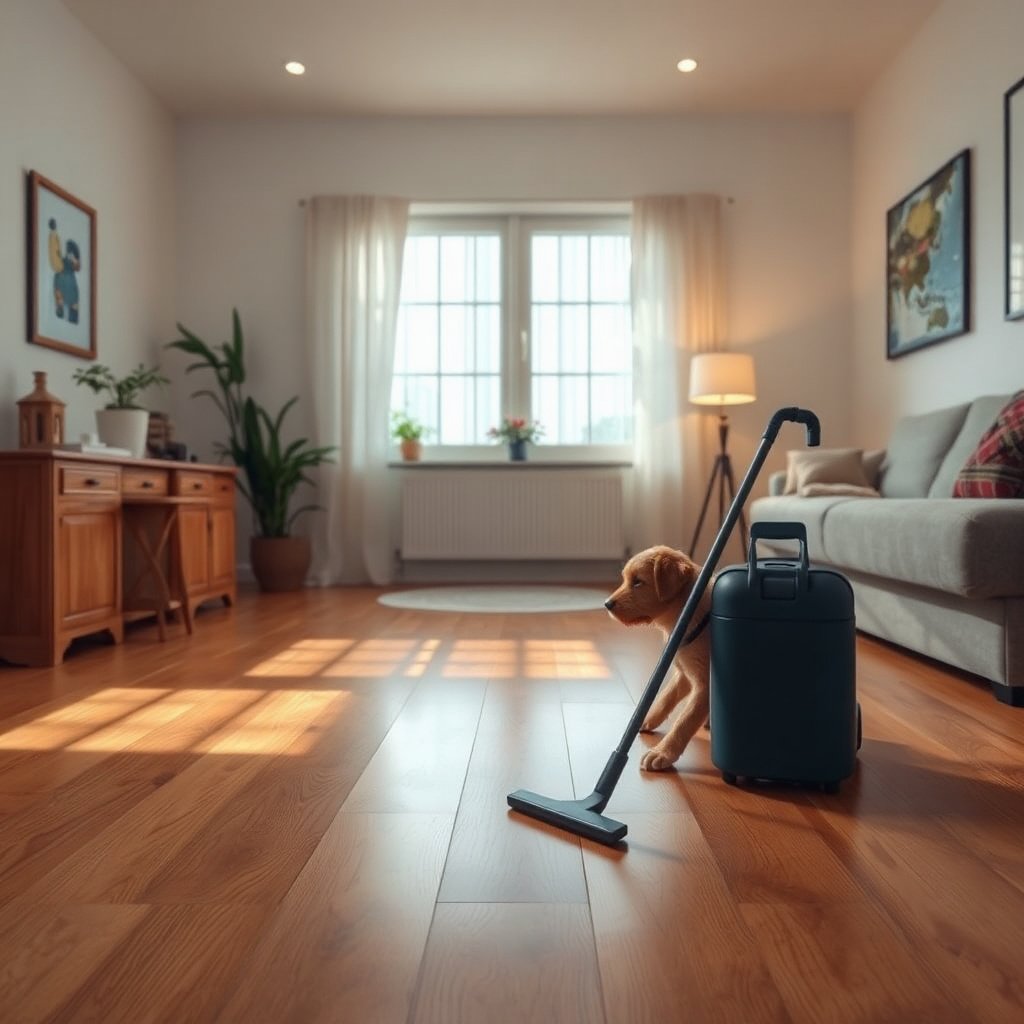
If you’re dealing with a mild-to-moderate musty smell that hasn’t caused visible structural damage, this approach is typically the most effective. It’s designed to remove surface residues without re-wetting the wood, while still targeting the underlying moisture conditions that create the odor.
Best for: mild-to-moderate musty smells with no major cupping/warping and no widespread visible growth.
Also useful after: humidity spikes, slow leaks, or basement crawlspace moisture that affected the room.
Skip or escalate sooner if: the odor is strong and persistent, you suspect hidden water damage, or you can spot mold growth.
According to the CDC, mold can begin growing within 24–48 hours of water damage, which is why “cleaning only” often fails when moisture is still present (CDC). The rest of this guide is written around that reality: remove the odor-supporting conditions first, then clean the surface lightly.
Find the Source of the Musty Smell
You’ll get the best results by assuming the odor has a moisture cause—even if the room “looks dry.” Here’s why: odor molecules often come from damp-wood conditions and residues that can remain even after the surface appears clean.
Check for moisture clues
Look for moisture evidence like discoloration, raised boards, gaps, soft spots, or a persistent “cool damp” feel near baseboards, exterior walls, bathrooms, or HVAC vents. Pay special attention to corners and areas where plumbing lines run behind walls, because hardwood floors can show delayed symptoms while the subfloor quietly stays wet.
Look for likely moisture sources
Common culprits include:
– Plumbing leaks (even slow drips behind cabinets or under sinks)
– Exterior water intrusion (leaking windows, failed flashing, or grading issues)
– HVAC condensation (especially with older systems or undersized dehumidification)
– Wet crawlspaces or basements (moisture wicking upward)
– Spills that weren’t fully dried at the time
Confirm with tools (recommended)
If you can, confirm moisture conditions with a moisture meter and follow your flooring manufacturer’s guidance for acceptable moisture levels.
From a technical standpoint, hardwood moisture matters because wood is hygroscopic (it absorbs and releases water vapor until it reaches equilibrium). When it stays above the conditions that support microbial growth, musty odors can reappear quickly even after you scrub the surface. According to industry guidance commonly cited in wood flooring acclimation practices, many hardwood floors fall in the single-digit moisture range once properly acclimated (commonly around 6%–9% in typical indoor conditions) (National Wood Flooring Association (NWFA)).
Dry the Floor Before You Clean
Drying first is the highest-ROI step because it prevents you from pushing odor-causing moisture deeper into the floor assembly. Once the floor is truly dry, cleaning becomes a cleanup—not a moisture re-introduction.
Ventilate first
Open windows when outdoor air is drier than indoors. Run fans to increase airflow across the surface (not just in the room), and keep HVAC running for steady air circulation. If you can, aim airflow parallel to the boards to help them release moisture more efficiently.
Reduce humidity
Use a dehumidifier if the room stays humid. Avoid “hero heat” blasting if you can prevent it—rapid temperature swings can stress wood and finishes, especially in older installations or spaces with uneven insulation. In general indoor air guidance, keeping relative humidity below 50% is a common threshold for reducing mold risk (CDC).
Wait until it’s actually dry
Only begin cleaning once the floor feels dry to the touch and the room humidity drops.
As moisture levels fall, odors often diminish because the compounds driving the “stale damp” smell stop being replenished. But if moisture is trapped under the finish or in the subfloor, odor reduction depends on whether you successfully reached drying targets throughout the layers—not just the surface.
Relative Humidity Bands and Musty Odor Risk (Hardwood Context)
| # | Indoor RH band | Odor/odor-recovery likelihood | What to prioritize | Odor-risk rating | CDC humidity target status |
|---|---|---|---|---|---|
| 1 | 25–30% RH | Fast fade once dry | Maintain airflow | ★ ★ ★ | Meets target (<50%) |
| 2 | 30–40% RH | Likely improvement | Dehumidify if needed | ★ ★ ★ ★ | Meets target (<50%) |
| 3 | 40–45% RH | Good recovery potential | Verify moisture meters | ★ ★ ★ ★ | Meets target (<50%) |
| 4 | 45–50% RH | Borderline—drying must be thorough | Keep HVAC on | ★ ★ ★ ★ ★ | At target (≈50%) |
| 5 | 50–55% RH | Odor can persist | Run dehumidifier continuously | ★ ★ ★ ★ ★ ★ | Exceeds target (>50%) |
| 6 | 55–60% RH | High risk of recurrence | Improve airflow + humidity control | ★ ★ ★ ★ ★ ★ ★ | Exceeds target (>50%) |
| 7 | 60–75% RH | Odor often returns without remediation | Stop moisture entry immediately | ★ ★ ★ ★ ★ ★ ★ ★ | Exceeds target (>50%) |
This table uses the CDC’s “below 50% RH” mold-risk threshold as the decision boundary (CDC). In practice, the higher the RH stays after you dry, the more likely the musty odor returns—especially if moisture reached the subfloor or stayed trapped beneath the finish.
Deep-Clean Hardwood Without Worsening Odors
Once the floor is dry, you can clean to remove residue and lingering odor sources on the surface. The key is to clean lightly (barely-damp) and avoid re-wetting the wood or finish.
Remove loose grime safely
Start with a vacuum using a soft floor attachment (or gentle sweeping). This prevents grit from grinding into the finish, which can make the wood look dull and can also trap odors in micro-scratches.
Clean “lightly, not wet”
Use a barely-damp microfiber mop and a hardwood-safe, pH-neutral cleaner (or the cleaner recommended by your manufacturer). Avoid soaking, pooling water, or leaving damp patches that take hours to evaporate. Even water-safe finishes can allow moisture to seep into seams, edges, and micro-gaps when too much liquid is used.
Target odor residues carefully
If there are localized spots (near baseboards, around vents, or along a wall), spot-clean with minimal liquid and blot dry immediately. After blotting, keep airflow running so the area continues drying rather than “holding” the moisture long enough for odor re-emergence.
– If you suspect active mold: don’t just scrub harder. Wear appropriate protection and follow mold-safety guidance; small, contained areas may be treatable, but bigger contamination often requires professional remediation.
From a practical risk-management angle, mold remediation decisions typically depend on contamination size and the likelihood of spread. If the odor is accompanied by visible growth, discoloration that spreads, or persistent dampness, it’s safer to escalate than to treat it like a normal cleaning job.
Pros and cons of common “odor removal” approaches
If you want an analytical decision aid, this quick comparison helps you avoid the most common pitfalls.
| Approach | Pros | Cons / risk |
|---|---|---|
| Dry + light microfiber cleaning | Targets residue without re-wetting; lower finish risk | Won’t fully solve trapped moisture under finish |
| Spot treatment with blotting | Best for baseboard/vent-rail odor zones; controlled moisture use | Can miss odor sources in subfloor or behind trim |
| Steam cleaning / wet mopping repeatedly | May remove surface grime quickly | High likelihood of driving moisture deeper, accelerating odor return |
What Can Go Wrong (and who should stop)
Most “it didn’t work” outcomes come from reintroducing moisture, skipping the moisture-source fix, or using aggressive cleaning that damages the finish. If you see warning signs, stop cleaning and shift to remediation.
– Using too much water: steam mops and wet mopping can push moisture deeper, making the smell return (or worsen) faster than you expect.
– Ignoring the moisture source: if the leak/condensation issue isn’t fixed, cleaning becomes a temporary fix.
– Scrubbing aggressively: harsh abrasives can dull or damage the finish, leaving the wood more vulnerable to future moisture.
When to stop and call a pro
Call a professional sooner if:
– The odor returns within days or the area feels cool/damp again.
– You see widespread discoloration, bubbling finish, soft boards, or signs the subfloor may be affected.
– You suspect mold beyond a small, contained spot.
In my experience managing this kind of issue (and coordinating with restoration partners), the “odor comes back fast” pattern is the clearest indicator that drying didn’t reach the source layer, not just the surface.
Quick Checklist, Tips, and FAQ
Quick checklist (scan/save)
| Step | What to do | Stop if you notice |
|---|---|---|
| 1) Identify moisture | Check leaks, vents, condensation, and affected corners/walls | Floor feels soft, visibly warped, or keeps getting damp |
| 2) Dry thoroughly | Fans + dehumidifier if needed; keep airflow moving across boards | Smell increases as you dry-clean |
| 3) Light surface cleaning | Vacuum/sweep, then barely-damp mop with hardwood-safe cleaner | Finish looks smeared/damaged |
| 4) Spot treat carefully | Minimal liquid + blot dry; continue drying with airflow | Dark patches spread or new spots appear |
| 5) Prevent repeat odor | Control humidity, fix leaks fast, improve ventilation | Odor returns quickly after cleaning |
Verdict / tip
If the odor is mild and you find no signs of active damage, you can usually make real progress by drying first, then cleaning lightly with a hardwood-safe approach. The downside: if moisture is trapped under the finish or in the subfloor, surface cleaning won’t fully remove the cause—and you’ll be back where you started. If you suspect hidden water intrusion or more than a small spot of mold, it’s smarter to pause cleaning and pursue remediation.
Frequently Asked Questions
What causes musty odors on hardwood floors, and how can I tell where the smell is coming from?
Musty odors on hardwood typically come from trapped moisture beneath the finish, in gaps between boards, or from water damage that wicked into the wood. Check for signs like cupping, warping, dark spots, or a persistent damp smell that returns after cleaning. If the odor is strongest near a wall, under a vent, or after mopping, the moisture source may be under the floor rather than on top.
How do I clean hardwood floors with musty odors without spreading the smell?
Start by removing dust and debris with a vacuum fitted with a soft brush to avoid grinding grime into the wood. Lightly clean the surface with a hardwood-safe cleaner that won’t leave excess moisture, and use a microfiber mop that’s damp, not wet. After cleaning, dry quickly with fans and dehumidification to prevent further odor from developing.
How can I use vinegar or baking soda to deodorize hardwood floors safely?
For mild odors, you can deodorize by using a diluted vinegar solution (about 1:4 with water) applied sparingly with a damp microfiber cloth rather than soaking the floor. If the odor is stubborn, sprinkle baking soda in a small, test area, leave it overnight, then vacuum thoroughly the next day. Always test any deodorizing method in an inconspicuous spot first to confirm it won’t dull or damage the finish.
Why does my hardwood floor smell musty even after mopping, and what should I check next?
If the odor returns after cleaning, it often means moisture is still present under the hardwood or in subfloor materials, not just on the surface. Check for leaks from plumbing, humid crawl spaces, inadequate ventilation, or wet mopping practices that leave water behind. If you notice persistent dampness or visible damage, you may need to address the moisture source and consider professional inspection to prevent long-term damage.
Which is the best deodorizing approach for hardwood floors: commercial products or professional restoration?
The best option depends on whether the odor is surface-level or moisture-related. For surface odors, choose a hardwood-safe deodorizing cleaner or a controlled baking soda treatment, then dry thoroughly. If the smell is deep-seated, accompanied by warping or discoloration, professional hardwood floor restoration is often the safest route to remove trapped moisture and prevent further deterioration.
📅 Last Updated: November 04, 2026 | Topic: How to clean hardwood floors covered in musty odors? | Content verified for accuracy and freshness.
References
- https://www.cdc.gov/mold/cleanup/index.html
- Mold Remediation in Schools and Commercial Buildings Guide: Chapter 1 | US EPA
- https://www.epa.gov/indoor-air-quality-iaq/mold-and-mildew
- Mold | US EPA
- https://www.who.int/publications/i/item/9789289002135
- Mold
- 404 Error
- https://scholar.google.com/scholar?q=how+to+remove+mold+from+wood+floors Google Scholar
- https://scholar.google.com/scholar?q=musty+odor+indoor+humidity+mold+remediation Google Scholar
- https://scholar.google.com/scholar?q=wood+flooring+mold+odor+cleaning+guidelines Google Scholar


