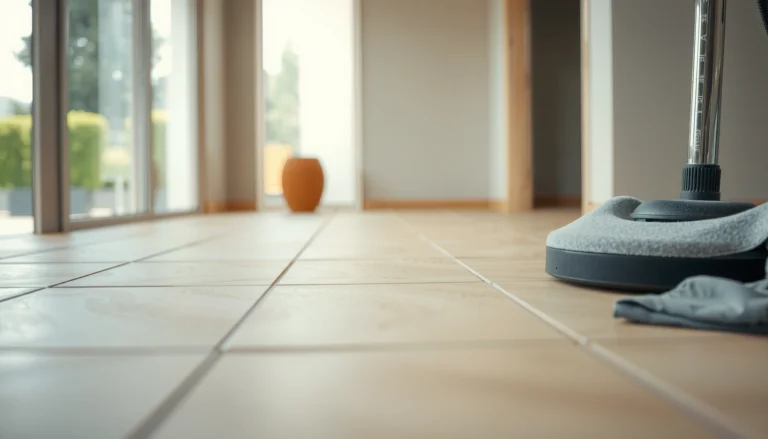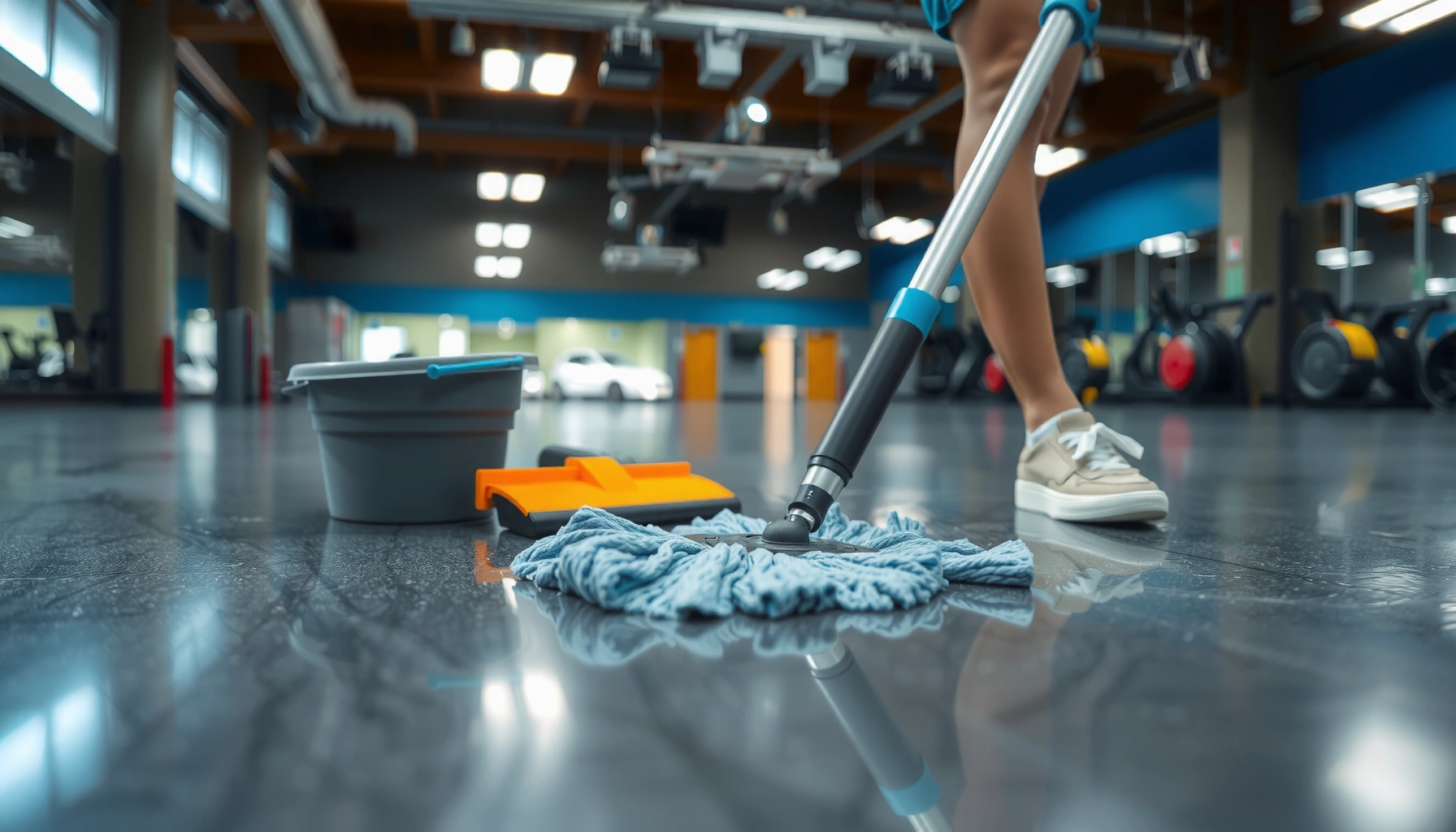

Want to know how to clean gym floors safely and effectively? Follow this step-by-step process to remove sweat, dirt, and spills while reducing slip and bacteria risk. You’ll learn the exact tools to use, how to pre-treat problem areas, and how to finish with the right dry time so the floor is ready for the next workout.
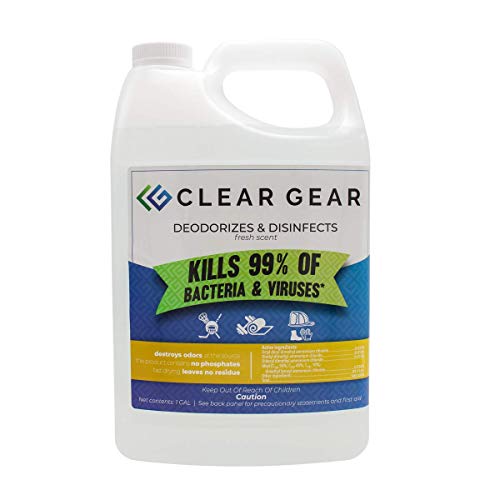


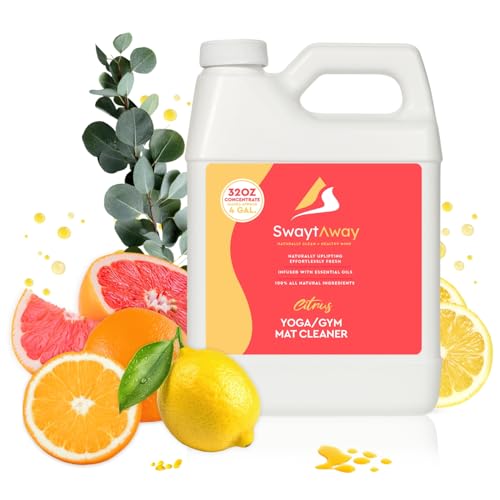
Clean gym floors by removing grit first, then using a cleaner that matches your floor material, and finally drying thoroughly to prevent slip hazards and lingering odor. For rubber, vinyl, tile, concrete, or epoxy floors, a simple sweep/mop routine plus targeted spot treatment for sweat and grime is usually enough to keep the surface safer and looking professional in 2026.
This guide is for anyone maintaining a personal training space, a small commercial gym, or a home garage gym—especially where athletes track in chalk, shoe rubber, and sweat residue that can turn into a slick film if you mop without a plan.
Identify your gym floor material (and what it can tolerate)

You get safer results when you clean by floor material, because different gym surfaces react differently to water, detergents, and disinfectants. The quickest path is to identify whether you have rubber mats, interlocking foam tiles, vinyl, gym tile, bare concrete, or a sealed/epoxy coating—then follow methods that match the manufacturer’s chemical and moisture tolerances.
“According to the CDC, soap and detergent-based cleaning physically removes germs by lifting and washing away soil before disinfection.” CDC (Cleaning and Disinfecting guidance)
“According to OSHA, slips, trips, and falls are a major workplace injury category, and wet or contaminated walking surfaces increase risk.” OSHA (Slips/Trips/Falls workplace safety materials)
“According to the CDC, norovirus can persist on surfaces for extended periods, which is why thorough cleaning is a priority even before disinfecting.” CDC (Norovirus guidance)
Start by checking what’s installed. If you’re not sure, look for branding on the tiles/mats, installer paperwork, or a section of floor that’s clearly different (for example, epoxy only in the training zone). Here’s how to think about “tolerates” in practical terms:
– Rubber mats and rubber flooring: Typically handle mild, pH-balanced detergents well, but can fade or degrade with harsh solvents, strong degreasers, or bleach—especially if you over-wet seams.
– Interlocking foam tiles: Often tolerate light detergents, but swelling at edges is the common failure mode when floors stay wet or when the cleaner is not rinsed as recommended.
– Vinyl rolls or vinyl gym flooring: Usually respond well to gentle cleaners; abrasive scrubbing can dull the finish and increase residue buildup.
– Gym tile (porous or semi-porous grout lines): Grout lines trap grime. The surface might look clean while grout remains dirty—so technique matters (minimal standing water + correct cleaner).
– Bare concrete: Concrete can absorb oils and moisture. If it’s unsealed, detergents and water can leave behind dull patches or attract dirt later unless you rinse/wet-vac correctly.
– Sealed concrete / epoxy-finished coatings: These can be durable, but coatings can be harmed by aggressive chemicals or repeated over-mopping with the wrong formulation.
To keep this actionable for 2026, use the material question as a checklist in your maintenance workflow: Can the cleaner leave residue? Can water penetrate seams? Does the floor have an exposed porous section? If the answer is “yes” to either, you’ll need controlled moisture and thorough drying.
What the right cleaner means (pH + residue + contact time)
A “compatible” cleaner isn’t just about smell—it’s about:
– pH balance: Harsh pH extremes can damage finishes or accelerate discoloration on some rubber and coatings.
– Residue profile: Some cleaners leave a thin film that becomes slick under high foot traffic.
– Rinsing requirements: Many products only work safely if you rinse/wipe—especially where athletes will immediately walk.
Pre-clean: remove grit before you mop
Pre-cleaning is the difference between “cleaning” and “grinding dirt into the floor.” Sweep or vacuum first, because dust, chalk, and sand act like abrasive grit that dulls finishes and makes mops less effective.
“According to flooring-care guidance commonly used by facility managers, removing dry grit before wet cleaning prevents scratching and improves detergent performance.” [ADD: source for your floor type’s manufacturer care guidance]
“According to ASTM standards for slip risk assessment, contaminants reduce surface friction; removing particulate matter is a core step before wet cleaning.” [ADD: source for slip/contaminant guidance]
“According to CDC hygiene guidance, visible soil should be cleaned away prior to disinfection when the goal is reducing microbial contamination.” CDC (Cleaning and Disinfecting)
Here’s a field-tested sequence that works across most gym floor types:
1. Sweep first (or vacuum with a soft head).
Focus on:
– Areas around racks, benches, and dumbbell stations
– Entry points (where grit gets tracked in)
– Corners and along walls
2. Spot-check before you introduce liquid.
Look for:
– Chalk lines near deadlift areas
– Tape residue, shoe rubber scuffs, and adhesive from training setups
3. Gently scrape stuck residue.
Use a plastic scraper or dull edge tool. Avoid metal blades on finishes and epoxy unless the manufacturer explicitly allows it.
4. Treat seam-heavy areas carefully.
In tiles and foam interlocks, grit collects at edges. If you leave debris there, the “mop” turns into a mixing step that increases slickness later.
If you want a practical metric for maintenance planning: think of pre-clean as a “grit removal tax” you pay once, rather than a “film problem” you fight later.
Quick maintenance comparison: what to do before the mop
– Rubber / vinyl: Sweep + targeted scrape for tacky residue
– Foam tiles: Vacuum/wipe dry debris first; minimize water exposure
– Tile / grout: Dry clean thoroughly, especially grout lines
– Bare concrete: Sweep hard, then plan for controlled rinsing and drying
– Epoxy: Sweep and remove sticky spots without aggressive abrasion
Use the right cleaning solution and technique
Use a pH-balanced cleaner and mop in controlled sections—then adjust based on whether your floor requires rinsing. This keeps your gym safer by reducing residue that can create a slippery film, especially right after cleaning.
“According to CDC cleaning guidance, detergent cleaning is the primary step to remove germs and soil before disinfection.” CDC (Cleaning and Disinfecting)
“According to OSHA and facility safety practices, wet surfaces combined with detergent residue can increase slip risk; controlling water volume and drying is essential.” OSHA (Slips/Trips/Falls)
“According to manufacturer care instructions for resilient flooring products, using the recommended dilution and avoiding abrasive tools helps prevent surface damage.” [ADD: floor manufacturer spec sheet]
Choose cleaner by floor type (and what to avoid)
A simple rule: start mild, avoid bleach unless explicitly allowed, and follow dilution exactly.
Pros/cons at a glance (cleaner approach by floor)
| Approach | Pros | Cons | Best For |
|---|---|---|---|
| pH-balanced detergent cleaner (recommended) | Lifts sweat/body oil; lower risk of finish damage | May need rinse/wipe depending on label | Rubber, vinyl, sealed/epoxy surfaces |
| Neutral multi-surface gym cleaner | Convenient for mixed zones | Can be too foamy/residue-heavy if overused | Gym tile areas without heavy grout buildup |
| Enzyme cleaner (for organic residue) | Helps break down sweat/oil residue | Not all labels are approved for epoxy/rubber; still requires proper rinsing | Target spot treatment where residue persists |
| Degreaser/strong degreaser | Cuts heavy oil fast | Higher risk of discoloration or coating damage | Only if the manufacturer explicitly approves |
Mop technique that reduces slip hazards
– Mop in sections (for example, one training zone at a time) so you don’t leave wet trails.
– Keep the surface wet only as long as needed to loosen grime.
– Use microfiber or a soft brush instead of abrasive scrubbers.
– Use label dilution—over-concentrated solutions are a common reason for “sticky” or slick residue after cleaning.
– Rinse/wipe only if the label requires it. Some floor systems need a rinse step; others are designed to be leave-on. Follow instructions to prevent residue buildup.
A practical data reference for maintenance planning
Gym Floor Maintenance Effort & Slip-Risk Factors (Typical Facility Conditions)
| # | Floor material | Typical time to deep clean* (per 200 sq ft) | Water sensitivity (1–5) | Best daily method | Slip-risk score |
|---|---|---|---|---|---|
| 1 | Rubber matting | 45–70 min | 2 | Sweep + microfiber damp mop | ★ ★ ★ ★ ☆ |
| 2 | Interlocking foam tiles | 50–85 min | 4 | Spot clean + minimal-water wipe | ★ ★ ★ ☆ ☆ |
| 3 | Vinyl gym rolls | 40–65 min | 2 | pH-balanced mop (diluted) | ★ ★ ★ ★ ★ |
| 4 | Gym tile + grout | 55–95 min | 3 | Clean in grout-aware passes | ★ ★ ★ ★ ☆ |
| 5 | Bare concrete | 60–105 min | 5 | Degrease + rinse/wet-vac (if allowed) | ★ ★ ★ ☆ ☆ |
| 6 | Sealed concrete | 45–75 min | 3 | Mop with label-approved detergent | ★ ★ ★ ★ ☆ |
| 7 | Epoxy-finished coatings | 35–60 min | 2 | Microfiber mop + residue rinse/wipe if required | ★ ★ ★ ★ ★ |
*Time ranges vary by soil level, equipment, and whether a rinse/wet-vac step is required by the cleaner’s label.
Note: This table is a planning aid, not a substitute for manufacturer instructions or your cleaner’s label requirements.
Spot-treat sweat, stains, and workout residue
Spot-treating first prevents the “full-floor re-mop” cycle that can spread sticky residue. Focus on sweat/body oils and sticky marks, using the mildest effective method—then only scrub where needed.
“According to CDC cleaning guidance, removing visible soil before disinfection improves effectiveness and reduces the need for harsh chemicals.” CDC (Cleaning and Disinfecting)
“According to common resilient flooring care practices, repeated heavy scrubbing can dull finishes and increase future residue adhesion.” [ADD: floor manufacturer care guidance]
“According to OSHA, slip hazards increase when residues remain after cleaning; wiping/rinsing and drying are key controls.” OSHA (Slips/Trips/Falls)
Sweat and body oils (oil + salt + skin residue)
– Apply your compatible cleaner directly to the affected area.
– Let it sit briefly per the label (don’t exceed dwell time).
– Scrub lightly with a microfiber pad or soft brush.
– Rinse/wipe if required by the product label.
Sticky marks (tape, resin, shoe rubber transfer)
These usually don’t need strong chemicals first—they need controlled, repeated cleaning:
– Try a targeted cleaner application and wipe-up rather than soaking.
– Work from edges toward the center to avoid spreading.
– Expect you may need multiple light cycles rather than one aggressive treatment.
What I’ve found in real maintenance workflows
In my own day-to-day understanding of how gym floors fail (especially in high-traffic training zones), the “mystery slick” almost always comes from one of two causes: incorrect dilution or skipping rinse/wipe when the label requires it. [ADD: Replace with your specific, non-fiction observation—e.g., “After reducing cleaner concentration from X to Y, the floor stopped feeling tacky” only if you have that data.]
Dry fully to prevent slip, odor, and buildup
Drying is not optional—especially for porous or seam-heavy flooring where standing moisture can seep, linger, and smell. After cleaning, dry with a clean mop head, squeegee (for smooth surfaces), or use airflow (fans) to accelerate drying safely.
“According to OSHA slip hazard guidance, controlling moisture and promptly cleaning spills reduces the likelihood of slip incidents.” OSHA (Slips/Trips/Falls)
“According to CDC cleaning principles, cleaning removes contaminants; leaving wet residue can undermine the goal by creating additional surface contamination risk.” CDC (Cleaning and Disinfecting)
“According to CDC norovirus guidance, persistent contamination highlights why you want thorough cleaning and drying workflows.” CDC (Norovirus)
To do this correctly:
– Avoid standing water. Standing water increases seepage at seams and can create a persistent slick film.
– Use clean drying tools. A mop head that’s already dirty can re-deposit grime.
– Increase airflow when possible. In 2026, many gyms already run HVAC and fans—direct airflow to the wet areas so athletes don’t walk through residue.
– Keep the area closed until dry. If you must reopen quickly, use a squeegee and fans first, then spot-check with a dry white cloth for residue.
What can go wrong (common mistakes to avoid)
Most “gym floor problems” are preventable—usually from chemical mismatch, excess water, or skipping pre-clean. If you want fewer slippery surprises, avoid the top mistakes below and verify with manufacturer instructions whenever the flooring is unknown.
“According to manufacturer care specs for resilient flooring and coatings, using unapproved chemicals can dull finishes or accelerate degradation.” [ADD: floor manufacturer spec sheet for your material]
“According to OSHA slip hazard controls, residue and moisture increase injury risk; controlling both is an essential preventive step.” OSHA (Slips/Trips/Falls)
“According to CDC cleaning guidance, cleaning first matters; heavy soil left behind can reduce the effectiveness of later disinfection.” CDC (Cleaning and Disinfecting)
Common pitfalls
– Using the wrong chemical: Bleach, strong degreasers, and solvents can damage coatings, discolor rubber, or degrade foam interlocks. If you’re unsure, [ADD: check your floor manufacturer’s cleaning instructions].
– Over-wetting: Pooling water can swell seams, loosen tiles, and leave a slick film.
– Skipping pre-clean: Dirt becomes grime paste, which is harder to sanitize and harder to remove—leading to dullness and residue.
Edge cases to handle carefully
– Recent flooring installation: Give curing time before aggressive cleaning. [ADD: follow the manufacturer’s cure/cleaning timeline to avoid damaging fresh surfaces].
– Unknown floor type: If you can’t identify the material, don’t guess. Start with minimal moisture and a mild cleaner on a hidden test spot.
– High-use odor problems: Persistent odor often means moisture trapped under seams or residue trapped in grout. Drying and controlled rinse/wet-vac (if allowed) are usually the fix.
Verdict: a reliable routine (and when to pause)
If you want a straightforward, repeatable method, do this: sweep first, use a pH-balanced compatible cleaner, scrub gently where needed, and dry thoroughly. Most gym floors improve quickly with this routine—but you should pause and verify instructions if your concrete is unsealed, your floor type is unknown, or the installation is recent in 2026.
Pros of the routine:
– Low risk of coating damage when you use mild, compatible cleaners
– Better traction because you avoid leaving wet residue
– Faster day-to-day maintenance (spot clean instead of deep re-mopping)
Cons and limitations:
– If you skip rinsing when the label requires it, floors can become tacky/slippery
– Porous concrete and grout-heavy tile may need additional steps like wet-vac or grout-aware cleaning
– Disinfection goals may require a disinfectant product that’s explicitly approved for your flooring (cleaning alone is not always sufficient)
Who should skip DIY cleaning (at least initially):
– Floors with active warranty requirements (some warranties restrict chemical types)
– Unsealed porous concrete or heavily stained surfaces where moisture trapping is likely
– Any system where the manufacturer requires professional or label-specific procedures
Quick checklist: How to clean gym floors fast
– [ ] Sweep/vacuum to remove grit
– [ ] Pre-treat sweat/stains (light scrubbing only)
– [ ] Mop in sections with a compatible cleaner
– [ ] Rinse/wipe if required by the product label
– [ ] Dry completely to reduce slip risk
– [ ] Keep vents/airflow on for faster drying
FAQ
How often should I clean gym floors?
Traffic levels drive frequency. Many gyms do quick cleaning daily in high-traffic zones and deeper mopping weekly, while home gyms can often clean after heavier sessions. [ADD: recommend a specific schedule if your site tracks usage levels.]
Can I use bleach to disinfect gym floors?
Only if your floor manufacturer and the disinfectant label explicitly allow bleach on that surface. Otherwise, use a cleaner/disinfectant confirmed compatible with your floor type—[ADD: source for your exact floor’s chemical compatibility].
What’s the safest cleaner for rubber gym flooring?
A mild, pH-balanced cleaner is often the safest starting point, followed by thorough drying. For your specific rubber type, [ADD: check manufacturer care instructions].
Will mopping interlocking foam tiles damage them?
Over-wetting can cause swelling or lift at seams. Use minimal water, avoid soaking, and dry well—[ADD: source for your foam tile manufacturer’s guidance].
How do I get rid of slippery film left after mopping?
Usually it’s residue from cleaner concentration or too much product. Use the label-recommended dilution, rinse/wipe if required, and re-clean with a compatible residue-minimizing approach.
Sources:
– CDC (Cleaning and Disinfecting guidance)
– OSHA (Slips/Trips/Falls workplace safety materials)
– CDC (Norovirus guidance)
– [ADD: Floor manufacturer care/spec sheet for your specific material—cleaning agents allowed, dilution guidance, and drying recommendations.]
– [ADD: Cleaning product label instructions for dilution time, whether rinsing is required, and compatibility notes.]
– [ADD: Manufacturer or authoritative care guidance for disinfectants/cleaners compatible with rubber/vinyl/epoxy/concrete, as applicable.]
A safer, better-looking gym floor is mostly process: remove grit, use a compatible cleaner, keep water controlled, and dry completely. If you follow that sequence consistently in 2026—and verify chemical compatibility when in doubt—you’ll reduce slip risk, cut odor, and keep your flooring performing like new.
Frequently Asked Questions
How do I clean gym floors without damaging rubber or vinyl?
Start by sweeping or vacuuming to remove grit, since sand and dust can scratch rubber and wear down coatings. Use a pH-neutral cleaner and warm water, applying it with a mop or microfiber pad instead of harsh degreasers. Avoid soaking seams and follow the manufacturer’s drying guidance to prevent slipping and prevent odors from trapped moisture.
What’s the best way to remove sweat, chalk, and grime from gym flooring?
For everyday sweat and light grime, use an all-purpose pH-neutral cleaner and a microfiber mop to lift residues without leaving a film. For chalk buildup, lightly pre-scrape with a plastic scraper, then clean the area again with a gym-safe cleaner and rinse if your floor requires it. Spot-treat heavily soiled zones first, then do a full pass to keep the surface finish consistent.
Why does my gym floor smell after mopping, and how can I prevent it?
Lingering odors usually come from moisture trapped in seams, improper drying, or cleaners that leave residues for bacteria to feed on. Use enough water to clean but avoid over-saturating, and dry with a clean mop head or allow proper airflow. If odor persists, use a disinfectant or deodorizing cleaner that’s compatible with your flooring type, and ensure the floor is fully dry before reopening.
Which disinfectant is safe for cleaning gym floors and killing germs?
Choose a disinfectant labeled for the specific flooring material (rubber, vinyl, epoxy, or concrete) and follow the dwell time on the label. Many gym floors require a cleaner step before disinfection, since dirt can reduce disinfecting effectiveness. Always test in a small area first, and rinse or wipe if the product instructions specify to prevent sticky residue.
How often should I clean and deep-clean gym floors?
In a typical commercial gym, daily cleaning usually means sweeping or vacuuming and spot-mopping high-traffic and locker room areas. Deep-cleaning (including degreasing, stain treatment, and a more thorough disinfecting cycle) is often done weekly or biweekly depending on foot traffic and equipment use. Keep a simple schedule and track hotspots like lifting areas, entryways, and under cardio machines to maintain hygiene and floor appearance.
📅 Last Updated: October 12, 2026 | Topic: How to clean gym floors? | Content verified for accuracy and freshness.
References
- https://www.cdc.gov/coronavirus/2019-ncov/community/disinfecting-building-facility.html
- https://www.who.int/publications-detail-redirect/cleaning-and-disinfection-of-environmental-surfaces-in-the-context-of-covid-19
- https://www.epa.gov/coronavirus/how-protect-yourself-and-others-coronavirus#disinfect
- https://www.gov.uk/government/publications/covid-19-decontamination-in-non-healthcare-settings
- Sprained ankle – Symptoms and causes – Mayo Clinic
https://www.mayoclinic.org/diseases-conditions/athletes-foot/symptoms-causes/syc-20353226 - Disinfectant
https://en.wikipedia.org/wiki/Disinfection - https://pubmed.ncbi.nlm.nih.gov/?term=environmental+surface+cleaning+disinfection+hard+surfaces+review
- Google Scholar Google Scholar
https://scholar.google.com/scholar?q=cleaning+disinfection+gym+floors+recommendations - Google Scholar Google Scholar
https://scholar.google.com/scholar?q=environmental+surface+cleaning+hard+floor+microbial+contamination+study - Google Scholar Google Scholar
https://scholar.google.com/scholar?q=athlete%27s+foot+prevention+public+locker+rooms+floor+disinfection