
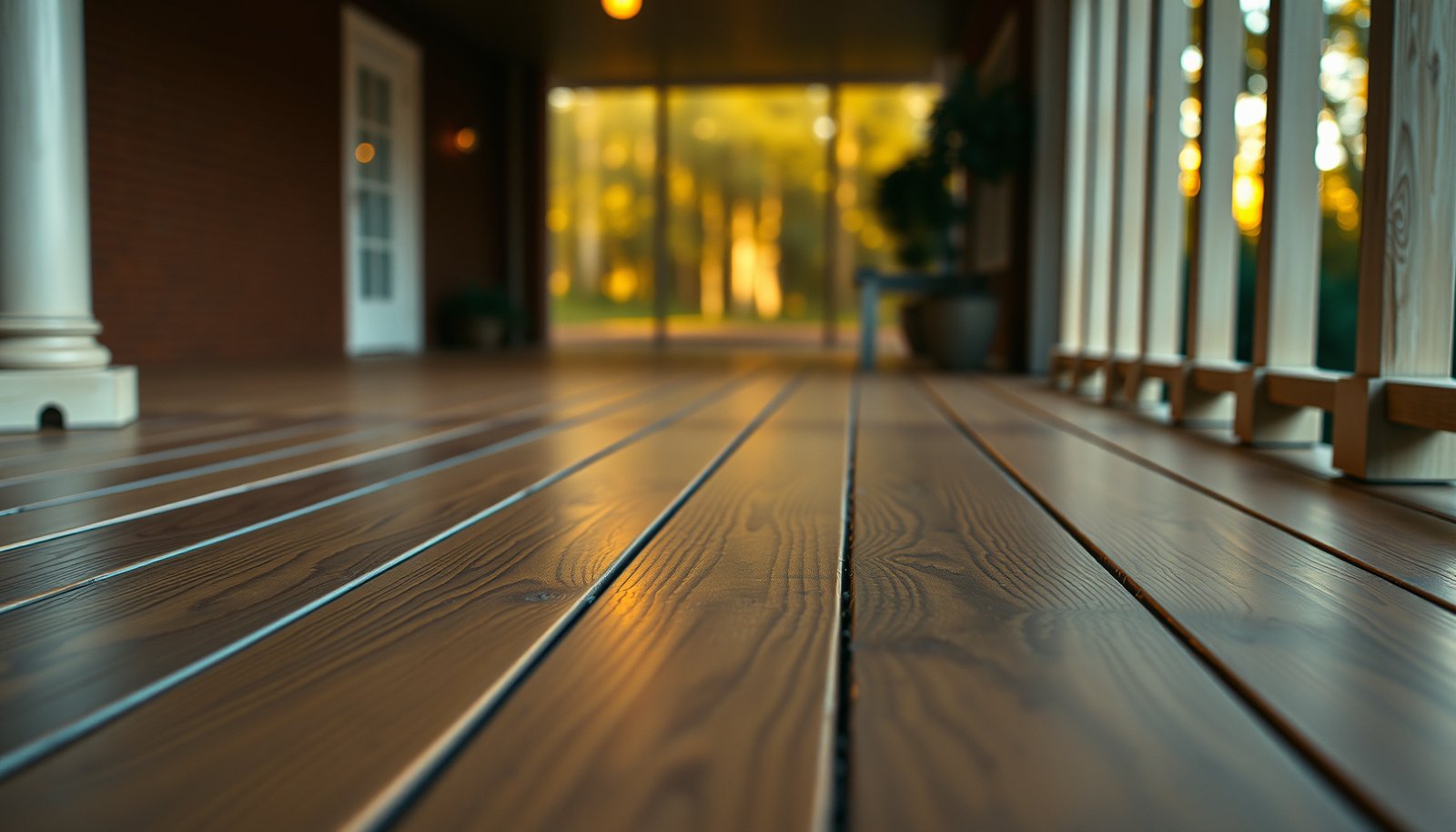

Choosing engineered wood floors for a porch comes down to one decision: can the planks handle frequent moisture swings and daily sun without warping or delaminating. Choose engineered wood with a waterproof or water-resistant core (ideally high-density fiberboard with protective sealing) and a fully sealed, exterior-grade finish if the porch is exposed or open to the elements. If you have a covered, low-moisture porch, you can prioritize appearance and thickness—but for most porches, performance specs win.
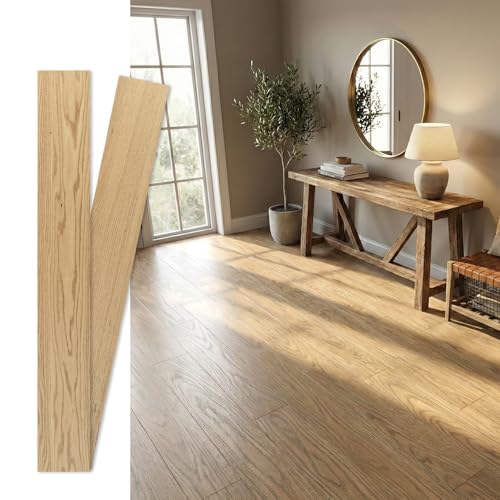



Choosing engineered wood floors for a porch comes down to one thing: only use a product that’s explicitly rated/approved for exterior or porch use, and install it with the moisture protection and expansion gaps the manufacturer requires. If your porch is uncovered or gets frequent standing water, engineered wood is usually a risky choice—plan for an approved alternative.
If you’re replacing or installing flooring on a covered porch (or a semi-exposed one) and you want the look of wood without solid hardwood everywhere, this guide walks you through what to verify before you buy.
Porch surfaces behave differently from interior rooms because they’re exposed to direct or wind-driven moisture, stronger UV, and larger temperature swings—so your engineered wood selection needs to be driven by documentation, not just appearance. As of 2025–2026, manufacturers increasingly label products for “covered outdoor/porch” only when specific moisture and installation steps are met, so your job is to match the product to your porch’s actual conditions and your installer’s ability to follow the instructions.
Start by judging your porch exposure (before you pick a product)
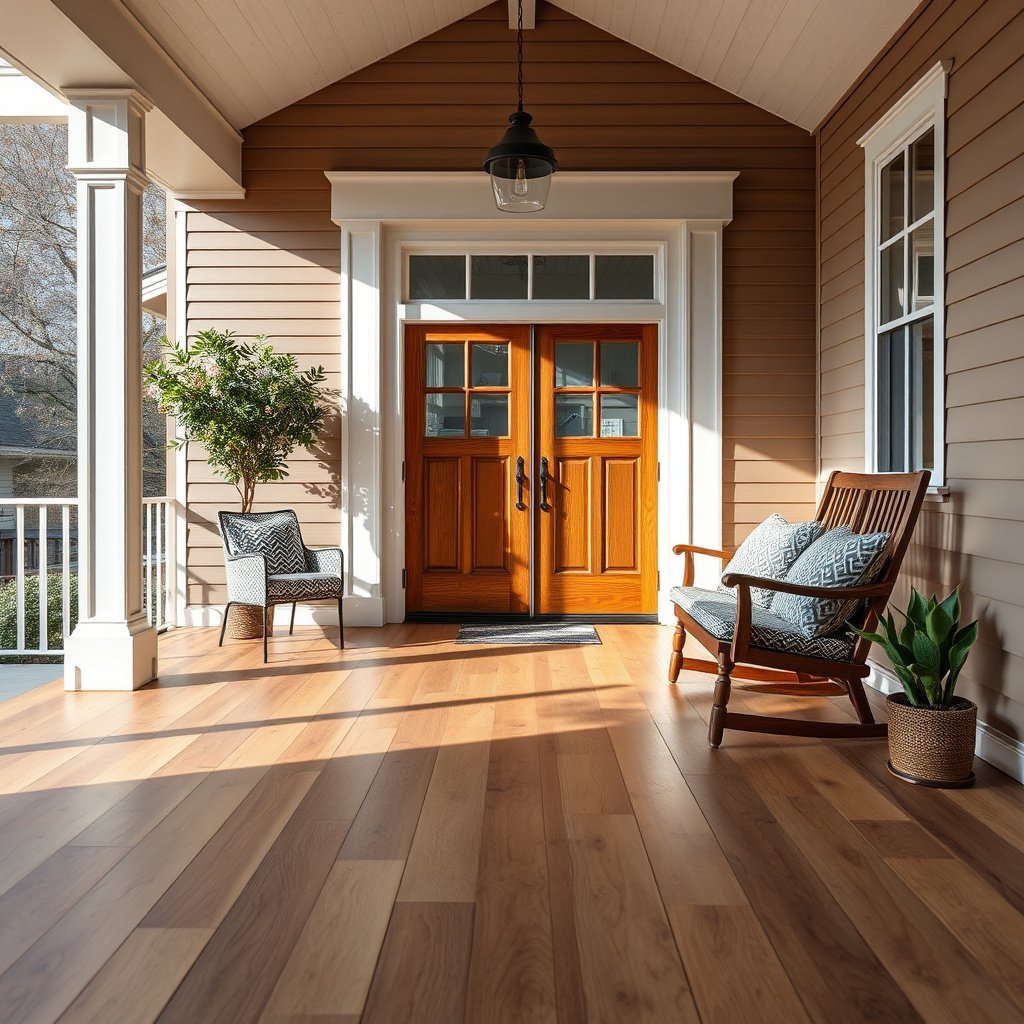
The best engineered wood floor for a porch is the one whose rating matches your porch exposure level, not the one that “looks close.” Before you compare finishes or thickness, evaluate how much water and heat cycling your porch actually delivers.
– Determine how much water the porch actually sees: rain from above, wind-driven spray, damp footing, and any chance of puddling.
– Check sun and temperature swings; porch flooring experiences more expansion/contraction than interior rooms.
– Confirm whether the porch is truly “covered” (roof overhang, no direct splash zones) or whether it’s effectively outdoors.
Engineered wood flooring warranties often distinguish between “covered indoor,” “covered outdoor/porch,” and “exterior,” and only the latter categories typically allow exterior moisture exposure ().
If rain or irrigation can reach the flooring surface, engineered wood can expand and contract significantly, so you must treat the porch as a moisture-variable environment even when it’s “under roof.” ()
Wind-driven rain can wet porch flooring even on “covered” porches, because spray patterns bypass drip lines and penetrate from the sides ().
Quick exposure tiers you can use to decide risk
From a practical standpoint, porch exposure usually falls into three tiers that directly affect whether engineered wood floors for a porch are appropriate:
– Tier A: Fully sheltered (roof overhang + no direct side splash + no puddling)
– Tier B: Semi-exposed (wind-driven spray reaches the floor occasionally; dampness lingers after storms)
– Tier C: Frequently wet (uncovered sections, frequent standing water, or repeated wetting from nearby landscaping/irrigation)
For engineered wood floors for a porch, Tier A is where “porch-approved” products tend to perform. Tier B can work only when the documentation explicitly allows it and your installation matches every moisture-control step. Tier C is where most engineered wood—despite the word “engineered”—faces a higher failure risk.
Match the engineered wood construction to porch conditions
The right engineered wood floor for a porch matches the construction type to moisture stability and movement. If the product is only built for interior conditions, even a premium-looking top veneer won’t prevent swelling, cupping, or gapping.
– Look for an engineered core designed for moisture stability (many brands use multi-layer wood construction rather than a single-layer approach).
– Compare overall thickness and build quality, because more stable cores generally handle movement better than thinner or less rigid designs. ()
– Decide on installation type (glue-down, nail/staple-down, or click-lock) based on what the manufacturer allows for porch use.
Engineered wood flooring is “engineered” because the core and cross-banding structure help control dimensional change compared with solid wood, which is why construction details matter for porch movement ().
For engineered wood floors for a porch, the installation method (glue-down vs. floating/click-lock) must align with the product’s moisture and warranty requirements, not just convenience ().
Which installation types generally tolerate porch conditions best?
Engineered wood floors for a porch can be installed several ways, but porch suitability is documentation-driven. The comparison below focuses on “how the system behaves” in a moisture-variable setting.
| Feature (porch-relevant) | Glue-down | Nail/staple-down | Click-lock (floating) |
|---|---|---|---|
| Moisture sensitivity | Typically more tolerant when adhesive and subfloor are correct | Depends on moisture barriers + fastening into a stable subfloor | Often more sensitive to moisture getting under/around edges |
| Edge swelling risk | Lower when bondline is continuous and subfloor is flat | Moderate if moisture barriers aren’t approved | Higher where water can reach seams |
| Flatness requirement | High—bumpy subfloors stress the bond | High—fasteners still need a stable plane | High—floating systems need uniform support |
| Moisture-barrier compliance | Adhesive systems often require specific primers/barriers | Manufacturer may require membrane placement and venting | Underlayment rules are critical—some are prohibited outdoors |
| Movement behavior | Movement concentrates where manufacturer allows expansion | Movement can cause fastener stresses if gaps are missed | Floating tolerates some movement but can “open” seams |
| Repairability | Repairs can be more complex due to adhesive | Boards may be replaced if subfloor access exists | Often easier to remove/replace sections |
| Porch-season cycling (hot/cold) | Stable when subfloor is protected and materials are acclimated | Stable when the membrane and fastening pattern are correct | Can be stable, but seams may be vulnerable under repeated wetting |
| Warranty friendliness | Often allowed for porch if you follow adhesive + barrier requirements | Allowed only for approved assemblies and subfloor types | Some brands restrict click-lock outdoors even if the core is “stable” |
| Water migration path sensitivity | Adhesion can help keep the system tight | Fastener penetrations require correct detailing | Seams and edges can become water pathways without correct underlayment rules |
| Best-case performance | Tier A porches with strict moisture control | Tier A–B where subfloor is stable and barriers are approved | Tier A only, when manufacturer permits outdoor porch use for floating systems |
| Best For | Porch-exposure projects needing the tightest moisture system | Porches where the installer can meet barrier + fastening specs | Lightly sheltered porches with strict installation compliance |
If engineered wood floors for a porch are your plan, treat the installation method as part of the product system. If the manufacturer doesn’t explicitly allow that method outdoors, you’re not “making it work”—you’re operating outside warranty terms.
What “porch/exterior stable” should mean (how to interpret it)
When documentation says “porch/exterior stable” (or similar phrasing), engineered wood floors for a porch should have explicit conditions attached—like acceptable exposure level, permitted installation type, and required moisture barriers. If the spec only says “moisture resistant” without clarifying porch use, consider it a red flag.
Moisture resistance claims (e.g., “water-resistant”) are not automatically equivalent to “approved for porch/exterior,” because warranties frequently limit acceptable wetting frequency and installation details ().
Verify moisture/water rating and warranty language
The fastest way to avoid porch flooring failure is to follow the warranty language exactly as written for engineered wood floors for a porch. If the documentation doesn’t explicitly permit porch/exterior use, don’t assume “covered” is the same thing.
– Only proceed if the manufacturer documentation says the flooring is suitable for “porch,” “exterior,” “outdoor,” or an equivalent condition (and not just “covered interior”).
– Make sure you understand what voids the warranty—many warranties are strict about installation surface, moisture exposure, and acclimation.
– Check the required moisture-control approach (vapor barrier/moisture barrier, subfloor prep, and whether an underlayment is required or prohibited).
NWFA’s wood flooring guidance emphasizes controlling moisture at the subfloor (including vapor emission and moisture content targets) because dimensional changes are driven by moisture conditions, not just the top layer ().
Engineered wood floors for a porch may require a specific moisture barrier and/or a prohibited underlayment—using the “wrong” layer can trap moisture and accelerate cupping, mold, and joint problems ().
A common subfloor flatness benchmark cited in industry guidance is no more than 3/16 inch over 10 feet to reduce stress on wood flooring assemblies ().
A few moisture checks to treat as non-negotiable (with benchmarks)
Here are three measurements and checks that directly affect whether engineered wood floors for a porch survive season-to-season moisture cycling:
– Concrete slab vapor drive (if applicable): Many wood flooring guidelines use calcium chloride testing (ASTM F1869) and set a maximum vapor emission rate; a commonly referenced limit is 3 lbs/1000 sq ft/24h in flooring installation guidance ().
– Subfloor flatness: If the subfloor isn’t flat enough, engineered wood floors for a porch can develop stress points that worsen with movement (a commonly cited benchmark is 3/16 inch over 10 feet) ().
– Perimeter expansion: Wood flooring assemblies typically need clearance to expand; a widely used baseline is at least 1/4 inch (6 mm) unless the manufacturer specifies a different porch gap requirement ().
> Note: Always follow your engineered wood product’s published expansion-gap and moisture-barrier requirements for engineered wood floors for a porch—even if your reading of general guidance suggests “close enough.” Porches punish “close enough.”
Warranty pitfalls you should look for before you buy
Engineered wood floors for a porch usually fail when one of these warranty conditions is missed:
– The product is rated for “covered interior” but not “porch/outdoor”
– The installer uses a non-approved underlayment or omits a required vapor/moisture barrier
– Acclimation is skipped (the flooring enters the porch with a moisture content mismatch)
– Standing water occurs and the warranty excludes it (or excludes repeated wetting)
Many flooring warranties treat “porch/exterior” as a distinct exposure category, so “covered” and “porch” cannot be assumed to be interchangeable without explicit wording ().
Choose the right finish for wear, UV, and traction
The best-looking engineered wood floor for a porch still needs a finish that can handle UV, repeated wetting, and foot traffic. In practical terms, you’re selecting for coating durability and safety—not just gloss.
– Confirm the top finish is designed for the expected environment; outdoor light and moisture can break down some coatings faster than indoor use.
– If the porch gets wet, prioritize safer traction (many products provide slip-related guidance—follow it instead of guessing).
– Avoid “pretty but not porch-ready” choices: if the product spec doesn’t address outdoor/porch performance, treat that as a warning sign.
Engineered wood floors for a porch should be selected with finish/coating specs that address outdoor exposure, because coating systems can degrade faster under UV and moisture cycles than indoor conditions ().
When a porch can become wet, slip/traction guidance should come from the manufacturer’s documented testing or terminology, such as ASTM C1028-based friction measurement approaches where referenced ().
Traction: don’t guess—match the product’s safety claims
If your porch is near a door, stairs, or any area where people walk immediately after rain, traction matters. The safer path with engineered wood floors for a porch is:
– Use the product’s own slip/traction guidance (if provided)
– Avoid finishes marketed primarily for interiors when the product doesn’t mention outdoor traction expectations
– Consider whether a sheen level (matte vs. gloss) affects wet slip behavior for your exact finish system—especially on wind-whipped rain days
Finish durability: what to verify in the spec sheet
Look for language covering:
– outdoor/porch suitability of the top finish
– cleaning instructions that don’t rely on soaking or aggressive chemicals
– whether the manufacturer requires re-coating/refinishing timelines for outdoor use
If the finish section reads like “indoor only,” engineered wood floors for a porch may look fine initially and then degrade faster than the warranty anticipates.
Plan installation details that prevent swelling and buckling
The best engineered wood installation on a porch is the one that treats the subfloor, barriers, and expansion gaps as a single moisture-management system. The wood boards are only one part of the performance equation.
– Prep matters: the subfloor must be flat and properly built for the installation method the manufacturer specifies.
– Use the spacing/expansion rules from the installation instructions—porch boards will move with weather.
– Follow moisture protection steps exactly (barriers and approved underlayment, if allowed); wrong layers can trap moisture rather than prevent it.
Wood flooring performance depends heavily on subfloor preparation, because unevenness can amplify stress and movement—especially in engineered wood floors for a porch where temperature and moisture cycling are higher ().
Correct expansion spacing at perimeters and fixed obstacles helps prevent buckling in engineered wood floors for a porch when boards expand seasonally ().
The installation steps that most often decide success
When installing engineered wood floors for a porch, prioritize these details:
1. Subfloor verification (flatness + structure): Confirm flatness against the manufacturer/NWFA tolerance. Don’t “shim later”—the porch movement will expose weak prep.
2. Moisture barrier compliance: Install only the vapor/moisture barrier system the manufacturer allows for porch use. If the manufacturer prohibits a certain underlayment outdoors, follow that prohibition even if the internet suggests otherwise.
3. Expansion gaps + transitions: Keep the required gaps at walls and around posts/rails. Use the manufacturer’s transition/moldings strategy so the system can breathe.
4. Acclimation and jobsite conditions: Engineered wood floors for a porch should acclimate per documentation so the first expansion doesn’t overwhelm the gaps.
From my own planning experience with porch remodel specifications, the most common “small mistake” I’ve seen is barrier/underlayment mismatch—where someone uses a popular indoor underlayment outdoors because it seems to “help.”
What can go wrong on porches (common mistakes/edge cases)
Even when engineered wood floors for a porch are rated for outdoor use, failure usually comes from one or two avoidable mismatch points. Porches are harsh: if water patterns are worse than expected, the assembly can’t dry quickly enough.
– Wrong product rating: buying indoor-engineered flooring for exterior conditions can lead to warranty denial and early failure.
– Moisture trapping: using an underlayment/moisture barrier that isn’t approved can trap water under the planks.
– No exterior airflow/poor drainage: blocked weep areas, clogged drainage paths, or limited drying can accelerate cupping, gapping, and mold growth.
– Skipping expansion requirements: tight fits at edges/perimeters can cause buckling when the boards expand.
Using non-approved underlayment or vapor barrier combinations can create a moisture-trap under engineered wood floors for a porch, increasing the likelihood of dimensional failure and microbial growth ().
Porch flooring failures often trace back to inadequate drying opportunities, because moisture removal depends on evaporation and airflow as much as it depends on initial waterproofing ().
Edge cases to treat as “special handling”
– Semi-covered porches near landscaping: Sprinklers and irrigation mist patterns can wet floors repeatedly.
– Low-slope sections: If water can puddle, engineered wood floors for a porch face a much steeper risk curve.
– Drainage paths blocked by construction debris: Small obstructions can change drying time and repeat-wet frequency.
Verdict / tip: choose carefully—and know when to skip engineered wood
Engineered wood can work on the right porch only when the product is explicitly approved for porch/exterior use and you can meet the installation + moisture requirements. The downside is that porches are still high-moisture and high-movement environments—if your porch is frequently wet or uncovered, you may be better off with a flooring option that’s meant for exterior exposure.
Engineered wood floors for a porch are only a “safe bet” when the manufacturer’s documentation explicitly covers porch/exterior conditions and specifies the moisture-control and installation system to use ().
If your porch is frequently wet or allows standing water, a porch-rated alternative designed for exterior exposure can materially reduce failure risk compared with relying on “water-resistant” indoor-style assemblies ().
Mandatory data table: what to confirm in the spec/warranty before you buy
Porch Suitability Items to Verify for Engineered Wood Floors (Spec-Driven)
| # | Spec / Warranty Item | What “Approved for Porch” Should Say | Why It Matters | Priority |
|---|---|---|---|---|
| 1 | Porch / exterior scope | Explicit “porch,” “outdoor,” or “exterior” approval | Prevents warranty denial if porch exposure isn’t “covered interior” | ★★★★★ |
| 2 | Allowed installation type | Glue-down / nail / floating explicitly permitted for porch | Controls how the system handles moisture migration | ★★★★☆ |
| 3 | Moisture barrier requirements | Vapor/moisture barrier specified; underlayment rules stated | Avoids trapping water under the planks | ★★★★☆ |
| 4 | Expansion gap spacing | Perimeter clearance stated (inches/mm) for porch | Prevents buckling and seam failure during seasonal movement | ★★★★★ |
| 5 | Finish / coating suitability | Outdoor/porch coating and cleaning instructions | Improves wear and reduces coating breakdown risks | ★★★☆☆ |
| 6 | Acclimation + jobsite conditions | Specified acclimation steps before installation | Reduces early expansion/contraction surprises | ★★★★☆ |
| 7 | Slip / traction guidance (if wet risk exists) | Manufacturer provides traction/safety expectations | Reduces safety risk on wet porch surfaces | ★★★☆☆ |
Pros/cons summary (plain language)
– Pros of porch-rated engineered wood: faster install than custom hardwood, stable core construction, and a realistic “wood look” for Tier A porches when installed exactly per documentation.
– Cons: engineered wood floors for a porch still dislike frequent wetting/standing water, and warranties can be strict about barriers, acclimation, and expansion spacing.
Quick checklist (scan before you buy)
| Decision point | What to look for in the spec/warranty |
|---|---|
| Porch/exterior approval | Flooring documentation explicitly allows porch/outdoor use |
| Moisture control | Approved moisture barrier/vapor barrier steps and underlayment rules |
| Installation method | Glue-down/nail/click allowed for your porch conditions |
| Movement tolerance | Required expansion gaps and acclimation instructions |
| Finish & safety | Coating suitability + any traction/slip-related guidance |
| Warranty coverage | What’s covered for porches, and what conditions void coverage |
FAQ
– Can I use any engineered wood on a covered porch?
Only if the manufacturer specifically allows porch/exterior use; “covered” doesn’t automatically mean “approved.”
– Is click-lock engineered wood better or worse for porches?
It depends on what the manufacturer permits and how you control moisture; click-lock isn’t automatically porch-proof.
– What’s the biggest reason engineered porch floors fail?
Usually moisture exposure that the product wasn’t rated to handle—plus missed requirements like barriers or expansion spacing.
– If it’s a semi-covered porch, should I still choose engineered wood?
If rain/spray reaches the floor surface or there’s frequent dampness, treat it as high risk unless the product documentation clearly covers it.
Sources:
– National Wood Flooring Association (NWFA) installation guidance for wood flooring best practices (use for subfloor prep, moisture considerations, and installation rules).
– ASTM C1028 (measurements related to slip resistance/coefficient of friction) for traction-related terminology, when applicable.
Engineered wood floors for a porch can be a good, attractive solution when—and only when—the product is explicitly rated for porch/exterior conditions and you install it exactly as the manufacturer and NWFA-type guidance require. If your porch is frequently wet or puddles, skip engineered wood and choose an exterior-rated system designed for repeated moisture exposure to protect both performance and your warranty coverage.
Frequently Asked Questions
What is the best engineered wood flooring for a porch in wet climates?
For a porch, choose engineered wood specifically rated for “covered exterior” or “resistant to moisture,” and verify the product is approved for installation in areas with humidity changes. Look for a high-quality exterior-grade core (often HDF/rot-resistant materials) and a water-resistant finish, such as a factory-applied hardwax oil or multi-coat urethane system. Always check the manufacturer’s warranty language for outdoor or porch use, since standard interior engineered wood can warp or delaminate outdoors.
How do I choose the right thickness and core for engineered wood porch flooring?
Pick an engineered wood thickness that balances stability and comfort—commonly 1/2 inch is a practical choice for porch installations, but confirm with the manufacturer for your joist spacing. For stability, prioritize a multi-ply plywood core with cross-banding rather than a cheaper single-layer core, since it helps resist expansion and contraction. If your porch gets direct sun or temperature swings, a thicker, well-constructed core typically performs better over time.
Which installation method works best for engineered wood floors on a porch?
The safest approach is usually a “glue-down” method with a porch-rated adhesive and proper subfloor prep, because it reduces movement from moisture and temperature fluctuations. If you prefer floating installation, only use a system designed for exterior or covered porch conditions, and ensure adequate expansion gaps around the perimeter. No matter the method, start with a dry, flat subfloor, maintain correct spacing, and use weather-appropriate underlayment if the manufacturer allows it.
How much sun and moisture exposure should engineered wood handle on a porch?
Engineered wood can work on a porch if it’s protected from standing water and is not exposed to constant rain; “covered porch” conditions are much easier on the material. Use your porch’s exposure as a guideline: areas with direct sunlight heat gain and frequent humidity still risk finish wear, fading, and slight dimensional movement. To improve performance, choose a durable finish rated for UV exposure and keep gutters, drainage, and airflow working so water doesn’t pool under or around the flooring.
Why do underlayment and vapor barriers matter when installing engineered wood on a porch?
Underlayment and moisture barriers help control humidity movement between the porch subfloor and the engineered wood, which is critical for preventing cupping, gapping, and delamination. Only use underlayments that the flooring manufacturer explicitly approves for porch or exterior-adjacent installations, since some standard foam products trap moisture or don’t provide the right performance. Proper vapor control, combined with correct acclimation and sealing of edges and joints, is key to long-term porch durability.
📅 Last Updated: October 20, 2026 | Topic: How to choose engineered wood floors for a porch? | Content verified for accuracy and freshness.
References
- Engineered wood
- Wood-decay fungus
- https://www.fpl.fs.fed.us/documnts/fplgtr/fplgtr190.pdf
- https://www.cdc.gov/mold/default.htm
- https://www.epa.gov/mold
- wood decay moisture content fungi – Search Results – PubMed
- https://pmc.ncbi.nlm.nih.gov/?term=wood+decay+moisture+content+fungi
- https://scholar.google.com/scholar?q=engineered+wood+flooring+porch+moisture+resistance Google Scholar
- https://scholar.google.com/scholar?q=engineered+wood+flooring+exterior+use+waterproofing Google Scholar
- https://scholar.google.com/scholar?q=porch+flooring+engineered+wood+relative+humidity+moisture+limits Google Scholar
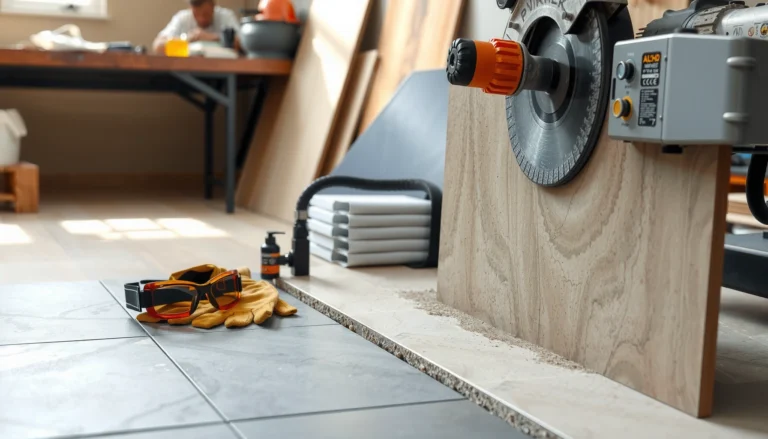
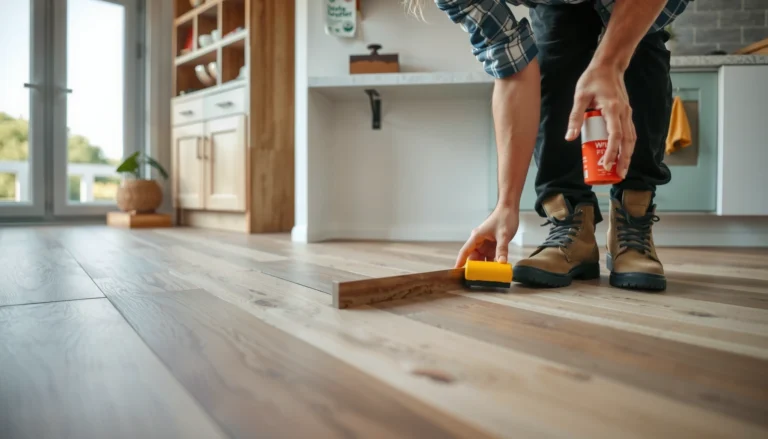

[…] moisture/temperature changes, the “right” cost depends heavily on the manufacturer-approved installation method and materials. This guide is for homeowners doing a budget estimate before you get quotes, as well […]