
Scratched hardwood floors can feel like a blemish on your beautiful home. You invested time and money into choosing the perfect flooring, and now those scratches seem to stand out every time you walk by.
But don’t worry—you’re not alone in this, and there’s a solution at your fingertips. Imagine the satisfaction of seeing your floors restored to their original glory, adding warmth and elegance back to your space. In this guide, you’ll discover simple and effective techniques to erase those pesky marks and bring back the shine.
Whether it’s minor scratches or deeper gouges, we’ll help you tackle them all with confidence. Ready to transform your floors and enjoy the beauty of your home once again? Let’s get started on fixing those scratches today!
Identify Scratch Type
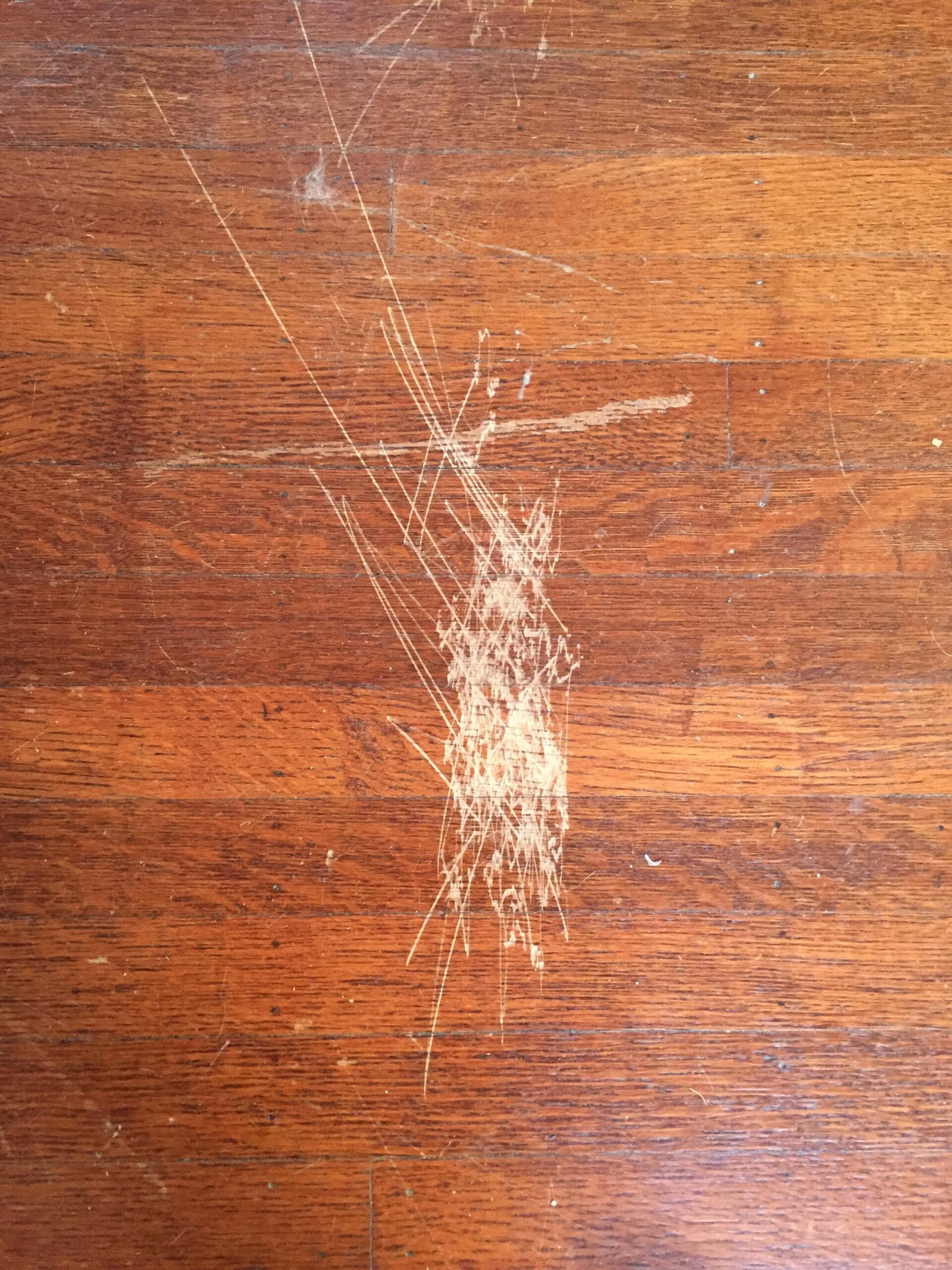
Surface scratches are easy to fix. They only affect the top layer. Use a wood cleaner to clean the area first. Apply a matching wood stain to cover the scratch. Use a soft cloth for application. Buff the area gently. This will make the scratch less visible. Finish with a clear coat for protection.
Deep gouges are harder to fix. They go below the surface. Fill the gouge with wood filler. Choose a color that matches. After filling, let it dry. Sand the area smooth. Use fine sandpaper. Apply a matching stain to cover the filler. Finish with a clear protective coat.
Gather Necessary Tools
Cleaning supplies are important for fixing scratches. You will need a soft cloth and a wood cleaner. Clean the floor gently. Remove all dust and dirt. This helps in making the repair work better. Choose a cleaner made for hardwood.
Repair kits are very helpful. These kits have wax sticks or markers. They help in hiding scratches. Wax sticks fill the scratches. Markers match the floor color. Pick the right shade for your floor.
Always use protective equipment. Wear gloves to protect your hands. Safety goggles keep your eyes safe. This is important while working with tools. Take care of your safety first.
Prepare The Area
First, remove all dirt and dust from the floor. Use a soft broom or a vacuum with a floor-brush attachment. Be gentle to avoid more scratches. After sweeping, take a damp cloth. Wipe the floor to remove any leftover dirt. This step ensures a clear surface. It is important for the next steps.
Use a clean towel to dry the floor. Make sure there is no water left. Water can damage wood floors. Check every corner and edge. They should be dry too. Wait a few minutes to ensure it is completely dry. Now, the floor is ready for repair.
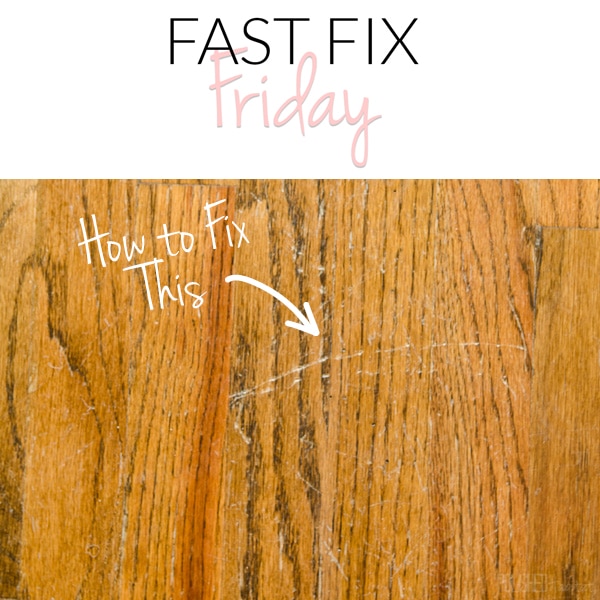
Surface Scratch Repair
Scratch concealers hide marks on hardwood. They work by filling gaps. Many types exist. Liquid ones are easy to apply. Choose the right color. It must match the wood. Apply it gently. Wait for it to dry.
Touch-up markers help with small scratches. Pick one that matches wood color. These markers are like pens. Draw over the scratch. Let it dry fully. It makes scratches less visible.
Buffing removes excess concealer. Use a soft cloth. Move it gently over the area. This smooths the surface. Buffing makes the floor shine. It helps hide scratches better. Repeat if needed.
Deep Gouge Repair
Fixing scratched hardwood floors involves addressing deep gouges. Clean the area and sand it gently. Fill the gouge with wood filler, matching the floor color. Once dry, sand it smooth. Finally, apply a finish to blend it with the surrounding area, restoring your floor’s beauty.
Fill With Wood Filler
Start by cleaning the gouge with a damp cloth. Apply wood filler using a plastic putty knife. Fill the gouge completely. Let it dry for several hours. Check the filler; it should be hard and firm. If necessary, apply more filler.
Sand Smooth
Use fine-grit sandpaper to sand the filled area. Sand gently to keep the surface even. A smooth finish is important. Feel the surface with your hand. It should be smooth like the rest of the floor. Dust off any particles.
Stain And Seal
Choose a stain that matches your floor. Apply stain with a brush or cloth. Let it dry as per instructions. Seal the area with a floor sealer. This protects the repair. Allow it to dry completely. Your floor should now look good as new.
Maintenance Tips
Keep your floor clean and shiny. Use a soft broom every day. This helps remove dust and dirt. Dust can cause scratches. A damp mop is good too. Avoid using too much water. Water can damage the wood. Use a gentle cleaner made for wood. This keeps your floor safe.
Rugs and mats are great protectors. Place them in busy areas. They catch dirt from shoes. This stops dirt from scratching the floor. Choose rugs with a soft backing. Hard backing can scratch wood. Mats should be clean and dry. Wet mats can harm wood.
Furniture can scratch floors. Padding helps prevent this. Use pads under chairs and tables. They are easy to find and use. Stick them under furniture legs. Move furniture carefully. Sliding it can cause scratches. Always lift when moving.
Prevent Future Scratches
Furniture pads are a simple fix for scratches. Place them under chair and table legs. These pads stop scratches before they start. They are cheap and easy to use. You can find them in many stores. Remember to check them often. Replace them if they wear out.
A no-shoes policy helps keep floors safe. Shoes bring in dirt and stones. These can scratch your floor. Ask family and guests to remove shoes. Use a mat for shoes at the door. This keeps them away from your floor.
Regular inspections are important. Check your floors every month. Look for new scratches or wear. Fix them quickly. Small scratches are easier to fix. This keeps your floor looking nice longer.

:strip_icc()/BHG-how-to-get-scratches-out-of-wood-floors-03-49486-1-1839929dd43143bba6af589be87fd535.jpg)
Frequently Asked Questions
How Can I Identify Scratches On Hardwood Floors?
To spot scratches, look for lines or marks on the floor’s surface. They may appear as lighter or darker streaks. Running your fingers over these areas can also help you feel the unevenness. Identifying scratches early can help in timely repairs.
What Tools Do I Need To Fix Scratches?
To fix scratches, you need a soft cloth, wood filler, sandpaper, and a hardwood floor cleaner. Additionally, a wood stain marker matching your floor color can help. A polyurethane finish can protect the repaired area, ensuring long-lasting results.
Can I Fix Hardwood Scratches Myself?
Yes, you can fix hardwood scratches yourself with basic tools and materials. Follow a step-by-step guide for minor scratches. For deep gouges, consider consulting a professional. DIY repairs can save costs and keep your floors looking great.
What Is The Cost Of Professional Repair?
Professional repair costs for hardwood scratches vary based on damage extent and location. Typically, it ranges from $75 to $250. Deep scratches or extensive damage might cost more. It’s advisable to get quotes from multiple professionals to ensure fair pricing.
Conclusion
Fixing scratched hardwood floors doesn’t have to be a hassle. Start with simple solutions. Try a gentle buffing for minor scratches. Use a wood filler for deeper marks. Regular maintenance keeps floors shiny. Clean spills quickly to prevent damage. Consider professional help for large areas.
Wood floors add beauty to your home. Protect them with rugs and felt pads. Avoid dragging heavy furniture across the surface. Treat your floors with care for lasting appeal. Keep them looking new with routine checks. Enjoy the charm of your hardwood floors.
A little effort goes a long way!