
You love your furry friend, but discovering that unmistakable smell of cat pee on your beautiful hardwood floors? Not so much.
It’s a situation no pet owner wants to face, but rest assured, you’re not alone. The good news is, you don’t have to live with that lingering odor or unsightly stain. You can restore your floors to their former glory with the right approach and a few handy tips.
Ready to save your hardwood floors and breathe easy again? Keep reading, and you’ll find out exactly how to tackle this pesky problem with confidence.

Identifying The Stain
Fresh stains are easier to spot. They are usually wet and smell strong. Clean them quickly. Use paper towels to soak up the pee. Then, wash the area with warm soapy water. Dry it well.
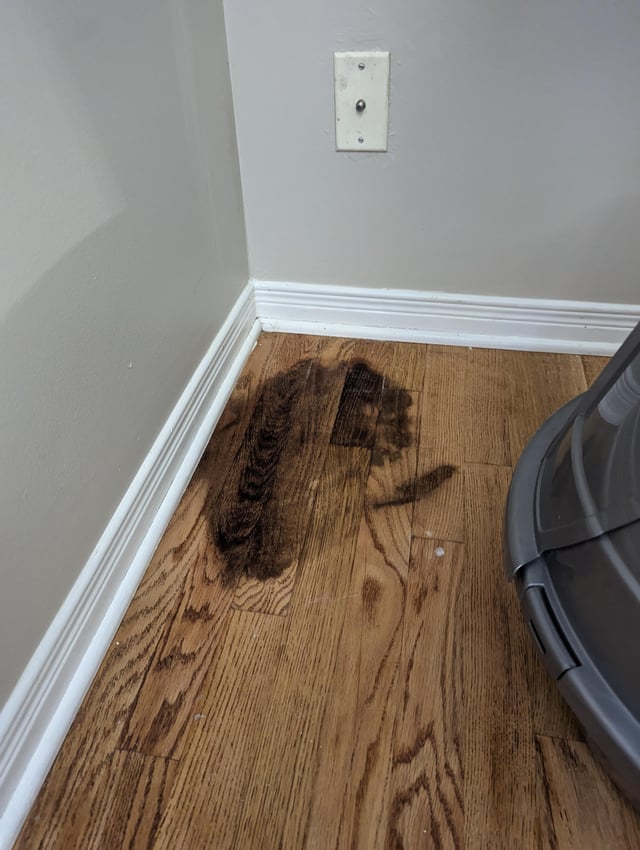
Old stains are tricky. They are dry and might not smell. Look for dark spots or rings on the floor. These might be old urine stains. Use a flashlight to help find them.
Locating Hidden Stains
Sometimes, stains hide under furniture. Move chairs and tables to check. Look closely at corners and edges. Pee can seep into cracks. Use your nose to sniff for pee smells. This helps find hidden spots. Check often to keep floors clean.
Essential Cleaning Supplies
Keeping your hardwood floors clean is important. Cat pee can leave a bad smell and stain. To fix this, gather some natural cleaning solutions. Baking soda works well. It absorbs the smell. Vinegar is another good option. It cleans and disinfects the floor. Hydrogen peroxide helps remove stains. Use these with a soft cloth. Always test on a small area first.
Natural Cleaning Solutions
Baking soda and vinegar are great for cleaning. These are safe for floors. Lemon juice can also help. It leaves a fresh smell. Mix it with water. Use a spray bottle for easy use. Clean the area gently. Make sure to dry it well. This stops any water damage.
Commercial Products
Sometimes, store-bought cleaners are necessary. Look for ones made for hardwood floors. These are safe and effective. They can remove tough stains. Always read the instructions first. Enzyme cleaners work well too. They break down the pee smell. Follow the directions carefully. This keeps your floors safe and clean.
Step-by-step Cleaning Process
First, remove any rugs or mats on the floor. Gather cleaning supplies like gloves and paper towels. Wear gloves to protect your hands. Use paper towels to absorb excess liquid. Dispose of the used paper towels in a bin. Ensure the area is clean and dry before proceeding.
Mix vinegar and water in a spray bottle. Spray the mixture on the stained area. Let it sit for five minutes. Scrub gently with a soft cloth or brush. Avoid using too much force. Ensure all spots are covered with the solution.
Use a clean cloth to wipe the area. Rinse with clean water to remove residue. Dry the floor with a towel. Ensure the area is completely dry. Open windows to speed up drying. Check for any remaining stains.
/remove-cat-urine-odor-from-wood-floors-1821892-07-ef43bdd1586f44679b81be7fffea560e.jpg)
Dealing With Persistent Odors
Removing cat pee from hardwood floors requires quick action and the right cleaning method. Start by blotting the area with a paper towel. Then, use a mixture of white vinegar and water to neutralize the odor.
Using Enzymatic Cleaners
Enzymatic cleaners help remove stubborn odors from cat pee. These cleaners break down urine molecules. They are safe for hardwood floors. Follow the instructions carefully. Pour the cleaner onto the stain. Let it sit for several minutes. You may need to repeat the process. Check the floor for any remaining odor. If it smells fresh, the job is done.
Homemade Odor Remedies
Vinegar is a good remedy for pee smells. Mix vinegar with water. Use equal parts of both. Pour the mix on the pee stain. Let it soak for a while. Baking soda can help too. Sprinkle it over the area. It absorbs bad smells. Leave it for a few hours. Then sweep it away. The floor should smell better.
Preventing Future Accidents
Cats need a clean litter box. Scoop daily to keep it fresh. Place the litter box in a quiet spot. Cats like privacy when they go. Reward your cat for using the litter box. Treats or a gentle pat work best. Consistency is key. Train your cat every day. Avoid punishing your cat for accidents. This can scare them. Be patient and kind.
Use plastic mats under the litter box. They catch spills and protect floors. Rugs can also help. Pick ones that are easy to wash. Check them often for any stains or smells. Vinyl or rubber mats are good too. They are waterproof and easy to clean. Cover areas where your cat spends time. This keeps your floors safe.
Maintaining Hardwood Floors
Keep your hardwood floors looking new. Sweep or vacuum them daily. Use a soft broom or a vacuum without a beater bar. This keeps dust and dirt away. Spills should be wiped up immediately. Use a damp cloth for best results. Avoid using too much water. Water can damage the wood. Use a cleaner made for hardwood floors. Follow the instructions on the label for safety.
Hire a professional for deep cleaning every year. They have special tools. These tools clean deeply without harming the wood. Professionals can also refinish the floor. This keeps it shiny and looking new. Ask them to check for any damages or scratches. They can fix these easily. Regular care will extend the life of your floor. It will keep it beautiful for many years.
Frequently Asked Questions
How Can I Remove Cat Urine Smell?
To remove cat urine smell, use enzymatic cleaners specifically designed for pet odors. These break down urine molecules, eliminating the smell. Ensure thorough cleaning and ventilation for best results. Baking soda and vinegar can help neutralize lingering odors, but enzymatic cleaners are most effective.
What Household Items Clean Cat Urine?
Common household items like vinegar, baking soda, and hydrogen peroxide can clean cat urine. Vinegar neutralizes odors, while baking soda absorbs moisture and smell. Hydrogen peroxide sanitizes the area. Apply these after blotting up urine, and test a small area first to prevent damage.
Can Cat Pee Damage Hardwood Floors?
Yes, cat pee can damage hardwood floors if not cleaned promptly. The urine’s acidity can cause discoloration and warping. Immediate cleaning prevents permanent damage. Enzymatic cleaners are recommended to fully remove urine and prevent further harm to your hardwood flooring.
How Do I Protect Floors From Cat Pee?
Protect floors from cat pee by using pet-friendly mats and training your cat. These mats absorb moisture and prevent urine seepage. Regular cleaning and litter box maintenance also reduce accidents. Consider using waterproof floor sealants for extra protection against damage.
Conclusion
Cleaning cat pee from hardwood floors can be a challenge. But with the right steps, it’s manageable. Act quickly to avoid stains and smells. Use appropriate cleaning solutions designed for wood. Vinegar and baking soda can help. Always test a small area first.
Dry the floor thoroughly after cleaning. This prevents damage to the wood. Regular maintenance keeps floors looking fresh. Protect your floors from future accidents. Train your cat to use the litter box. With these tips, your hardwood floors can stay clean and odor-free.
Enjoy your beautiful home without worries.