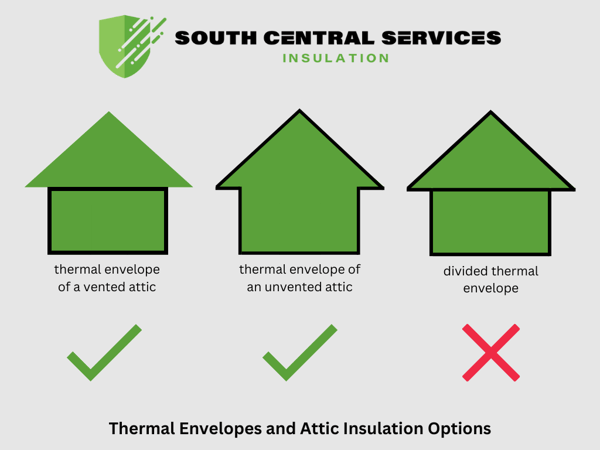

Are you wondering whether to insulate your attic floor or ceiling? This decision can impact not only the comfort of your home but also your energy bills.
Imagine stepping into a home where the temperature is just right, no matter the season. That’s the power of effective insulation. You might have heard different opinions on where to place insulation, and it can be confusing. But don’t worry, we’re here to clear up the confusion.
By understanding the benefits and drawbacks of each option, you can make the best choice for your home and your wallet. Stay with us as we explore the pros and cons of insulating your attic floor versus the ceiling, helping you create a more energy-efficient and cozy home environment.
Importance Of Attic Insulation
Attic insulation helps keep your home warm in winter. It also keeps it cool in summer. This saves energy and money on bills. Insulation reduces noise from outside. It also adds value to your home. Good insulation protects against moisture. It prevents mold and damage.
Common types include fiberglass, cellulose, and foam. Fiberglass is cheap and easy to install. Cellulose is made from recycled paper. Foam provides excellent air sealing. Each type has its benefits. Choose the right one for your home.
Insulate the attic floor or ceiling. The floor keeps heat in the living space. The ceiling keeps the attic warm. Both options have benefits. Decide based on your home’s needs.
Benefits Of Insulating The Attic Floor
Energy Efficiency is a great benefit of attic insulation. It keeps warm air inside during winter. It also blocks hot air in the summer. This helps your home stay at a nice temperature all year.
Insulation can bring Cost Savings. Less energy is needed for heating or cooling. This can lower your utility bills. Saving money is always good.
Improved Comfort is another plus. Insulation stops drafts and cold spots. Rooms feel cozier and more pleasant. Everyone likes a comfy home.
Advantages Of Insulating The Attic Ceiling
Insulating the attic ceiling helps keep your home warm. It blocks cold air from coming inside. This keeps the temperature steady. Warm in winter, cool in summer. Your heater and air conditioner work less. This saves energy and money.
Moisture can harm your home. Insulation stops water from coming inside. This keeps walls and ceilings dry. No wet spots or mold. A dry home is a happy home.
Insulating the ceiling makes the roof last longer. It protects it from heat and cold. Less wear and tear. The roof stays strong and safe. Saves money on repairs. A strong roof means less worry.
Factors To Consider
Cold weather means heat escapes faster. Insulate the attic floor. Warm climates need ceiling insulation. Keeps the house cool. Think about your local climate. It affects your choice. Insulation can save energy costs. Choose wisely.
Insulation costs money. Some types are expensive. Others are cheap. Compare prices first. Decide what fits your budget. Spending less now might cost more later. Quality matters. Don’t pick the cheapest one. Balance quality and cost. Smart choices can help you.
Home design affects insulation choice. Attic floors are easier to insulate. Ceilings need more work. Check your home layout. Some designs need specific insulation. Complex designs may cost more. Simple layouts make insulation easy. Understand your home before you decide.
Common Insulation Materials
Fiberglass is a popular choice for attic insulation. It is made from tiny glass fibers. These fibers trap air and keep heat inside. Fiberglass is affordable and easy to install. It comes in rolls or batts. Wear gloves and a mask when handling it.
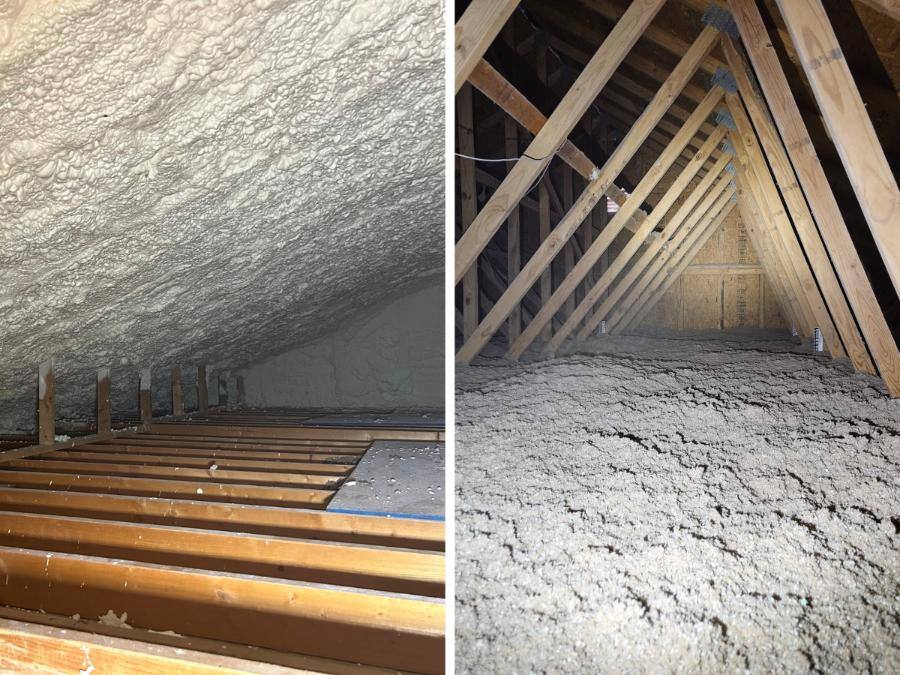
Spray foam expands and fills gaps. It offers excellent heat retention. Spray foam can be costly, but it lasts long. It blocks air leaks and moisture. Professionals often apply spray foam. It creates a tight seal in your attic.
Cellulose is made from recycled paper. It is treated for fire resistance. It is eco-friendly and helps save energy. Cellulose is blown into spaces. It covers corners and crevices well. This material is a good insulator for attics.

Professional Vs. Diy Insulation
DIY insulation often costs less than hiring professionals. You buy the materials yourself. Labor costs are saved. But, mistakes can be costly. Hiring a professional ensures the job is done right. They have the skills and tools needed. This might cost more upfront. But it can save money over time. Well-installed insulation works better. It keeps the house warm or cool. Energy bills can be lower.
Installing insulation yourself needs some skills. You need to know how to measure. Cutting and fitting insulation requires care. Safety gear is also important. Professionals have lots of experience. They understand different insulation types. They know the best places to install it. This means less risk of mistakes. The job is done faster and safer.
DIY might not always be perfect. Insulation gaps can happen. This makes it less effective. Professionals ensure high quality. Their work is thorough. They have the right tools. This makes the process fast and clean. Well-done insulation improves home comfort. It also helps save on energy.
Potential Challenges
Poor ventilation can make your attic too hot. This heat can damage your roof. It can also make your home warm. This means you might use the air conditioner more. Air must move freely in the attic. This keeps the space cool. It also helps save energy costs.
Moisture can build up if insulation is done wrong. This can lead to mold. Mold can damage your home and make you sick. It is important to keep the attic dry. Proper insulation can help with this. Always check for leaks. Fix them quickly.
Mistakes in installation can lead to many issues. Gaps in insulation let heat escape. This makes your home less energy-efficient. Also, poor installation can lead to drafts. These drafts make your home cold in winter. Always ensure insulation is done right.

Expert Recommendations
Insulating the attic floor helps keep the house warm. This is best if you live in a cold place. It stops heat from going up and away. Your home stays cozy and uses less energy. This can save money on heating bills. The floor insulation also keeps rooms below warm. It is a good choice for homes with unheated attics.
Insulating the ceiling is useful in hot places. It keeps the house cool in summer. The ceiling insulation stops heat from the sun. It keeps the rooms below comfortable. This can also lower air conditioning costs. It is perfect for homes with heated attics. Choose this if you want to keep your attic warm.
Talking to an expert is a smart step. They know what is best for your home. Professionals can check your attic. They will give advice on what to insulate. This helps you make the right choice. A professional can also help with the installation. It ensures the insulation is done right. This way, your home stays warm or cool as needed.
Frequently Asked Questions
What Is The Best Attic Insulation Method?
Insulating the attic floor is generally recommended. It keeps living spaces warm and reduces energy costs. Insulating the ceiling can be useful in certain cases, like when converting the attic into a living area. Always consider your home’s design and climate.
Does Attic Insulation Improve Energy Efficiency?
Yes, attic insulation significantly improves energy efficiency. It prevents heat loss in winter and keeps cool air inside during summer. This leads to reduced energy consumption and lower utility bills. Proper insulation can make your home more comfortable year-round.
How Does Attic Insulation Affect Home Temperature?
Attic insulation helps maintain a stable indoor temperature. It prevents heat from escaping in winter and blocks heat from entering in summer. This results in a more consistent and comfortable living environment throughout the year, reducing the need for excessive heating or cooling.
Should I Hire A Professional For Attic Insulation?
Hiring a professional is often recommended for attic insulation. They ensure proper installation and choose the right materials. Professionals have the expertise to address specific needs and maximize energy savings. DIY options exist, but professional installation is typically more effective.
Conclusion
Choosing between insulating your attic floor or ceiling matters. Consider your needs. Floor insulation works if you want to seal off the attic. Ceiling insulation helps if you use the attic often. Both options save energy. They keep your home cozy.
Check your budget and climate. These factors influence your decision. Consult an expert if unsure. They can guide you. Your home’s efficiency depends on proper insulation. Make a choice that suits your lifestyle. Stay warm. Save energy. Live comfortably.