
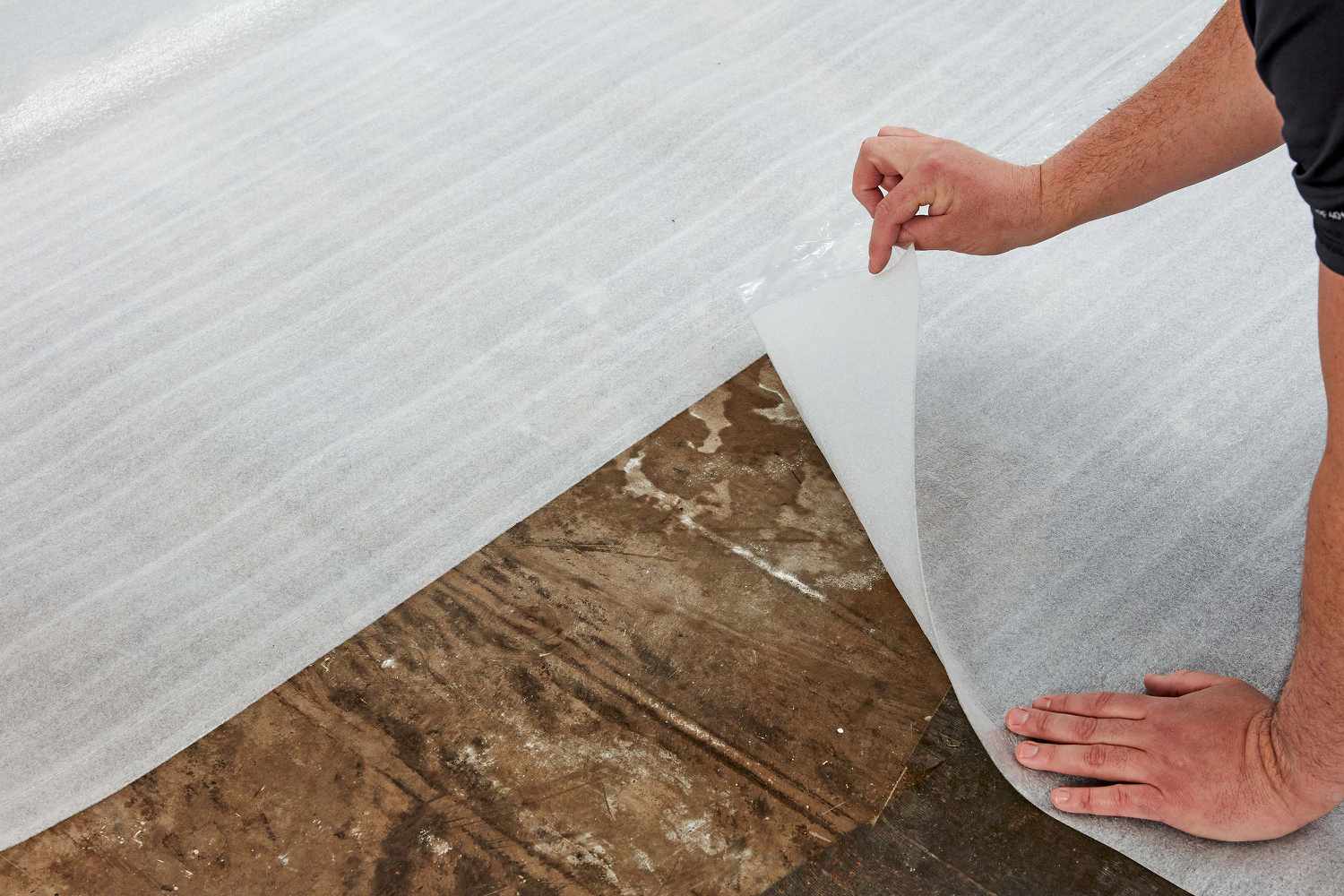

When it comes to installing laminate flooring, there’s one crucial question you might be asking: Do you need underlayment for laminate flooring? Imagine walking across your brand-new floor, only to hear an annoying creak or feel an unexpected chill.
No one wants that. The secret to a flawless, comfortable, and durable laminate floor might just lie beneath the surface. By understanding the role of underlayment, you can avoid potential headaches and ensure your flooring stands the test of time.
Dive into this article to discover why underlayment might be the missing piece in your flooring puzzle, and how it can transform your home environment. Your floors deserve the best foundation, and you deserve peace of mind.
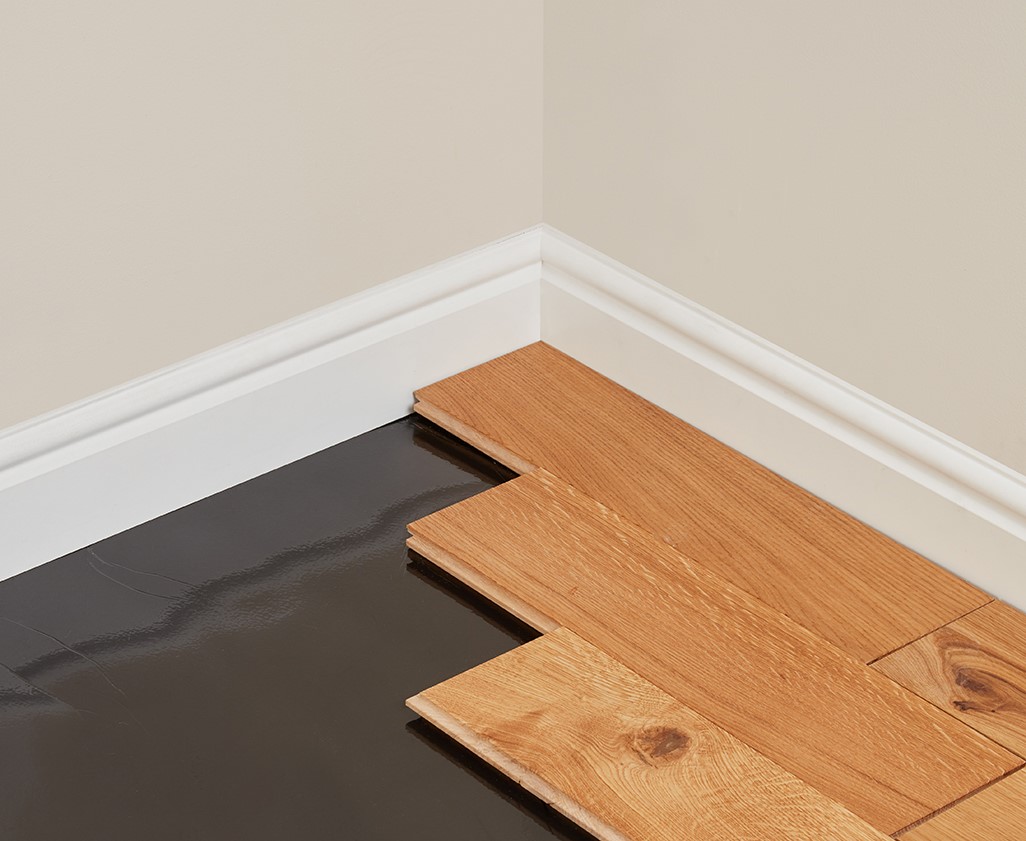
Importance Of Underlayment
Underlayment is crucial for laminate flooring. It provides a smooth surface for the floor. This helps in reducing noise. It makes walking on the floor quieter. Underlayment also offers a moisture barrier. This protects the floor from water damage. It keeps the laminate safe and dry.
Some underlayment types offer thermal insulation. This makes floors warmer in cold weather. It can help save on heating costs. Underlayment can also level uneven surfaces. This makes installation easier and better.
Choosing the right underlayment is important. It affects the longevity of your flooring. It can enhance the comfort and durability of your laminate.
:max_bytes(150000):strip_icc()/underlayment-for-laminate-flooring-1822245-hero-be0c4fb9077141af982ebdf260f16971.jpg)
Types Of Underlayment
Foam underlayment is very common. It is lightweight and easy to install. Foam provides basic sound reduction. It offers a little bit of cushion underfoot. This type is also affordable. But it might not be the best for moisture protection.
Cork underlayment is natural and eco-friendly. It gives better soundproofing. Cork can resist mold and mildew. It stays warm in cold weather. But it might cost more than foam. Cork is a good choice for allergy sufferers.
Rubber underlayment is very strong. It gives the best soundproofing. Rubber can handle a lot of moisture. This type is durable and lasts long. But it is often the most expensive option. Rubber is a smart choice for high-traffic areas.
Benefits Of Using Underlayment
Underlayment makes floors quieter. It absorbs sound. No more loud footsteps. Less noise from room to room. Better for multi-story homes. Helps in apartments. Keeps peace with neighbors. Quiet environment is more relaxing.
Protects floors from water. Prevents damage. Stops moisture from coming up. Keeps floors dry. Good for basements. Good near kitchens. Prevents mold growth. Keeps your floors safe.
Floors feel soft under feet. Adds cushioning. Better for standing long hours. Makes walking comfortable. Helps with joint pain. Cozy for kids playing. Improves overall feel.
Considerations For Choosing Underlayment
Floor Type Compatibility is crucial. Some floors need specific underlayment. Concrete floors often require moisture barriers. Wooden floors might need soundproofing. Make sure your choice fits your floor type.
Climate and Humidity matter a lot. Humid areas need moisture-resistant underlayment. Dry climates might allow simpler options. Always consider local weather conditions.
Budget Constraints can affect choices. Some underlayments cost more. Others are budget-friendly. Balance quality with cost. Find the best option for your needs.
Installation Tips
Start with a clean and dry subfloor. Remove all dust and dirt. Check for any bumps or holes. Make it smooth and even. A good subfloor helps the laminate last longer.
Lay the boards one by one. Click them together carefully. Always leave a small gap near walls. This space is for the floor to expand. Use a spacer to keep the gap even.
Do not rush the process. Rushing can cause mistakes. Always follow instructions. Avoid skipping the underlayment. It protects the laminate. Not leaving gaps can cause damage. The floor needs space to expand.
When Underlayment Is Not Necessary
Laminate flooring sometimes comes with pre-attached underlayment. This means you don’t need an extra layer. It saves time and money. The pre-attached layer provides cushion and support. It also helps with sound reduction. Moisture protection is another benefit it offers. Check the product label before buying. It should tell you if underlayment is attached. Always follow the instructions for best results.
Concrete floors are hard and flat. They provide a good base for laminate. Often, extra underlayment isn’t needed. Concrete is strong and stable. It doesn’t move or bend. This makes it ideal for laminate. Moisture barriers are sometimes required. Especially in basements or areas prone to dampness. Always check the floor condition first. Make sure it’s clean and dry. This ensures the laminate lasts longer.
Cost Implications
Underlayment can help save money over time. It makes the floor last longer. Laminate flooring without underlayment may wear out quickly. This means you might need to replace it sooner. Replacing flooring costs a lot of money. Underlayment also keeps the floor warm. This can lower heating costs in winter.
Buying underlayment costs money at first. The price depends on the type. Foam underlayment is cheaper. But cork costs more. Spending more now can save money later. Think of it as an investment. A good underlayment makes the floor feel better. It also reduces noise. This makes your home more comfy.

Frequently Asked Questions
What Is Laminate Flooring Underlayment?
Underlayment for laminate flooring is a thin layer placed between the subfloor and laminate. It provides sound insulation, moisture barrier, and cushioning. It enhances floor durability and comfort underfoot. Proper underlayment ensures a smoother installation process and prolongs the lifespan of your laminate flooring.
Why Is Underlayment Necessary For Laminate?
Underlayment is crucial for laminate flooring because it offers stability and support. It prevents moisture damage and reduces noise. Without it, laminate floors may wear quickly and feel uneven. Underlayment also improves thermal insulation, making your home more energy-efficient and comfortable year-round.
Can You Install Laminate Without Underlayment?
Installing laminate without underlayment is possible but not recommended. Lack of underlayment can lead to increased noise, moisture damage, and uneven surfaces. It compromises the floor’s lifespan and comfort. Underlayment is vital for a smoother, durable, and more comfortable flooring experience.
What Types Of Underlayment Are Available?
Various underlayment types exist, including foam, cork, and felt. Foam is popular for its affordability and soundproofing. Cork offers excellent moisture resistance and insulation. Felt is durable and provides good cushioning. Choose based on your needs, budget, and specific flooring requirements.
Conclusion
Choosing underlayment for laminate flooring makes a difference. It provides protection and comfort. Moisture barriers are important in damp areas. Sound insulation helps in noisy spaces. Underlayment also offers stability and longevity. Consider your room’s needs before deciding. Think about moisture, sound, and comfort.
Each factor affects your floor’s performance. A small step makes a big impact. Make informed choices for your home. Enjoy your beautiful, lasting laminate flooring.