
When it comes to cleaning your home, you want to make sure you’re doing it right, especially when it involves delicate surfaces like wood floors. You’ve probably heard about the wonders of steam cleaning, but can you steam wood floors without causing damage?
This question might be lingering in your mind as you search for effective and safe cleaning methods. The allure of a shiny, spotless floor without the hassle of scrubbing is tempting, isn’t it? But before you grab that steam cleaner, it’s essential to understand whether this popular cleaning technique is a friend or foe to your beautiful wooden surfaces.
Dive into this article to uncover the truth, save your floors from potential harm, and learn how to keep them looking pristine. Your floors deserve the best care, and so do you!

Wood Floor Basics
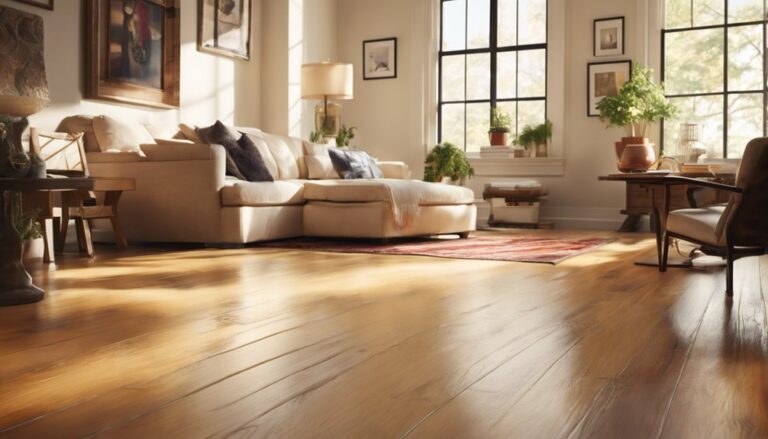
Wood floors are made from different types of wood. Each type has its own look and feel. Some are harder and more durable. Others are softer and easier to scratch. Common types include oak, maple, and cherry. Oak is popular and has a warm color. Maple is lighter and strong. Cherry is rich and dark.
Wood floors need regular care. They can get damaged by water and dirt. Cleaning them keeps them shiny and beautiful. Sweeping or vacuuming helps remove dust. Use a soft mop with wood cleaner for deeper cleaning. Avoid too much water.
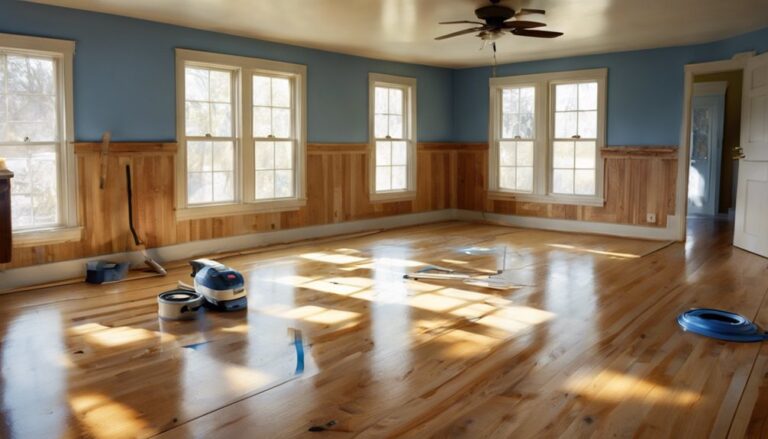
Over time, wood floors might lose their shine. Refinishing can bring back the beauty. It involves sanding and applying new finish. This process gives wood floors a fresh look.
Types Of Wood Flooring
Solid hardwood is made from one piece of wood. It is very strong and can last a long time. It comes in many different colors and finishes. People like it because it looks beautiful. But it can get scratches easily. It is also sensitive to water. So, be careful when cleaning it. Use dry methods or damp cloths.
Engineered wood has several layers. The top layer is real wood. This type is more resistant to moisture than solid hardwood. It is also easy to install and costs less. This flooring is a good choice for areas with changing humidity. Still, avoid too much water when cleaning. Use a vacuum or dry mop.
Steam Cleaning Overview
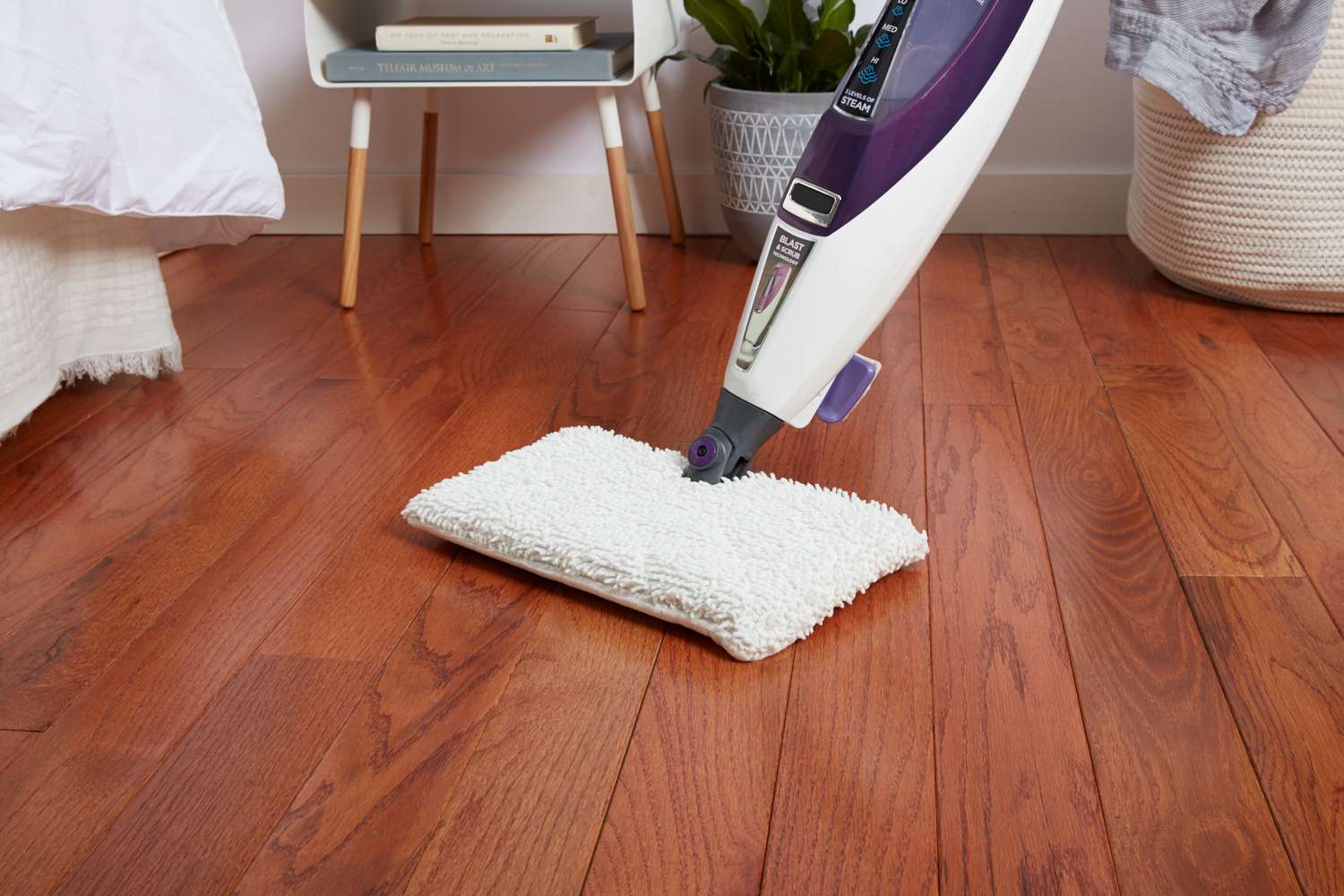
Steam cleaners use hot water to clean surfaces. The water is heated until it becomes steam. This steam is then released through a nozzle. The hot steam loosens dirt and grime. It can also kill many germs and bacteria. No chemicals are needed, just water. This makes steam cleaning very eco-friendly. It is safe for many surfaces.
Steam cleaning is very effective. It can reach small cracks and corners. This helps remove hidden dirt. Hot steam can also sanitize surfaces. It kills many bacteria and germs. This makes areas safer and cleaner. Steam cleaning is also quick. It dries faster than other methods. This means less waiting time.

Potential Risks Of Steaming Wood Floors
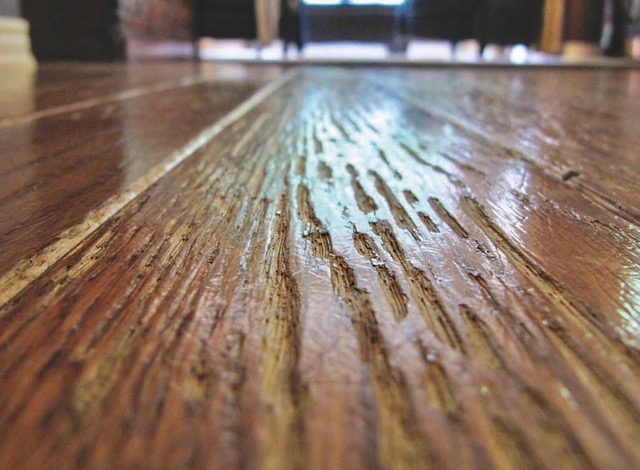
Wood floors can absorb moisture. This can lead to damage. Steaming adds extra moisture. Wood may swell or rot. This can ruin your floors.
The finish on wood floors is delicate. Steam can cause the finish to peel. It can make the floors look old. This means more repairs. It costs money to fix.
Too much heat can warp wood. Steaming makes floors hot. Warped wood bends and twists. Damage is hard to repair. Keep floors safe from steam.
Alternatives To Steam Cleaning
Mopping is a simple way to clean wood floors. Use a soft mop and warm water. Add a small amount of mild soap if needed. Wring the mop well before use. Wet floors can be bad for wood. Mop along the wood grain for better results. Dry the floor with a soft cloth after mopping.
Dry cleaning is easy and quick. Use a microfiber mop or cloth. It catches dust and dirt well. No water needed, so it’s safer for wood. Sweep the floor first to remove large dirt. Vacuum with a soft brush attachment for deep cleaning. This keeps the wood floor looking nice.
Mix vinegar with water for a gentle cleaner. Use one part vinegar and three parts water. It’s good for removing grime. Dip a cloth in the solution and wring it out. Wipe the floor gently. Avoid using too much solution. Vinegar smell fades as the floor dries.
Best Practices For Wood Floor Care
Sweep wood floors every day. Dust collects quickly. Use a soft broom. Vacuum once a week. Choose a vacuum with a hard floor setting. It helps remove dirt. Avoid scratches and keep floors shiny.
Choose cleaners made for wood. Avoid using water. Water can cause damage. Always read cleaner labels. Use a damp mop. Not a wet mop. Test new cleaners on a small spot. Make sure the cleaner is safe.
Refinish floors every few years. This keeps them looking new. Hire a professional for best results. Sanding removes old finish. Adds a fresh layer. Protect your investment. Refinishing prevents wear.
Professional Cleaning Services
Wood floors need special care. Water can damage them. A professional can help. Hire them if your floors have stains. Also, if there is sticky dirt. Professionals have the right tools. They know the best methods. They make your floors shine. Save time and effort. Your floors will look new.
Professional cleaners are experts. They use safe products. Your floors will be safe. They work fast. No need to worry about mistakes. Professionals clean every corner. They remove all dirt and germs. Your home stays healthy. Floors last longer with good care. Enjoy a clean and fresh home.
Preventive Measures
Steaming wood floors can cause damage. Moisture may seep into the wood, leading to warping or discoloration. Use dry cleaning methods to maintain their beauty.
Use Of Rugs And Mats
Rugs and mats keep wood floors safe. They catch dirt and water. Place them at doors and sinks. This helps stop scratches and spills. Keep rugs clean for best results.
Humidity Control
Wood floors need balanced humidity. Too much water makes wood swell. Too little can make it crack. Use a humidifier or dehumidifier. This keeps the air just right. Check levels often to stay safe.
Furniture Pads
Furniture can scratch wood floors. Use pads under chairs and tables. They stop marks and dents. Move furniture gently. This keeps the floor looking nice. Pads are easy to find in stores.
Frequently Asked Questions
Can You Use A Steam Mop On Wood Floors?
No, it’s not recommended to use a steam mop on wood floors. Steam can cause warping and damage. Instead, use a damp mop or microfiber cloth for cleaning. Always follow the manufacturer’s guidelines for floor care. Regular maintenance keeps wood floors looking their best.
Is Steaming Safe For Engineered Wood Floors?
Steaming is not safe for engineered wood floors. The heat and moisture can damage the layers. Use a vacuum or damp mop instead. Always check the flooring manufacturer’s cleaning recommendations. Proper care extends the life of engineered wood floors.
What Are The Risks Of Steaming Wood Floors?
Steaming wood floors can cause warping, swelling, and damage. Excess moisture and heat are harmful. This can lead to costly repairs or replacement. Use safer cleaning methods like sweeping and damp mopping. Protect your investment by following proper care instructions.
How To Clean Wood Floors Without Steaming?
Clean wood floors by sweeping or vacuuming regularly. Use a damp mop with a gentle cleaner. Avoid excessive water and harsh chemicals. Dry the floor immediately to prevent damage. Follow the manufacturer’s care guidelines for best results.
Conclusion
Steaming wood floors can lead to unexpected damage. Moisture is the main enemy. Wood swells, warps, and loses its shine with excess water. Use alternative cleaning methods for safety. Choose dry mopping or vacuuming. Stick to cleaners made for wood.
Ensure floors last longer and look their best. Regular care keeps them beautiful. Avoid steam to preserve floor quality. Make smart choices for lasting home beauty. Protect your investment with proper care. Wood floors need gentle, effective cleaning. Keep them shining with the right methods.