
Your hardwood floors are a centerpiece of your home, bringing warmth and elegance to any room. But over time, they can lose their luster.
Scratches, stains, and wear are common, and you may be wondering how to restore them to their former glory. Imagine walking across your floors, feeling the smooth finish underfoot, and seeing a pristine surface that enhances the beauty of your space.
Fixing hardwood floors might seem daunting, but with the right guidance, you can transform them yourself. This guide is here to help you take control, offering simple steps to breathe new life into your floors. Discover tips that make the process easy and effective, ensuring your floors look as good as new. Dive in, and learn how you can make your floors a stunning showcase once more.
Common Issues With Hardwood Floors
Hardwood floors can get scratches and dents easily. Small stones or furniture can cause this. You can use a soft cloth and some wood cleaner. Rub the spot gently. For big dents, you might need a wood filler. Fill the dent and let it dry. Then, sand it smooth and finish with a matching stain.
Water can harm hardwood floors. Spills should be wiped up quickly. If the floor gets wet, dry it fast. Use fans to help. For bad water damage, you might need to replace the wood. Check for mold, too. Mold can grow in wet spots.
Cupping happens when wood boards curve inwards. Crowning is the opposite. Moisture changes cause this. Keep the room dry to prevent it. Fixing might need sanding. Sand the wood flat again. For serious issues, consult a flooring expert.
Essential Tools And Materials
Fixing hardwood floors requires essential tools like a hammer, nails, and a saw. Sandpaper, wood filler, and a stain make the repair seamless. A tape measure ensures precise cuts and alignment.
Sanding Equipment
Sanding tools are very important for floor work. Use a floor sander for bigger areas. For corners, a sanding block helps a lot. Always have extra sandpaper. Different grits are necessary. Start with coarse and move to fine. This makes the wood smooth and shiny.
Wood Fillers
Wood fillers fill gaps in the floor. Choose one that matches your floor color. Mix well before use. Apply with a putty knife. Let it dry fully. Then sand it smooth. This makes the floor look even.
Protective Gear
Always wear protective gear. Safety is important. Use gloves to protect hands. Goggles keep dust out of eyes. A mask helps breathe clean air. Protect yourself while working.
Preparing The Floor For Repairs
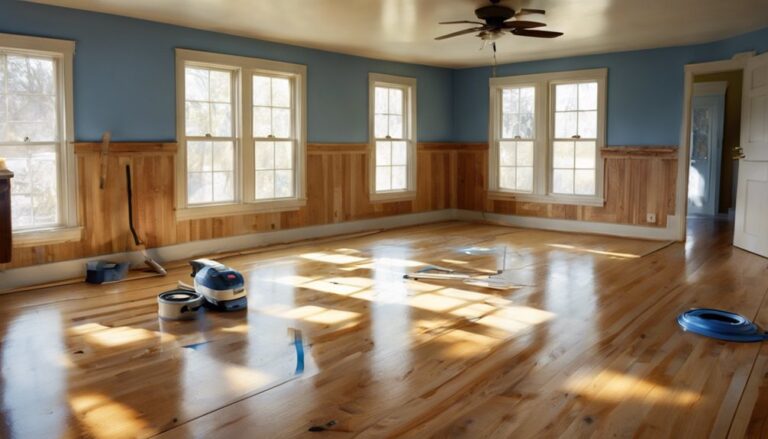
First, remove all furniture and decorations from the room. Make sure the floor is completely empty. Sweep the floor to get rid of all dirt and debris. Use a damp cloth to wipe the surface. This ensures no dust remains. Let the floor dry completely before moving to the next step.
Look closely at the hardwood floor. Check for scratches, cracks, or stains. Decide how big the problem is. Small scratches might need simple fixes. Bigger cracks may need more work. This helps in choosing the right repair method.
For minor scratches, use a wood marker or wax stick. For deeper cracks, wood filler works best. If boards are loose, nails or glue help secure them. Choose techniques based on the damage. This ensures your floor looks good again.
Repairing Surface Scratches
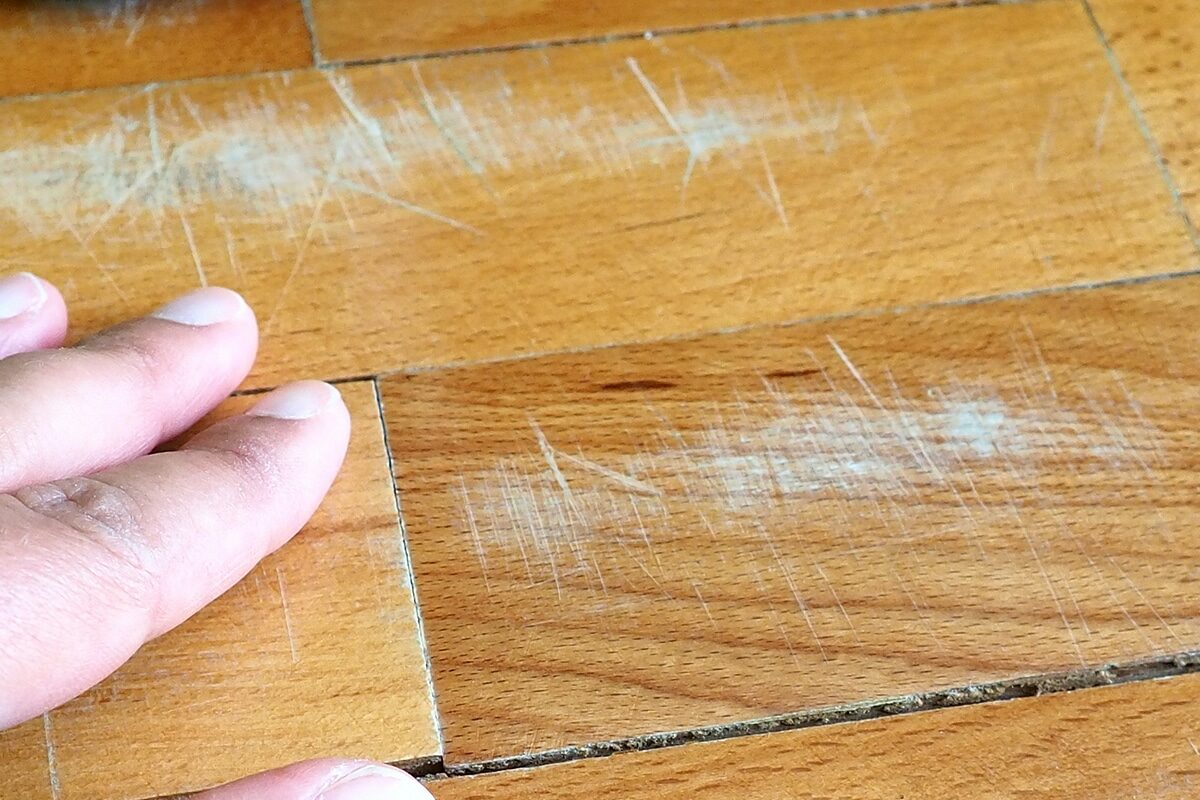
Scratch repair kits are handy for small scratches on floors. First, clean the scratched area well. Then, follow the kit instructions carefully. Apply the repair paste to the scratch using a cloth. Wait for the paste to dry. Buff the area gently with a clean cloth. The scratch will look less visible. These kits are great for minor damage.
Deep scratches need sanding and refinishing. Sand the floor carefully to remove scratches. Use smooth and even strokes. After sanding, clean the dust thoroughly. Apply a new coat of finish to the sanded area. Let it dry properly. Sanding makes old floors look new again. This method works for bigger scratches.
Fixing Deep Gouges And Dents
Wood fillers are great for fixing deep gouges. First, clean the damaged area. Use a damp cloth to remove dirt. Apply the wood filler with a putty knife. Fill the gouge completely. Let it dry. Sand the area smoothly. Use fine-grit sandpaper. Make sure the surface is even. Stain or paint to match the rest. This helps the floor look new.
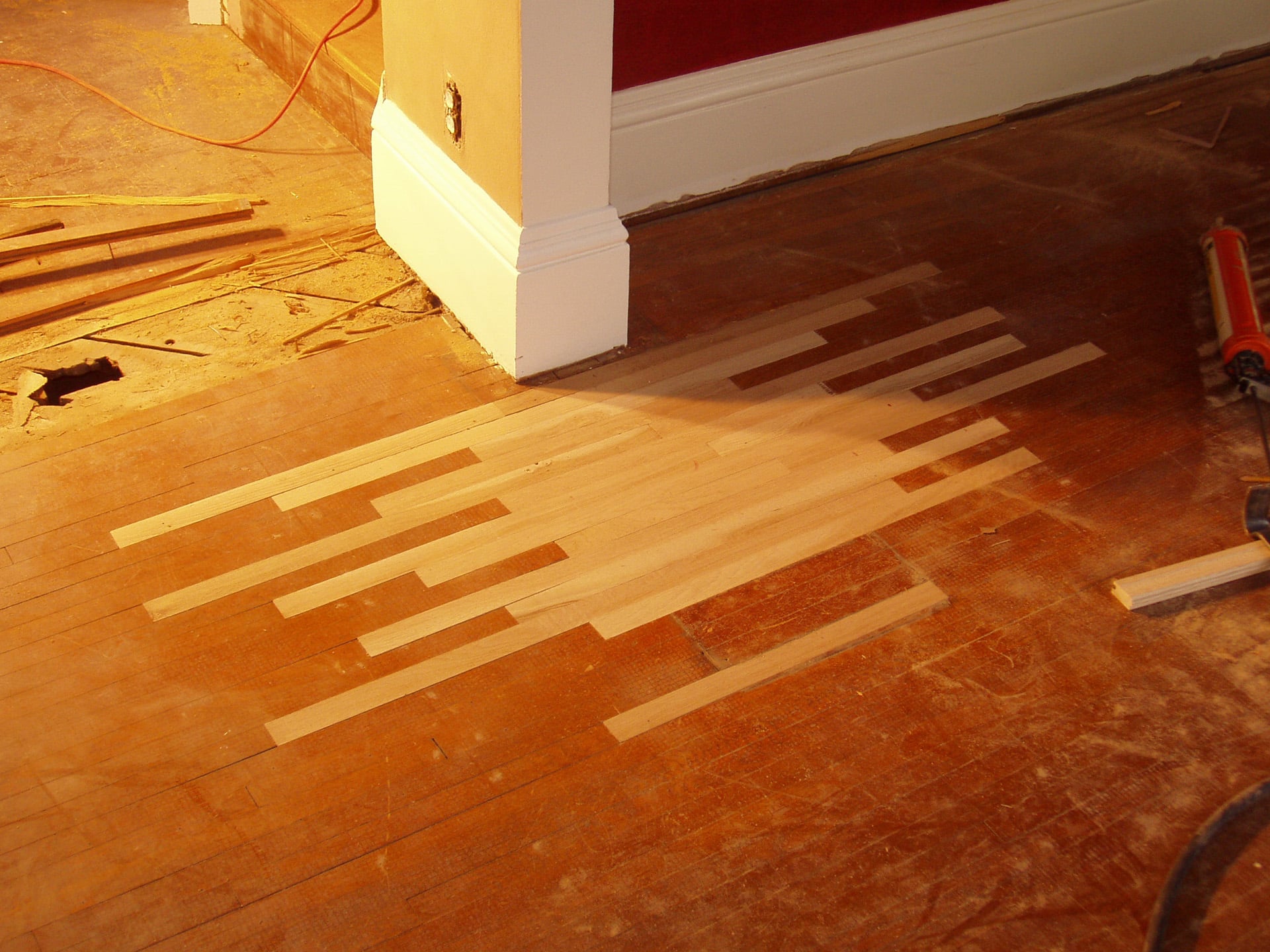
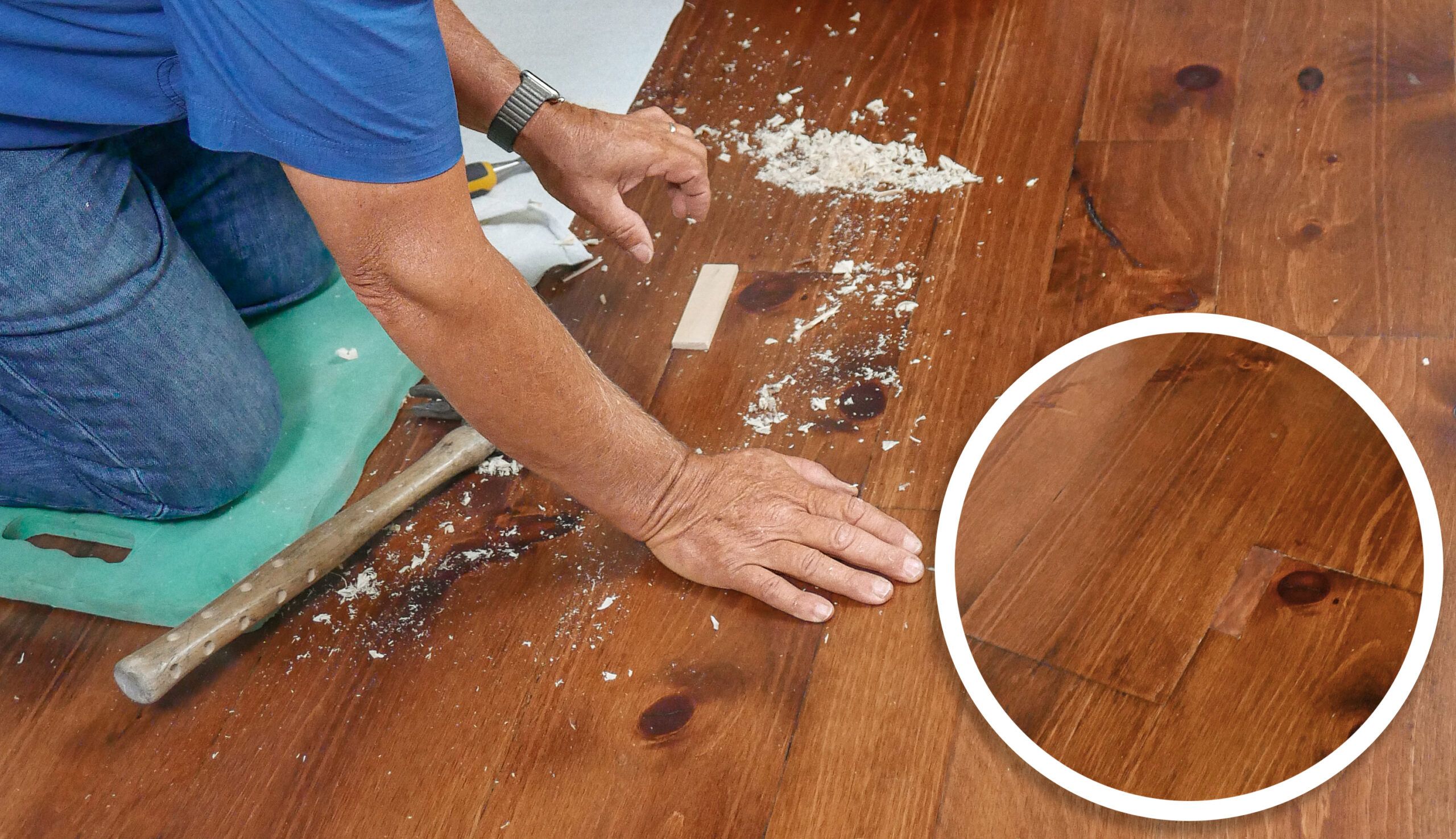
Sometimes, planks need replacement. First, measure the damaged plank. Buy a new one of the same size. Remove the old plank carefully. Use a crowbar or hammer. Take out nails or screws. Place the new plank in position. Secure it with nails or screws. Make sure it fits snugly. Stain or finish to match the floor. Now your floor looks perfect again.

Addressing Water Damage
Water can hurt hardwood floors. First, remove water quickly with towels. Fans can help dry the area faster. Open windows to let air in. This helps the floor dry. Use a vacuum to suck up water from cracks. Make sure the floor is dry before cleaning.
Next, clean the floor. Use a mild detergent and warm water. Do not use too much water. A damp cloth is enough. Wipe the floor gently. Avoid harsh chemicals; they can damage the floor. Dry the floor with a clean towel after cleaning. This keeps it safe from more damage.
Some boards may need fixing. If a board is bad, try to fix it. If not, you might need a new one. Check the board first. If it is loose, nail it back in place. If it is warped, you may need to replace it.
To replace a board, remove the old one. Use a saw to cut it out. Fit a new board in its place. Make sure it is the same size. Nail it down securely. Sand the new board to make it smooth. Then, apply a finish to match the rest of the floor.
Dealing With Cupping And Crowning
Cupping and crowning are common issues with hardwood floors. Cupping happens when the edges of the wood are higher than the center. Crowning is when the center is higher. Both issues are caused by moisture. Water or humidity can make wood expand. Sometimes, water leaks or spills can be the reason. Other times, it is the air’s humidity.
Dry the floor to fix cupping or crowning. Use fans or dehumidifiers. Ensure the wood has time to adjust. Avoid sanding the floor too soon. This can cause more harm. Identify and fix leaks if any. Make sure there is good air flow in the room. Keep the humidity levels steady. This helps the wood stay in shape.
Polishing And Finishing Touches
Achieve a flawless look by focusing on polishing and finishing touches for your hardwood floors. Sand the surface smoothly, apply a high-quality finish, and let it dry completely. This process enhances shine and protects the wood, ensuring your floors look elegant and last longer.
Applying Sealant
Start with a clean, dry floor. Choose a good quality sealant for best results. Use a brush or roller to apply it. Spread the sealant evenly on the floor. Let it dry for a few hours. Check the floor for missed spots. Apply a second coat if needed. This helps protect the wood from damage. Always follow the instructions on the sealant package. Safety first: wear gloves and a mask while working.
Buffing The Surface
Buffing makes the floor shiny and smooth. Use a buffer machine for this task. Move the buffer in a circular motion. Cover the entire floor area. Buffing removes small scratches and marks. It gives the floor a nice finish. Do not rush the process. Take your time to ensure even buffing. This helps in keeping the floor looking new. Clean up any dust after buffing. A clean floor shines the brightest.
Maintenance Tips For Longevity
Discover effective ways to repair hardwood floors, ensuring they last longer. Regular cleaning prevents scratches and maintains shine. Fix small gaps with wood filler for a seamless look.
Regular Cleaning
Dust and dirt can harm floors. Use a soft broom or vacuum weekly. Avoid water on wood floors. Water causes stains. Clean spills fast. Use damp cloths. No harsh chemicals. They damage the finish. Mild soap is good. Mix with warm water. Dry floors after cleaning.
Preventive Measures
Place mats at entrances. Catch dirt and moisture. Use furniture pads. Protect floors from scratches. Trim pet nails. Avoid damage from claws. Limit sunlight. Use curtains or blinds. Sun fades wood color. Maintain humidity. Wood expands and contracts. Keep it balanced.
Frequently Asked Questions
How Do I Repair Scratched Hardwood Floors?
To repair scratched hardwood floors, start by cleaning the area. Use a wood filler or wax stick to fill the scratch. Sand the area lightly, then apply a matching wood stain. Finally, seal it with a polyurethane finish for protection and shine.
What Causes Hardwood Floors To Squeak?
Squeaky hardwood floors are often caused by loose boards or subflooring. Changes in humidity can also cause wood to expand or contract, leading to squeaks. To fix, identify the squeaky area and secure loose boards using nails or screws. A dry lubricant can also reduce noise.
Can Water Damage Be Fixed On Hardwood Floors?
Yes, water damage on hardwood floors can be fixed. First, remove any standing water and dry the area thoroughly. Sand and refinish the damaged area to restore its appearance. Severe damage may require replacing affected planks. Prevent future issues by maintaining proper humidity levels and cleaning spills promptly.
How Often Should Hardwood Floors Be Refinished?
Hardwood floors should be refinished every 7 to 10 years, depending on wear and tear. High-traffic areas may require more frequent attention. Refinishing involves sanding the surface, applying a stain, and sealing with a protective finish. Regular maintenance can extend the time between refinishing sessions.
Conclusion
Fixing hardwood floors is easier than you might think. Follow simple steps, and you’ll see a noticeable difference. Sanding smooths uneven surfaces, and filling gaps prevents further damage. Regular cleaning keeps floors looking fresh. Protect them with rugs in high traffic areas.
A little maintenance goes a long way. Remember to check for signs of wear often. Early action saves time and money. You can keep your floors beautiful with consistent care. Enjoy your revitalized space with confidence. Your hardwood floors will thank you.